


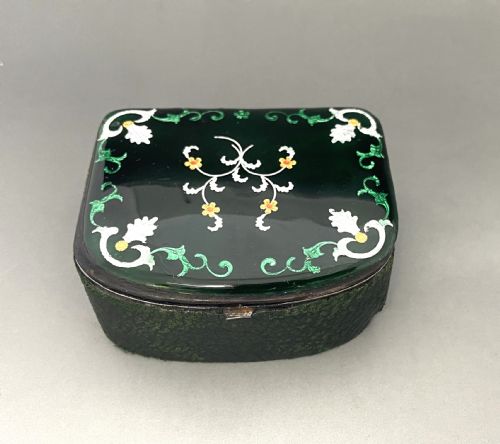
Small Painted Box
A small painted box carries personal treasures, letters or dry pigments, bringing colour and folk art into a room.
Small Painted Box
A small painted box serves multiple household uses across different eras, appearing as trinket boxes, patch boxes, miniature chests of drawers, and small coffers. The selection on this page draws heavily from nineteenth-century pieces, alongside eighteenth-century examples, Regency items, and pieces from the nineteen-thirties.
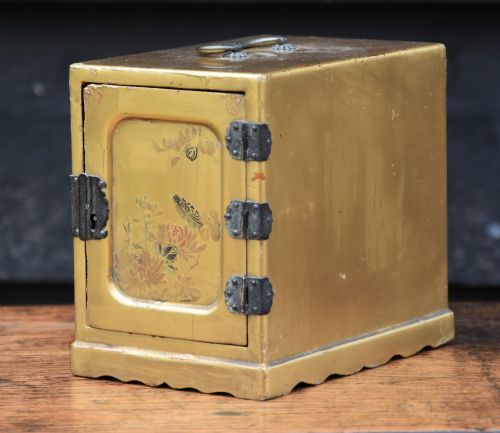
Geographic origins span widely in the records, encompassing Scandinavian country and folk art, Welsh vernacular pieces, Hungarian items, and Japanese Meiji period lacquer work. Pine, oak, and whitewood form the structural base for many regional European pieces, while metal, glass, and papier-mâché appear alongside.
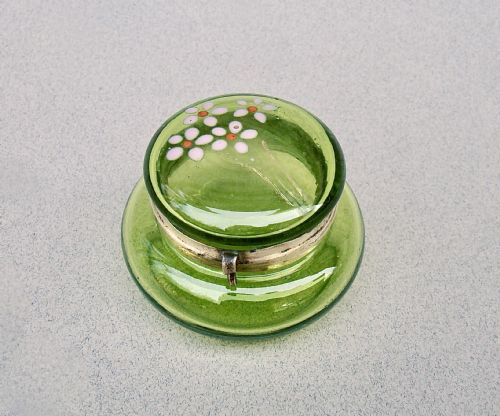
Formats range from simple dome-top strong boxes and log bins to elaborate spice cupboards, sarcophagus boxes, and apprentice chests with secret drawers. Buyers encounter everything from rough pine trunks to delicate enamelled green glass and gilt lacquer trinket containers.
Materials and construction
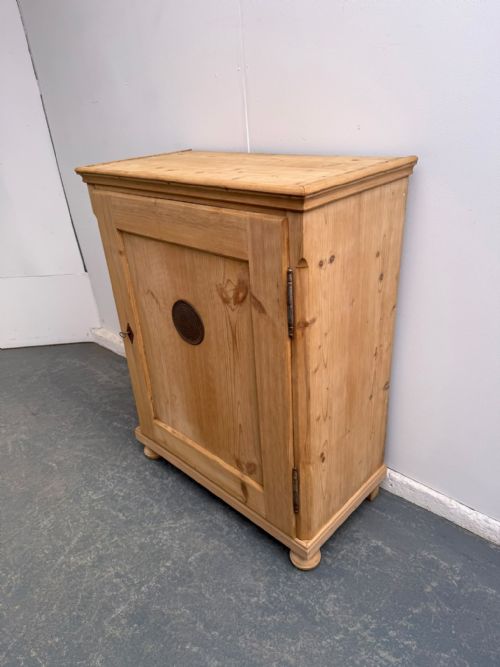
Pine and assorted softwoods provide the primary wooden framework for the regional European boxes, often strengthened with iron or brass bands and hinges. Artisans applied hand-mixed pigments directly to the wood surface, sometimes over a base coat of wax or gesso.
Alternative materials include papier-mâché moulded into dome shapes for snuff boxes, and heavy enamel fused to glass or metal for patch and trinket boxes. Japanese Meiji pieces employ lacquer techniques over a wood base, incorporating gilt details to build up decorative surfaces.
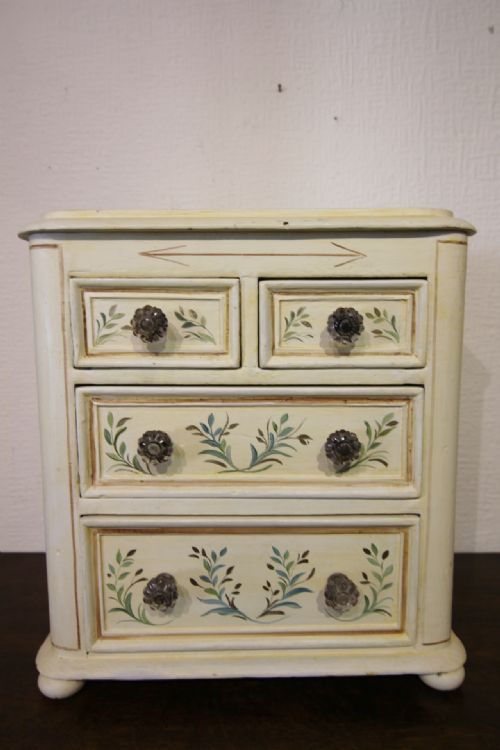
Some miniature apprentice chests include secret compartments designed to hide small coins from inquisitive apprentices.
Evaluating quality and character
The integrity of the surface decoration determines much of the appeal, distinguishing original historical pigment from later cosmetic touch-ups. Surface wear that accumulates naturally through decades of handling adds depth, provided the underlying structure remains sound.
Joinery techniques distinguish humble vernacular items from refined workshop production. Dovetailed corners, well-fitted miniature drawers, and original functional hardware such as brass locks and iron strapwork elevate the standing of a piece.
The Small Painted Box Glossary
- Apprentice piece
- A miniature item demonstrating a craftsman's skill before full guild admission. These frequently take the form of small chests of drawers.
- Patch box
- A small container used in the eighteenth and nineteenth centuries to hold cosmetic patches of silk or velvet. They often feature enamel or glass construction.
- Coffer
- A chest with a flat or dome top used for storing valuables or documents. Regional examples often display distinct vernacular painted decoration.
- Sarcophagus box
- A container shaped like an ancient sarcophagus, featuring a domed or sloping lid. These typically date from the Regency or nineteenth-century periods.
- Mauchline ware
- Scottish souvenir items made from wood and decorated with painted or photographic scenes. They often appear as small snuff boxes or trinket containers.
Small Painted Box: Frequently Asked Questions
What were small painted boxes used for?
These vessels held personal valuables, letters, sewing equipment, or small cosmetics like beauty patches. Their portable nature allowed owners to keep cherished items close at hand in various rooms.
Over time, many transitioned from utilitarian storage to decorative display objects on tables and mantelpieces.
How do I date a painted box?
Dating relies on examining the construction methods, the composition of the wood, and the formulation of the paint. Tool marks, hinge types, and fastening nails provide clear chronological clues.
Stylistic motifs, such as Regency lines or Victorian folk art patterns, further narrow down the likely decade of manufacture.
Are the paint finishes original?
Many surviving pieces retain their first layer of paint, often showing natural craquelure and softening from age. Some items received later coats of paint or varnish during subsequent generations of use.
Examining the paint under magnification helps reveal whether the surface finish matches the underlying age of the timber.
How should I care for an antique box?
Keep wooden and painted surfaces away from direct sunlight and extreme humidity fluctuations to prevent warping or paint flaking. Gentle dusting with a dry, soft cloth maintains the finish.
Avoid applying modern chemical polishes or heavy oils, which can damage aged pigments and vulnerable wooden surfaces.