

Small Oriental Rug
A small oriental rug brings pattern, texture and centuries of nomadic and village weaving tradition directly to floors that need warmth and character.
Small Oriental Rug
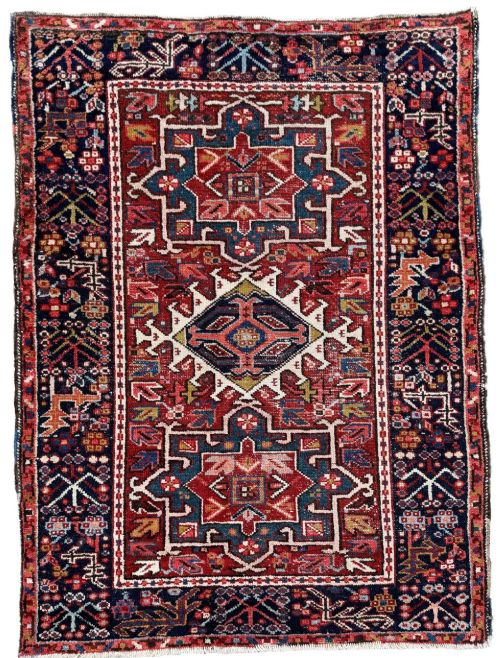
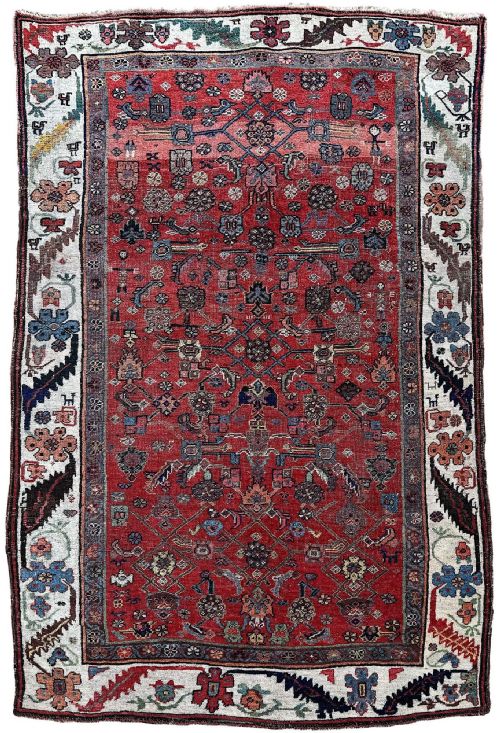
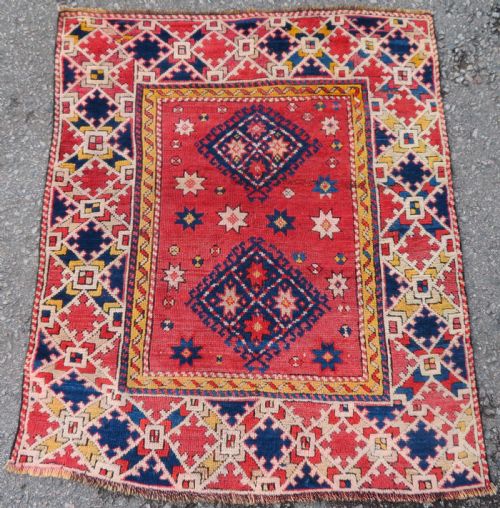
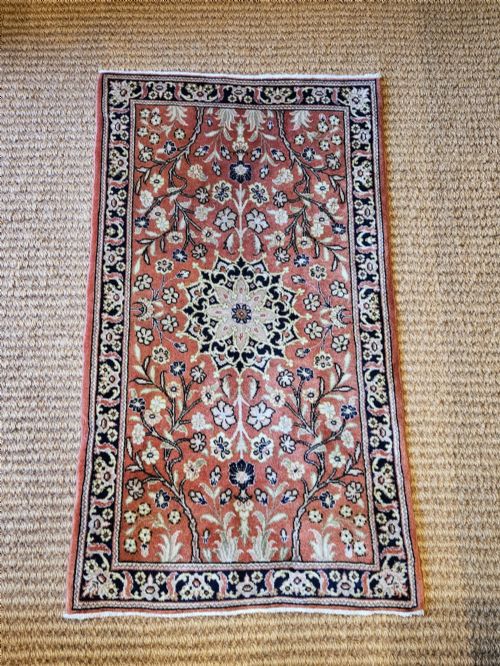
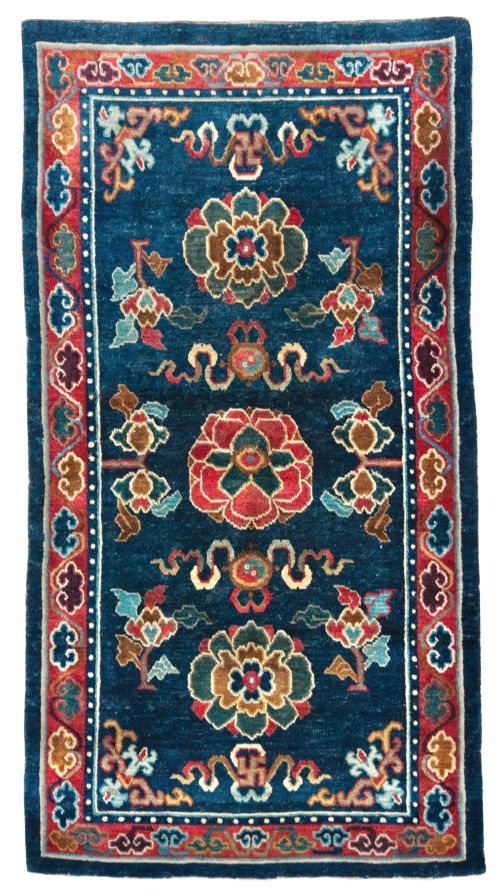
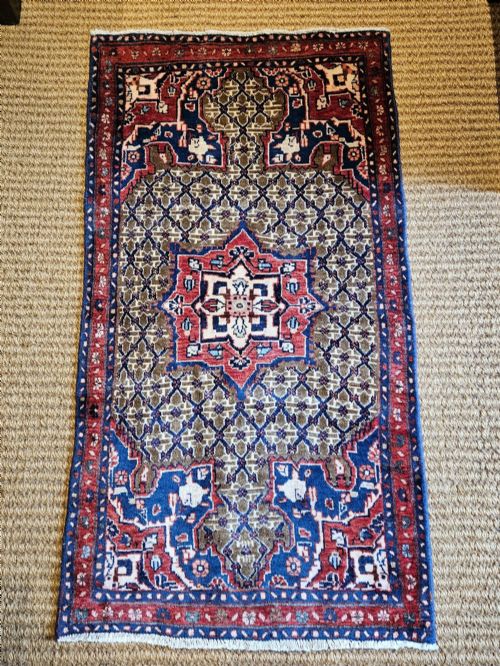
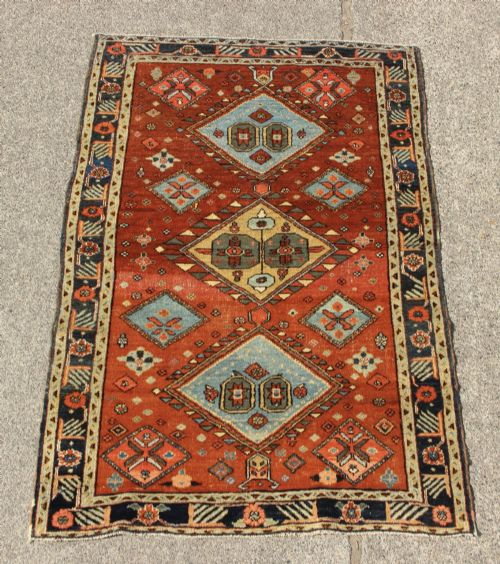
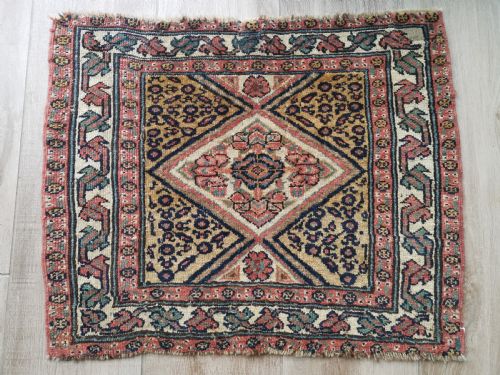
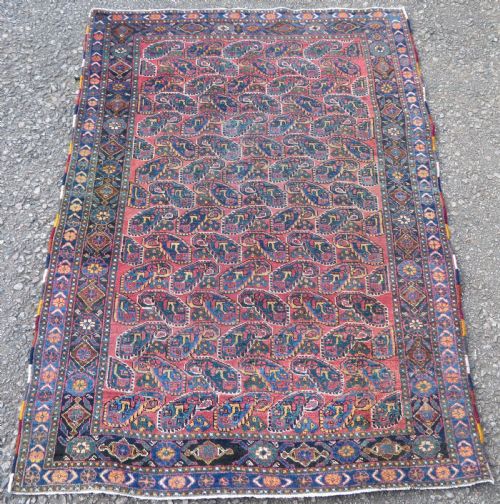
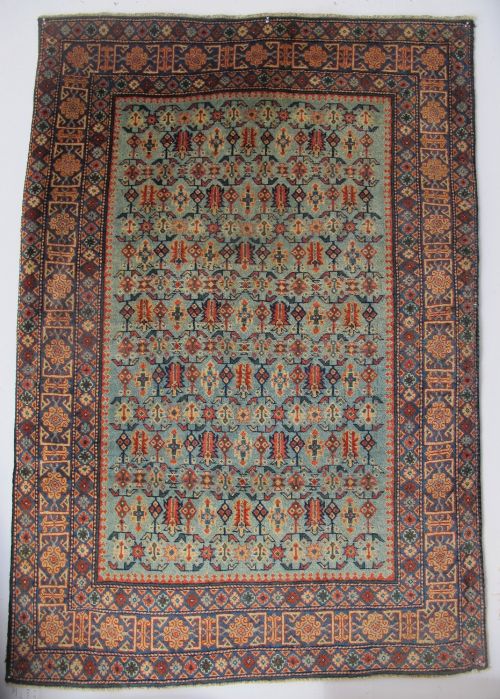
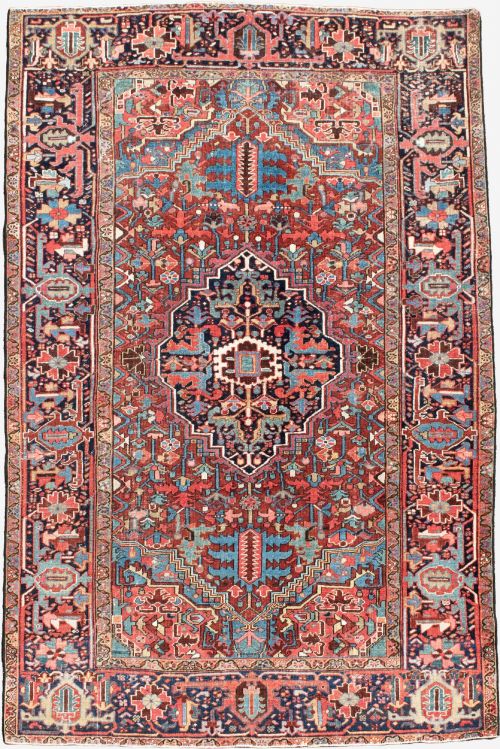
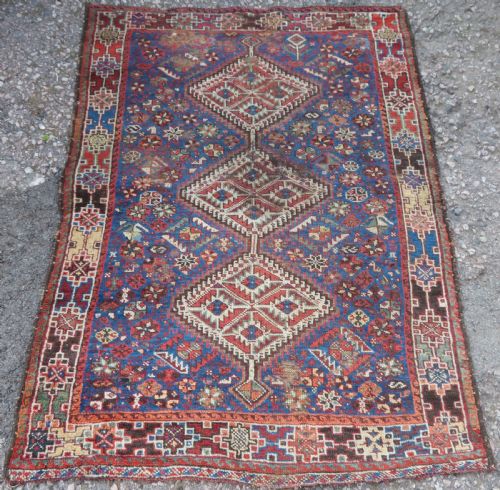
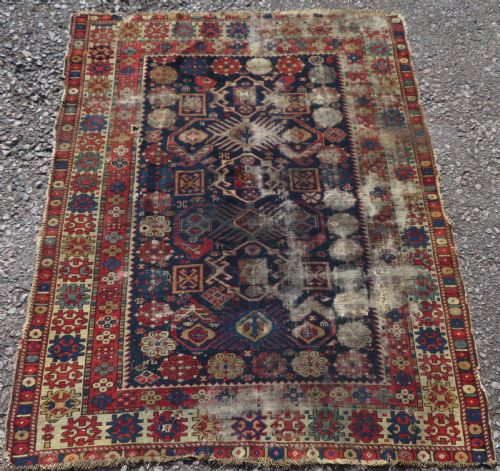
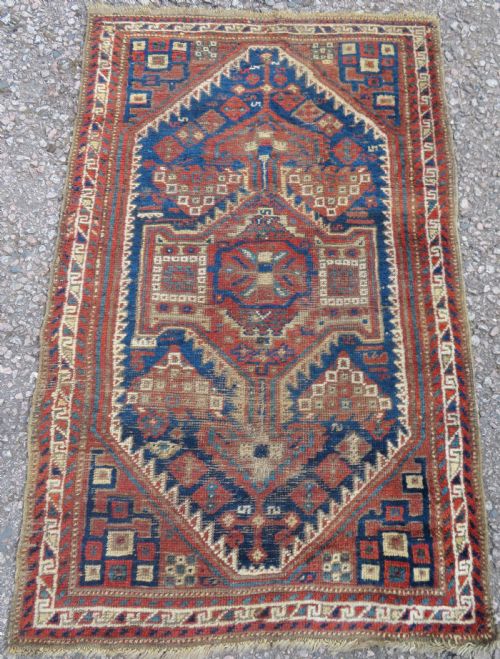
A small oriental rug comprises a diverse group of compact floor coverings, hearth-sized mats, prayer rugs, bagfaces and tent trappings originating from Persia, the Caucasus, Anatolia, Turkmenistan and Tibet. These woven pieces date from the nineteenth and early twentieth centuries, capturing the distinct tribal and village aesthetics of regions such as Heriz, Bidjar, Baluchistan and Daghestan.
Buyers searching this phrase will frequently encounter village and tribal formats including Karaja, Khamseh, Afshar and Yomut pieces. These compact rugs often serve as focal points in smaller rooms, hallways or hearth settings, delivering concentrated bursts of traditional geometric or floral design.
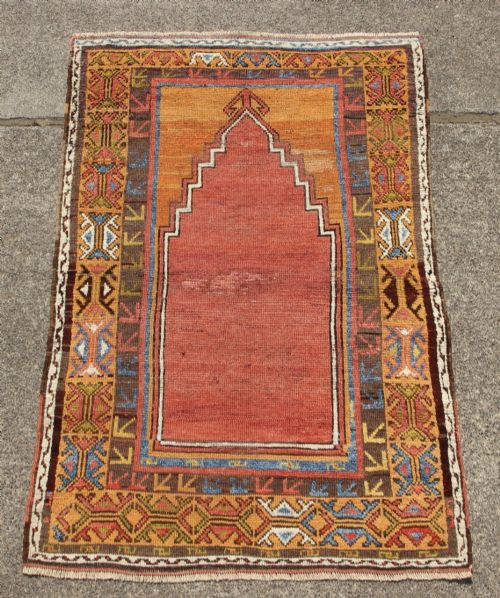
The material forms range from standard rectangular area rugs and square carpets to specialised prayer formats with mihrab niches and utilitarian fragments such as torba faces and bagfaces. Each type preserves the traditional weaving vocabulary of its specific origin, executed in manageable proportions suited to modern domestic spaces.
How they were made
The construction of these pieces relies on hand-spun wool foundations and pile, often combined with cotton warps and wefts depending on whether the piece originated in a settled village or a nomadic tent. Weavers knotted the wool by hand onto vertical or horizontal looms, building dense, durable structures designed to withstand daily use.
Natural dyes provide the foundational palette, yielding rich tones that age gracefully through exposure to light and wear. Master dyers utilised local plants, roots and minerals to achieve saturated reds, indigos, yellows and browns within the wool.
Small Oriental Rug Retail Price Guide 2026
Typical asking prices for small oriental rug among the pieces listed under this phrase on Sellingantiques today, from the lower quarter to the upper quarter. They describe what is for sale here now, not the wider market.
Nomadic weavers occasionally incorporated protective amulets and intentionally irregular knots into their rugs to ward off the evil eye.
What varies in quality
Knot density and precision of execution distinguish finer village workshops from coarser tribal work, though rustic charm often compensates for irregularity. Tighter packing of the weft rows creates a firmer, more resilient handle that resists distortion over decades of foot traffic.
The depth and brilliance of the palette set superior examples apart from duller pieces, reflecting the quality of the natural dyes and the careful sorting of the hand-spun wool. A harmonious balance of colour and crispness in the drawing of traditional motifs marks the highest tier of these woven works.
The Small Oriental Rug Glossary
- Mihrab
- The arched niche design found on prayer rugs, which symbolises the direction of prayer and typically points towards Mecca.
- Gul
- An octagonal or medallion-like motif frequently repeated across Turkmen and tribal carpets.
- Torba
- A small storage bag or wall hanging traditionally woven by Turkmen nomads.
- Warps
- The vertical threads stretched across the loom that form the structural foundation of the rug.
- Pile
- The upright cut or looped wool surface of the rug that forms the soft layer walked upon.
Small Oriental Rug: Frequently Asked Questions
Where should I place a small oriental rug?
These compact formats suit hearths, entryways, narrow corridors and small sitting areas where standard furniture scales down the room.
They also function well as bedside mats or wall hangings to display tribal and village textiles safely away from heavy foot traffic.
How do I identify village rugs from tribal pieces?
Village rugs such as Bidjar and Heriz typically display more structured floral geometry and heavier cotton foundations.
Tribal pieces like Baluch, Afshar and Yomut often feature asymmetric designs, more wool content in the foundation and deeply personal nomadic iconography.
What is a prayer rug?
A prayer rug is a portable mat featuring a distinct architectural arch or mihrab design at one end.
Weavers created these formats for personal devotion, orienting the worshipper during daily prayers.
How do natural dyes age?
Natural dyes mature over time by softening into harmonious hues through gentle exposure to light and atmospheric elements.
This mellowing process, often called patina, enhances the visual depth of the wool.