
Small Open Shelving
Small open shelving offers accessible display and storage, bringing compact architectural character into a room without dominating the floor space.
Small Open Shelving
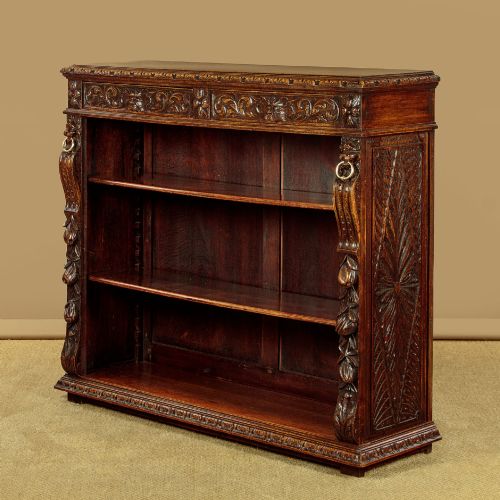
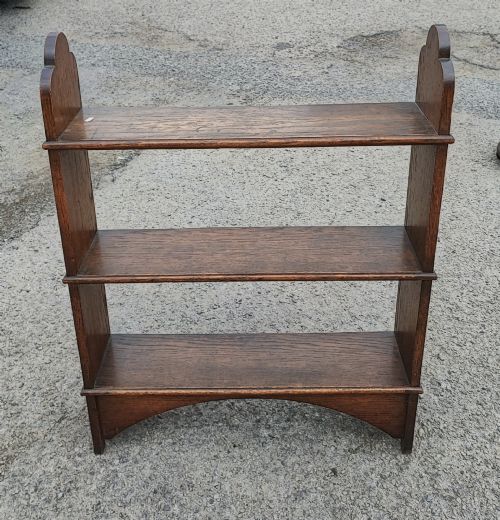
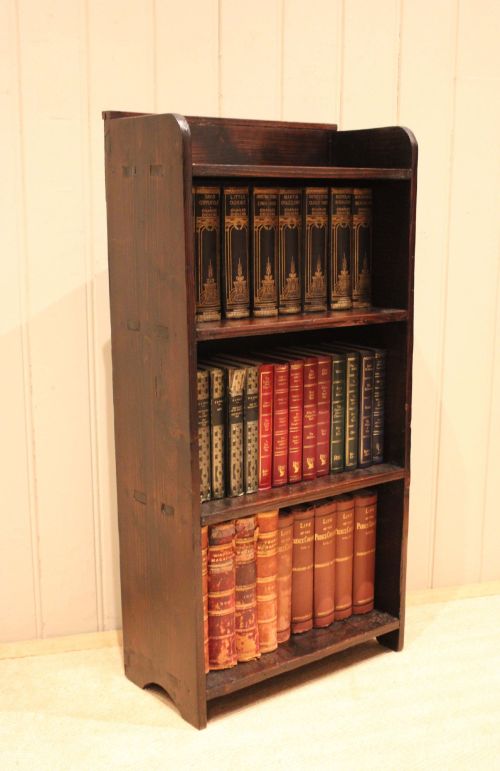
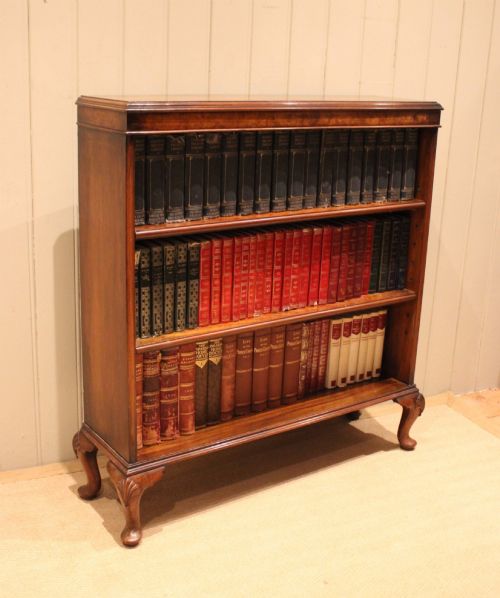
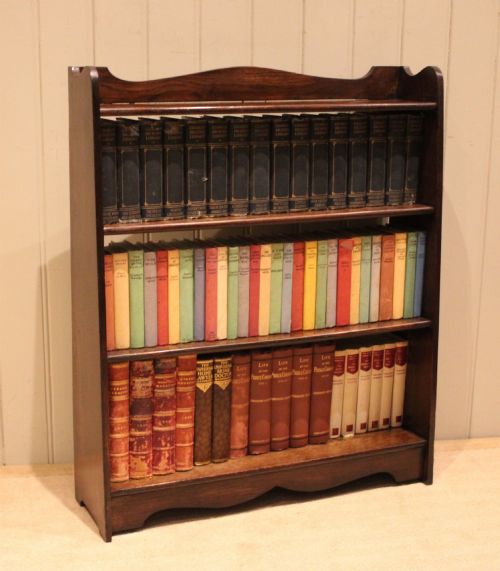
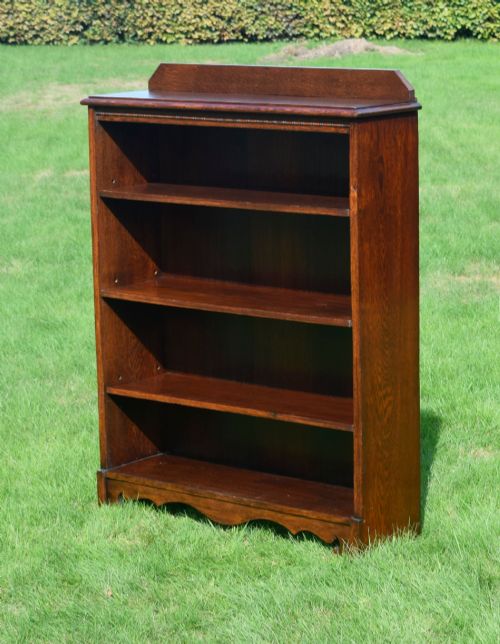
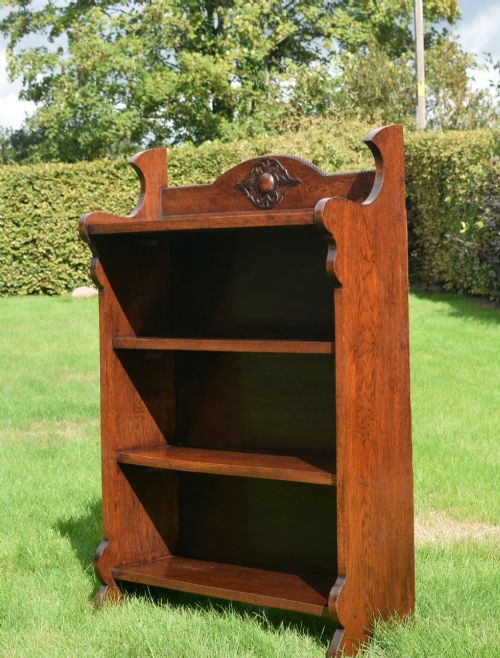
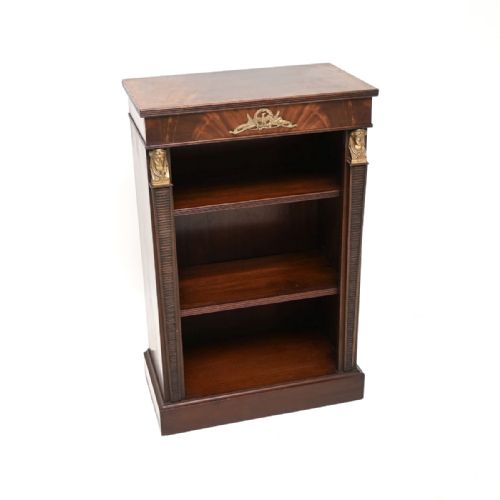
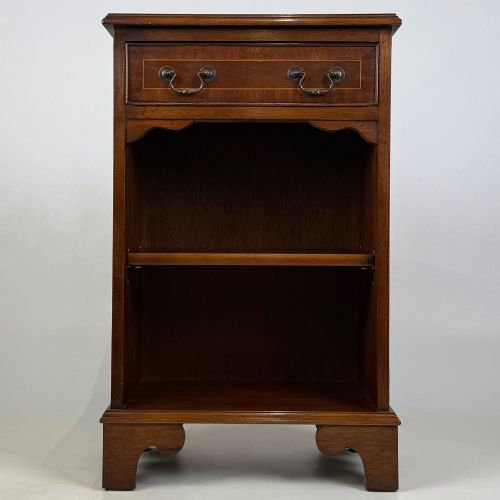
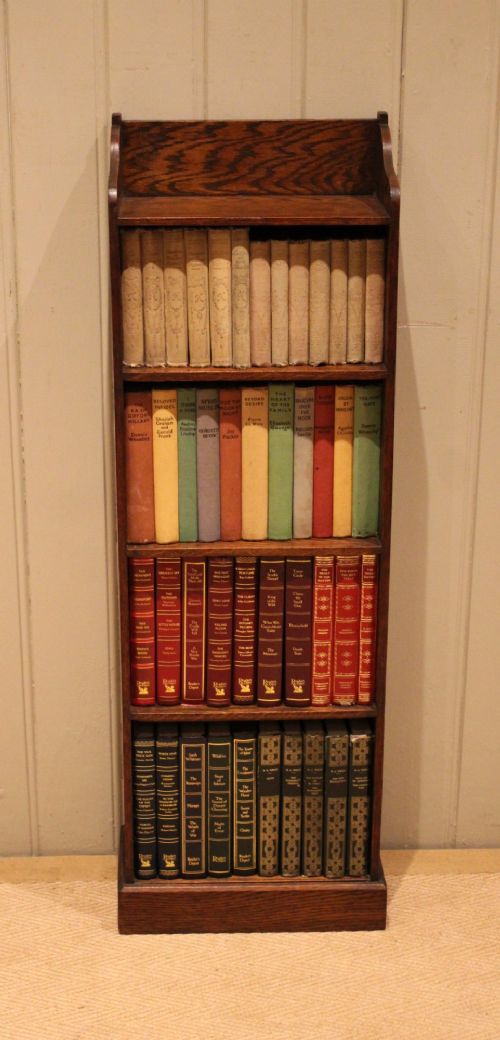
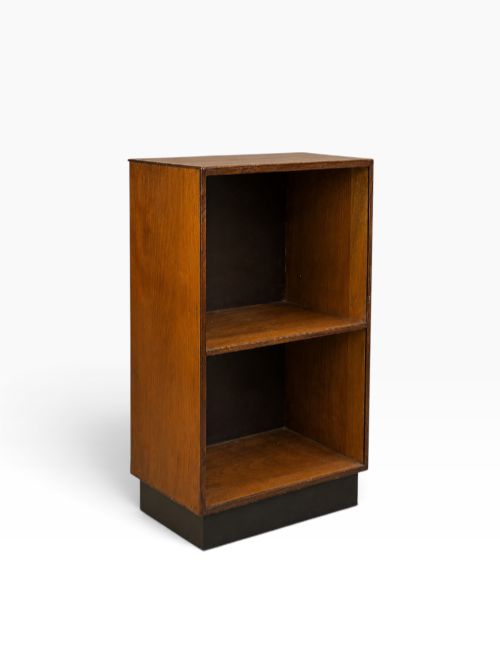
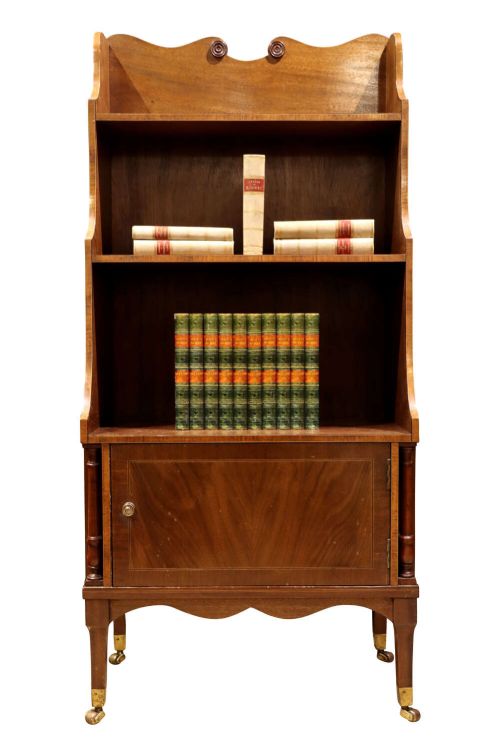
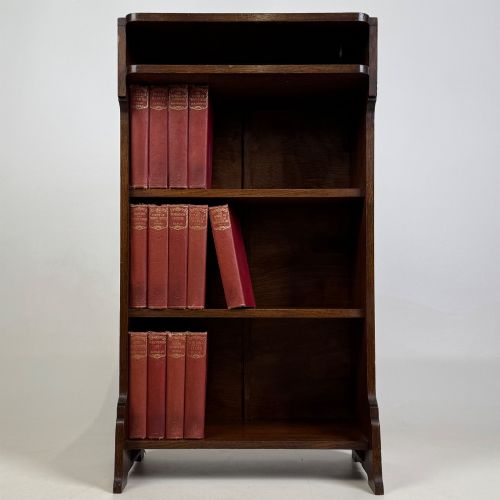
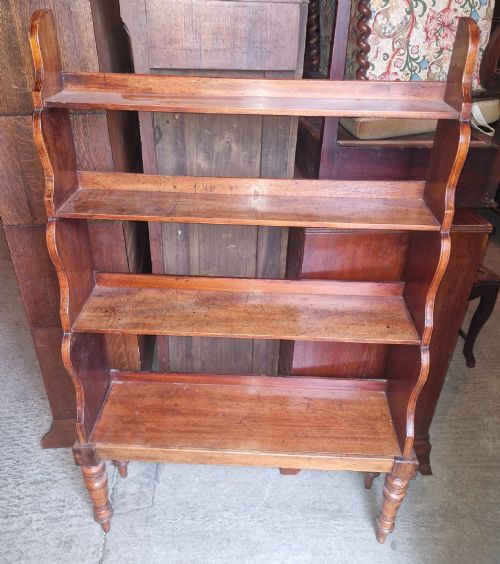
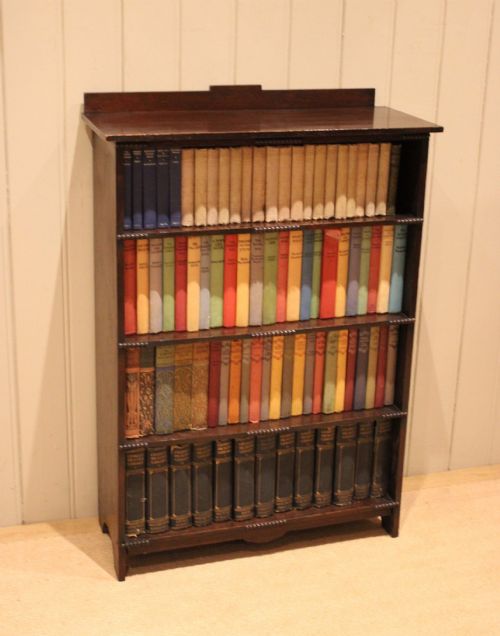
Small open shelving spans bookcases, wall shelves, etageres, and whatnot units originating from periods such as the Edwardian era, the nineteenth century, and the nineteen-twenties. Buyers searching for small open shelving encounter low freestanding bookcases, narrow side pieces, and hanging wall shelves designed to hold books and decorative items.
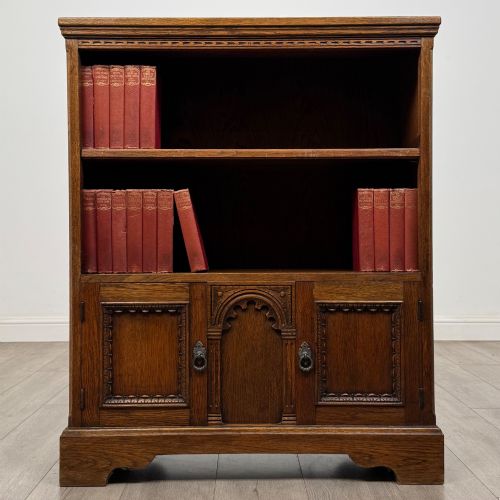
The pieces often feature timber construction with open tiers, sometimes incorporating adjustable shelves or small cupboards beneath the open tiers. Examples range from rustic oak forms to finely inlaid mahogany and satinwood waterfall designs.
Origins stretch from Georgian and Regency influences through Arts and Crafts workshops and Art Deco production. The format prioritises vertical display in compact footprints, fitting easily into alcoves and smaller domestic interiors.
Design and Execution
Quality separates standard utility furniture from pieces bearing specific attribution or refined cabinet work. Superior examples show thoughtful proportion, harmonious timber selection, and crisp inlay or carved details rather than plain assembly.
The presence of designated workshop styling, such as Arts and Crafts simplicity or identifiable Art Deco stepped forms, elevates a piece. Details like adjustable shelf mechanisms and fine brass hardware distinguish finer production from simpler regional work.
Books found a vertical home long before shelves learned to step gracefully down like waterfalls.
Gillows·Heals·Betty Joel
The Small Open Shelving Glossary
- Waterfall bookcase
- A set of open shelves diminishing in depth from bottom to top, creating a stepped profile reminiscent of cascading water. These tiered pieces appeared in mahogany, satinwood, and walnut during the nineteenth and early twentieth centuries.
- Etagere
- A piece of furniture consisting of a series of open shelves for displaying small objects or ornaments. These freestanding open étagères often utilised rosewood or mahogany in nineteenth-century interiors.
- Whatnot
- A multi-tiered shelving unit designed for the display of ornaments, books, or bric-a-brac. They frequently date from the Victorian and Edwardian periods.
- Inlay
- A decorative technique where contrasting woods or materials are inserted into recesses within the primary timber surface. Edwardian and Georgian examples often display fine stringing or geometric patterns.
- Arts and Crafts
- A design movement favouring honest construction, visible joinery, and local materials such as oak. Pieces from this tradition avoid excessive ornamentation in favour of functional simplicity.
Small Open Shelving: Frequently Asked Questions
Where should I place small open shelving?
These compact pieces fit well in tight alcoves, narrow hallways, or beside seating areas where floor space is limited. Their open fronts allow them to hold books or display objects without overwhelming a small room.
Because they lack doors, they work best in dry areas away from heavy moisture where books and decorative items remain accessible.
How do I identify an Edwardian bookcase?
Edwardian pieces often utilise oak or mahogany, frequently featuring simple upright proportions and occasional light string inlay. They date from the early twentieth century and prioritise domestic utility.
Look for honest timber grains, light construction, and period-appropriate backboards that mark manufacturing methods of the era.
Are the shelves adjustable?
Some pieces feature adjustable shelf mechanisms using traditional wooden supports or metal pins to alter tier heights. Others have fixed shelves built directly into the vertical uprights.
Checking the interior sides of the bookcase reveals whether the height can be modified for different book sizes.