



Small Oak Trinket Box
A small oak trinket box is a compact wooden container scaled down for keepsakes, offering tactile historical character in a miniature format.
Small Oak Trinket Box
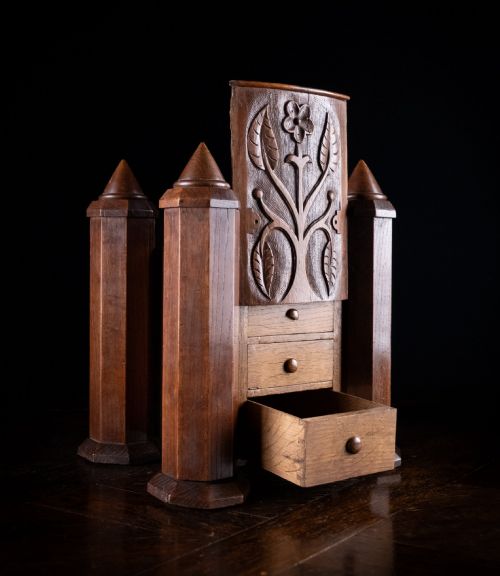
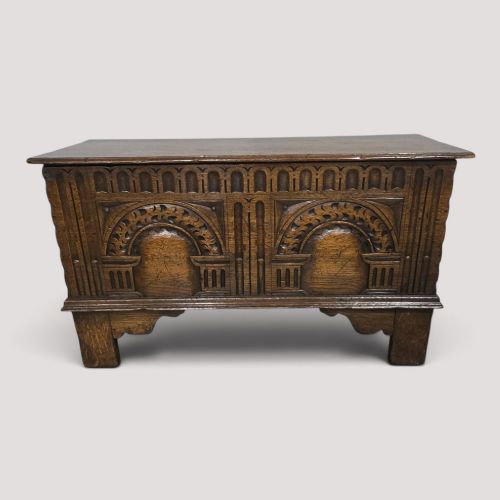
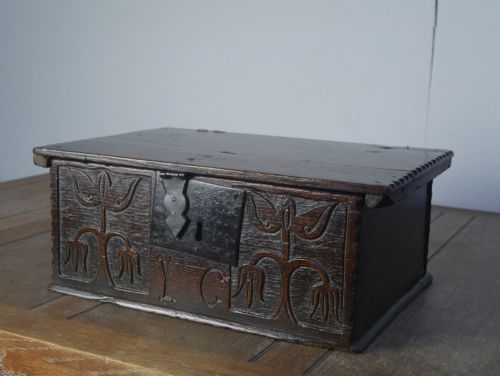
A small oak trinket box encompasses miniature coffers, tea caddies, desk accessories and scaled chests fashioned from timber. When hunting for a small oak trinket box, buyers encounter pieces spanning the seventeenth century through the Edwardian era.
The selection frequently includes Welsh coffor bach, Georgian apprentice pieces, and chip carved seventeenth-century examples. These varied forms serve as desktop companions or miniature storage chests for small valuables.
How they were made
Maker construction relies primarily on oak wood, often accented with brass or iron hinges, locks, and handles. Certain iterations incorporate wood inlay, timber inlay, or surface carving.
Makers shaped these miniature chests using traditional joinery and chip carving techniques directly onto the solid timber. Surface details occasionally feature inked elements or glass components within the design.
Small Oak Trinket Box Retail Price Guide 2026
Typical asking prices for small oak trinket box among the pieces listed under this phrase on Sellingantiques today, from the lower quarter to the upper quarter. They describe what is for sale here now, not the wider market.
One tiny oak box once lived in the house of John Knox.
What varies in quality
Quality diverges between utilitarian containers and finely detailed miniature coffers displaying intricate chip carving or period timber inlay. The sophistication of the regional vernacular joinery dictates the overall refinement of the piece.
Integrity of the original brass or iron hardware and the preservation of the surface patina separate standard examples from exceptional historical specimens.
John Knox
The Small Oak Trinket Box Glossary
- Coffor Bach
- A small Welsh miniature coffer or chest. These traditional pieces often feature lidded compartments and regional joinery.
- Apprentice Piece
- A small furniture item created to demonstrate a woodworker's skill. These miniature chests mirror full-scale furniture forms.
- Tea Caddy
- A small container designed for storing tea leaves. Examples in this category take on diminutive proportions.
- Chip Carving
- A decoration technique where material is chipped away from a solid oak surface to form geometric patterns. This style appears on seventeenth-century boxes.
- Timber Inlay
- Contrasting wood segments inserted into the primary oak surface for ornamentation. This decorative method enhances miniature boxes and chests.
Small Oak Trinket Box: Frequently Asked Questions
How old are these boxes?
The available pieces span a broad chronological range from the seventeenth century through the Edwardian period. Georgian examples and eighteenth-century items appear frequently.
Construction details and styles help indicate the specific era of manufacture.
What woods were used?
Oak forms the primary material for these miniature boxes and chests. Makers occasionally combined timber inlay or wood inlay for decorative contrast.
Metal components like brass and iron provide structural fittings.
Where were they made?
Origin points include English, Welsh, and Swedish workshops. Regional styles range from Jacobean interpretations to Scandinavian country pieces.
Local traditions heavily influenced the decorative carving and joinery methods.