




Small Oak Storage Unit
A small oak storage unit brings sturdy character and compact utility to any room, offering versatile shelving, cupboards, and drawers.
Small Oak Storage Unit
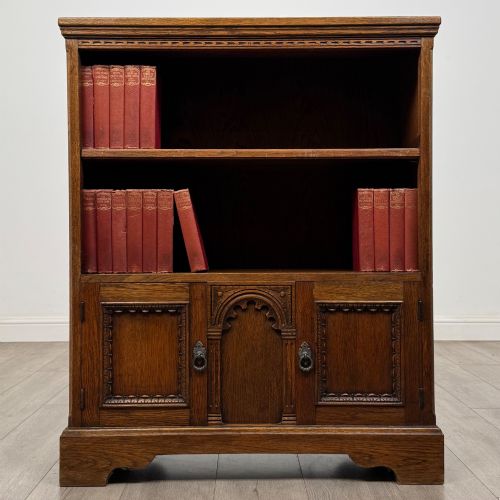
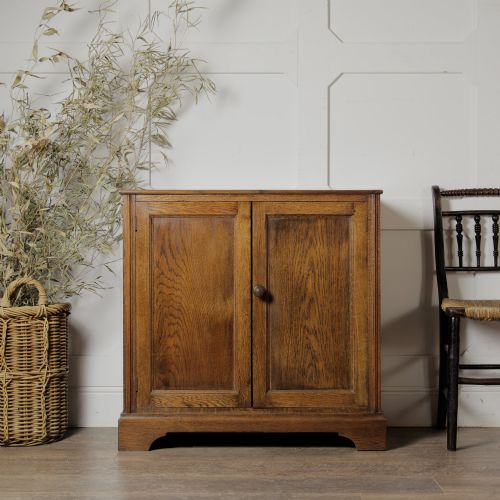
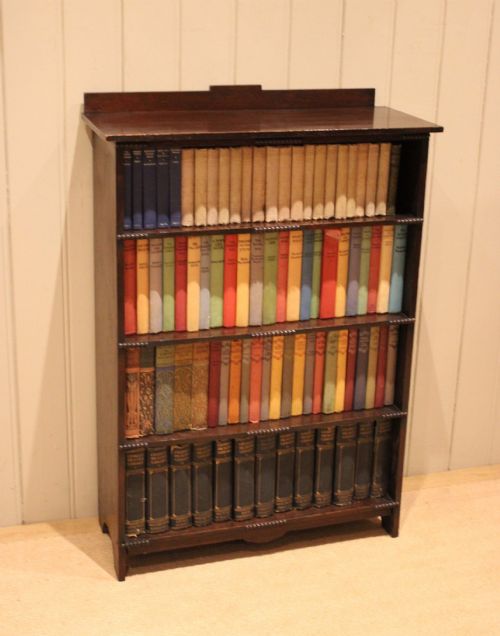
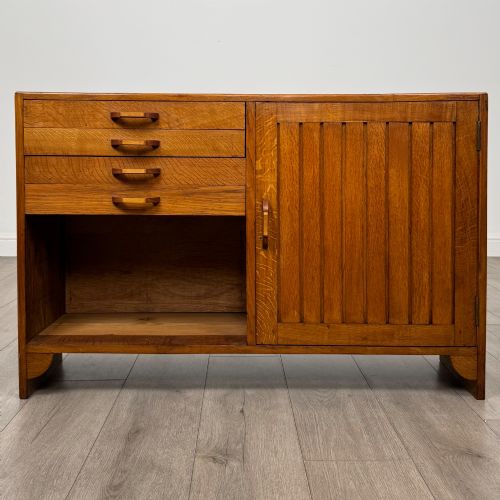
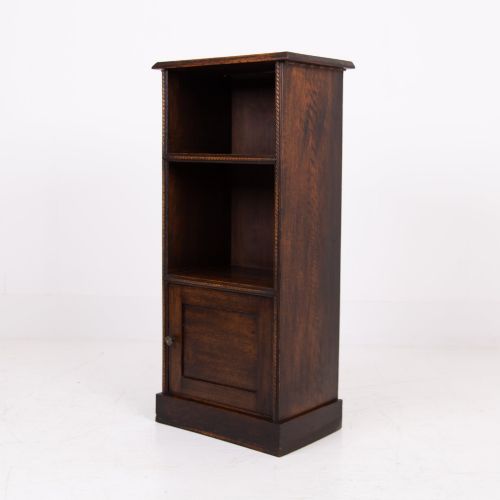
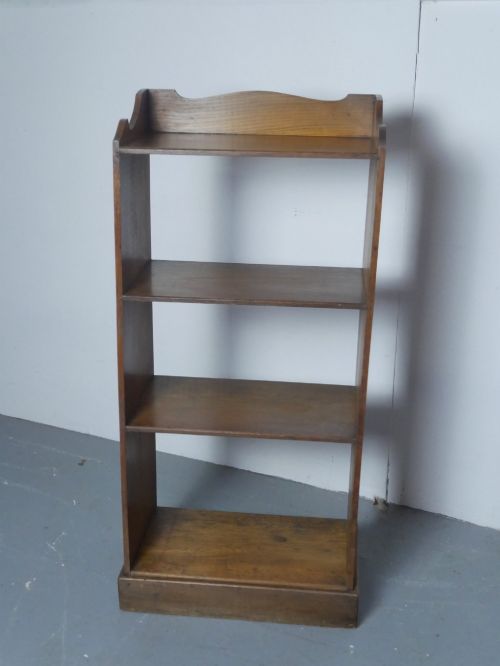
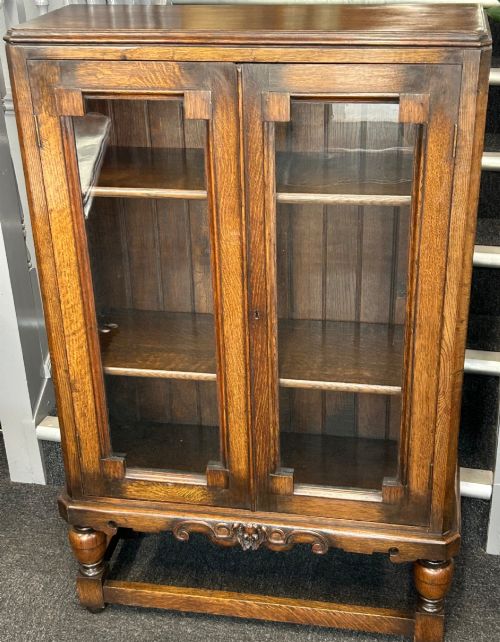
A small oak storage unit encompasses various compact forms designed for household or office organisation, ranging from open bookcases to low cupboards and multi-drawer filing cabinets. Buyers searching for a small oak storage unit typically encounter pieces dating from the Edwardian era through the 1920s and 1930s, reflecting practical domestic and commercial needs of those decades.
Assessing craftsmanship
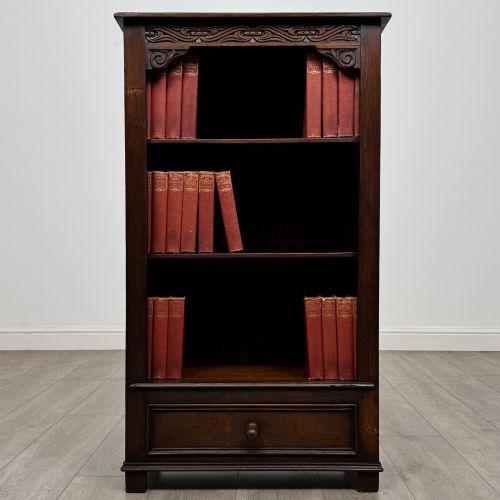
Quality in these units rests upon the selection of timber and the integrity of the joinery, distinguishing sturdy solid construction from lighter or later utility builds. Finer examples display thoughtful proportioning, clean geometric lines in Art Deco pieces, or well-executed revival carving.
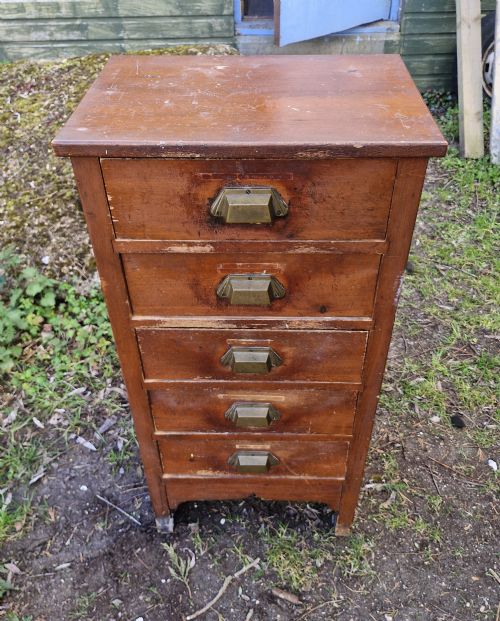
Hardware preservation also dictates standard, where original brass handles and working locks elevate an item above one with replaced fittings. The crispness of beaded edges and the smooth operation of drawers or cabinet doors indicate superior workshop execution.
Medical chests once meant for travelling physicians now happily hold modern art supplies and television remotes.
Betty Joel·Amberg
The Small Oak Storage Unit Glossary
- Jacobean Revival
- A nineteenth and early twentieth-century style imitating seventeenth-century British furniture, often featuring heavy mouldings and dark oak. It brings a robust, historic weight to small storage pieces.
- Haberdashery cabinet
- Originally utilised in retail shops for displaying and storing small goods, these units typically feature multiple shallow drawers with glass fronts. They translate exceptionally well into modern homes for organising collections.
- Beaded edge
- A narrow, rounded decorative moulding applied to the corner or framing of a cabinet or bookcase. This detail softens harsh angles and adds subtle texture to the timber surface.
- Art Deco Modernist
- A design movement from the 1930s prioritising streamlined forms, geometric stepping, and functional elegance. In storage units, this results in clean vertical lines and uncluttered surfaces.
Small Oak Storage Unit: Frequently Asked Questions
What periods do these storage units come from?
The pieces span from the late nineteenth century through the Edwardian period and into the 1920s and 1930s. This timeframe includes late Victorian craftsmanship alongside interwar modernist and industrial utility items.
Most items reflect the domestic and office requirements of the early twentieth century, showing a shift towards compact, functional furniture.
How can I use a small storage unit at home?
These versatile pieces function as bedside bookcases, hallway sideboards, or compact filing solutions in a home office. Their modest proportions allow them to fit into alcoves or entryways where larger furniture will not work.
Certain items, such as haberdashery or collectors' cabinets, serve well for organising paperwork, stationery, or small display items.
Are these units made of solid oak?
The selection consists primarily of solid oak, though variations include light oak, golden oak, and dark oak finishes. Some utilitarian or interior elements incorporate secondary timbers like pine alongside metal and glass components.
Examining the grain and construction reveals whether a piece utilises solid hardwood throughout or incorporates veneers on secondary woods.
How do I distinguish Art Deco pieces from Edwardian ones?
Edwardian units often incorporate traditional revival styles, such as Jacobean details or carved wooden accents, maintaining a classic domestic appearance. They tend to feature softer, more conventional proportions and classical mouldings.
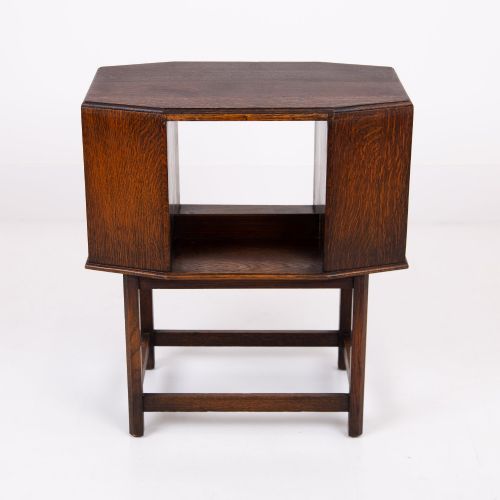
Art Deco items from the 1930s rely on streamlined forms, geometric stepped profiles, and minimalist surfaces that reflect modernist design principles.