
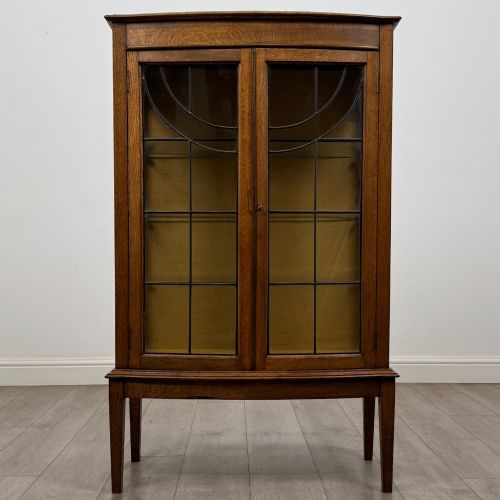
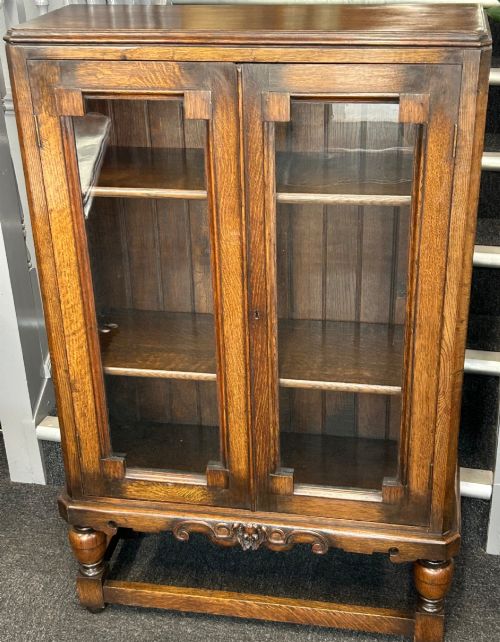


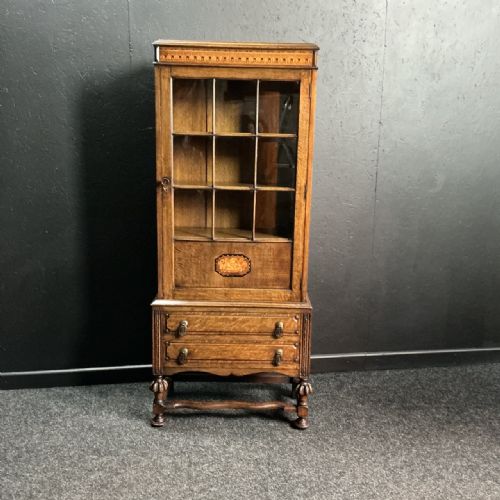


Small Oak Glazed Cabinet
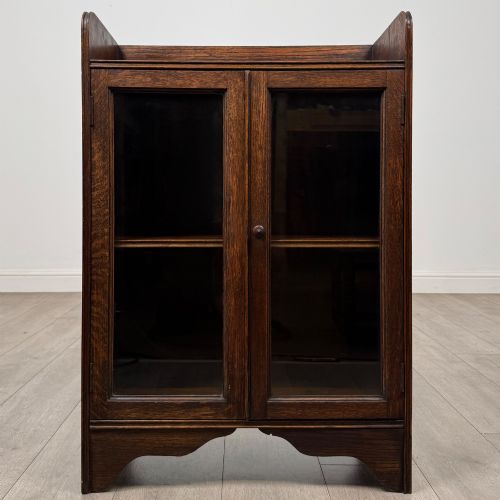
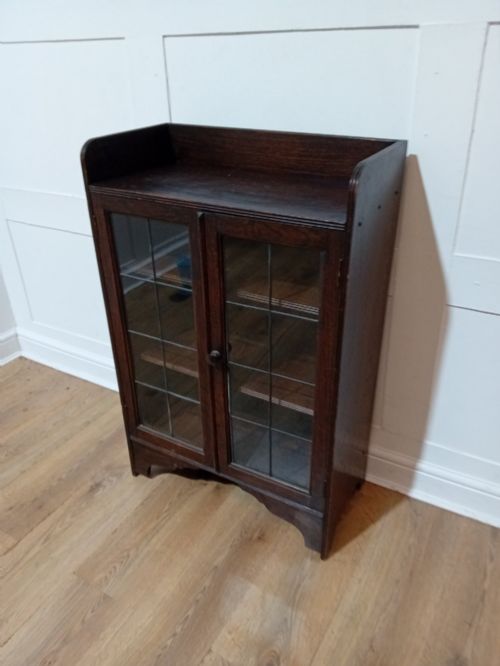
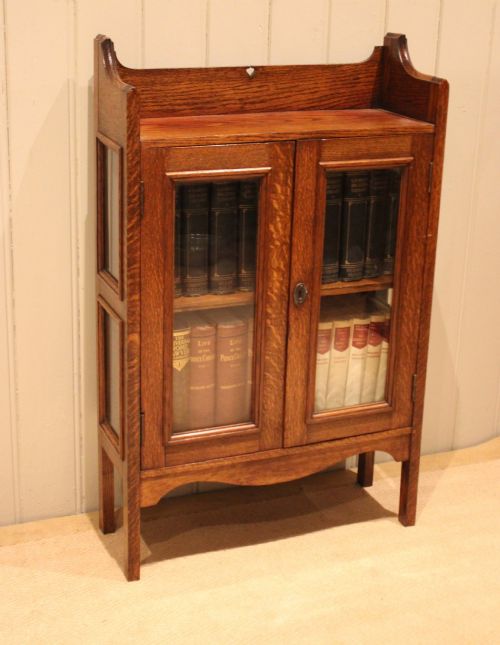
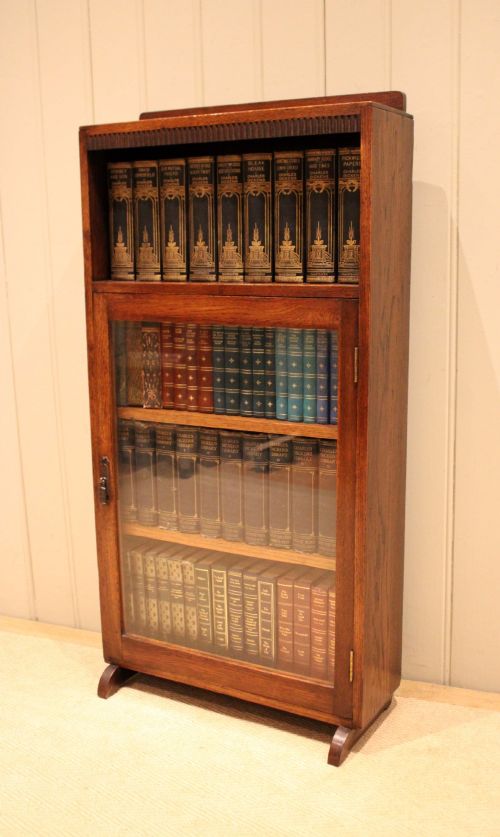
A small oak glazed cabinet offers compact storage with a clear view inside, making it a practical addition to any room.
Small Oak Glazed Cabinet
A small oak glazed cabinet is a compact storage piece designed to showcase books, collections, or daily items behind glass doors. When you search for this phrase, you will find items spanning the nineteenth century through the nineteen-thirties, with Edwardian and nineteen-twenties pieces appearing most frequently.
The forms vary widely to suit different spaces, including corner cabinets, countertop display cases, wall-mounted cupboards, and dwarf bookcases. Many examples incorporate specific functions, such as collectors' chests with multiple drawers, pipe-smoking cabinets, or secretaire desks with drop-down writing surfaces.
Origins stretch from domestic English halls and reception rooms to commercial shop counters and specialised smoking rooms. The predominant wood across all these variations is solid or veneered oak, paired with glass panels for visibility.
Materials and construction methods
Makers relied primarily on oak as the structural timber, utilising both plain and heavily carved surfaces depending on the prevailing style of the period. Brass hardware, including hinges, drop handles, escutcheons, and occasional decorative panels, provides functional contrast to the warm grain of the wood.
Glazing techniques involve fitted glass panes held by wooden framing or lead cames, allowing secure viewing of the contents within. Additional materials appear selectively, such as ceramic tiles set into tabletops, fabric linings inside display areas, and ebonised wood accents for decorative contrast.
The listings show a concentration of Edwardian and nineteen-hundreds pieces, alongside Victorian, Art Deco, and nineteen-twenties commercial examples.
Assessing quality in construction and design
Quality separates pieces through the crispness of the joinery and the selection of the timber grain used in the cabinet body. Finer examples display thoughtful proportions, well-fitted doors that swing true, and integrated details like carved galleries or specialised interior drawers.
The integrity of the original glass, the weight and finish of the brass hardware, and the restraint or skill of the carving also distinguish superior pieces. Items created for specific commissions or schools show distinct craftsmanship compared to standard commercial production.
The Small Oak Glazed Cabinet Glossary
- Gallery
- A raised ornamental border or railing along the top surface of a cabinet. This feature often incorporates turned spindles or carved woodwork.
- Secretaire
- A cabinet or bookcase featuring a pull-out or drop-down drawer that serves as a writing desk. These often conceal small pigeonholes and letter compartments inside.
- Ebonised
- Wood treated with a dark finish to imitate expensive ebony. This technique highlights carved details through strong tonal contrast.
- Cames
- Slender grooved strips of lead used to hold individual panes of glass together in a window or cabinet door. They form geometric or decorative patterns across the glazing.
- Haberdashery cabinet
- A shop display unit with multiple shallow drawers and glass sections. Originally used for selling small sewing goods, these now serve collectors well.
Small Oak Glazed Cabinet: Frequently Asked Questions
Where should I place a small oak glazed cabinet?
These compact cabinets suit smaller rooms where floor space is limited, such as hallways, studies, or dining areas. Their glazed doors allow you to display delicate items securely while keeping dust at bay.
Corner versions make effective use of neglected room angles, while countertop models sit easily on top of existing sideboards or tables to add height and display space.
How do I distinguish an Edwardian cabinet from a Victorian one?
Victorian small oak glazed cabinets often feature heavier proportions, darker finishes, and more elaborate carving or Aesthetic Movement influences. They frequently date from the late nineteenth century and may include specialised interior fittings like pipe racks or collector drawers.
Edwardian examples tend to feel lighter in design, reflecting the transition into the twentieth century. They frequently align with Arts and Crafts simplicity or cleaner Edwardian lines, utilising brighter oak tones.
What were specialised smoking cabinets used for?
Smoking cabinets were designed to store pipes, tobacco jars, matches, and smoking accessories safely behind locked doors. They often include fitted interior compartments, small drawers, and specialised racks for holding pipe bowls.
These pieces reflect the social habits of the late Victorian and Edwardian periods, when smoking was an organised indoor pastime pursued with dedicated equipment.
Can I use a shop display cabinet in a home?
Countertop shop display cabinets and haberdashery units integrate well into modern domestic interiors. Their glass panels provide all-around visibility, making them ideal for exhibiting small collections, ceramics, or curiosities.
Originally built for commercial durability, these cabinets offer sturdy construction and functional access through sliding doors, drawers, or hinged tops.