


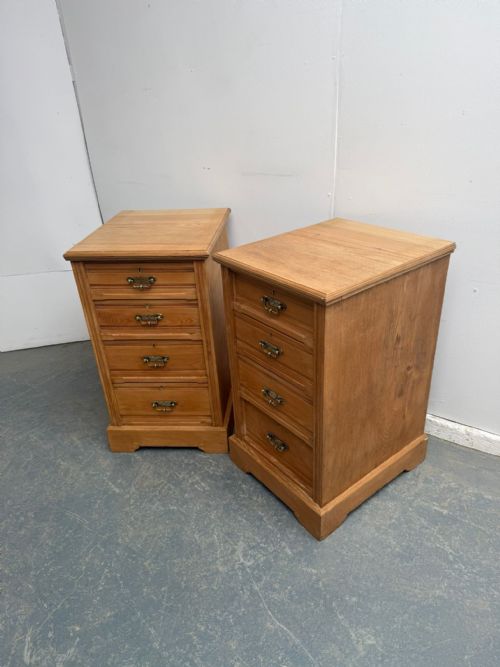
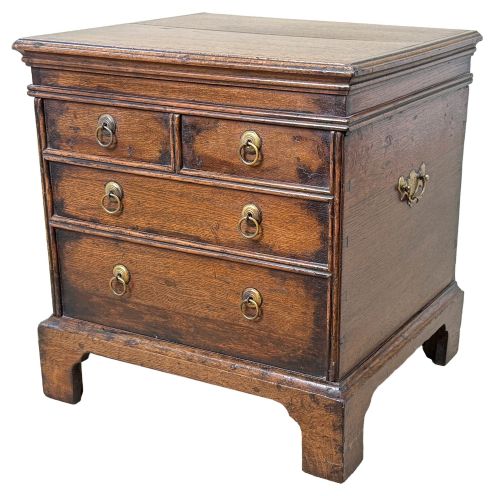


Small Oak Chest Table
These small oak chest table pieces combine practical storage with compact surfaces, offering timeless utility for modern homes.
Small Oak Chest Table
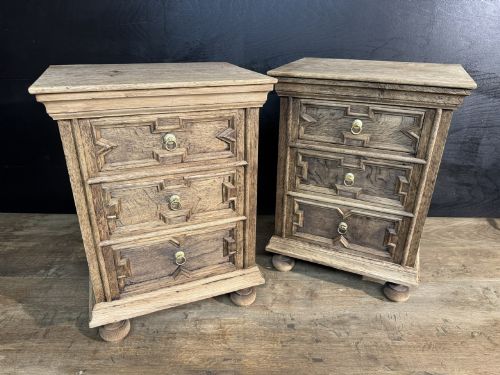
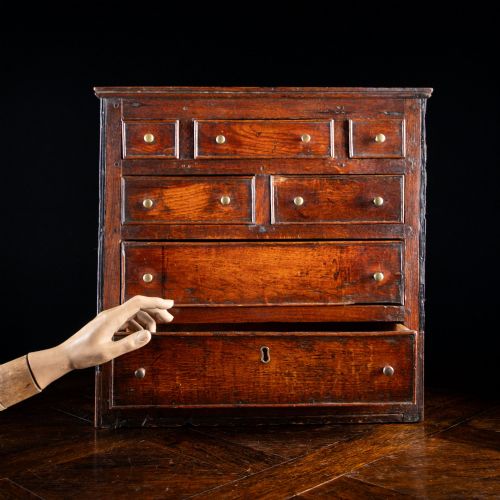
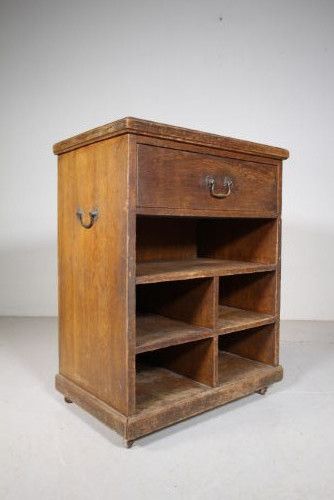
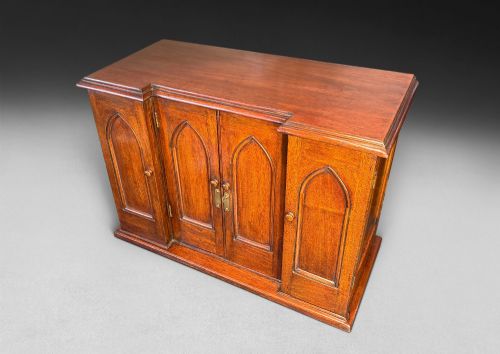
A small oak chest table unites the compact footprint of a side table with the enclosed storage of a small cabinet or drawer unit. Buyers examining this category encounter a diverse mix of forms, ranging from Gothic Revival collectors' cabinets and bedside cupboards to low drawer chests and close stools.
The pieces on this page span several centuries and design movements, drawing upon Georgian, Victorian, and Edwardian traditions alongside 20th-century revivals. Whether shaped as an Arts and Crafts bedside cabinet or a Jacobean Revival side table, each item serves as a functional piece of furniture built from sturdy timber.
Origins and periods vary widely across the selection, featuring pieces from the 1800s, Victorian era, and the 1920s and 1930s. The most commonly met versions balance table surfaces with internal compartments, boxes, or stacked drawers designed for efficient household use.
Distinctions in craftsmanship and condition
Quality separates through the integrity of the timber selection, the precision of the joinery, and the retention of original hardware such as brass pulls and iron hinges. Superior examples display thoughtful proportions and careful hand-carving that reflects the distinct stylistic period of their origin.
Wear and alterations dictate much of the character in older items, where period-appropriate repairs distinguish careful maintenance from intrusive modern replacements. The crispness of carved details in styles like Gothic Revival or Jacobean also indicates the level of skill applied by the original maker.
Small Oak Chest Table Retail Price Guide 2026
Typical asking prices for small oak chest table among the pieces listed under this phrase on Sellingantiques today, from the lower quarter to the upper quarter. They describe what is for sale here now, not the wider market.
Some small oak chests began life hiding chamber pots before finding new duties as bedside companions.
Gomme·Roberson & Co
The Small Oak Chest Table Glossary
- Oak
- A durable, heavy hardwood with a prominent grain pattern. It serves as the primary material for the majority of these tables and chests.
- Gothic Revival
- A 19th-century design style drawing inspiration from medieval architecture. It frequently incorporates pointed arches, tracery, and heavy carved details.
- Close stool
- An antique form of furniture enclosing a chamber pot, often disguised as a small cabinet or chest. Many examples adapt well to modern bedside use.
- Jacobean Revival
- A style popular in the late 19th and early 20th centuries emulating 17th-century English furnishings. It is characterised by geometric panels, turned legs, and dark finishes.
- Cofer
- A traditional wooden chest used for storage, particularly of valuables or textiles. They often feature robust boarded construction and iron strapwork.
Small Oak Chest Table: Frequently Asked Questions
How do I identify a Georgian small oak chest table?
Georgian pieces typically display restrained proportions, pegged timber joints, and simple brass drawer pulls that reflect 18th-century cabinetmaking standards. Their construction relies on hand-sawn boards and often incorporates secondary woods like oak-lined drawers.
Examining the interior construction and timber ageing helps separate genuine 18th-century pieces from later revival items built in the same general style.
Can I use a bedside chest as a normal side table?
Bedside chests and cupboards function effectively as general side tables in living rooms or hallways while providing useful concealed storage. Their compact height and surface area make them suitable for holding lamps or small decorative objects.
The internal compartments also offer practical space for organising household items out of sight.
What is the difference between Arts and Crafts and Victorian pieces?
Arts and Crafts pieces emphasise visible hand-craftsmanship, plain timber surfaces, and simple functional lines with minimal applied ornamentation. Victorian items often feature heavier carvings, darker finishes, and more elaborate historical revivals such as Gothic or Jacobean motifs.
Comparing the decorative details and hardware clarifies which design movement influenced the maker.
How should I care for antique oak furniture?
Maintain antique oak by applying high-quality natural wax periodically to nourish the wood and protect the finish from drying out. Keep the furniture away from direct heat sources and strong sunlight to prevent timber splitting.
Dusting with a soft, dry cloth preserves the patina built up over decades of use.