
Small Oak Book Stand
A small oak book stand brings compact utility and honest timber to any room, holding favourite volumes within easy reach.
Small Oak Book Stand
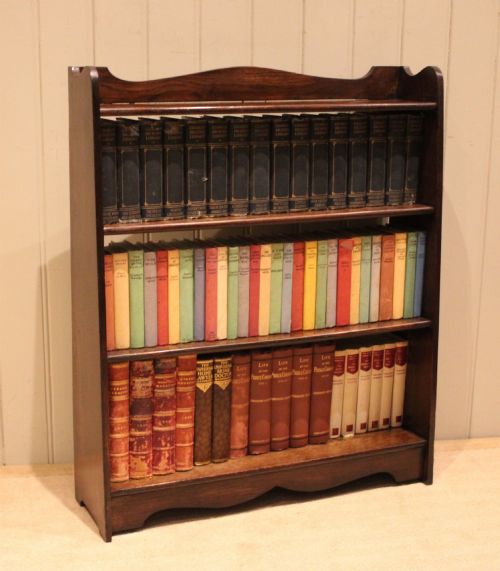
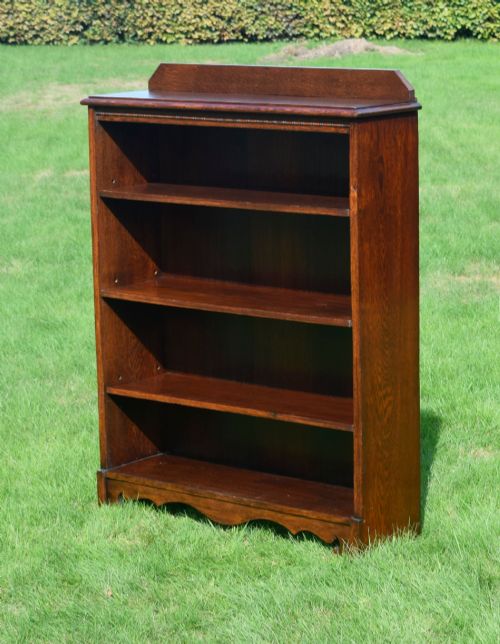
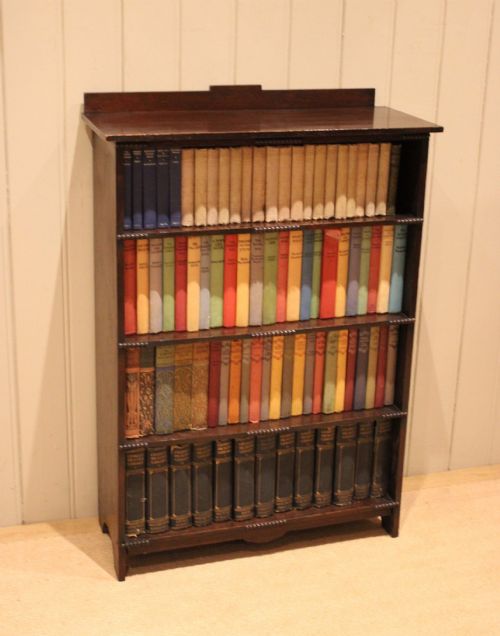
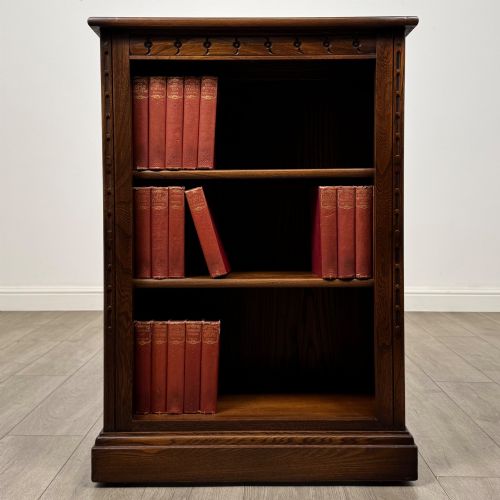
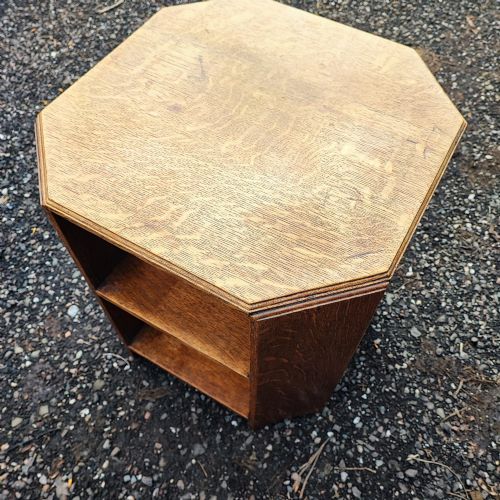
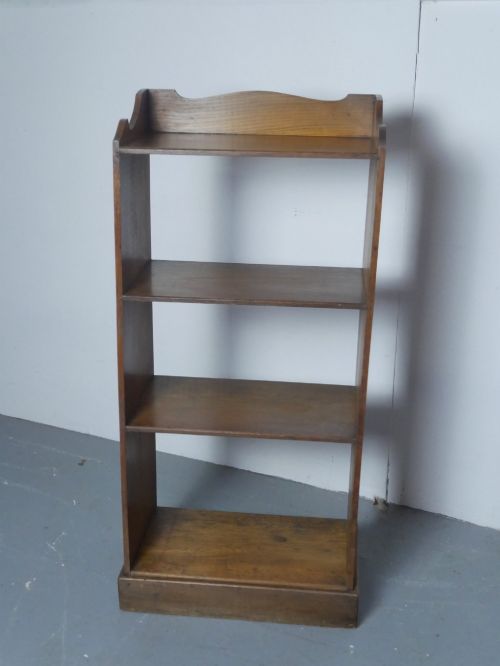
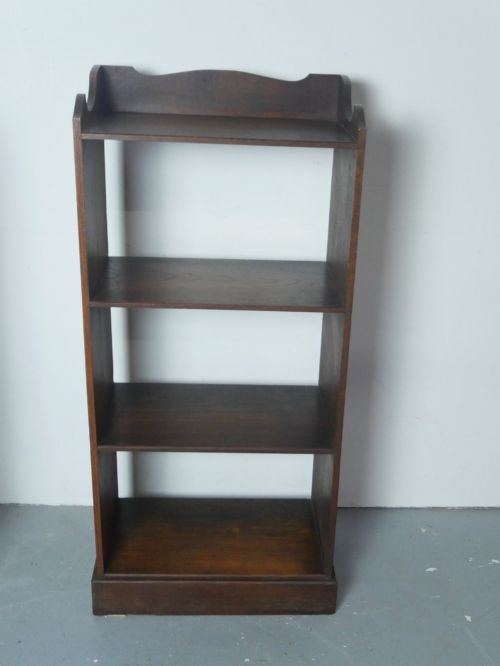
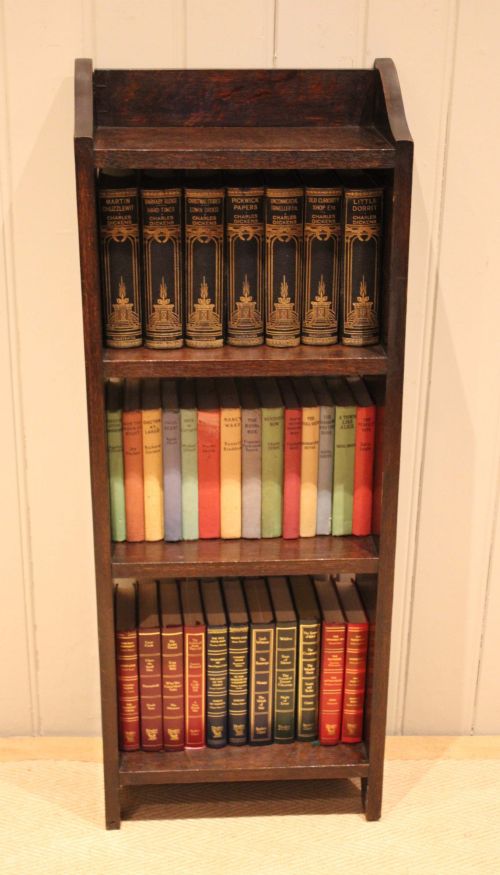
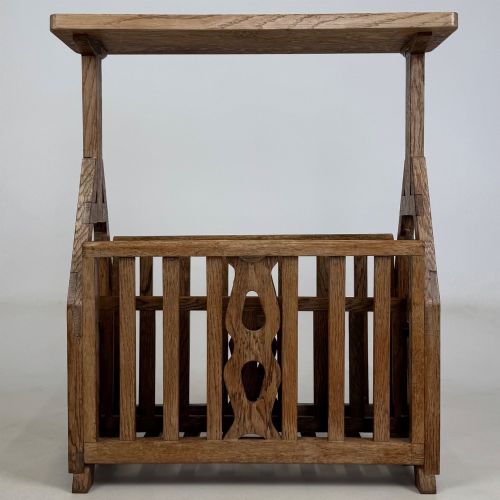
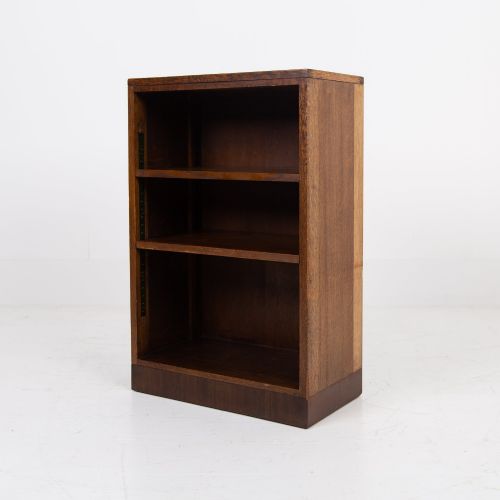
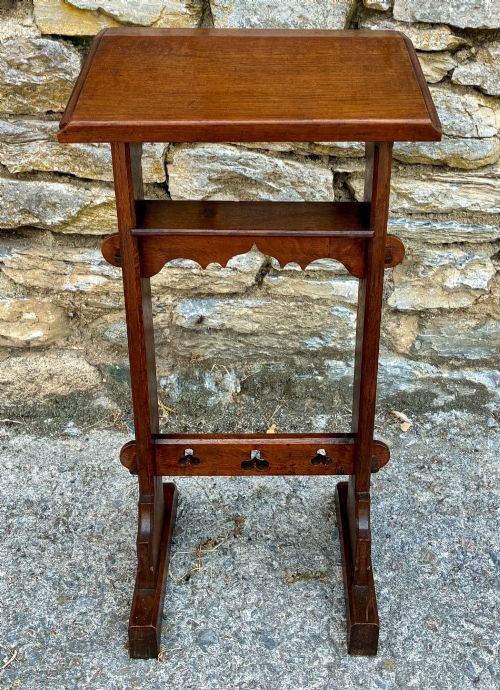
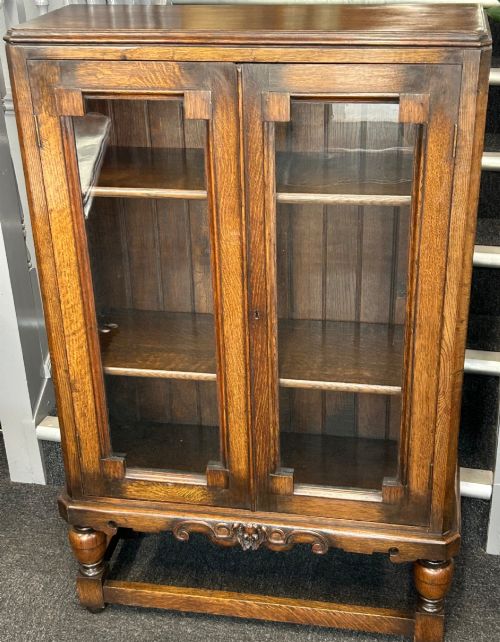
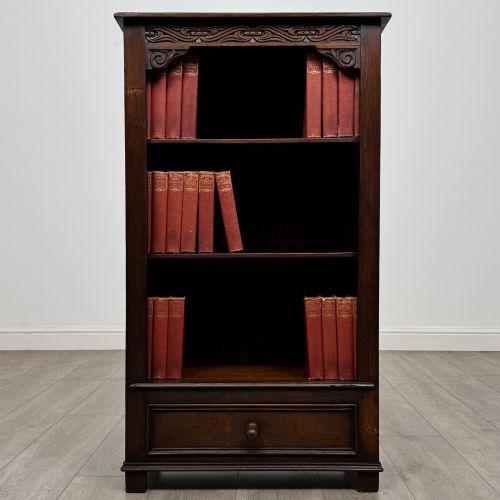
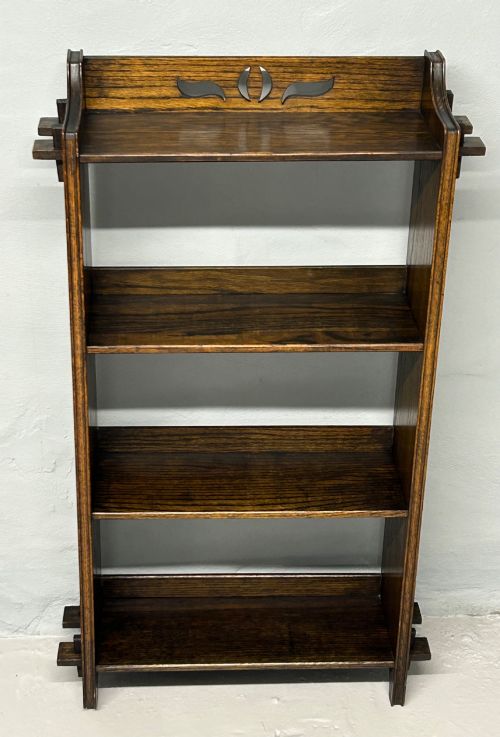
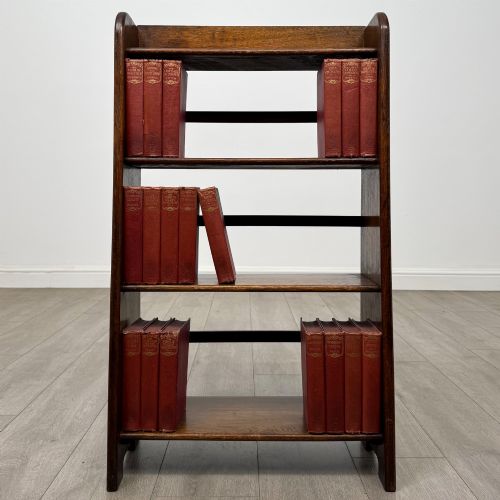
A small oak book stand serves as a compact home for reading material, taking the form of open bookshelves, desktop revolving cases, and sloping lecterns. These pieces sit comfortably upon tables or floors, designed to organise modest collections of books within domestic spaces.
The pieces on this page span from the nineteenth century through the Edwardian era and into the nineteen-twenties and thirties. Most examples adopt straightforward open shelving or revolving formats rather than large enclosed libraries.
Judging quality
Quality rests in the selection of the timber and the crispness of the joinery. Finer pieces display carefully chosen grain patterns, well-fitted shelves, and thoughtful proportions that feel balanced rather than heavy.
The distinction between standard items and superior examples also lies in stylistic detailing, such as carved mouldings, galleries, or movement in revolving mechanisms that operates smoothly without wobble.
Design styles represented include Arts and Crafts, Gothic Revival, Jacobean Revival, and Edwardian traditionalism.
The Small Oak Book Stand Glossary
- Revolving bookcase
- A small desktop or floor-standing case mounted on a rotating pivot that lets a reader access books from any angle.
- Arts and Crafts
- A design style prioritising traditional craftsmanship, visible construction, and simple forms derived from natural materials.
- Gothic Revival
- An architectural and decorative style drawing on medieval forms, featuring pointed arches and structural vigour.
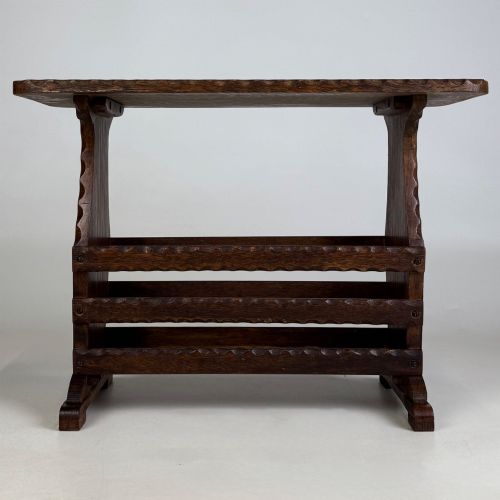
- Book trough
- A low, open wooden stand with slanted sides designed to hold a small selection of books upright on a table.
Small Oak Book Stand: Frequently Asked Questions
How do I place a revolving bookcase?
These compact pieces fit neatly beside a favourite armchair or upon a sturdy desk where books require constant access.
Ensure the surrounding floor space allows the rotating section to turn freely without striking adjacent furniture.
What periods do these pieces represent?
The selection spans from the late nineteenth century through the Edwardian period into the nineteen-twenties and thirties.
Stylistic influences range from Gothic Revival and Jacobean Revival to the clean lines of the Arts and Crafts movement.
How should I clean oak furniture?
Dust the wood regularly with a dry, soft cloth to prevent the accumulation of grit within the grain and carved details.
Avoid silicone polishes, applying traditional beeswax occasionally to nourish the timber and maintain its natural lustre.
Are these stands suitable for heavy volumes?
Most small stands are built to support standard octavo volumes and everyday reading material rather than massive heavy folios.
Check the depth of the shelves and the stability of the base before loading them with exceptionally dense books.