




Small Mahogany Specimen Cabinet
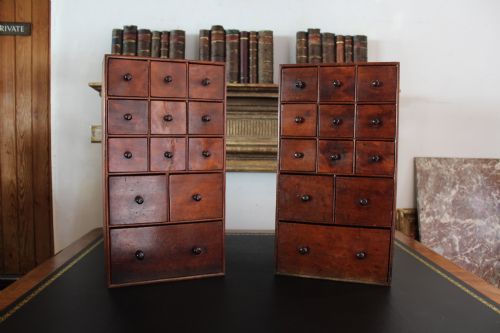
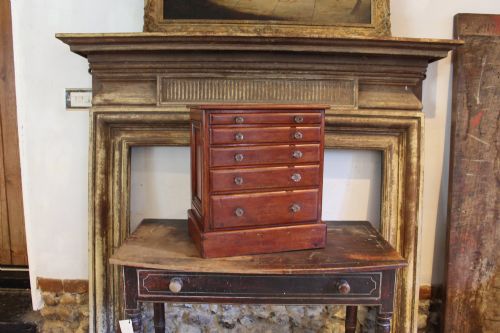
A small mahogany specimen cabinet organises tiny treasures, displaying natural history specimens or small curiosities within compact, beautifully grained timber proportions.
Small Mahogany Specimen Cabinet
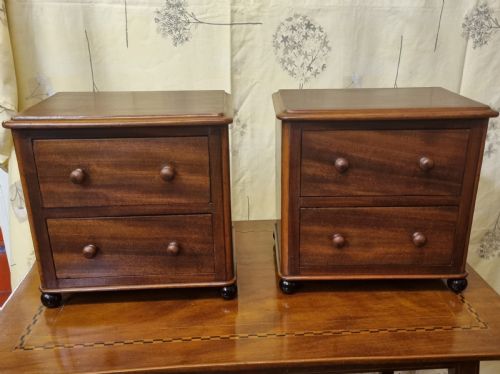
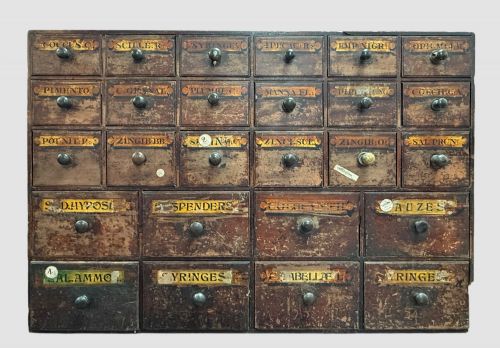
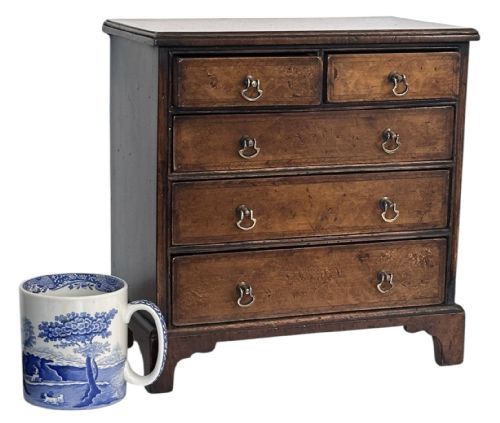
When you search for a small mahogany specimen cabinet, you encounter miniature chests of drawers, tabletop display cases, and compact apothecary banks originating primarily from the Georgian, Victorian, and early twentieth-century periods. These table top chests and collectors cabinets served various specialised storage needs, from housing homeopathic remedies and clock repair parts to preserving natural history collections.
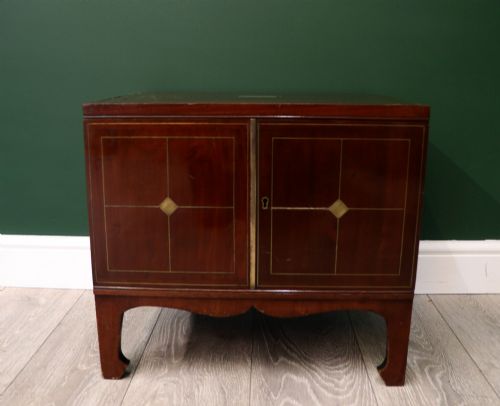
The pieces on this page appear in diverse forms, including miniature Wellington chests, campaign style drawer sets with brass handles, and glass-fronted display cases. Most examples utilise solid mahogany timbers, though related woods such as walnut, pine, and oak also emerge across the listed inventory.
How they were made
Cabinet makers constructed these small cabinets predominantly from mahogany, frequently incorporating brass drop handles, brass inlays, and glass panels for display doors. Secondary timbers such as pine and oak appear in drawer linings and internal framing.
Joinery techniques reflect period standards of miniature cabinet making, requiring precise small-scale dovetailing for drawers and secure housing for glass fronts in display cases and specimen cabinets.
One tiny chest likely spent its days holding tiny watch cogs before finding a second career housing modern paperclips.
What varies in quality
Quality in these miniature cabinets is determined by the selection of timber, particularly the grain and rich colour of the mahogany, alongside the crispness of any brass inlay or drop handles. Superior examples display refined proportions and careful attention to internal drawer construction.
The Small Mahogany Specimen Cabinet Glossary
- Specimen cabinet
- A piece of furniture designed with multiple shallow drawers to store and organise natural history samples, coins, or small collectables. They protect delicate items from dust and light.
- Miniature chest of drawers
- A scale model or apprentice piece built to replicate full-sized case furniture with working drawers. These items demonstrate the cabinet maker's skill at a reduced size.
- Wellington chest
- A tall, narrow chest of drawers secured by a hinged locking pilaster bar on one side. This locking mechanism holds all drawers shut simultaneously.
- Campaign style
- Portable furniture designed for travel, featuring recessed brass handles, protective brass corners, and sturdy construction. These pieces unscrew or pack down easily for transport.
- Apothecary chest
- A set of small drawers utilised by chemists and doctors to store medical ingredients, remedies, and instruments. They often feature numerous small compartments.
Small Mahogany Specimen Cabinet: Frequently Asked Questions
What were small mahogany specimen cabinets used for?
These cabinets stored natural history specimens, geological samples, insects, coins, and small delicate curiosities. Collectors used the shallow drawers to organise and protect classified items.
Over time, similar tabletop chests found use among apothecaries, clock repairers, and jewellers for keeping small tools and components orderly.
How do I identify a Victorian specimen cabinet?
Victorian examples typically date between eighteen thirty and nineteen hundred, showing denser mahogany timbers and standard period drawer construction. They frequently incorporate glass display doors or brass drop handles.
Stylistic cues align with nineteenth-century cabinet making, distinguishing them from earlier Georgian pieces and later twentieth-century productions.
Where should I place a tabletop chest in a room?
Tabletop chests suit desks, sideboards, or console tables where their detailed proportions remain visible at eye level. They function effectively as focal points in studies or libraries.
Keep these cabinets away from direct sunlight and strong heat sources to protect the mahogany finish and prevent timber warping.
How do I tell Georgian cabinets from later pieces?
Georgian specimen cabinets display lighter framing, elegant proportions, and cabinet-making techniques characteristic of the eighteenth century. They often feature finer drawer linings and understated brass hardware.
Victorian and later nineteenth-century versions tend toward heavier proportions, more robust glass framing, and standardised brass campaign mounts or drop handles.