


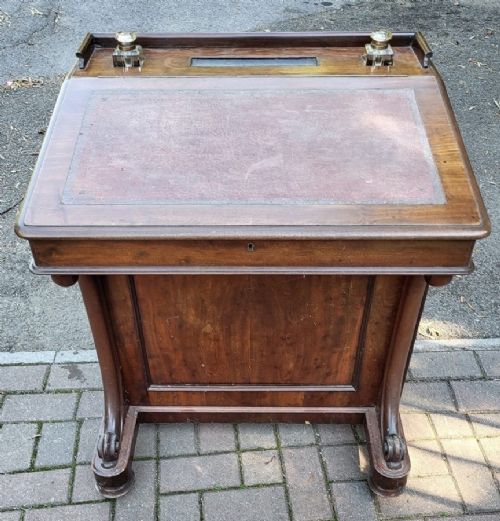
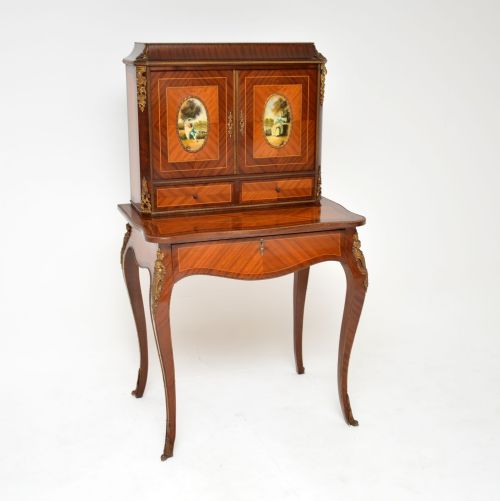
Small Mahogany Bureau
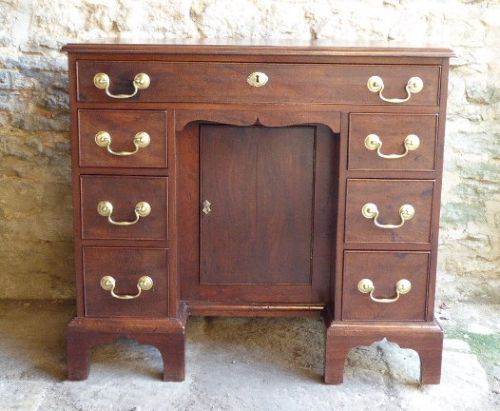
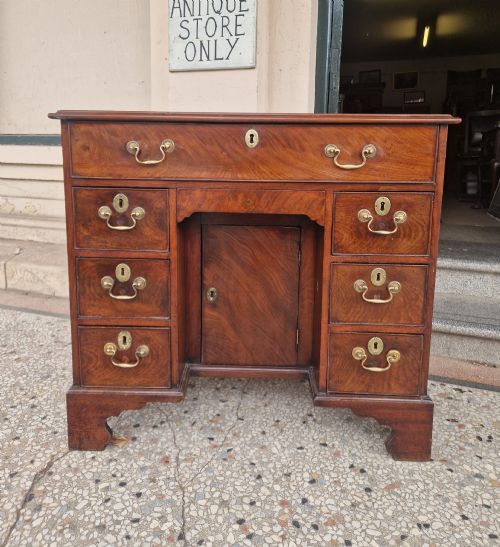
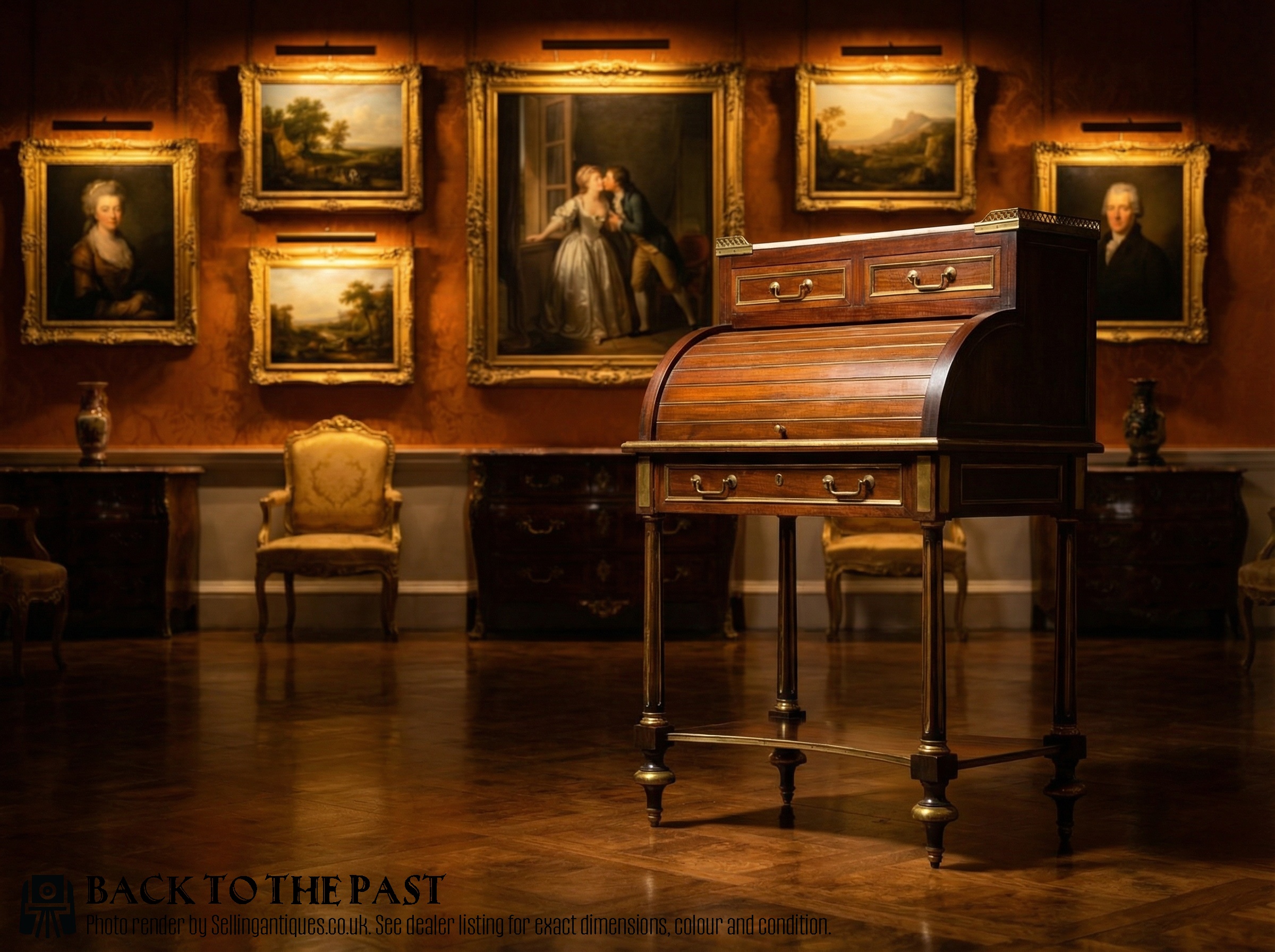
A small mahogany bureau brings functional 18th-century writing space and compartmented storage into compact domestic interiors.
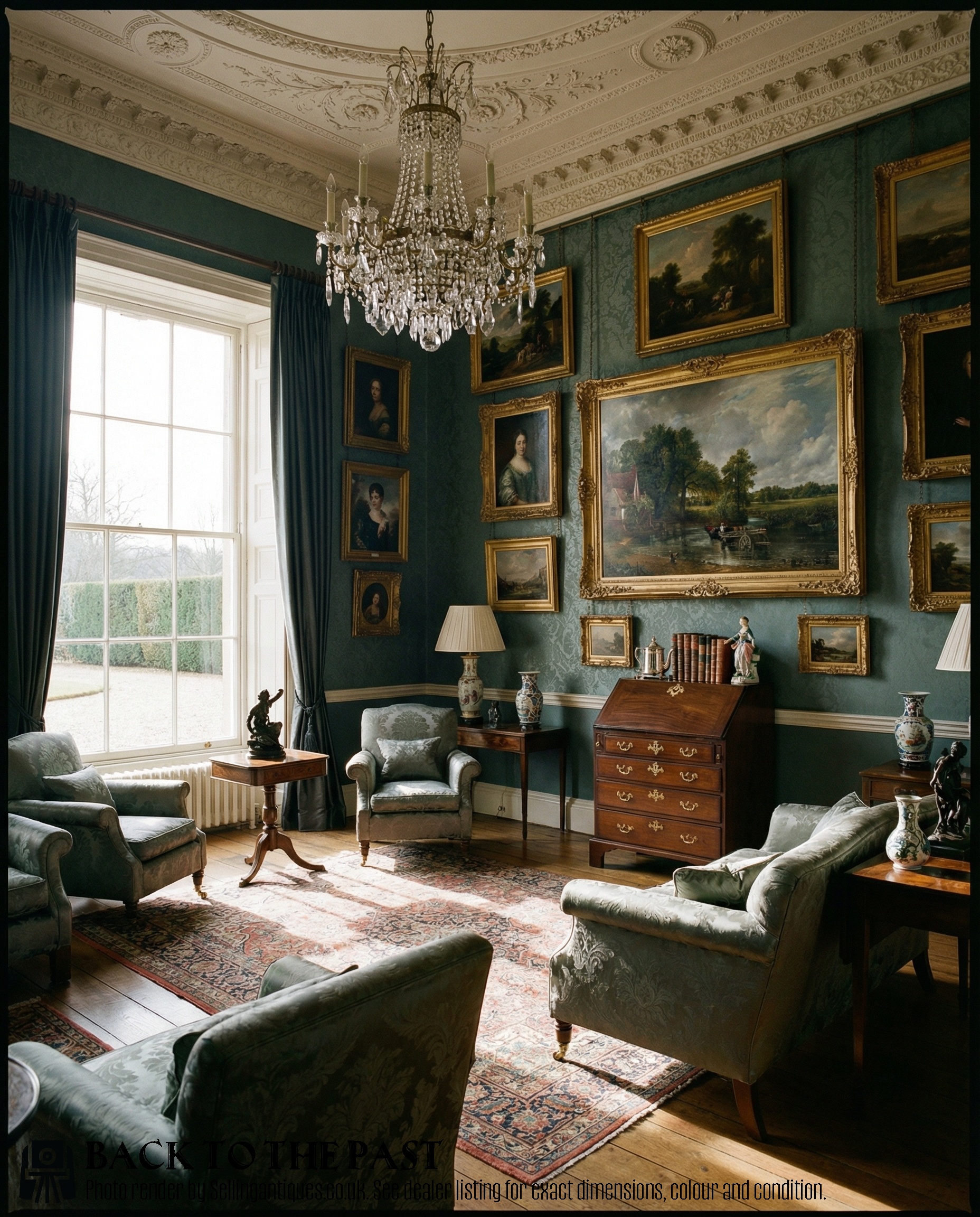
Small Mahogany Bureau
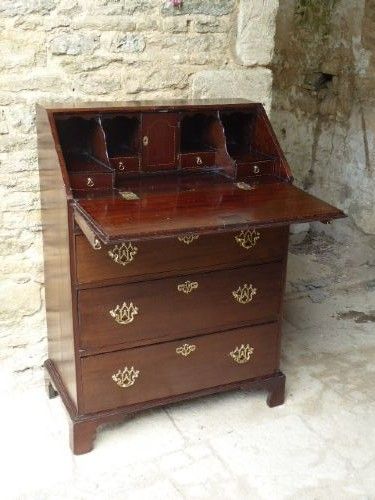
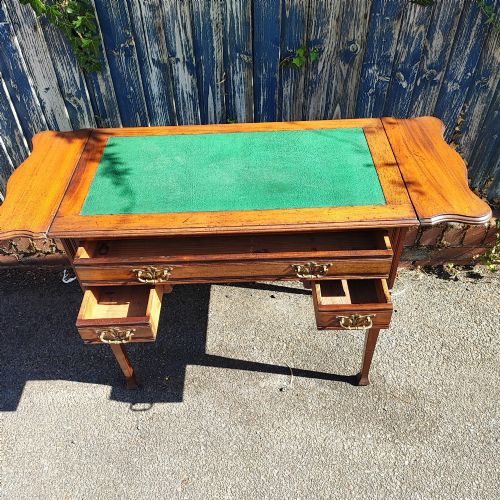
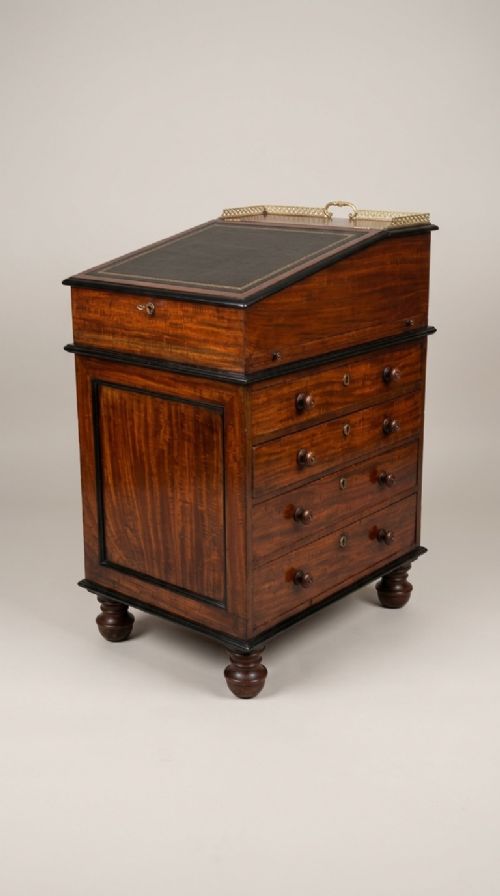
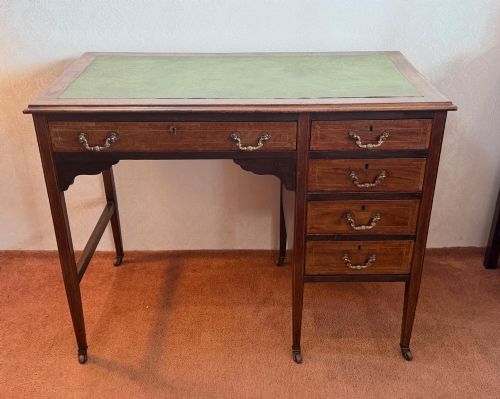
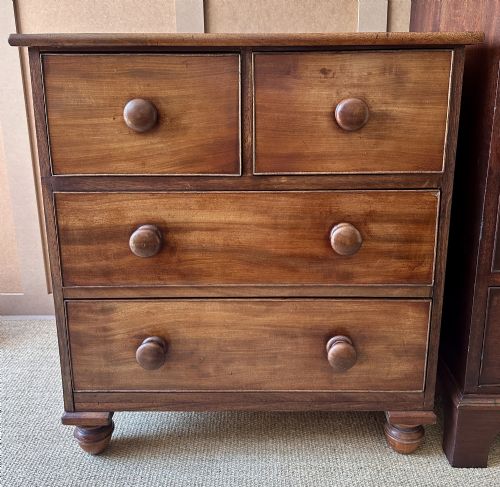
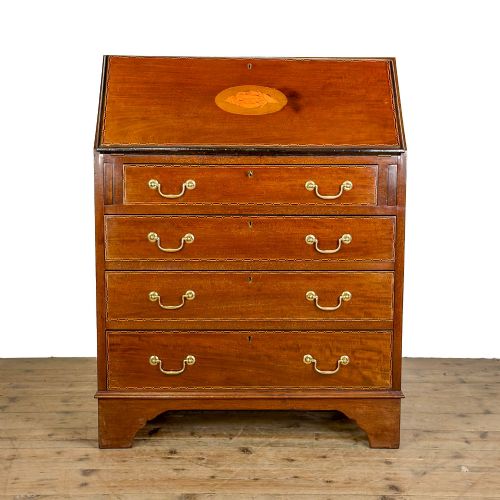
A small mahogany bureau comprises a sloping fall-front writing flap that opens to reveal internal drawers and pigeonholes above lower drawer banks or stands.
The pieces appearing most frequently span the Georgian, Victorian and Edwardian periods, alongside later revival and writing table variations.
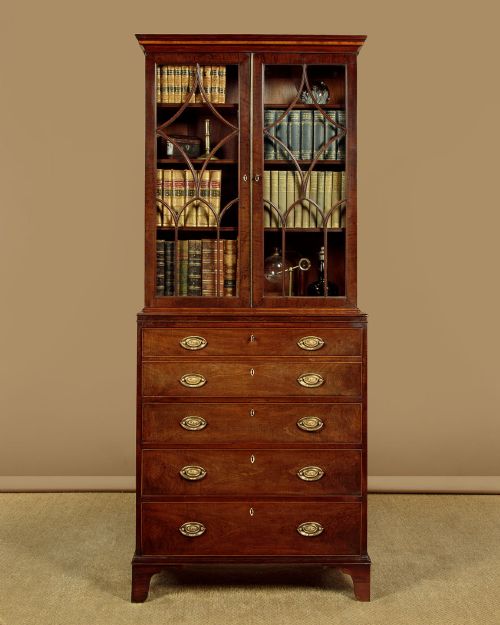
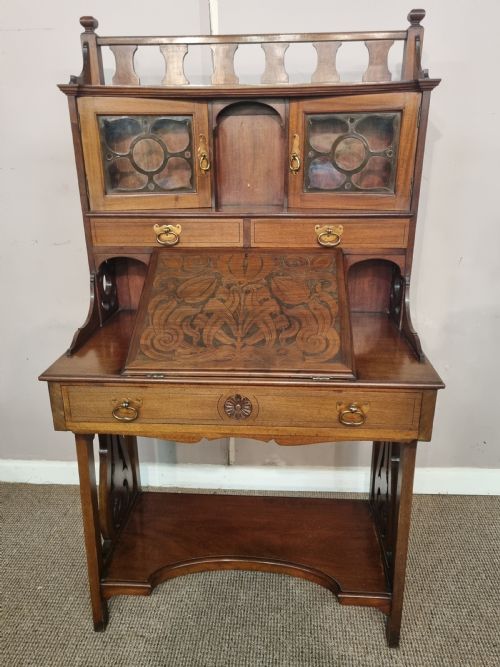
Makers and cabinetmakers produced these desks in proportions suited to smaller rooms, ranging from full bureau bookcases to compact hall variations.
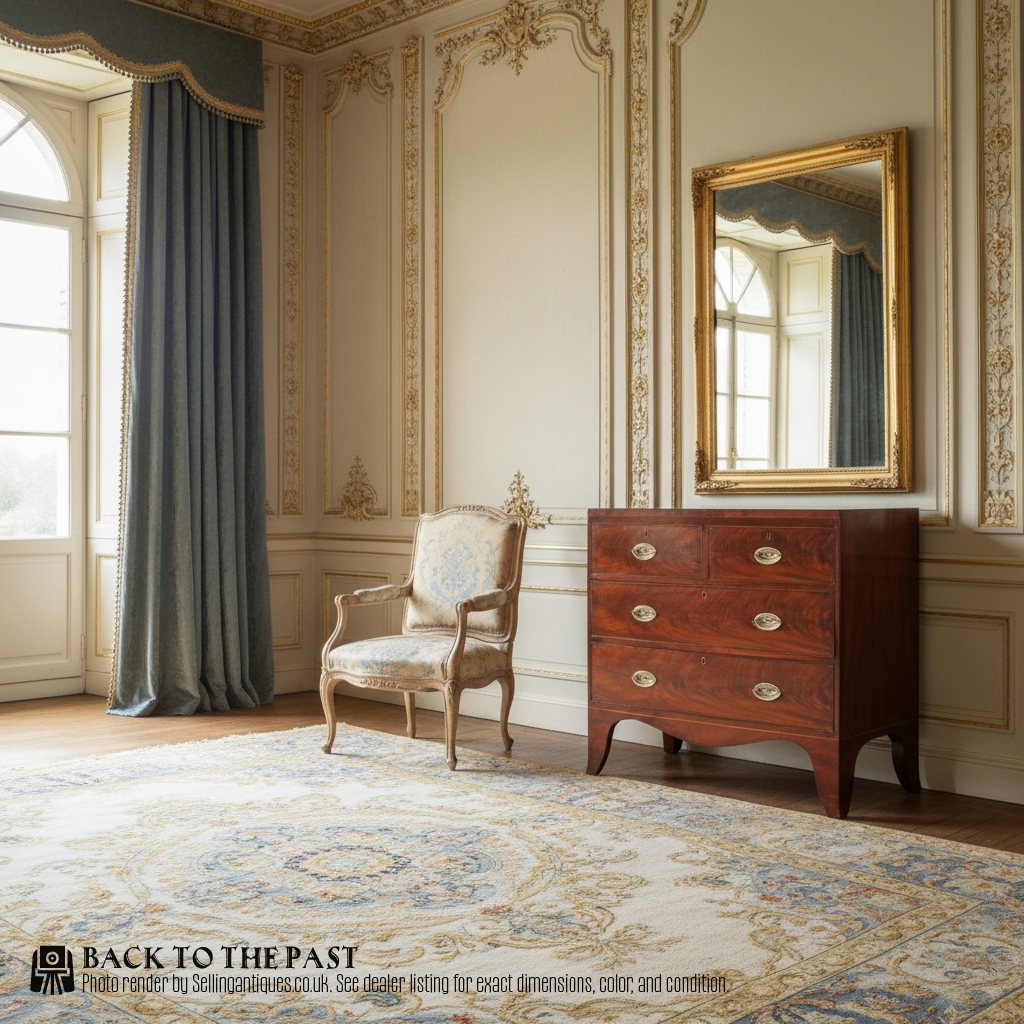
Materials and construction
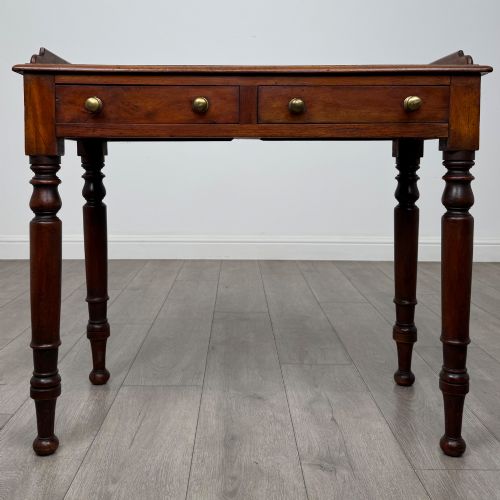
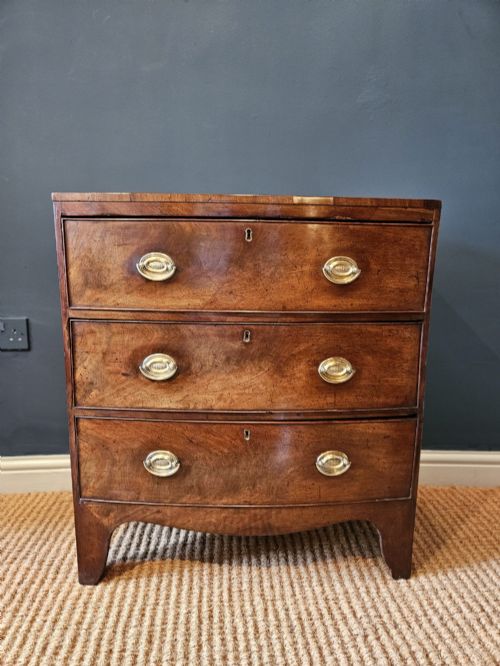
Makers constructed these desks primarily in solid and veneered mahogany, frequently incorporating secondary timbers such as oak and pine.
Detailing often included satinwood inlay, brass handles and escutcheons, leather writing inserts, and French polish finishes.
Small Mahogany Bureau Retail Price Guide 2026
Typical asking prices for small mahogany bureau among the pieces listed under this phrase on Sellingantiques today, from the lower quarter to the upper quarter. They describe what is for sale here now, not the wider market.
Evaluating quality and proportion
Quality rests upon the selection of figured mahogany timber, the crispness of inlaid banding, and the retention of original brass hardware.
Construction integrity is demonstrated by fine dovetailing on drawer carcases and well-fitted internal stationery compartments.
Gillows of Lancaster
The Small Mahogany Bureau Glossary
- Bureau
- A writing desk featuring a sloping fall-front lid that conceals internal compartments and small drawers.
- Secretaire
- A cabinet or bookcase containing a pull-down writing drawer or fitted fall-front writing section.
- Davenport
- A compact pedestal desk with a sloped, hinged writing surface, originating in the Regency period.
- Bonheur du Jour
- A light lady's writing desk featuring a tiered superstructure with drawers or shelves above the work surface.
- Escritoire
- A writing cabinet or bureau designed for correspondence and storage of papers.
Small Mahogany Bureau: Frequently Asked Questions
What fits inside a small bureau?
The interior typically contains pigeonholes for letters and small stacked drawers for stationery. These compartments remain concealed when the fall-front flap is closed.
Additional storage sits within the main drawer chest below the writing surface.
How do I date an 18th-century bureau?
Dating relies on carcass construction, timber choice, and foot styles such as bracket feet or ogee feet. Georgian pieces often display dense mahogany grain and hand-cut dovetails.
Secondary woods like oak inside the drawers also indicate the manufacturing period.
Where should I place a bureau?
These compact desks suit reception rooms, studies, or hallways where floor space is limited. The drop-down flap requires clearance only when actively writing.
Positioning the desk away from direct sunlight protects the mahogany finish and leather inserts.
What is a bureau bookcase?
A bureau bookcase combines a writing desk base with an upper shelving or cabinet section enclosed by glass or wooden doors. This tall form maximises vertical storage capacity.
Georgian and Regency examples often feature adjustable shelving within the upper glazed cabinet.