



Small Heriz Carpet
When you search for a small heriz carpet, you are looking at durable Persian village weaving from the northwest regions created around the turn of the twentieth century.
Small Heriz Carpet
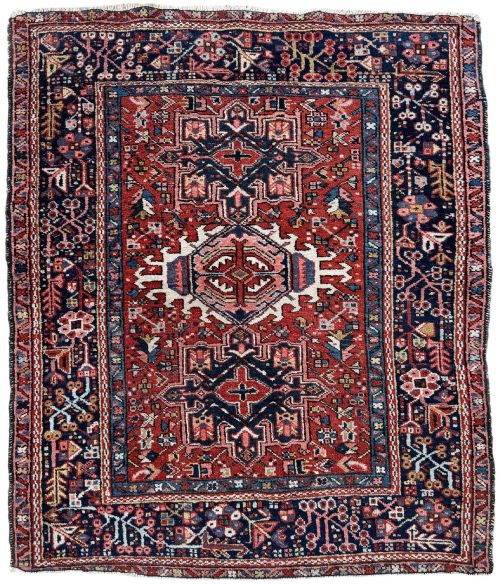
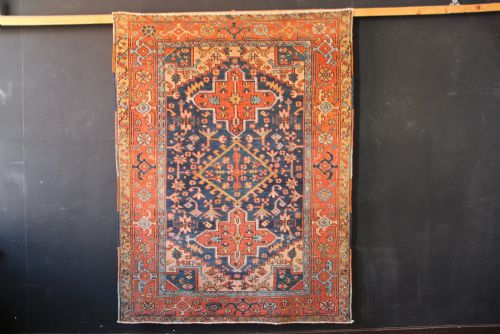
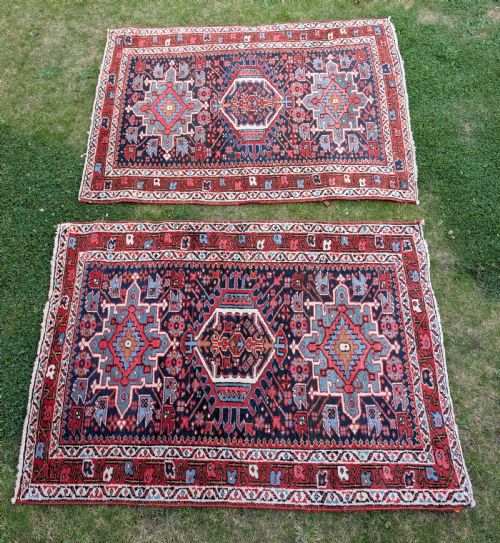
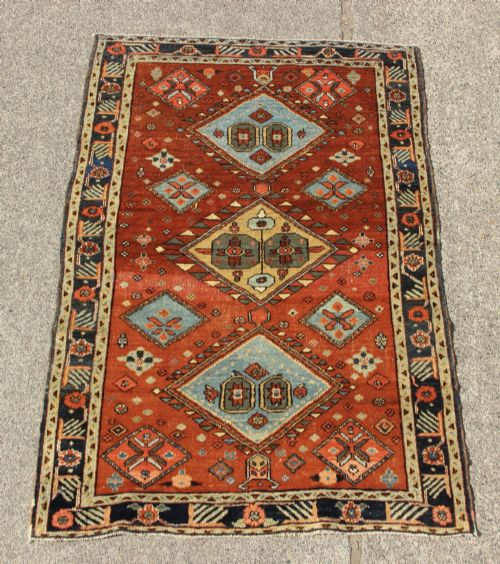
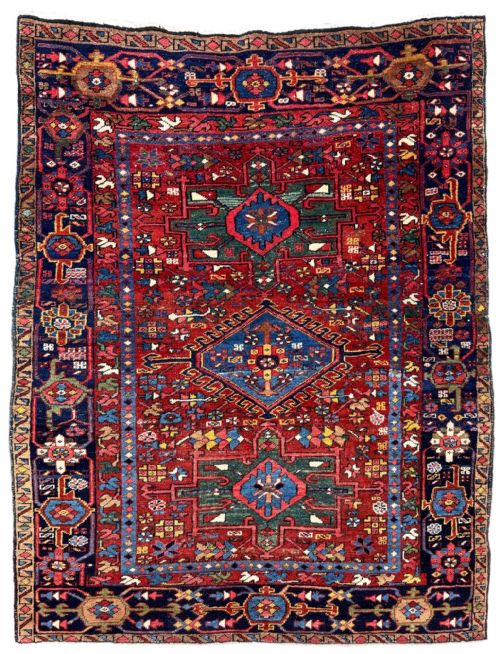
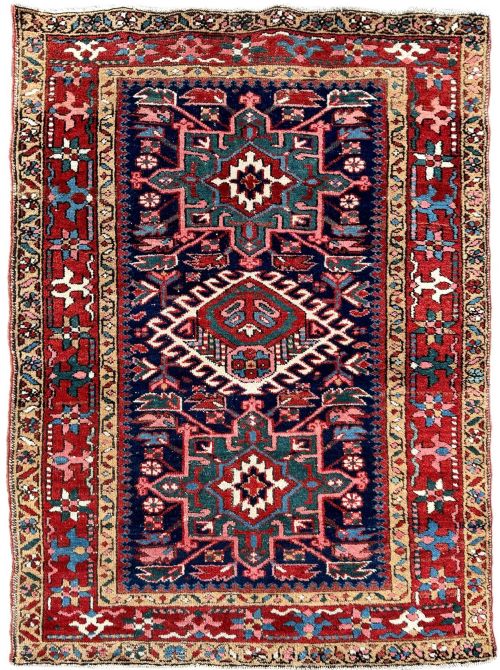
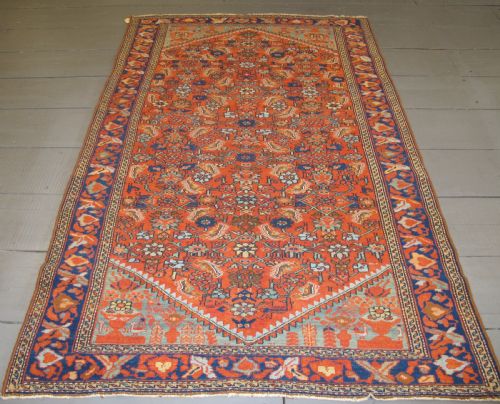
A small heriz carpet is a traditional floor covering originating from the Heriz region in northwest Persia, often produced in village workshops and homes during the late nineteenth and early twentieth centuries. These pieces typically display geometric room-size formats, distinct central medallions, and sturdy formats that suit modern interior layouts.
The pieces appearing on this page span the 1890s through the 1930s, encompassing related regional weaving styles such as Karaja, Karadja, and Bakshaish. Buyers will find rugs and carpets ranging from intimate scale scatter sizes up to room-size formats featuring all-over designs or star medallions on ivory and coloured grounds.
Materials and construction
These carpets are constructed using wool piles knotted onto cotton warps, utilising hand-spun wool for the surface yarns that give the textiles their characteristic dense weight and structure. The combination of durable wool and cotton foundations allowed village weavers to produce resilient floor coverings designed for heavy daily use.
Weavers in the Heriz district employed sturdy geometric knotting techniques, often incorporating robust vegetable dyes into the wool before weaving. This material makeup accounts for the longevity found across nineteenth-century and early twentieth-century examples.
Small Heriz Carpet Retail Price Guide 2026
Typical asking prices for small heriz carpet among the pieces listed under this phrase on Sellingantiques today, from the lower quarter to the upper quarter. They describe what is for sale here now, not the wider market.
Some weavers playfully squeezed an extra star motif into the corner because the border left just enough room.
Distinctions in quality
Quality in a small heriz carpet rests upon the fineness of the knotting, the balance of the geometric design, and the vibrancy or depth of the wool coloration. Pieces with well-rendered star or small medallions and unusual border configurations demonstrate superior workshop execution.
The handling of the hand-spun wool and the crispness of the geometric drawing distinguish standard village production from finer regional examples. The integrity of the cotton warp foundation also dictates the structural longevity of the textile.
The Small Heriz Carpet Glossary
- Heriz
- A region in northwest Persia known for producing geometric carpets with strong central medallions and durable cotton foundations. These rugs often feature stylized floral and botanical motifs rendered in bold angles.
- Karaja
- A style of rug from a neighbouring village in the Heriz district, frequently featuring distinct geometric medallion repeats and rich saturated colours. They share material traits with broader Heriz productions.
- Bakshaish
- An earlier village variant from the Heriz area, recognised by more open, whimsical geometric designs and muted earth tones. These pieces date predominantly to the nineteenth and early twentieth centuries.
- Cotton Warp
- The vertical foundational threads running the length of the carpet upon which the wool knots are tied. In these rugs, cotton provides structural stability compared to all-wool foundations.
Small Heriz Carpet: Frequently Asked Questions
Where were small heriz carpets made?
These carpets were produced in the Heriz district located in northwest Persia. The region encompasses various villages and workshops.
Weavers in this area utilised local wool and traditional geometric designs passed down through generations.
How do I date a small heriz carpet?
Dating relies on examining the specific wool texture, dye palette, and structural characteristics such as the cotton warp. Pieces on this page predominantly date from the late nineteenth century up through the nineteen-thirties.
Earlier examples often display hand-spun wool with softer vegetable-derived colours, while later pieces show shifts in chemical dye use and tighter commercial weaving.
Are these carpets suitable for heavy traffic?
The dense wool pile and sturdy cotton warp construction make these floor coverings exceptionally durable for daily use. Their original purpose was practical flooring in active rooms.
Placing an appropriate underlay beneath the rug helps protect the foundational structure from premature wear over time.
What is the difference between Heriz and Karaja rugs?
Heriz carpets typically feature large, dominant central medallions with rigid geometric framing and structured corners. Karaja rugs often present repeating geometric figures or multiple smaller medallions across the field.
Both types share the same northwest Persian geographic origin and robust material construction.