


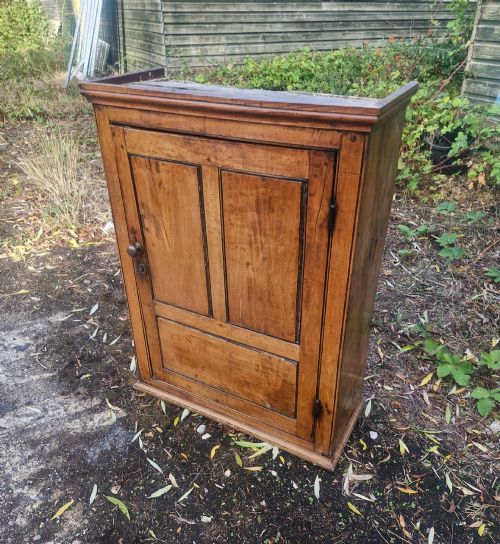
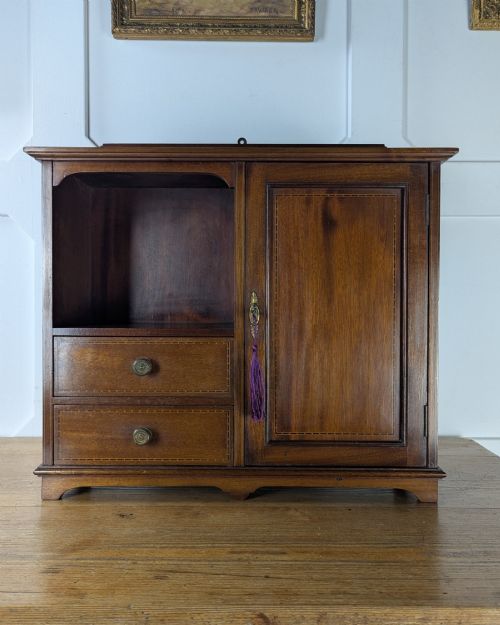
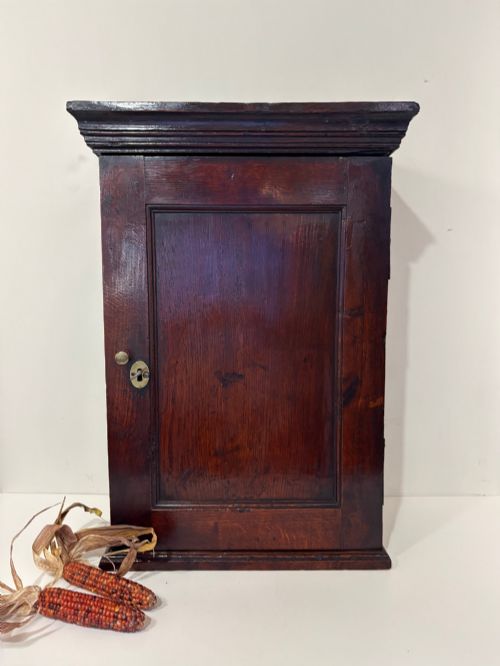
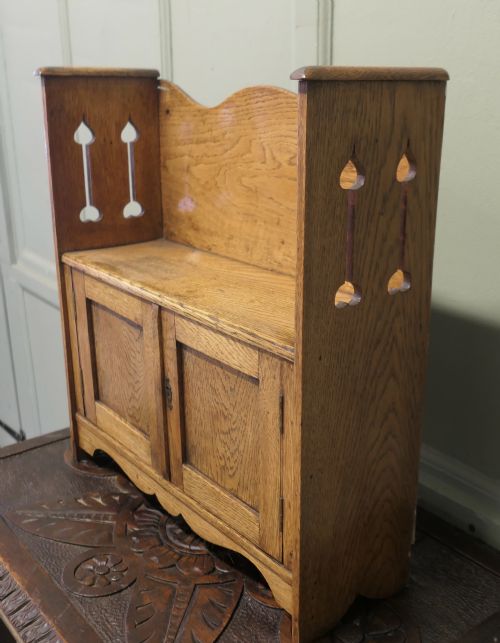
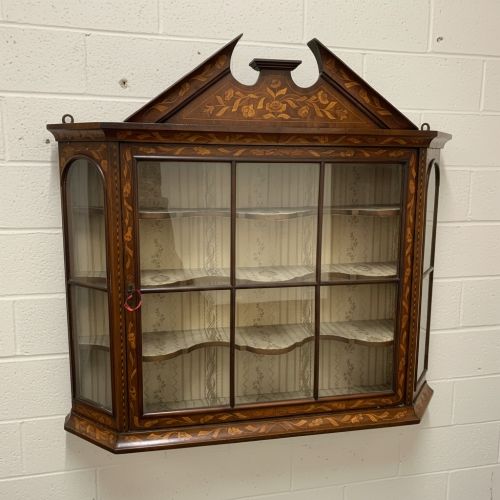
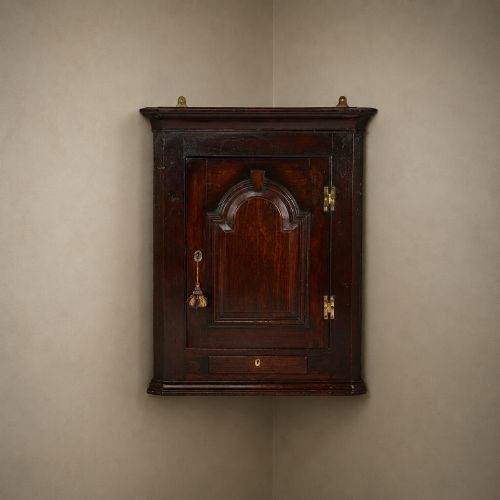
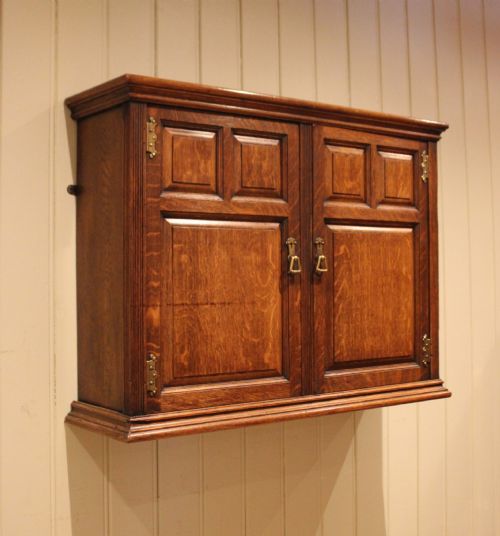
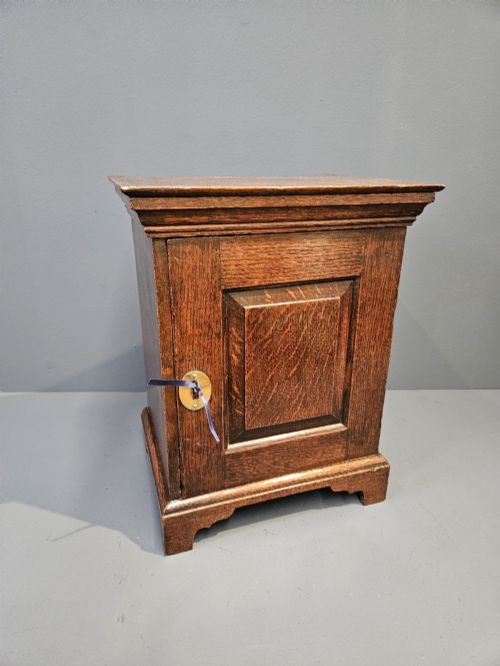
Small Hanging Cupboard
When you want a small hanging cupboard, you are looking at wall-mounted storage built from oak, mahogany, or pine across several centuries.
Small Hanging Cupboard
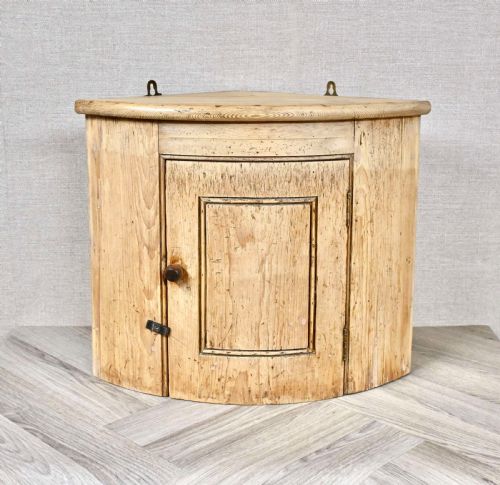
A small hanging cupboard provides compact wall storage, frequently taking the form of a corner cupboard designed to fit neatly into domestic rooms. These pieces serve to keep provisions, spices, or household items off the floor while utilising neglected corner spaces.
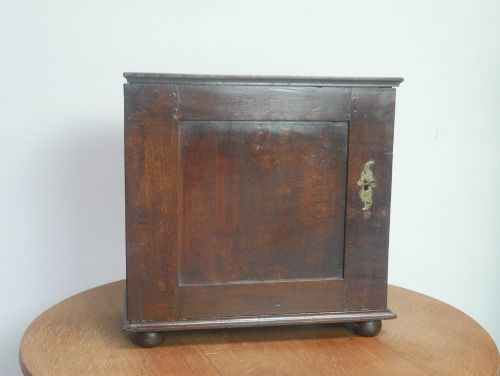
The versions most commonly found here date from the Georgian and Victorian eras, alongside 18th-century oak examples and Edwardian variations. They appear as flat-backed wall cabinets, spice cupboards, and glazed display units intended for domestic interiors.
How They Were Made
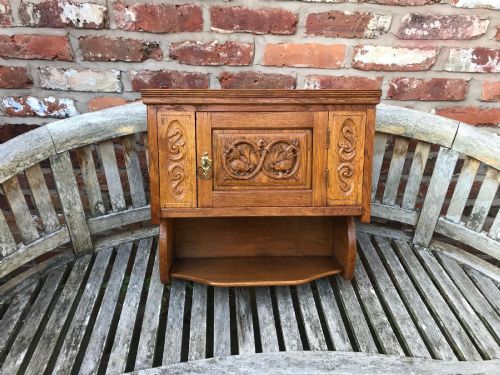
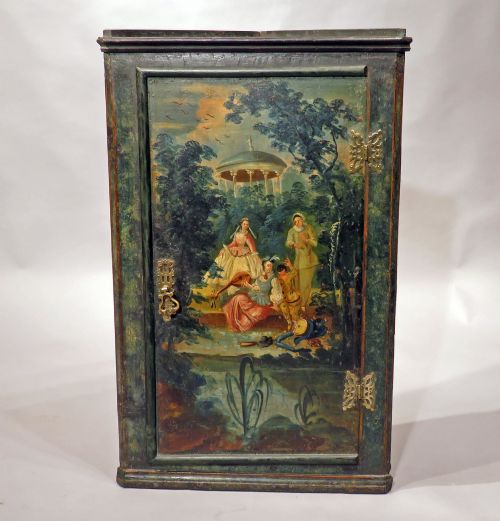
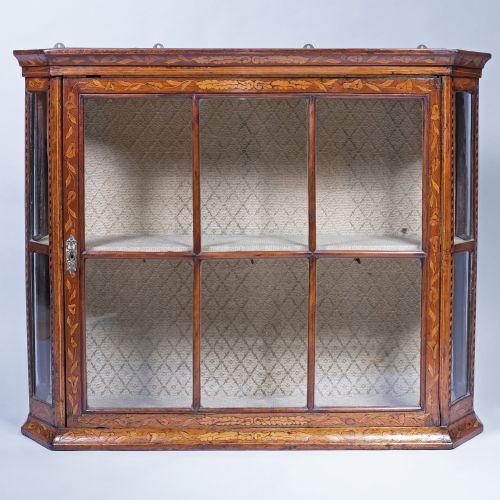
Cabinet makers utilised solid timbers such as oak, mahogany, and pine, often incorporating glass panels for display or brass for hinges and key escutcheons. Surfaces were finished with carved detailing, marquetry, inlay, or painted treatments.
Construction methods rely on traditional joinery for wall mounting, ensuring that relatively heavy timber cabinets remain secure. Interior arrangements frequently include small drawers, fixed shelves, or specialised compartments for spices and keys.
Listings feature oak, mahogany, pine, and limewood pieces spanning the 17th century through the Edwardian era.
What Varies in Quality
Quality rests upon the choice of timber and the precision of the joinery, distinguishing utilitarian storage from refined cabinet work. Finer examples display subtle carving, harmonious proportions, and well-figured wood veneers.
The Small Hanging Cupboard Glossary
- Corner Cupboard
- A cabinet specifically constructed with an angled back to fit directly into the corner of a room.
- Spice Cupboard
- A small wall-mounted storage piece traditionally fitted with multiple tiny internal drawers for culinary ingredients and valuable condiments.
- Marquetry
- Decorative veneer work arranged in intricate patterns using various coloured woods to form pictorial or geometric designs.
- Escutcheon
- A protective plate of brass or other metal placed around a keyhole.
- Bow Front
- A convex curved cabinet front that projects outward in a smooth arc.
Small Hanging Cupboard: Frequently Asked Questions
How were small hanging cupboards used?
These cabinets served to store valuable provisions, spices, or household sundries safely above the floor. Their compact dimensions made them practical for domestic spaces where floor area was limited.
Corner designs made use of otherwise empty junctions in rooms, holding everyday items close to hand. Glazed variants later evolved to display small ceramics and glassware rather than concealed storage.
Where should I hang my cupboard?
Wall cabinets require secure fixings into solid masonry or studwork capable of supporting the weight of aged timber. Kitchens, hallways, and dining areas suit their traditional domestic origins best.
Corner placements naturally anchor these specific cupboards into room architecture. Positioning them away from direct heat sources protects the timber and historic finishes from drying out.
How do I identify a Georgian wall cabinet?
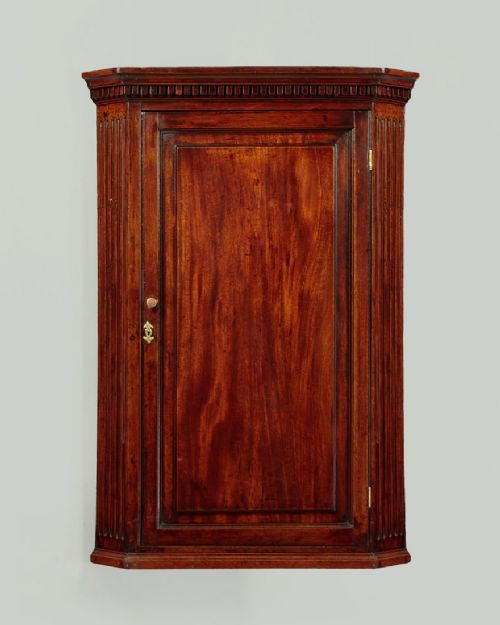
Georgian examples often feature rich mahogany or native oak timbers with restrained architectural mouldings. Brass H-hinges and panelled doors without excessive carving are typical hallmarks of this period.
Many incorporate small internal drawers or shaped shelving behind a single panelled door. Proportions remain functional yet balanced, reflecting the domestic design priorities of the eighteenth century.
What is the difference between oak and pine cupboards?
Oak pieces generally date from earlier centuries, offering dense grain and a dark, rich patina developed over generations. They tend to feature heavier construction and traditional panelled doors.
Pine cupboards frequently present painted surfaces or simpler farmhouse styling. They offer a lighter visual weight in a room and often retain historic paint layers or stripped natural finishes.