


Small Georgian Silver Tray
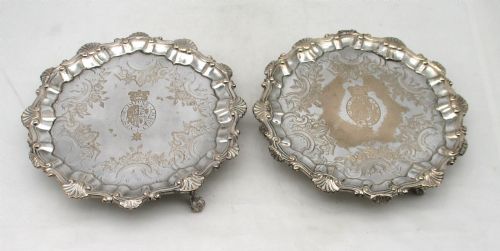
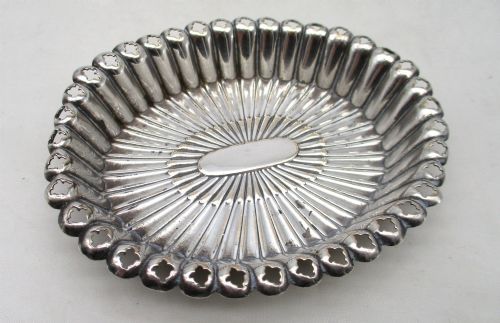
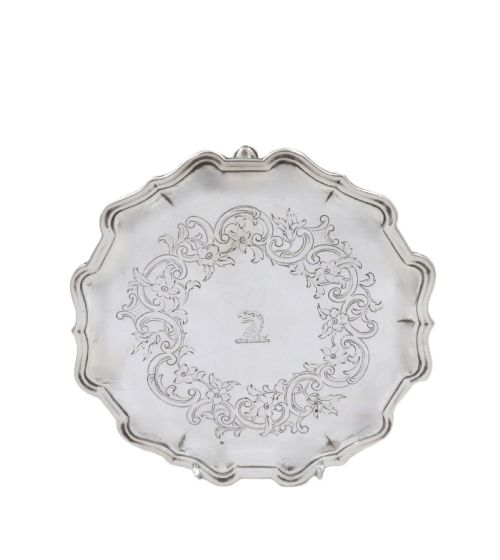
These small georgian silver tray examples span card trays, pin trays, and teapot stands in silver and Old Sheffield Plate.
Small Georgian Silver Tray
When you search for a small georgian silver tray, you are looking at compact serving pieces, card trays, pin trays, and teapot stands dating from the eighteenth and nineteenth centuries. The listings here include solid sterling silver and Old Sheffield Plate items, alongside occasional revival pieces and related small silver dishes.
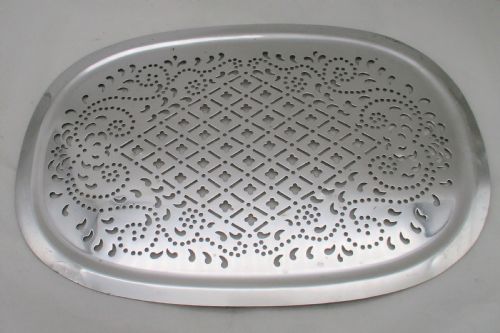
You will most frequently encounter eighteenth-century Old Sheffield Plate card trays and pin trays, as well as Georgian sterling silver pieces such as card trays and teapot stands. The selection also encompasses nineteenth-century iterations, mazarine draining plates, and related small serving items.
The forms range from circular card trays and patens to small dishes and stands, representing both domestic utility and polite social rituals of the period. These pieces reflect the material culture of Georgian and Victorian households, shaped by the prevalent styles of their respective eras.
How they were made
The material evidence shows pieces formed from sterling silver and Old Sheffield Plate, combining silver with copper substrates through fused plating techniques. Artisans shaped these metals into trays, salvers, and stands using traditional silversmithing methods.
Manufacturing methods encompassed hand-hammered silver construction and early plating processes where silver sheets were fused to copper bases. These techniques produced durable domestic objects with refined surface finishes and applied borders.
Callers left cards on these very trays, ensuring polite society could track who had visited while they were out.
What varies in quality
Quality in these pieces rests upon the crispness of the chased or engraved ornament and the preservation of the underlying metal surfaces, particularly in plated items. Weight, gauge of metal, and the integrity of applied borders distinguish superior examples from standard production.
Maker marks, clear hallmarks, and balanced proportions separate distinguished pieces by makers like William Garrard from unmarked or heavily restored items. The subtlety of edge decoration and the clarity of form indicate the level of craftsmanship involved.
William Garrard
The Small Georgian Silver Tray Glossary
- Old Sheffield Plate
- A composite material made by fusing a thin sheet of silver to a copper ingot, developed in the eighteenth century. This technique allowed makers to produce items with the appearance of solid silver at a lower cost.
- Salver
- A flat plate or tray used for serving food or drinks, or for presenting cards and letters. In these listings, salvers and card trays often overlap in scale and domestic function.
- Paten
- A small plate, usually of silver, traditionally used in ecclesiastical contexts or as a small serving dish. These items share construction methods and periods with domestic trays.
- Mazarine
- A perforated insert or draining plate used with a larger platter or dish to drain liquids from food. The surviving examples demonstrate specialised culinary uses within the period.
- Teapot Stand
- A small raised tray designed to protect furniture from the heat of a teapot. These stands reflect the domestic routines surrounding tea consumption in Georgian households.
Small Georgian Silver Tray: Frequently Asked Questions
What were small georgian silver trays used for?
These pieces served multiple domestic functions, including holding calling cards, presenting letters, and supporting teapots to protect wooden tables. Wealthy households utilised them in hallways and parlours to manage social correspondence and polite hospitality.
Card trays specifically held visiting cards left by callers, while pin trays and small dishes accommodated daily trinkets and personal items. Their compact size made them versatile accessories for various rooms within the house.
How do I identify Old Sheffield Plate?
Old Sheffield Plate is identified by observing the construction edges and looking for subtle traces of copper where the silver layer has worn thin over time. This fused dual-metal technique predates electroplating and exhibits distinct material characteristics.
Examination under magnification often reveals the sandwich structure of silver over copper, particularly around rims and feet. The weight and patination further distinguish genuine fused plate from later electroplated wares.
How do I care for silver and plated trays?
Maintenance requires gentle cleaning with non-abrasive silver polishes and soft cloths to preserve the patination and thin plated surfaces. Avoid harsh chemical dips, especially on Old Sheffield Plate where excessive cleaning can expose the underlying copper.
Storage in dry environments away from direct sunlight helps prevent accelerated tarnishing. Regular, careful handling ensures the delicate engraved details and edges remain undamaged.
How can I tell the period of a tray?
Dating relies on stylistic markers such as border decoration, form, and any accompanying hallmarks or maker marks stamped into the metal. Eighteenth-century pieces often display hand-chased motifs and distinct construction seams.
Comparing the manufacturing technique, whether solid sterling or fused plate, provides further chronological context. Archival records and documented maker timelines help narrow down the date of production.