
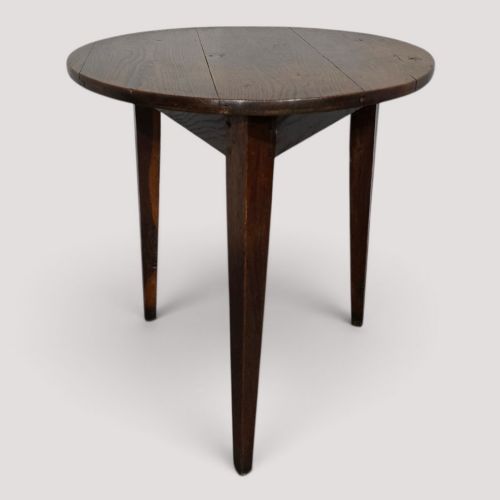
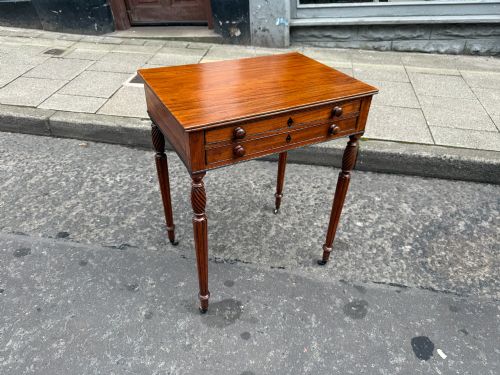
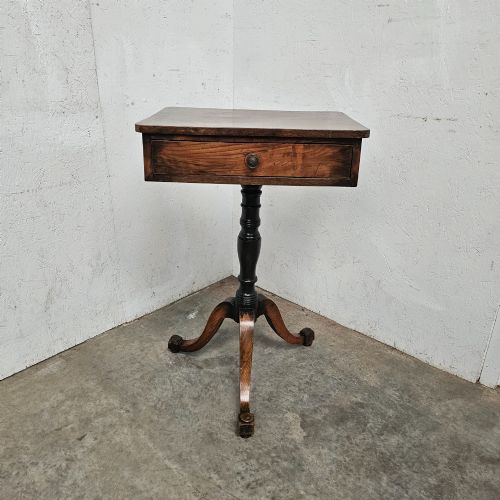
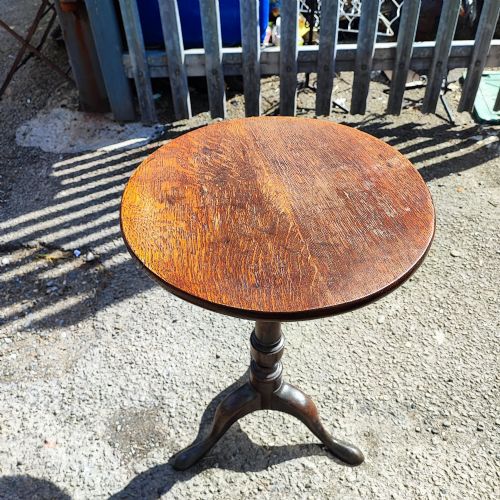
Small Georgian Occasional Table
A small georgian occasional table brings period grace and compact utility to a room, offering a surface for lamps, drinks or books.
Small Georgian Occasional Table
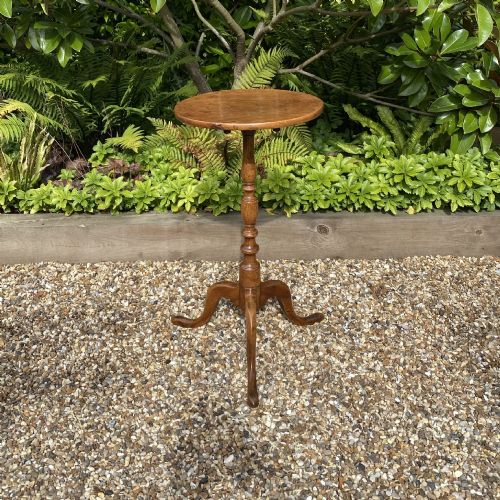
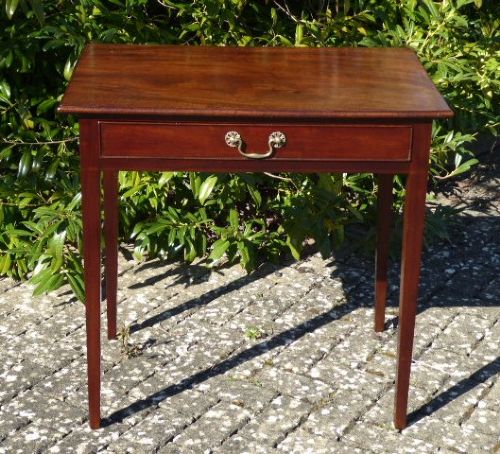
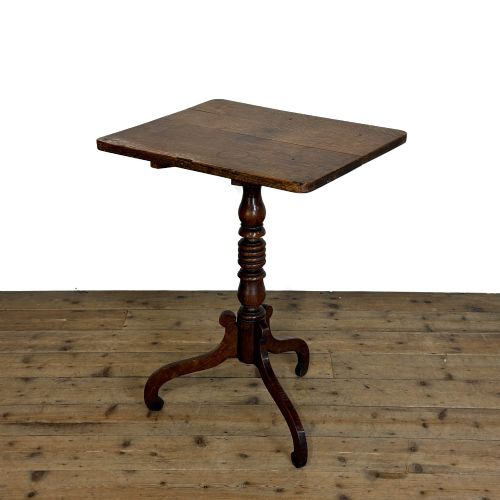
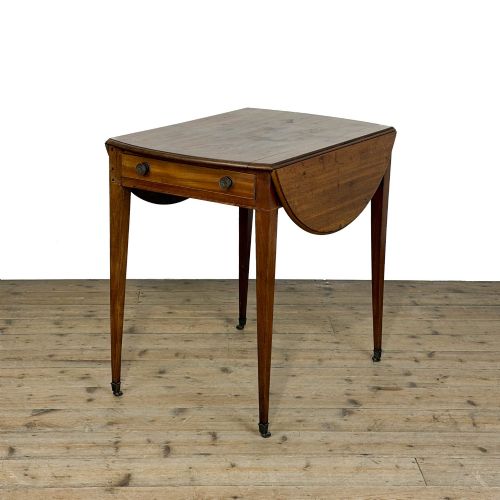
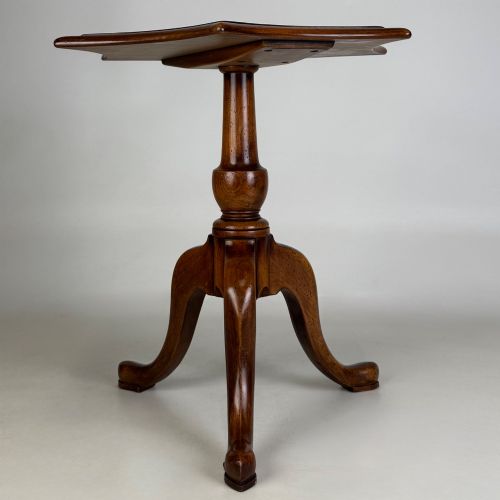
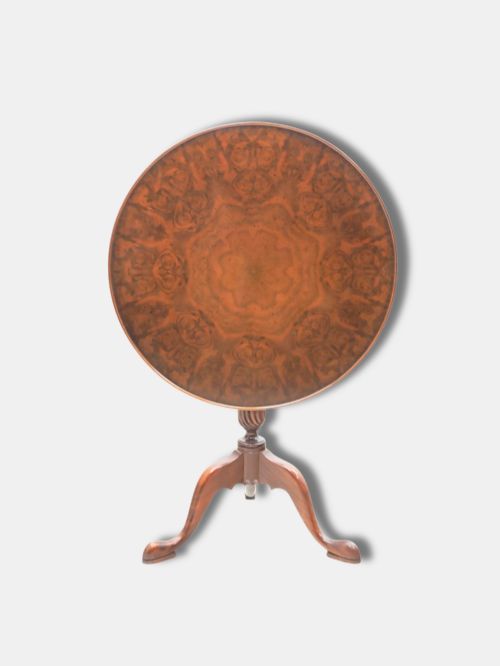
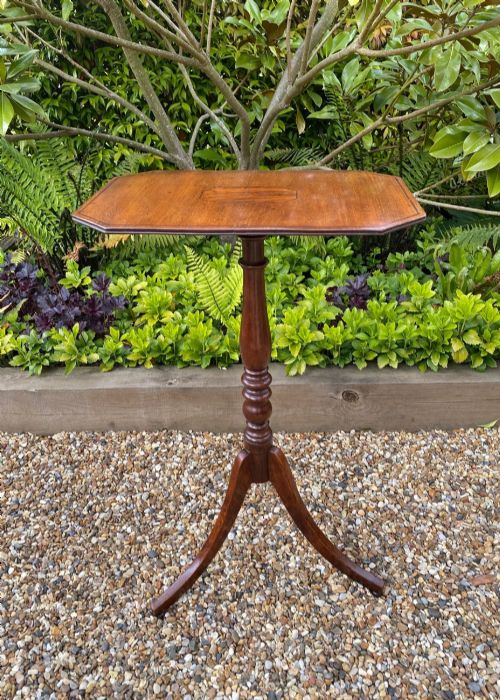
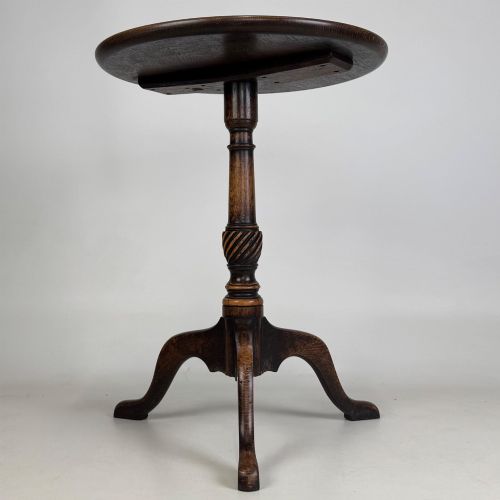
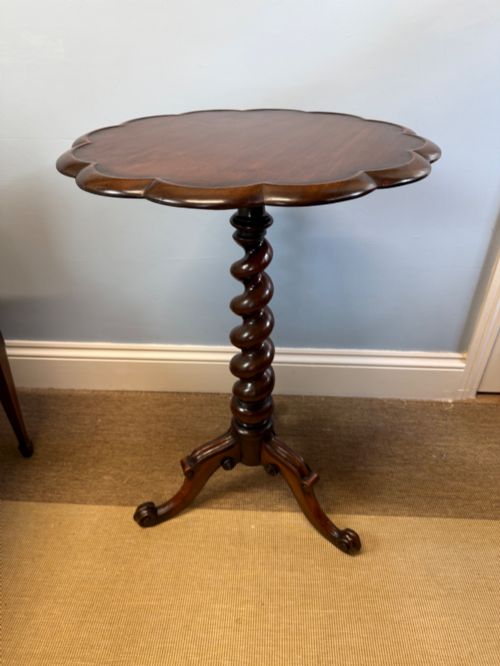
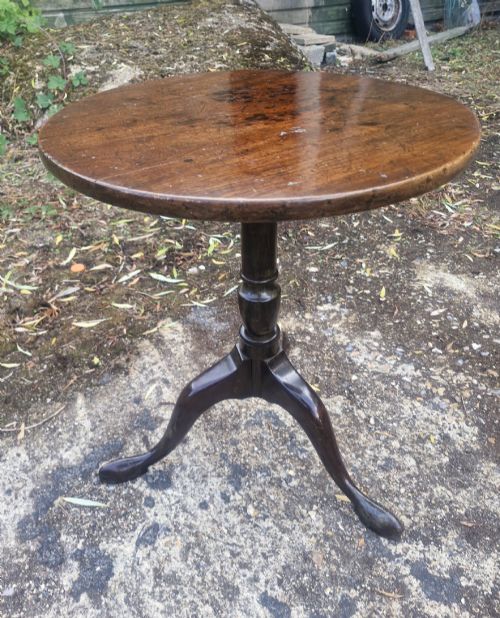
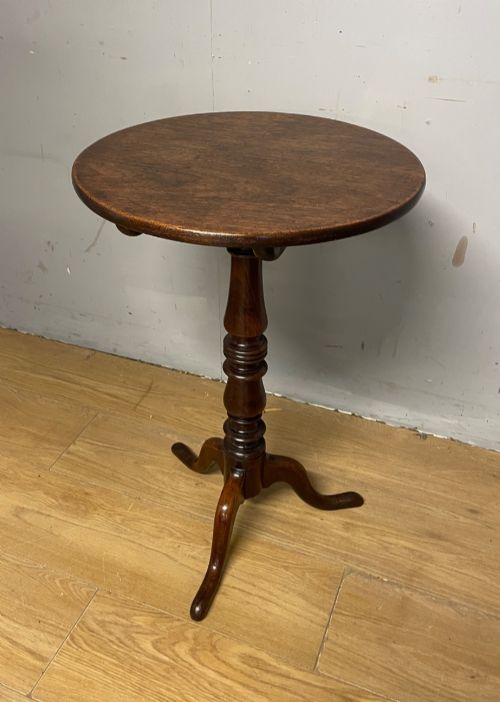
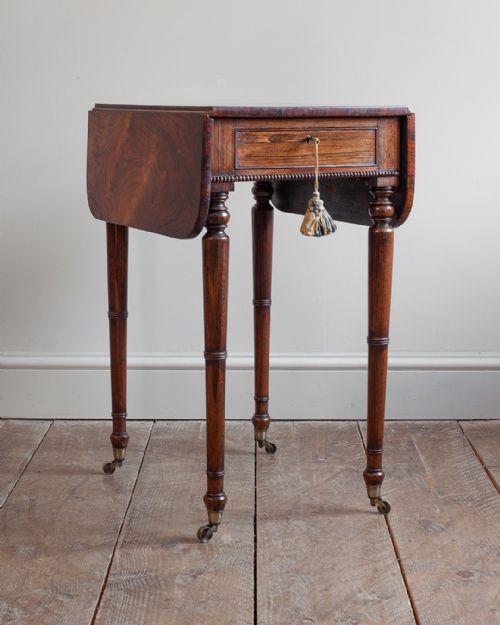
Tripod wine tables and tilt-top pedestal forms appear frequently, often constructed with circular timber tops supported by three-legged pillar bases. Buyers will also encounter drop-leaf Pembroke tables fitted with drawers and small side tables intended for specific domestic tasks such as sewing or writing.
How they were made
Cabinetmakers utilised dense timbers such as mahogany, oak, walnut and satinwood, frequently selecting figured veneers or solid planks for the table tops. Turning lathes shaped the central pedestals and legs, while hand-cut joints secured the framing elements.
Tilt-top mechanisms relied on wooden catches and metal hinges to allow the surface to pivot vertically when not in use. Inlaid details in boxwood or marquetry added surface ornamentation to select pieces.
Listings incorporate solid oak, mahogany, satinwood and walnut across forms including Pembroke tables, spider leg tables and wine stands.
What varies in quality
The refinement of the turning on the pedestal column and the elegance of the leg cabriole or splay distinguish standard utility items from finer workshop output. Timber selection dictates the visual depth of the surface, with well-figured mahogany or burr yew displaying superior grain patterns.
Construction methods also reveal tier; dovetailing within drawers, tight joinery on tripod spider legs and original operational mechanisms retain integrity far better than replacement components.
The Small Georgian Occasional Table Glossary
- Tilt top
- A table top hinged to a central pillar so it can be turned upright to save space against a wall when not in use. This mechanism often employs a birdcage block or a brass catch.
- Tripod table
- A small stand supported by a pillar above three spreading legs. These legs frequently terminate in pad feet or spade feet.
- Pembroke table
- A rectangular drop-leaf table with hinged flaps on opposite sides and usually a single drawer at one end. It originated in the 18th century as a breakfast or writing table.
- Wine table
- A small pedestal table designed to hold a decanter, glass or candle beside a chair. They often feature dished circular tops to prevent vessels from sliding off.
- Spider leg table
- A slender drop-leaf table fitted with numerous thin turned legs joined by stretchers. This construction provides stability while maintaining a lightweight appearance.
Small Georgian Occasional Table: Frequently Asked Questions
How do I use a tilt-top table in a modern room?
A tilt-top pedestal table functions well beside a sofa or armchair as a resting spot for a lamp or cup. When floor space is limited, the top can be tilted vertically to display the timber grain flat against a wall.
These pieces integrate easily into hallways or corners where a standard four-legged table would prove too obtrusive.
Are Pembroke tables suitable for daily dining?
Pembroke tables were originally built for light breakfast use or letter writing rather than heavy family meals. The drop-leaves rest on hinged wooden brackets known as flaps, which have weight limitations.
They serve effectively as writing desks or occasional surfaces in smaller rooms while retaining the flexibility to expand via their drop leaves.
How can I tell an 18th-century table from a later reproduction?
Examination of the timber fixings, drawer construction and tool marks helps determine the period of manufacture. 18th-century pieces often display hand-cut dovetails and shrinkage cracks consistent with mature oak or mahogany.
Later Edwardian or 20th-century copies of Georgian designs frequently utilise machine-cut elements and standardised hardware beneath the frame.