
George III Mahogany Tilt Top
When you search for george iii mahogany tilt top, you uncover versatile tables engineered to fold flat and save space when not in service.
George III Mahogany Tilt Top
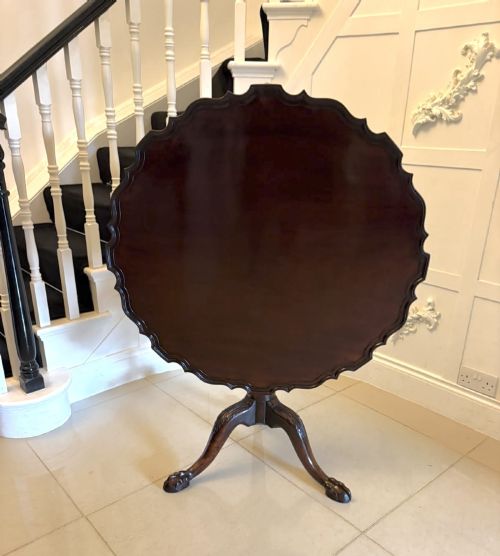
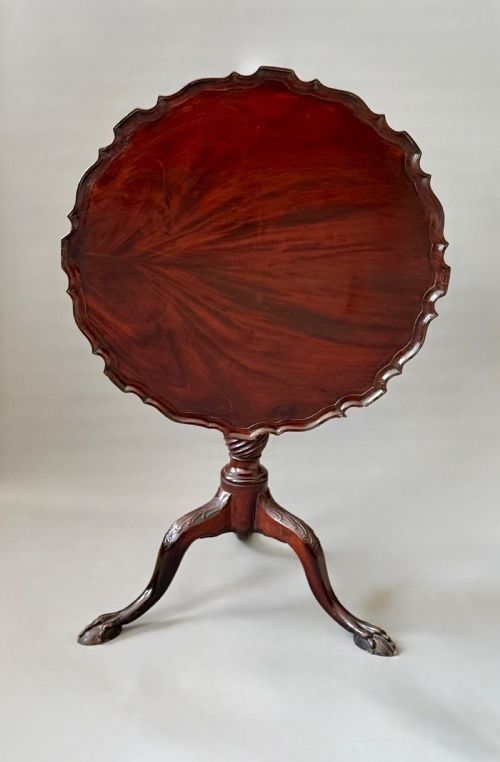
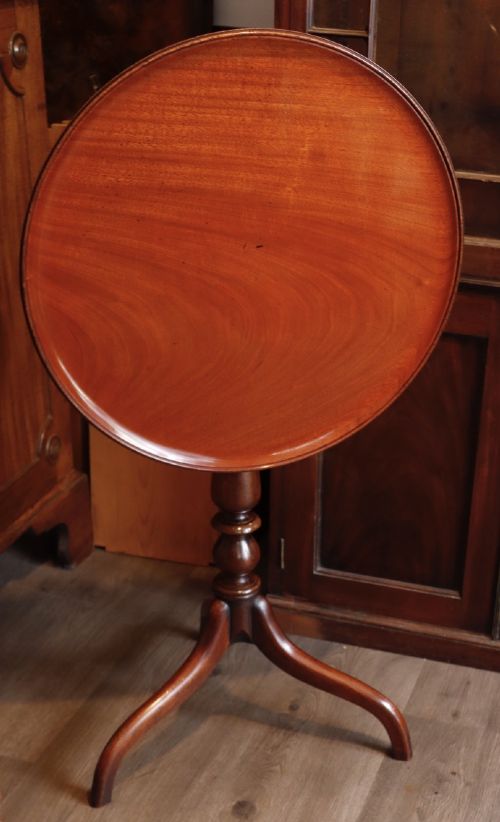
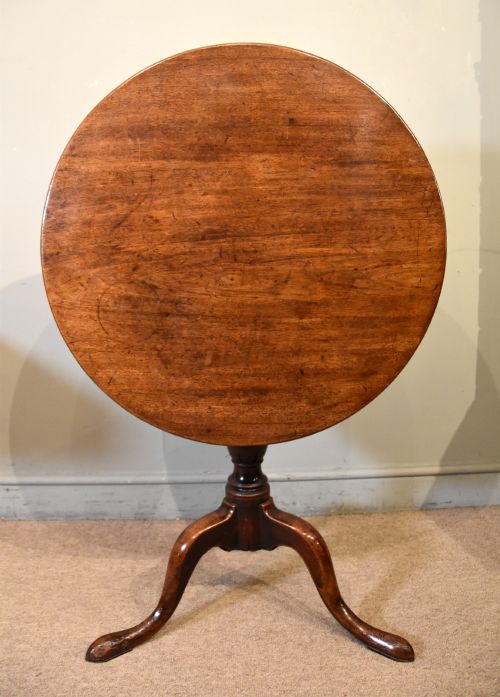
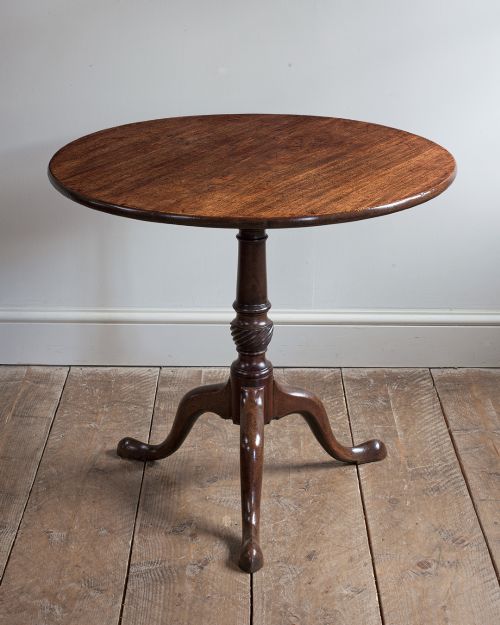
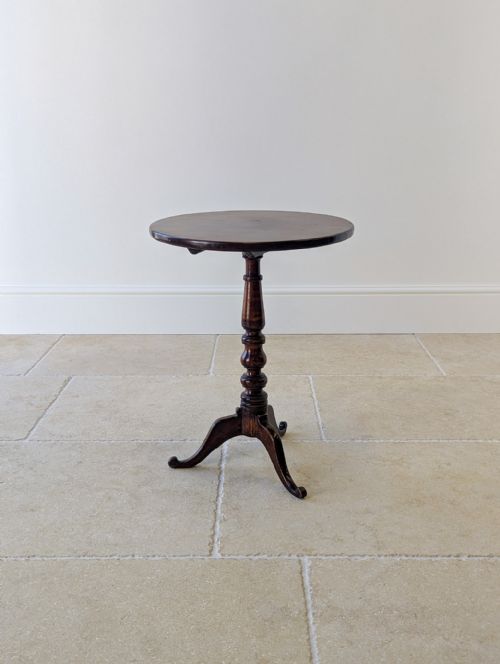
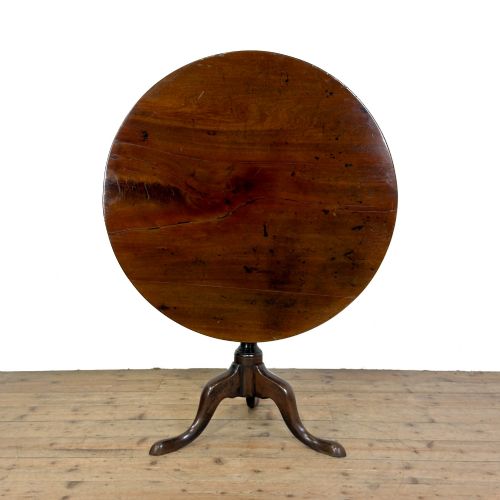
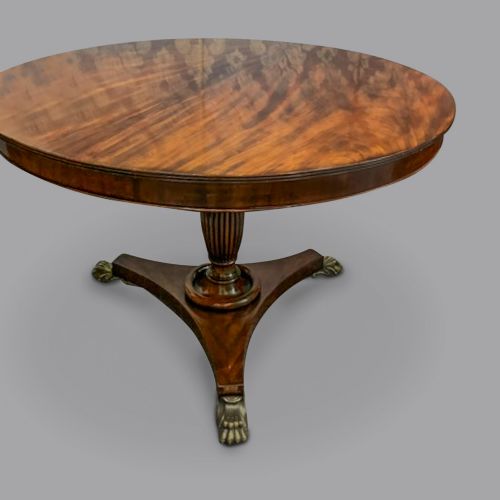
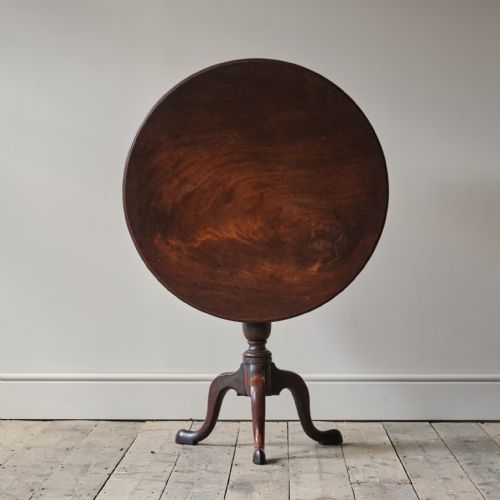
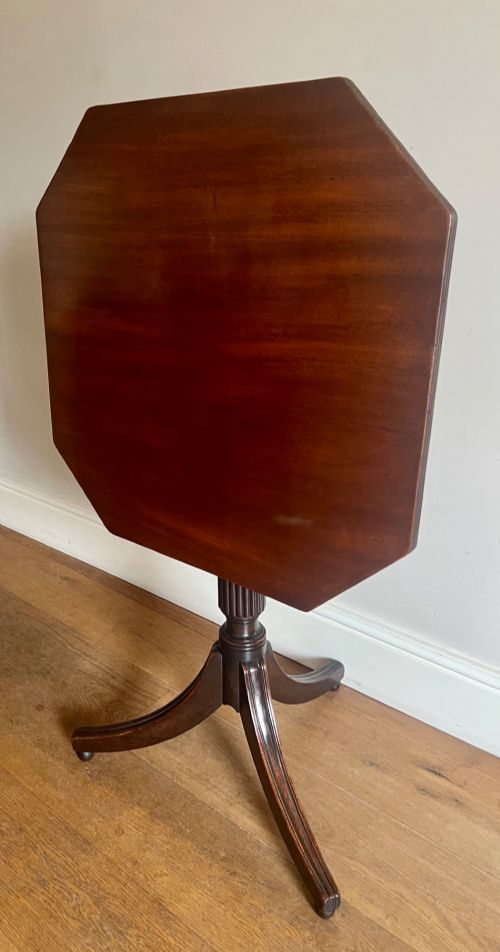
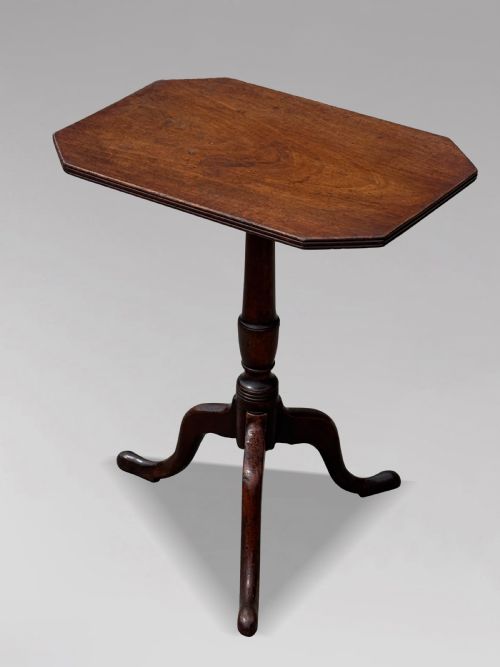
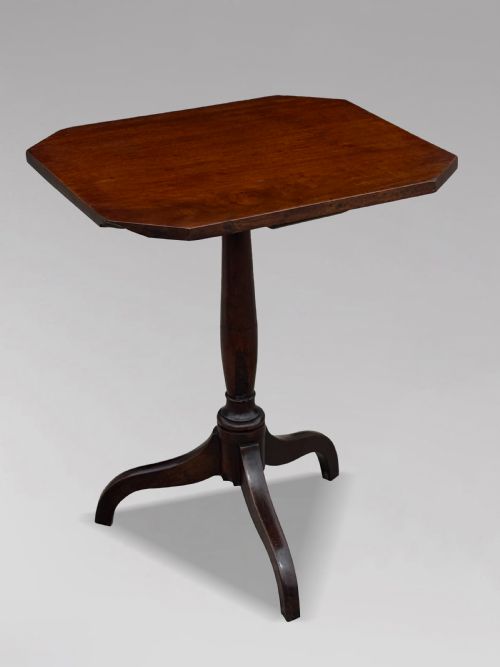
A george iii mahogany tilt top table typically appears as a tripod tea, wine, or supper table designed to rest against a parlour wall until needed. These pieces originate primarily from the eighteenth century and the Georgian period, utilising circular or octagonal tops supported by a central pillar and three legs.
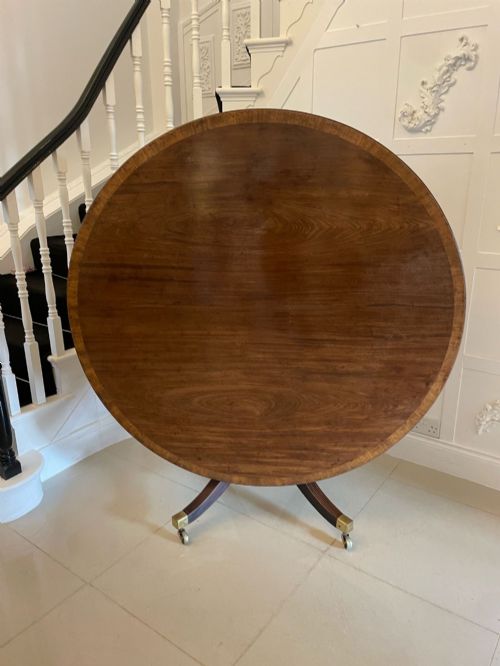
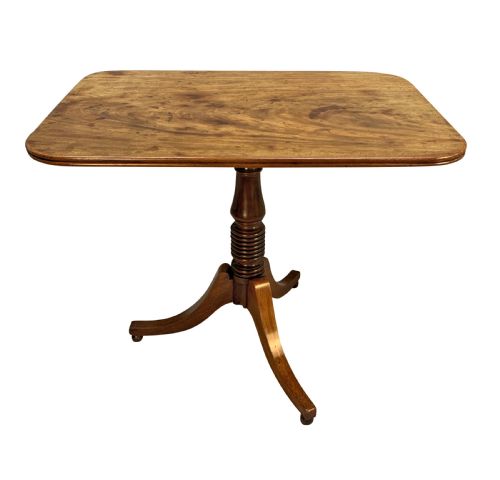
Buyers frequently encounter smaller occasional and lamp tables alongside larger breakfast or centre dining tables that seat several guests. The mechanism allows the top to hinge vertically via a catch, a practical space-saving device for domestic interiors.
Materials and Technique
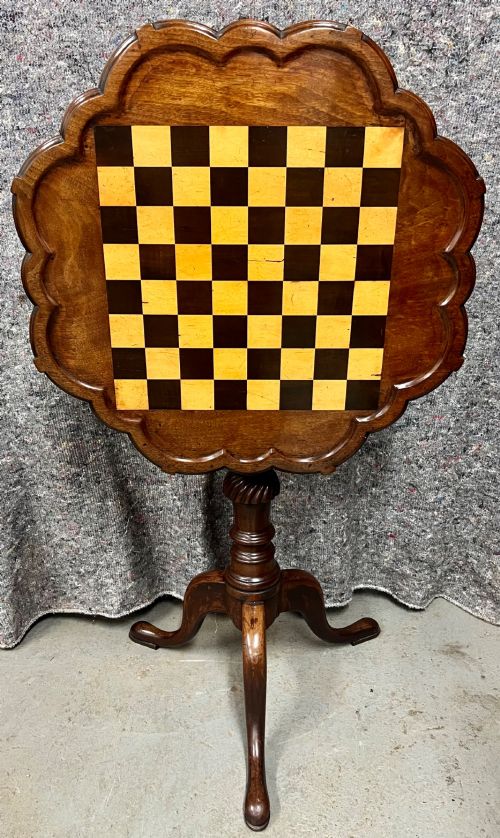
Cabinetmakers constructed these tables predominantly from solid mahogany, occasionally incorporating contrasting satinwood, rosewood, or wood inlay to accentuate borders and chess boards. Brass mechanisms and fittings frequently secure the pivoting joints and column attachments.
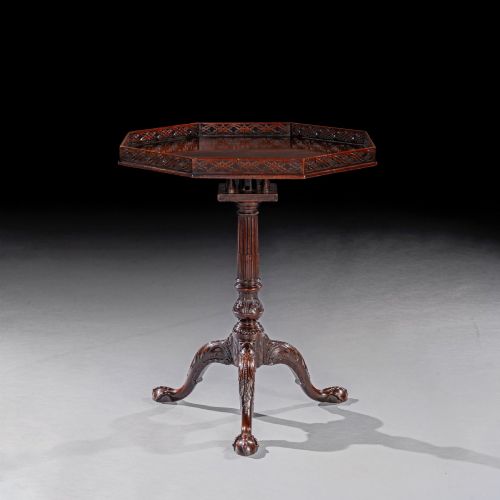
The framework relies on a sturdy turned pillar rising from a tripod base, sometimes joined by a birdcage mechanism that permits the top to both tilt and revolve. Selected examples display carved tripod legs terminating in pad, claw-and-ball, or spade feet.
Listings feature mahogany, brass, satinwood, and ebonised wood across pieces spanning the eighteenth to the twentieth centuries.
Assessing Craftsmanship
The distinction between standard domestic production and superior cabinetwork lies in the selection of timber and the execution of carved details. Tables featuring figured mahogany, plum pudding mahogany, or a single-piece top demonstrate greater material cost and selection by the maker.
Refinement in the turning of the central column and the crispness of edge profiling, such as a raised piecrust border, signal the hand of a more accomplished workshop. Structural integrity in the tilt action and the snug fit of the catch mechanism also indicate higher standards of original construction.
Gillows
The George III Mahogany Tilt Top Glossary
- Tilt top
- A table mechanism allowing the surface to hinge into a vertical position for storage. This clever engineering saved valuable floor space in period drawing rooms.
- Tripod base
- A support structure consisting of three legs radiating from a central pedestal. This configuration ensured stability on uneven historical floorboards.
- Birdcage
- A timber framework beneath the table top that enables it to revolve as well as tilt. It connects the surface to the central column via a small box-like assembly of parallel spindles.
- Piecrust edge
- A decorative raised and carved rim shaped around the perimeter of a circular table top. This moulding prevented cups and small vessels from sliding off.
- Snap top
- An alternative term for a tilt top utilising a spring catch to lock the surface horizontally. The mechanism drops securely into place without manual latches.
George III Mahogany Tilt Top: Frequently Asked Questions
How were tilt top tables used?
These tables served primarily for tea, dining, or card games in domestic reception rooms.
When the meal or gathering concluded, owners tilted the tops upward to stand flat against the wall, clearing the floor for other activities.
Where should I place one at home?
A compact tripod table fits easily into an unused corner, beside a reading chair, or as a lamp stand in a sitting room.
Larger breakfast tables function well in dining spaces where the folding mechanism remains useful for occasional room reconfiguration.
How do I care for mahogany surfaces?
Keep these timbers away from direct sunlight and strong heat sources to prevent the wood from drying and splitting.
Apply natural beeswax periodically and buff gently with a soft cloth to maintain the historic lustre of the polish.
How can I tell the period?
Examine the construction methods, timber choice, and leg styling to determine the approximate decade of manufacture.
Eighteenth-century examples often display more intricate carving on the knees and feet, while later nineteenth-century pieces tend toward simpler turning.