


Small Geometric Rug
When searching for a small geometric rug, buyers seek traditional woven floor coverings featuring tribal and village patterns from the nineteenth and early twentieth centuries.
Small Geometric Rug
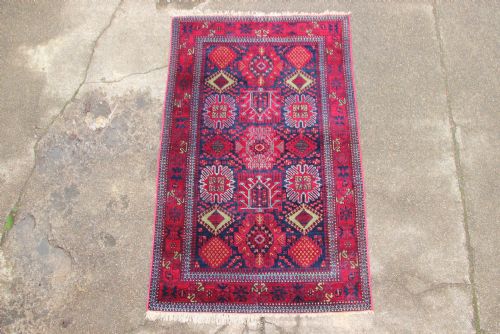
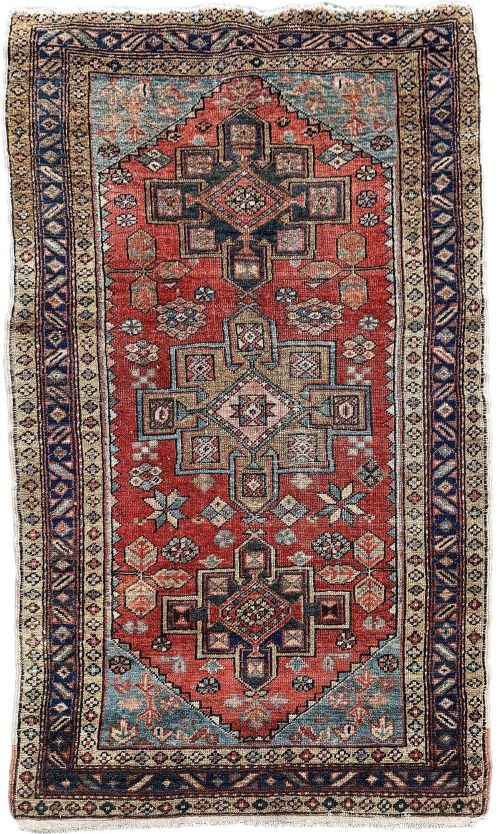
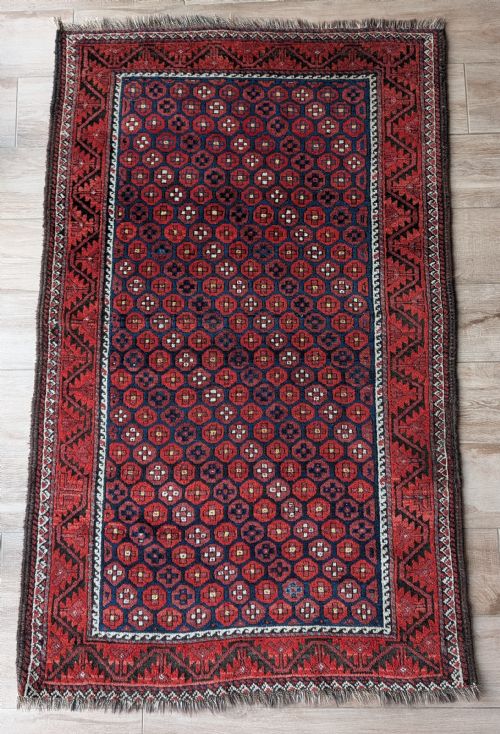
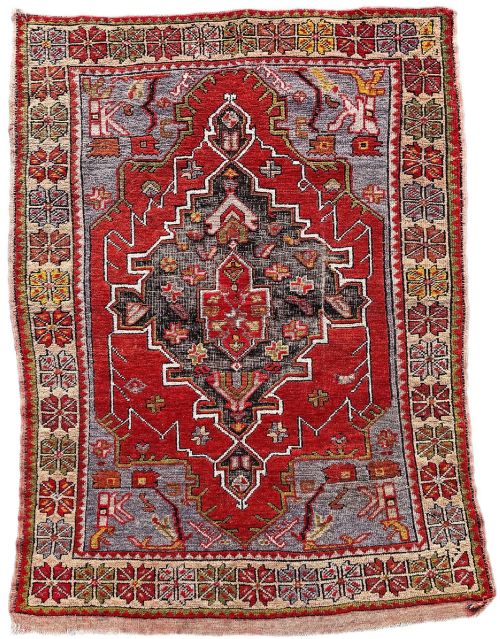
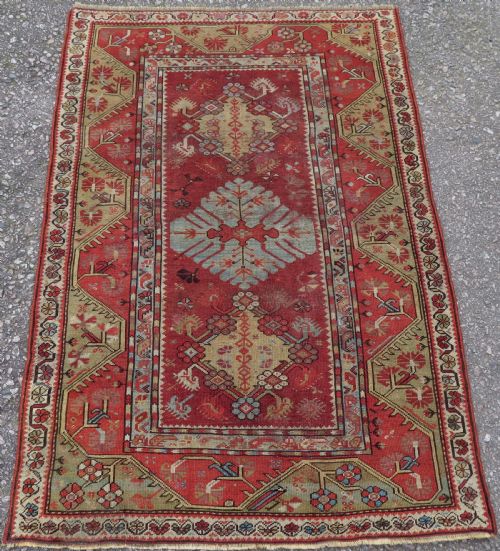
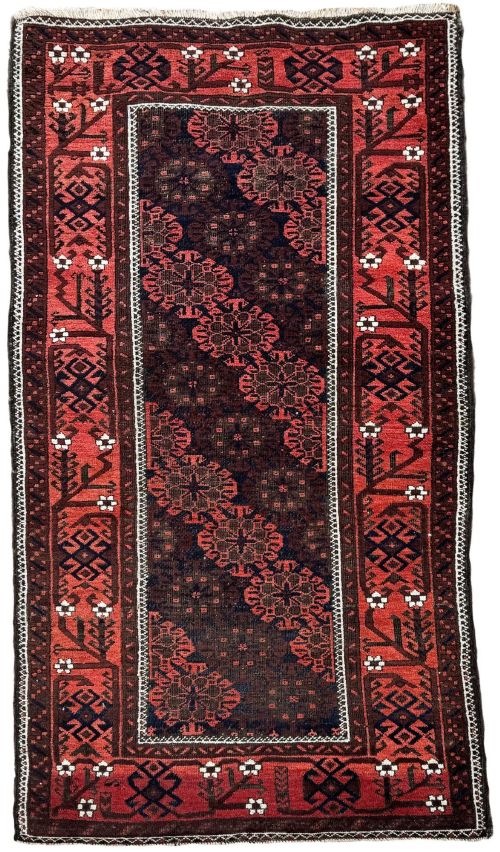
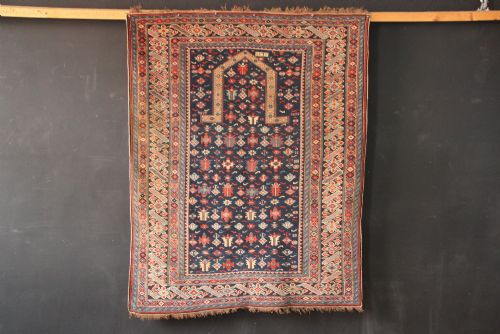
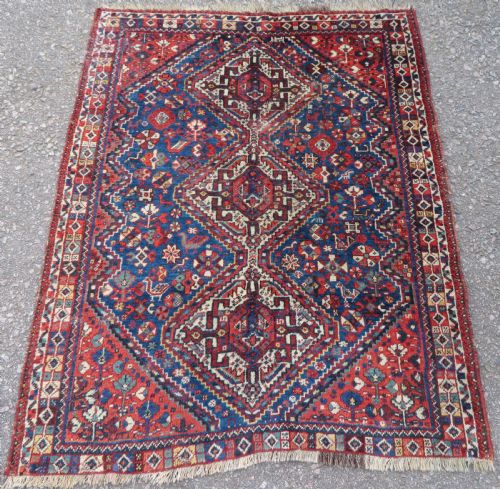
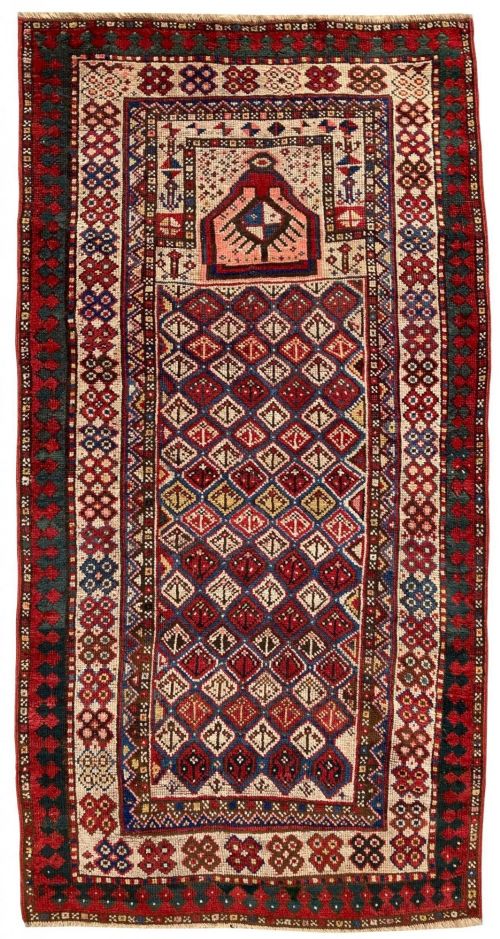
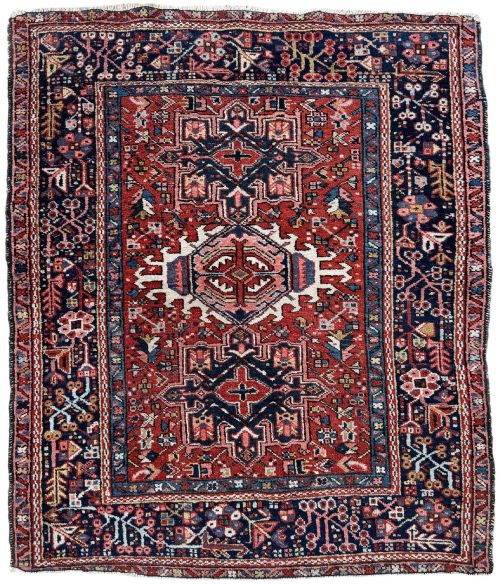
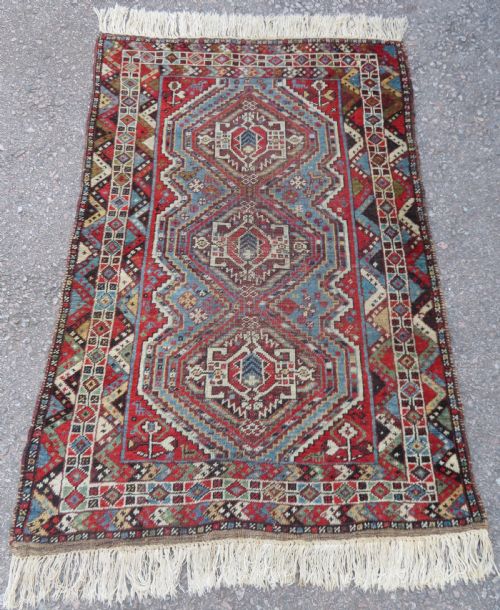
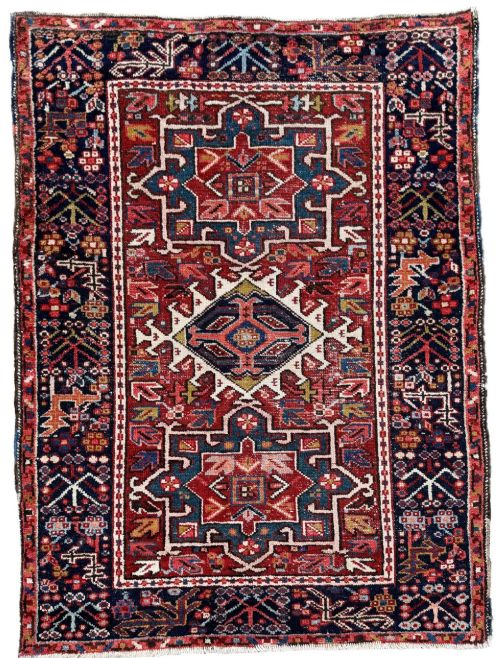
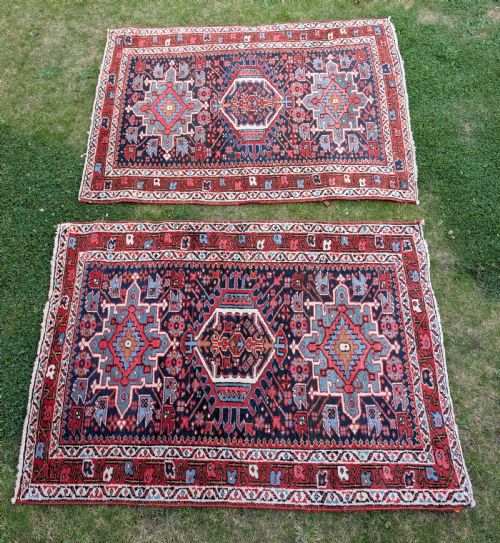
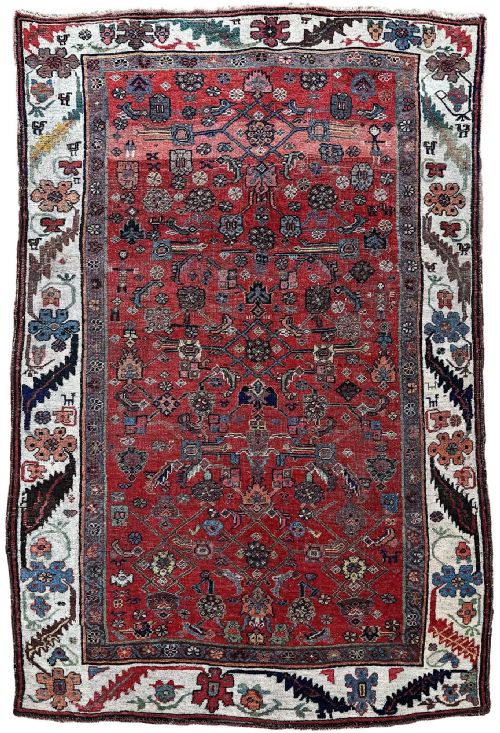
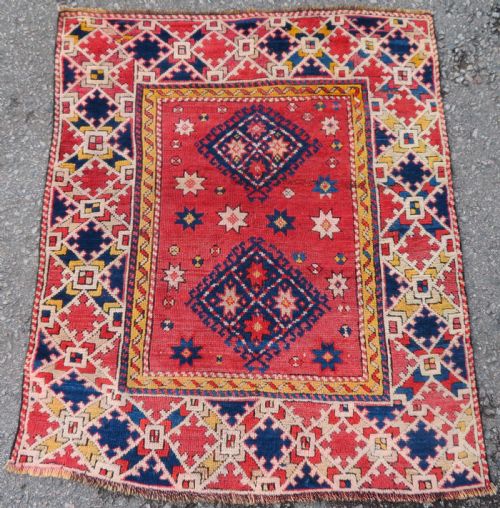
A small geometric rug encompasses antique village and tribal textile pieces such as mats, prayer rugs, and bagfaces originating from Persian, Caucasian, and Anatolian weaving traditions. These compact floor coverings display repeating motifs, medallions, and lattice designs rooted in regional heritage.
The selections available here date predominantly from the late nineteenth century up through the 1930s. Buyers frequently encounter formats like square rugs, hearth-sized runners, and compact area formats produced by nomadic and settled village weavers.
Materials and Construction
The pieces rely on natural materials, utilising hand-spun wool for the pile paired with cotton or wool foundations. Weavers worked on traditional horizontal or vertical looms, knotting the pile firmly by hand.
Makers applied natural dyes derived from plants and minerals to colour the fleece. These organic colourants yield rich, varied tones that develop distinct character over decades of use.
Small Geometric Rug Retail Price Guide 2026
Typical asking prices for small geometric rug among the pieces listed under this phrase on Sellingantiques today, from the lower quarter to the upper quarter. They describe what is for sale here now, not the wider market.
Listings span periods from the nineteenth century through 1930, featuring wool, cotton, and natural dyes.
Assessing Quality
Quality rests in the precision of the tribal design and the density of the weave. Stronger examples display crisp geometric boundaries and balanced proportions within the field.
The depth and harmony of the natural dye palette also determine distinction. Superior textiles exhibit subtle tonal shifts across the wool rather than flat, uniform colour.
The Small Geometric Rug Glossary
- Prayer rug
- A small textile featuring a mihrab or arch design indicating the direction of prayer. These pieces were traditionally used for daily devotions.
- Bagface
- The decorated front panel of a nomadic storage bag, preserved and mounted as a small rug. They often display concentrated tribal patterns.
- Cotton warp
- The vertical foundation threads running the length of the rug, providing structural stability. Cotton offers a firmer tension than wool foundations.
- Natural dyes
- Colourants sourced from plants, insects, and minerals before the introduction of synthetic alternatives. These dyes age with distinctive warmth.
- Flatweave
- A textile constructed without pile by interweaving warp and weft threads directly. Examples include kilims and covers.
Small Geometric Rug: Frequently Asked Questions
Where should I place a small geometric rug?
These compact floor coverings suit entryways, hearths, bedside positions, and compact seating areas. Their scale allows them to accent specific zones without overwhelming a room.
Because the dimensions remain modest, they function well as decorative wall hangings or tabletop textiles as well as floor mats.
How do I care for antique tribal wool rugs?
Regular gentle vacuuming without a rotating brush roll prevents dust accumulation within the wool pile. Professional cleaning suited for antique textiles preserves the natural fibres.
Keep these rugs away from direct, harsh sunlight to protect the natural dyes from fading prematurely over time.
How can I tell a Caucasian rug from a Persian one?
Caucasian pieces typically display sharper, more rigid geometric motifs with crisply outlined medallions and stark colour contrasts. They often utilise wool foundations and distinctive hooked designs.
Persian village and tribal counterparts frequently incorporate softer curves, more varied floral influences, and sometimes cotton warps alongside wool.
What makes a rug design geometric?
Geometric designs rely on straight lines, triangles, diamonds, polygons, and repeating latch-hook motifs rather than naturalistic floral curves. These abstract patterns reflect tribal symbolism and traditional weaving constraints.
Weavers built these shapes pixel by pixel through the knotting process, resulting in angular, structured compositions across the field.