
Small French Cabinet
When you search for a small french cabinet, you are looking at bedside tables, vitrines, and commodes crafted for compact spaces across the nineteenth and twentieth centuries.
Small French Cabinet
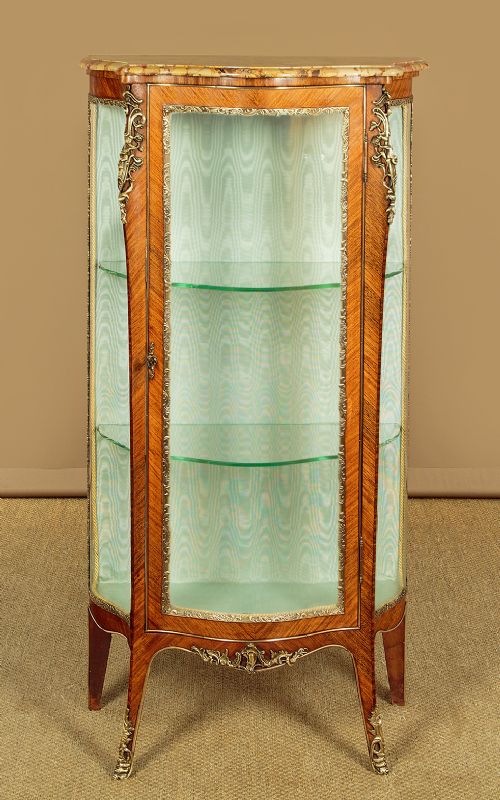
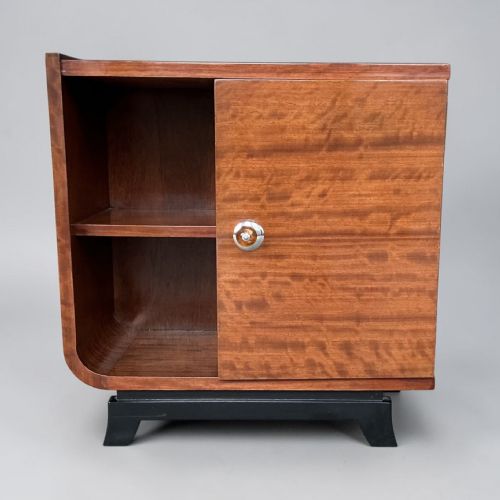
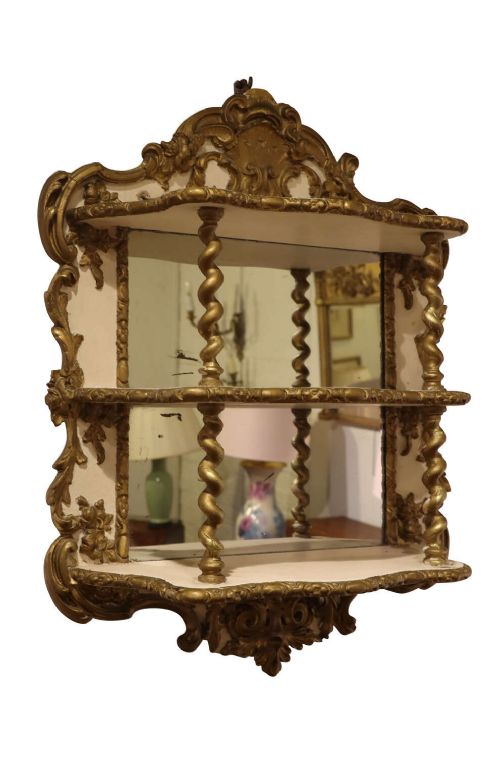
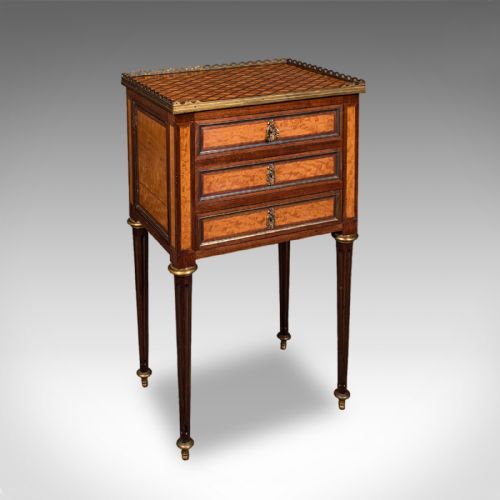
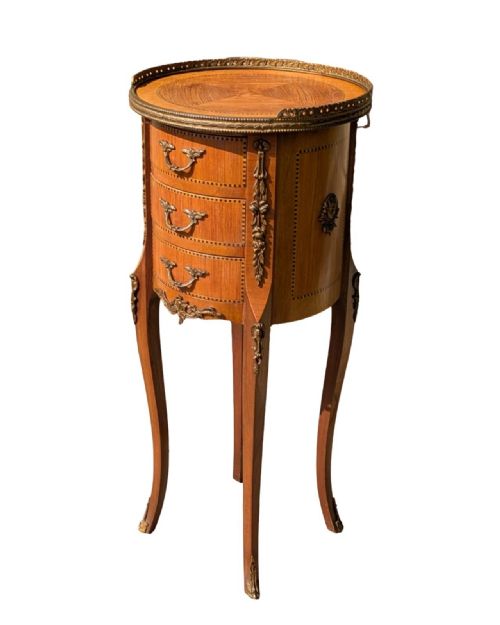
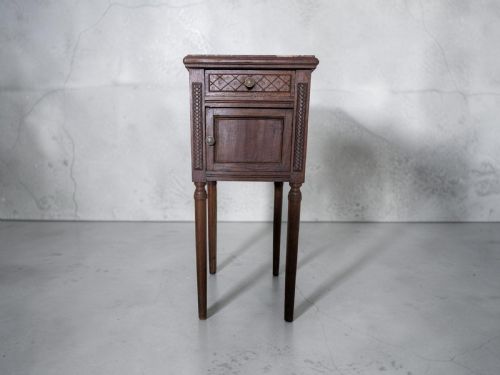
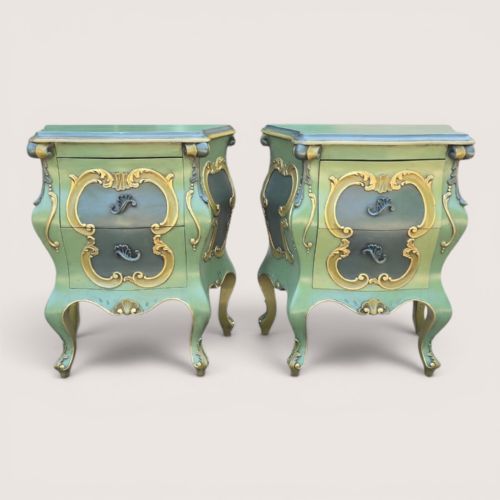
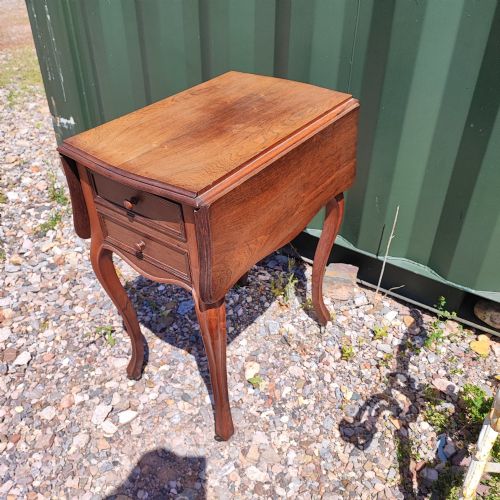
A small french cabinet encompasses a diverse group of compact furniture designed for domestic storage and display, appearing most frequently as bedside tables, side cabinets, and small chest of drawers. These pieces emerge from periods spanning the nineteenth century through the Art Deco era, reflecting regional tastes from provincial workshops to urban cabinet makers.
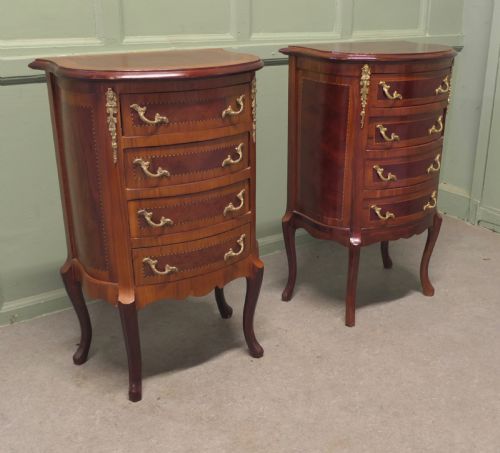
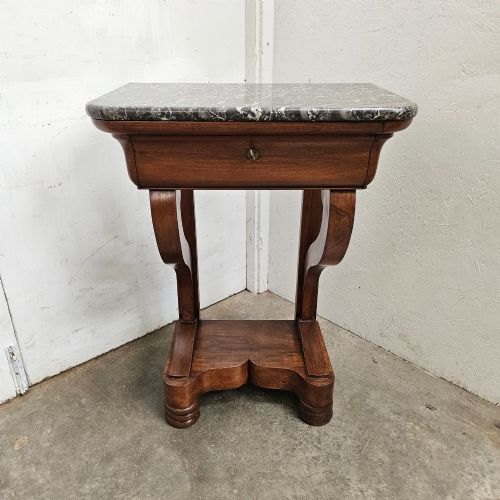
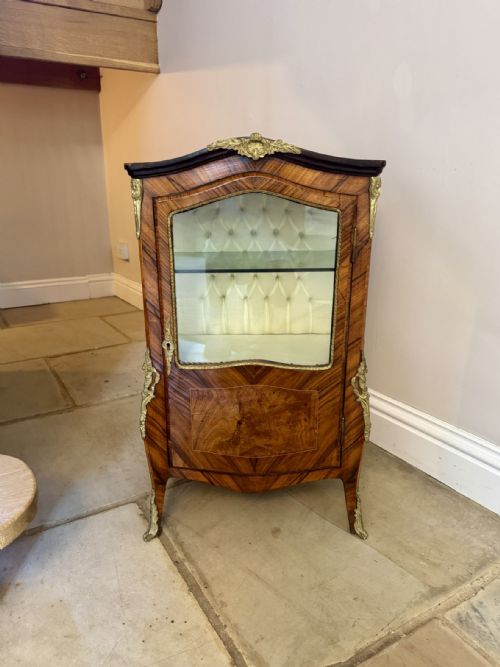
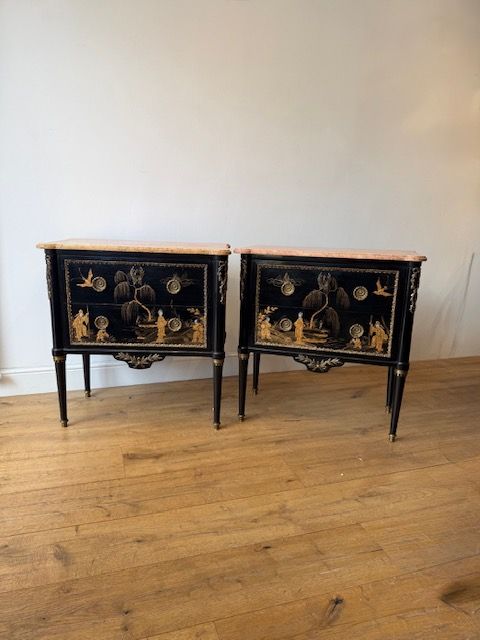
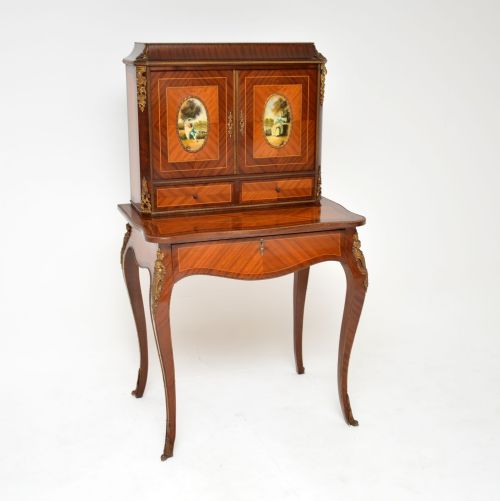
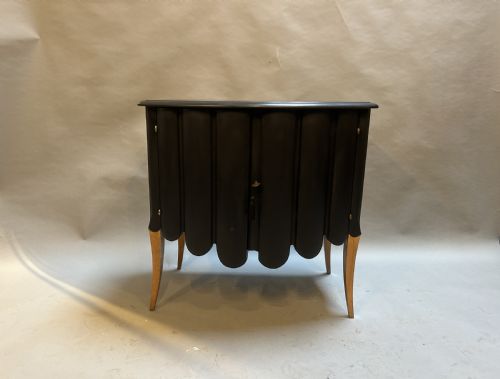
The forms found in this category range from marble-topped commodes and glazed vitrines to writing desks and jam cupboards. Buyers encounter variations in style from Louis XV and Rococo Revival curves to clean geometric lines of the nineteen-thirties.
Proportions remain intentionally modest to suit smaller rooms, utilising walnut, mahogany, oak, and exotic veneers. Each piece offers specific utility, whether for bedside storage, book housing, or the display of small objects.
How they were made
Cabinet makers constructed carcass frames from timbers such as walnut, oak, and mahogany, applying decorative veneers like kingwood, rosewood, and satinwood in parquetry or marquetry patterns. Surface decoration often involved hand-painted finishes or lacquered schemes, particularly on provincial pine and jam cupboards.
Mounts and hardware in cast or gilt brass and ormolu provide structural accent and decorative detail, particularly on revival commodes and vitrines. Tops frequently feature shaped marble slabs inset above drawers and cupboards, combining heavy stone surfaces with lighter wooden frames.
Periods represented span from the eighteenth century through Art Deco production.
What varies in quality
Quality rests upon the precision of veneer matching, the crispness of bronze or ormolu mounts, and the integrity of internal joinery such as dovetailing in drawer construction. Pieces with original marble tops, matched pairs, and intricate marquetry or parquetry represent higher levels of workshop execution.
Simpler provincial items rely on solid timber construction, where the thickness of the wood, hand-carved detailing, and retained original painted finishes determine their character. Wear on surfaces and the retention of original hardware influence the overall integrity of the piece.
The Small French Cabinet Glossary
- Ormolu
- Gilded bronze mounts applied to furniture. This technique added decorative weight and metallic sheen to cabinet corners and aprons.
- Marquetry
- The art of applying pieces of veneer to a structure to form decorative patterns. Craftsmen used various contrasting woods to create pictorial designs.
- Vitrine
- A glass-panelled cabinet used for displaying objects. These pieces feature glazed doors and sides to showcase porcelain or curiosities.
- Commode
- A low chest of drawers or cabinet. French versions often incorporate curved bombe shapes and marble tops.
- Parquetry
- Geometric mosaic woodwork used for surface decoration. Artisans arranged small blocks of timber to form repeating patterns.
Small French Cabinet: Frequently Asked Questions
What rooms suit a small french cabinet?
These compact pieces fit easily beside beds, in hallways, or as accent storage within sitting rooms.
Their modest proportions allow them to function where larger case furniture overwhelms the floor space.
How do I identify a revival piece?
Revival items adopt eighteenth-century curved lines, mounts, and veneers while employing nineteenth or twentieth-century construction methods.
Examining the internal drawer timbers and secondary woods helps clarify the actual period of manufacture.
Are marble tops original to these cabinets?
Many commodes and bedside tables incorporate fitted marble slabs designed to handle everyday use and provide a contrasting surface.
Original tops match the exact contour of the wooden carcass beneath.
What is a confiturier?
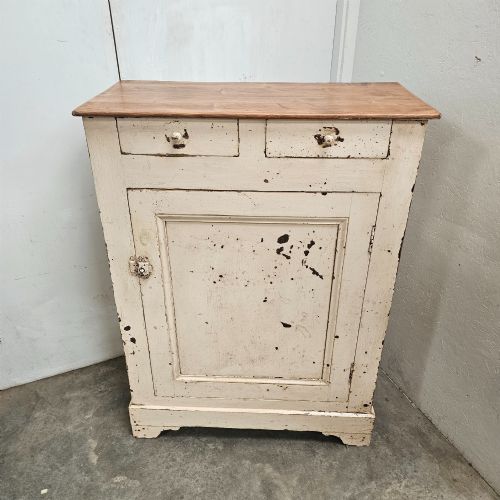
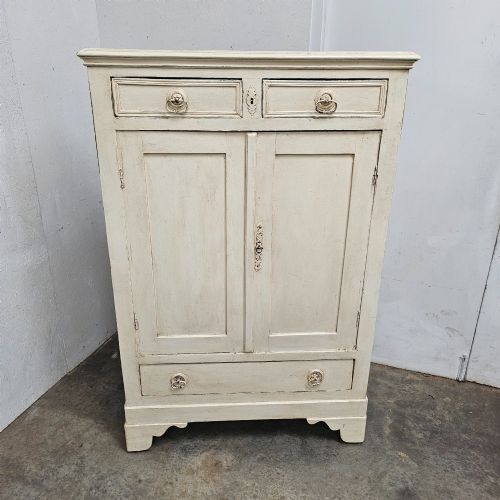
A confiturier is a traditional French jam cupboard built with a single door for storing preserves and household provisions.
These provincial items usually feature painted pine or fruitwood construction.