


Small Edwardian Table
A small edwardian table brings proportion and quiet utility to a corner, offering a surface for a lamp or books without crowding the room.
Small Edwardian Table
A small edwardian table encompasses occasional pieces, wine tables, and compact writing desks produced during the early twentieth century and the late Victorian era.
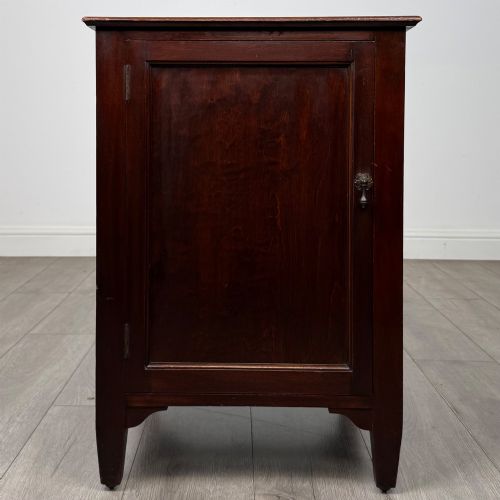
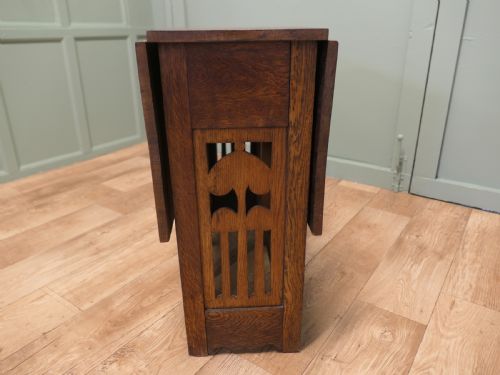
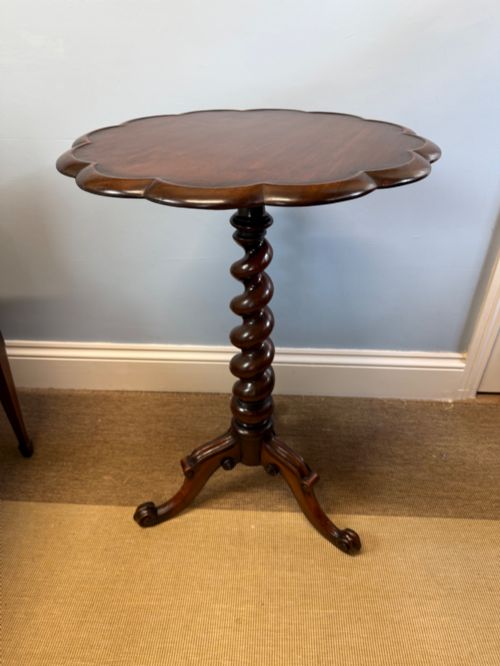
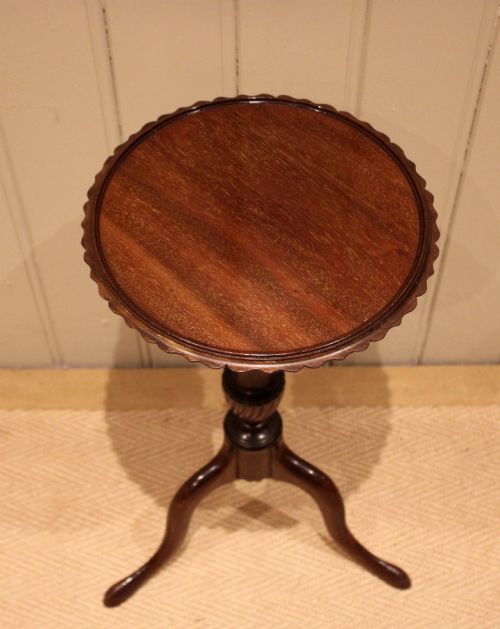
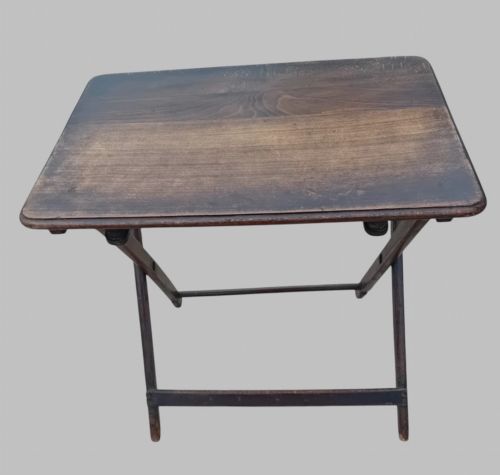
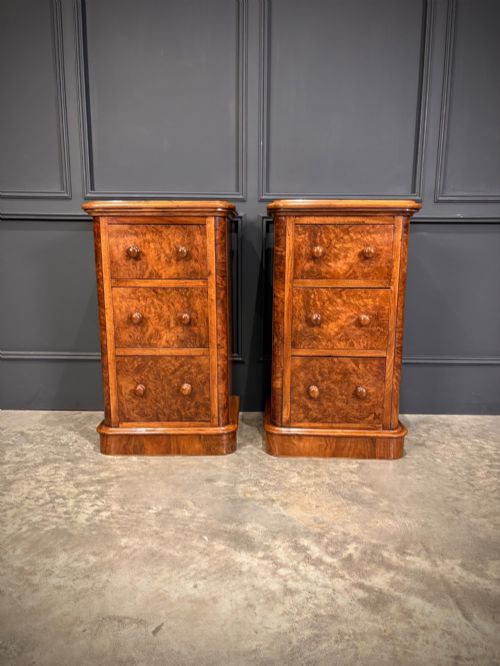
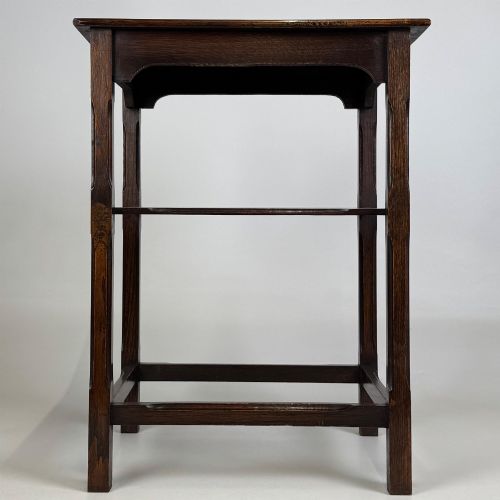
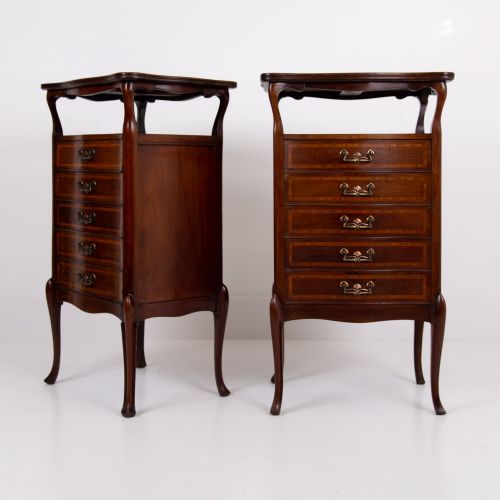
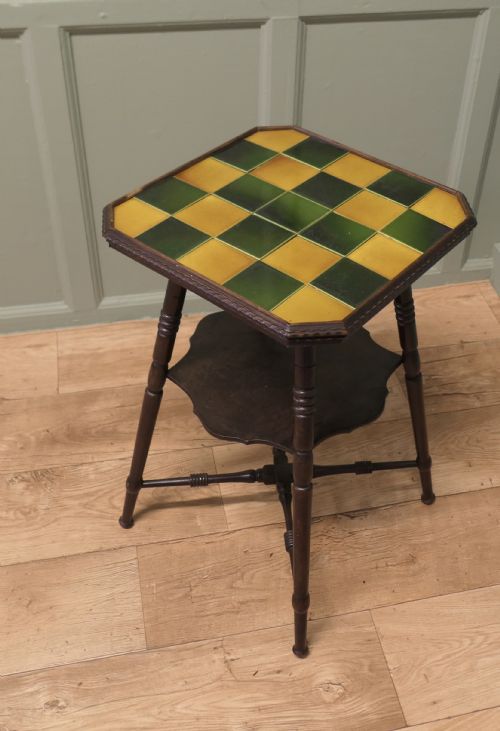
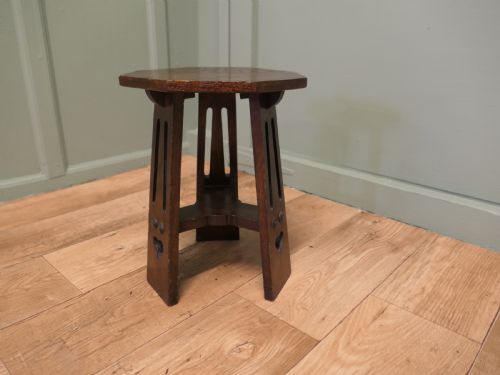
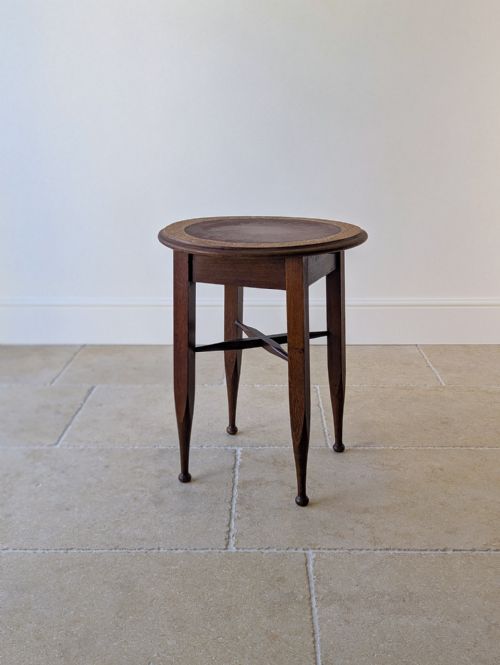
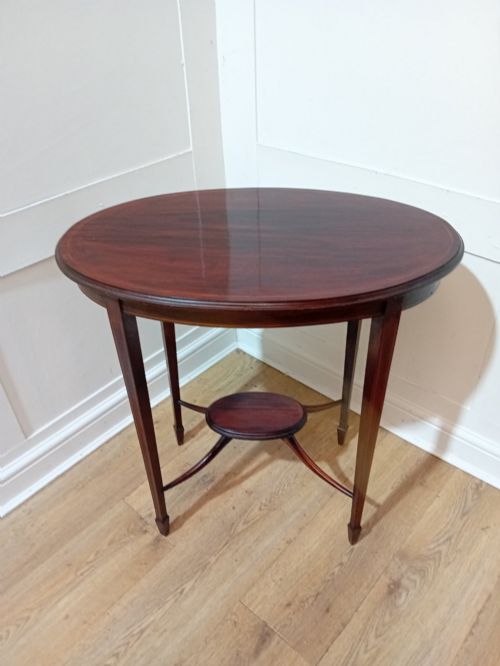
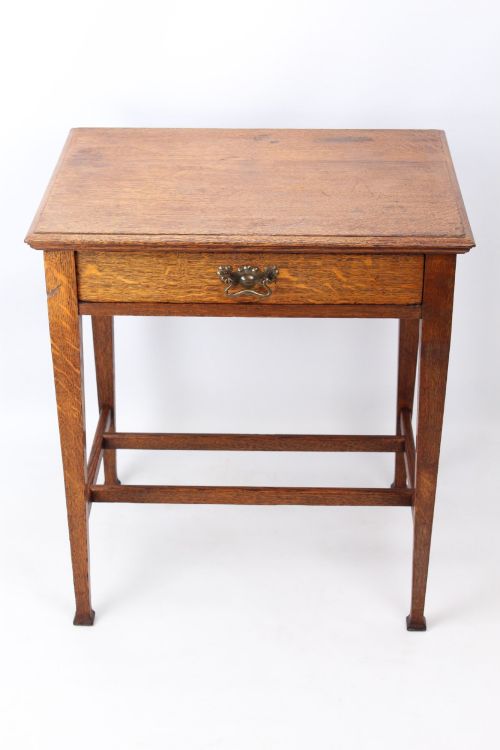
The versions most frequently encountered on this page are mahogany or oak side tables and occasional tables, often featuring light inlay or turned supports.
Makers of the period drew upon earlier Georgian and Sheraton traditions, scaling down dimensions to suit more compact domestic spaces.
Materials and Construction
Timbers such as mahogany, oak, and walnut form the structural core of these pieces, sometimes accented with satinwood or boxwood stringing.
Joinery methods relied on traditional techniques like mortise and tenon frames, complemented by veneering over secondary woods for decorative surfaces.
Listings demonstrate a strong presence of oak and mahogany, spanning side tables, plant stands, and compact writing desks.
Quality and Craftsmanship
The distinction between ordinary and superior pieces rests on the crispness of timber figure, the restraint of inlay, and the integrity of original joinery.
Fine examples retain their structural stability without excessive timber shrinkage, whilst retaining balanced proportions and clean lines across the legs and top.
Shapland & Petter·Maple & Co·William Hutton & Sons
The Small Edwardian Table Glossary
- Sutherland table
- A narrow drop-leaf table with hinged flaps that fold down steeply, supported by swing legs.
- Inlay
- A decorative technique where contrasting woods or metals are fitted into recesses within the primary surface.
- Pembroke table
- A small occasional table featuring two hinged drop leaves on opposite sides and usually one or two drawers.
- Occasional table
- A light, movable small table designed for specific, intermittent domestic uses rather than permanent placement.
Small Edwardian Table: Frequently Asked Questions
What rooms suit a small edwardian table?
These compact pieces fit easily beside a reading chair, in a narrow hallway, or as a bedside stand where surface space is limited.
Their restrained proportions allow them to blend into contemporary interiors without overwhelming the surrounding furniture.
How do I identify edwardian timber types?
Mahogany and walnut tend to show rich grain patterns and warm tones, whereas oak displays prominent medullary rays particularly in Arts and Crafts examples.
Inlay work often helps date the piece to the turn of the century when Sheraton revival motifs were popular.
Were these tables used for dining?
Most surviving examples serve as occasional, lamp, or side tables rather than dining furniture, owing to their light construction and modest dimensions.
Exceptions include small folding or Pembroke versions designed for flexible use in smaller Victorian and Edwardian homes.
How should I care for polished wood?
Regular dusting with a dry cloth keeps the surface clean, and occasional applications of traditional wax preserve the sheen of the timber.
Direct sunlight and excessive heat should be avoided to prevent the veneer from drying or cracking over time.