


Small China Cabinet
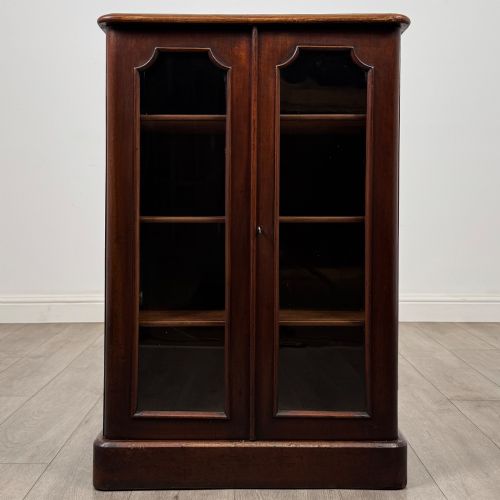
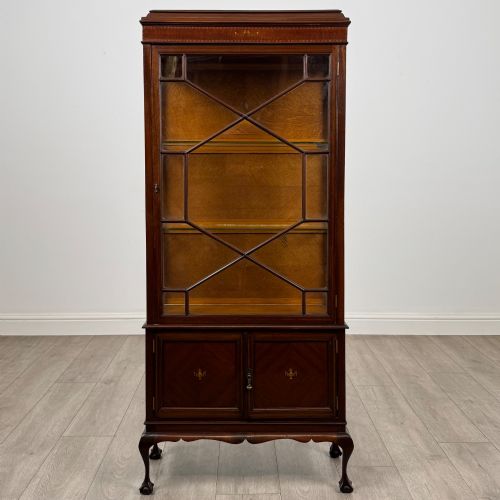
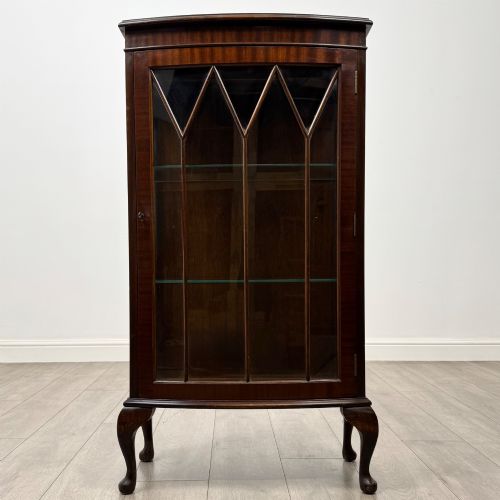
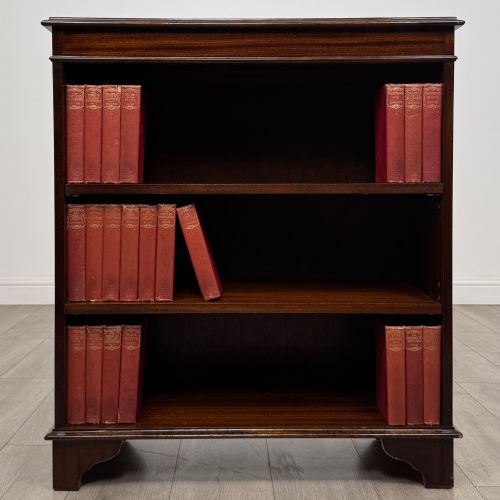
A small china cabinet offers compact display space for precious ceramics, uniting fine timber framing with glazed panels to protect delicate porcelain.
Small China Cabinet
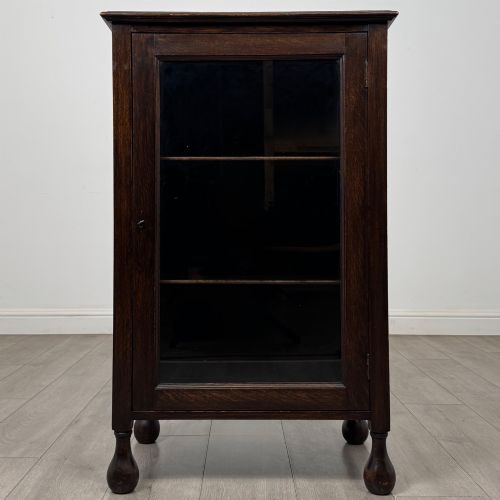
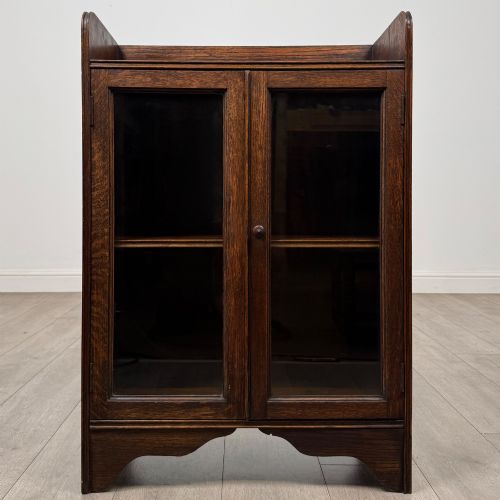
A small china cabinet serves collectors and homeowners who need to house porcelain and glassware without dominating a room. These pieces appear primarily in Edwardian and Victorian forms, alongside later iterations from the nineteen twenties and thirties.
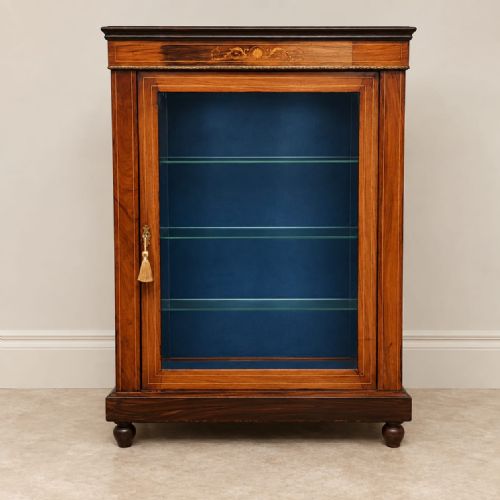
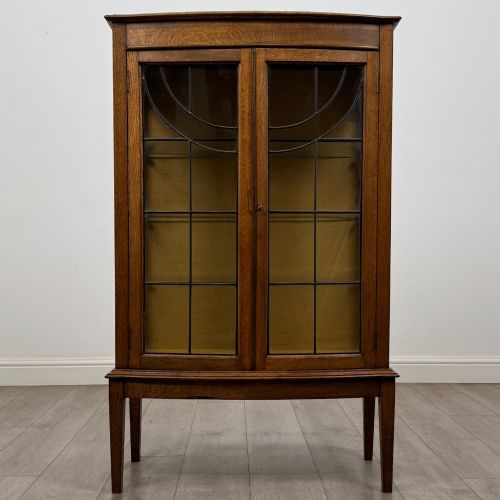
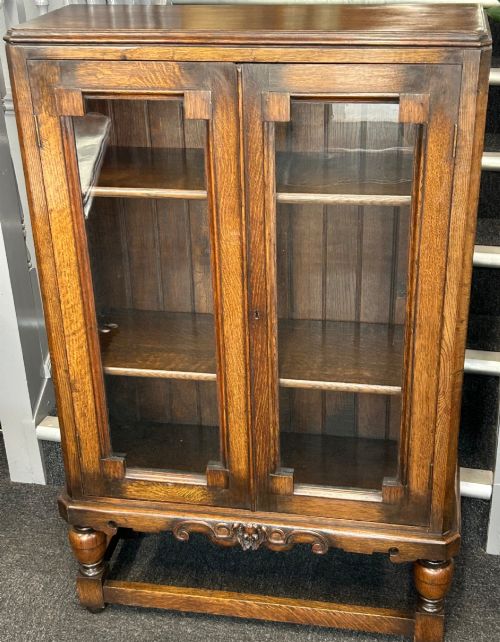
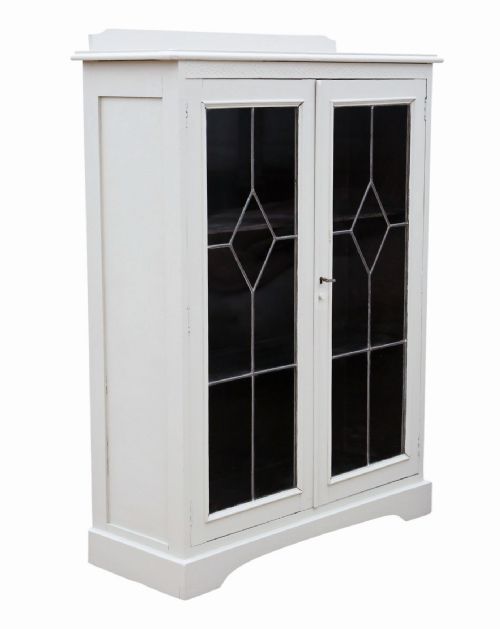
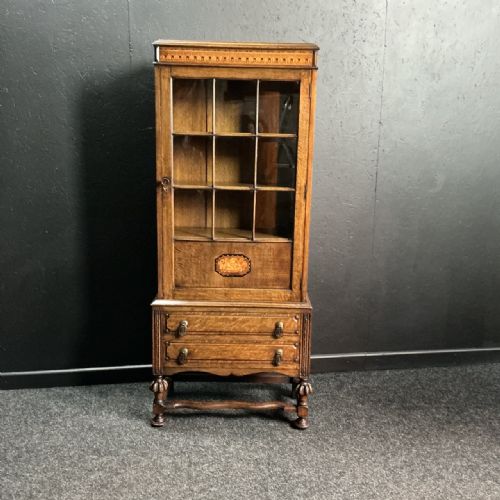
The most common versions on this page are upright display cabinets and vitrines constructed from mahogany, oak, or burr walnut, often featuring glazed doors that reveal shelves within. Cabinets range from serpentine fronts and corner units to small floor-standing bookcases fitted with glass.
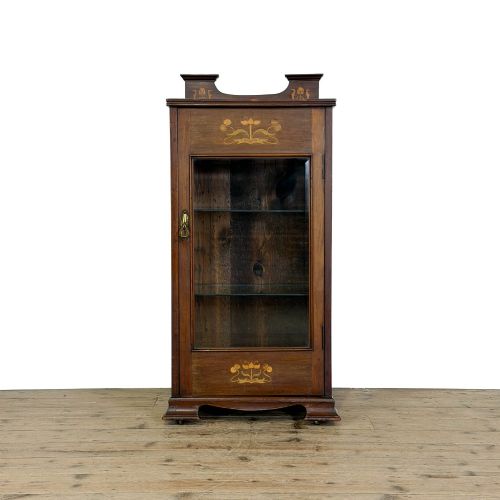
Origins stretch across British and continental workshops, incorporating styles from Georgian Revival and French Provincial to Arts and Crafts and Art Deco. Buyers frequently encounter inlaid satinwood details, brass fittings, and occasional miniature display pieces.
How they were made
Cabinet makers utilised dense hardwoods such as mahogany, oak, walnut, and kingwood for structural integrity, often applying satinwood inlay or burr veneers to add visual depth to the exterior surfaces. Glass panes are fitted into doors to enclose the display space, secured by timber framing or brass mounts.
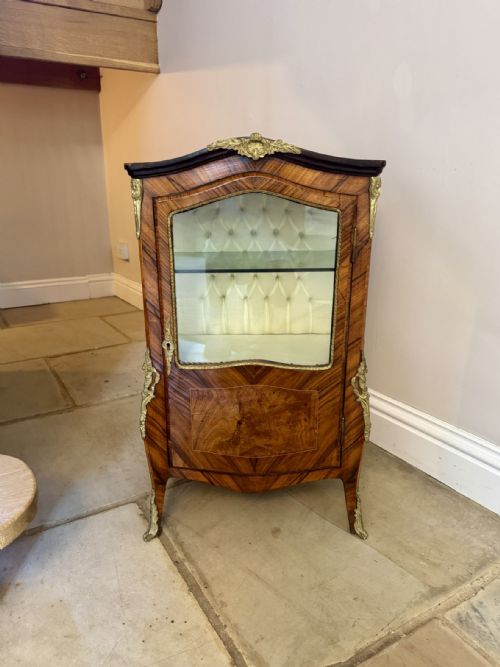
Decorative elements include hand-painted finishes, ormolu mounts, and fabric linings behind the shelving to complement the ceramics stored inside. Construction techniques balance sturdy joinery with refined glazing bars that support fragile glass without obscuring the interior.
Listings feature woods including mahogany, oak, burr walnut, satinwood, and kingwood across Edwardian and Victorian forms.
What varies in quality
Quality rests on the selection of timber veneers, the crispness of any inlaid marquetry, and the structural proportion of the frame. Cabinets built with figured burr walnut or carefully matched mahogany display greater cabinet-making ambition than simpler utility pieces.
The refinement of the glazing bars, the weight of the brass hardware, and the integrity of the original fabric linings distinguish finer examples. Superior execution shows in balanced proportions, such as serpentine or breakfront forms that require advanced carpentry.
The Small China Cabinet Glossary
- Vitrine
- A glass-fronted display cabinet designed specifically for showing porcelain and small decorative objects. These pieces often feature glazed sides to maximise light penetration.
- Inlay
- A decorative technique where contrasting woods or metals are inserted into recessed portions of the primary timber base. Satinwood and ebony frequently appear in this manner.
- Burr walnut
- Timber taken from the gnarled growth of a walnut tree, yielding highly figured and swirling grain patterns. Cabinet makers prize this material for principal door panels.
- Breakfront
- A piece of furniture where the central section projects forward from the flanking wings. This architectural arrangement creates shadow and depth.
- Ormolu
- Gilded bronze ornamentation applied to furniture for decorative effect. It appears on continental pieces to accentuate key structural lines.
Small China Cabinet: Frequently Asked Questions
Where should I place a small china cabinet?
Position your cabinet away from direct sunlight and damp exterior walls to protect both the timber structure and the porcelain displayed inside. Hallways, drawing rooms, and dining spaces suit these compact proportions well.
Ensure the floor surface is level so the glazed doors hang true and open smoothly without catching on the frame.
How do I clean the interior glass?
Use a soft lint-free cloth and a mild glass cleaner applied directly to the cloth rather than the wood. This prevents moisture from staining delicate mahogany or walnut veneers.
Take care around delicate glazing bars and antique putty which can become brittle over time.
Can these cabinets support heavy dinner services?
These pieces are generally proportioned for lighter cabinet porcelain, glassware, and decorative ornaments rather than heavy earthenware. Check the thickness of the internal wooden shelves before loading them.
Distribute weight evenly across the centre of each shelf to maintain stability.
How do I distinguish Edwardian from Victorian cabinets?
Victorian pieces often display heavier proportions, darker rosewood or mahogany timbers, and robust carving. Edwardian examples tend to feel lighter, frequently incorporating satinwood inlay and neoclassical revival motifs.
Look at the overall silhouette and secondary woods to understand the manufacturing period.