

Small Brass Side Table
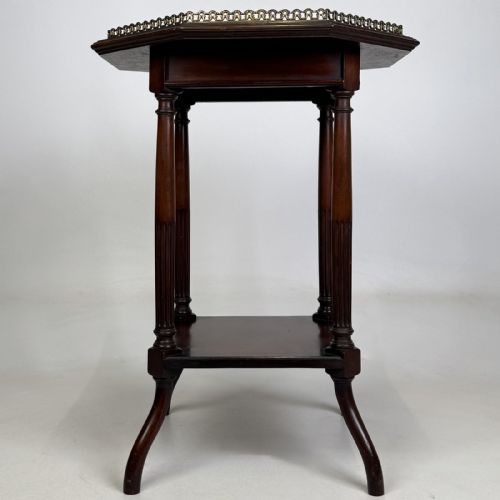
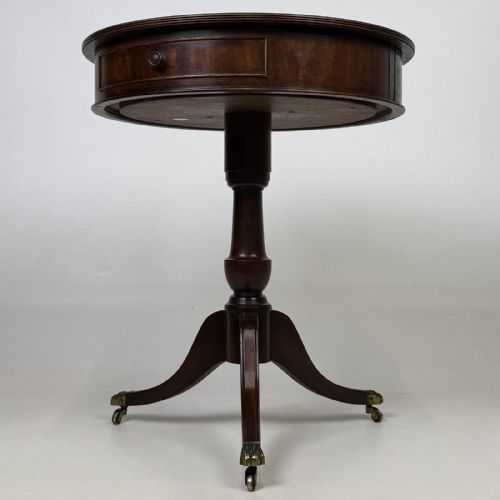
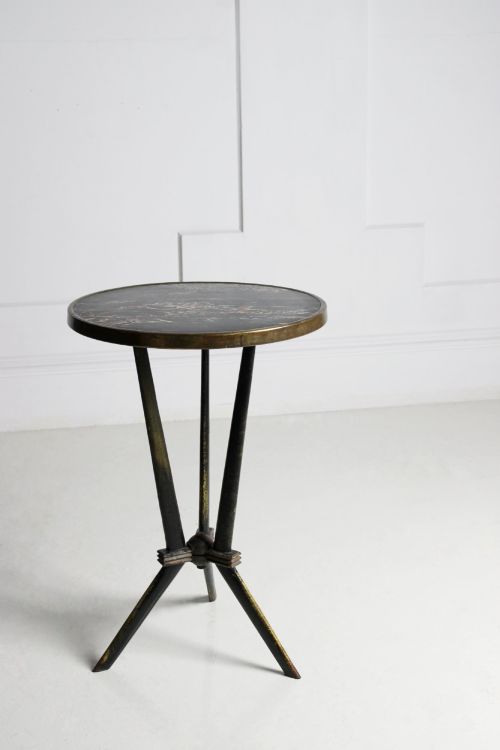
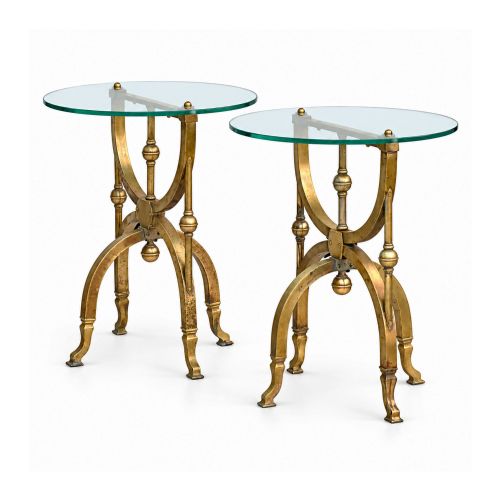
These small brass side table examples combine compact surface utility with decorative metal mounts, offering period character for compact spaces.
Small Brass Side Table
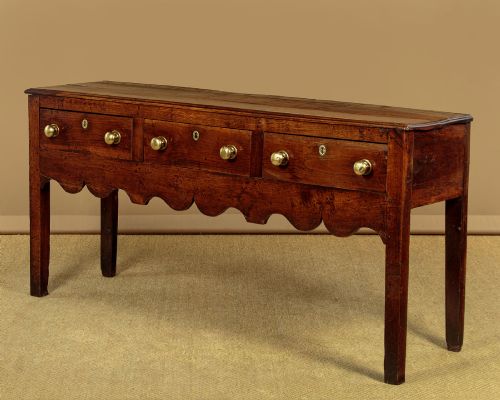
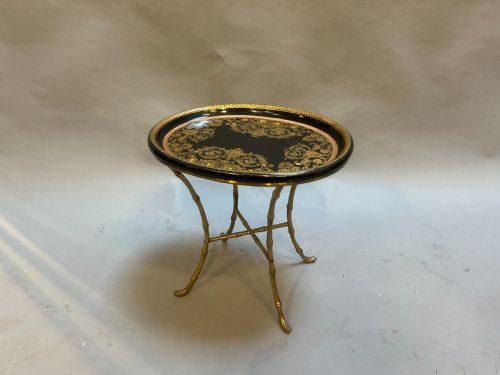
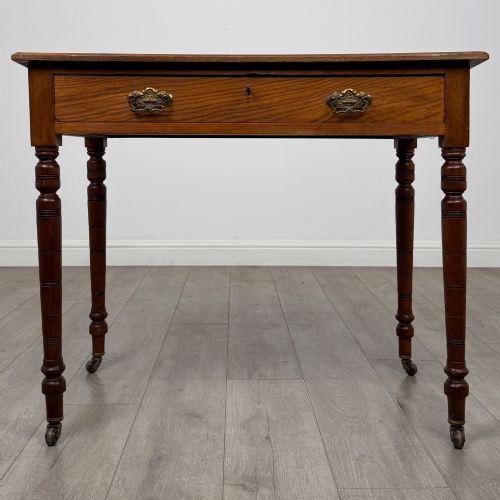
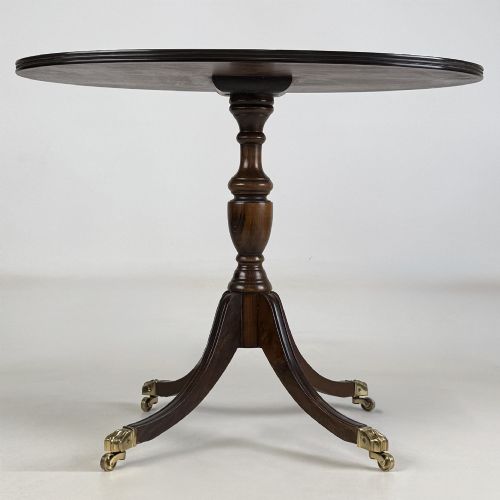
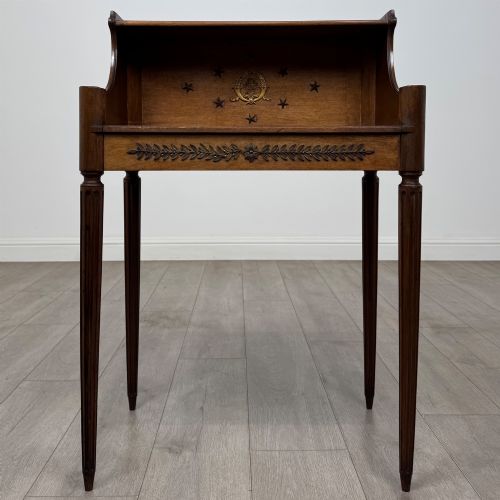
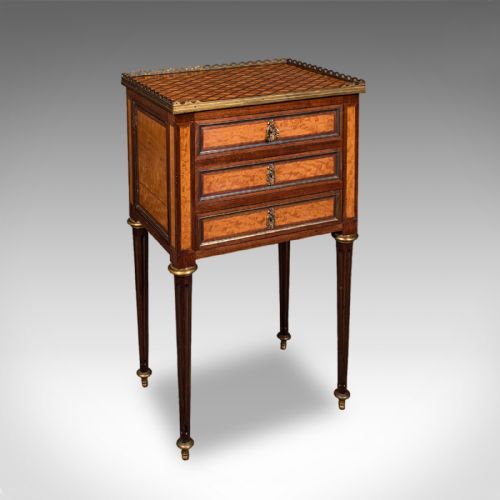
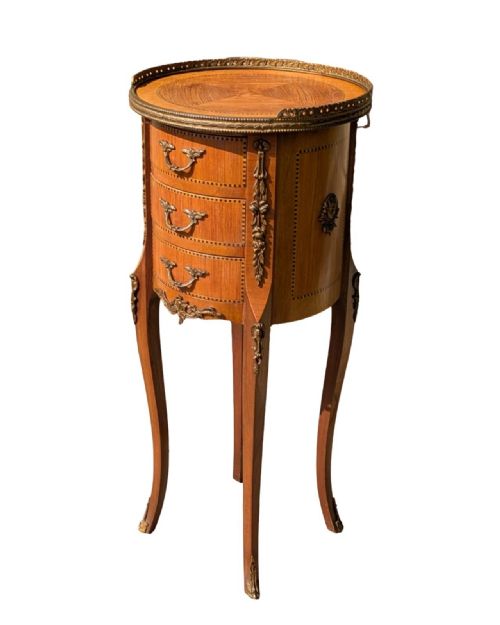
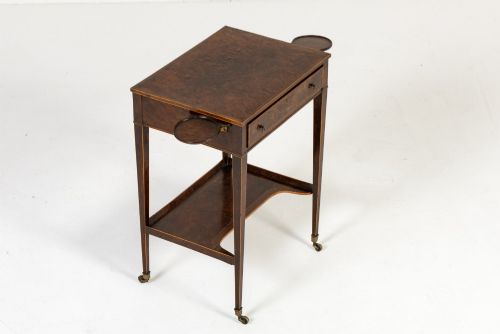
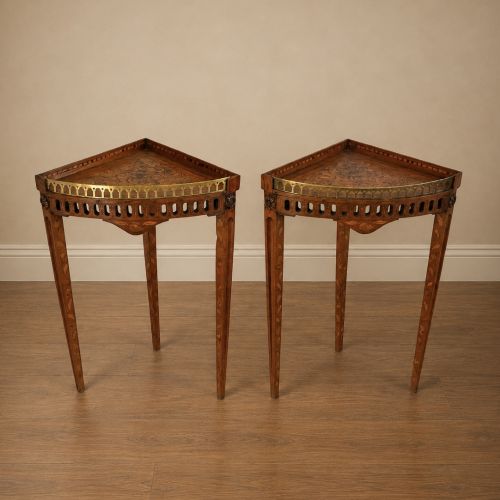
A small brass side table brings together centuries of compact occasional furniture, ranging from Georgian mahogany lamp tables to French marble-topped bouillotte pieces and Regency rosewood designs. Buyers searching for a small brass side table will encounter items featuring inset brass galleries, delicate brass handles, and fine brass inlay work upon the timber frame. These pieces serve as practical bedside cabinets, occasional tables, and writing desks across periods from the eighteenth century through to the 1930s.
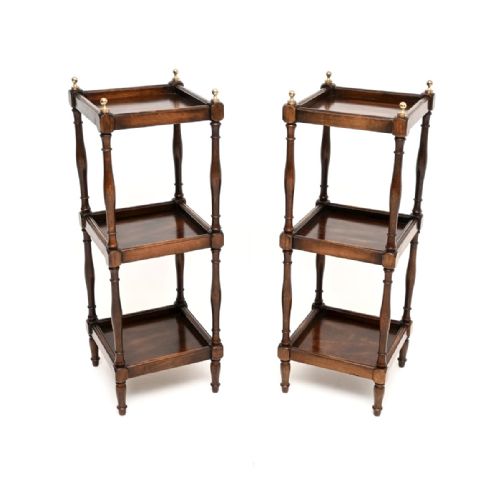
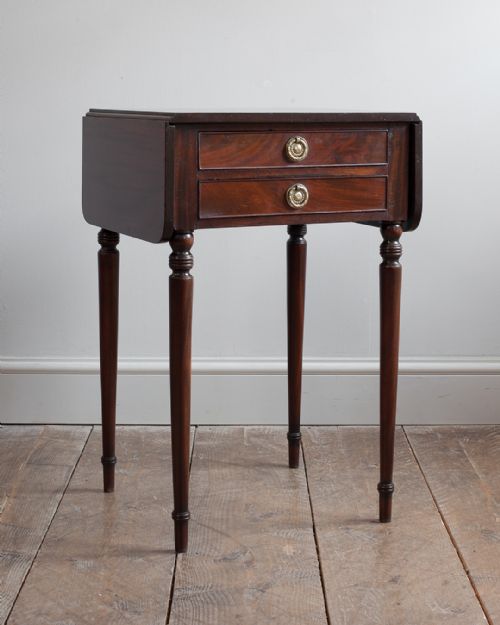
The selection includes variations such as pembroke tables with drop leaves, tiered étagères, and gueridon tables fitted with stone or timber tops. Many examples originate from French workshops adhering to Louis XV and Louis XVI revival styles, alongside British cabinet makers working in oak, mahogany, rosewood, and walnut. The most frequently met formats on this page combine timber surfaces with brass galleries, casters, or decorative mounts.
Materials and construction
Cabinet makers utilised dense hardwoods including mahogany, rosewood, walnut, and oak for the primary carcases, often applying burr veneers, kingwood, or marquetry inlay to enhance the visual depth of the top surface. Brass was incorporated structurally as gallery rails to secure items on moving trays, or decoratively through cast mounts, handles, and intricate stringing inlaid into the timber. Marble inserts also appear on French bistro and bouillotte tables, providing a cool, durable surface set within a wooden frame.
Joinery methods relied on traditional techniques suited to smaller scale furniture, such as dovetailed drawers, turned or fluted legs, and drop-leaf mechanisms on pembroke tables. Tables designed for mobility often featured brass castors beneath slender legs, while freestanding designs employed freestanding pillars and tripod bases for stability. The integration of brass components required precise recessing into the surrounding wood to ensure a flush, secure fit.
Listings feature woods such as mahogany, rosewood, oak, walnut, burr yew, and kingwood, paired with brass galleries and marble tops across multiple centuries.
Judging quality and craftsmanship
Quality in these pieces is dictated by the crispness of the brass work and the selection of figured timber veneers. Superior examples display finely cast or pierced brass galleries that remain firmly seated, alongside meticulously matched grain patterns in rosewood, burr walnut, or mahogany. The weight and gauge of the brass components generally indicate the standard of the piece, with thicker mounts and solid brass handles marking out better workshops.
Structural integrity and the retention of original decorative elements separate finer specimens from standard utility furniture. Refined pieces show careful attention to interior secondary woods, smooth drawer actions, and subtle marquetry details rather than painted imitations. The balance between the timber carcase and the metal fittings determines the overall harmony of the design.
A Hugnet Paris·W. Turner Lord & Co·Jenners
The Small Brass Side Table Glossary
- Bouillotte table
- A small French circular occasional table featuring a raised brass gallery rim around a marble or wood top, originally designed for card games. These tables typically include small drawers and candle slides beneath the main surface.
- Étagère
- An open tiered piece of furniture with multiple shelves supported by slender columns or pillars, used for displaying small objects. The records show fine nineteenth-century examples incorporating brass supports and mahogany or rosewood tiers.
- Pembroke table
- A small rectangular table with hinged drop leaves on two opposing sides, allowing the surface area to expand. They frequently incorporate a single drawer and stand on tapered legs with brass castors.
- Marquetry
- The decorative craft of applying thin pieces of wood veneer and other materials like brass or shell to a structure to form intricate pictorial designs. This technique appears on Georgian and French revival cabinets and tables.
- Gueridon
- A small French occasional table supported by a central column or multiple legs, often featuring a circular marble top surrounded by a brass gallery. They date from the nineteenth and early twentieth centuries.
Small Brass Side Table: Frequently Asked Questions
What is a small brass side table used for?
These tables provide compact surface space for lamps, books, and drinks beside seating areas or beds. Their modest proportions make them adaptable for hallways, alcoves, and smaller reception rooms.
Historically, specific variants served specialised functions such as holding writing materials, supporting tea services, or displaying decorative items on upper tiers.
How do I identify the period of a table?
Dating relies on examining the timber species, secondary woods, construction methods, and stylistic revival cues. Georgian and Regency pieces often feature clean architectural lines and rosewood or mahogany veneers, while Victorian and Edwardian examples introduce varied revival styles and intricate marquetry.
Hardware such as brass handles, castors, and gallery rails also offer clues, as manufacturing techniques shifted from hand-casting to machine production around the late nineteenth century.
Are marble top tables difficult to maintain?
Marble surfaces found on French bouillotte and bistro tables are durable and simple to clean with a damp cloth, though they remain sensitive to acidic liquids. Regular wiping prevents staining on unsealed stone variants.
The wooden bases require standard polish maintenance appropriate to mahogany, walnut, or kingwood veneers.
Can I use an antique writing table daily?
Most small writing tables and occasional stands are robust enough for everyday placement, provided they are treated with reasonable care. Using coasters and avoiding excessive moisture protects the historic polish and timber veneers.
Drawer mechanisms and drop-leaf supports should be operated gently to preserve their original joinery.