




Victorian Drinks Stand
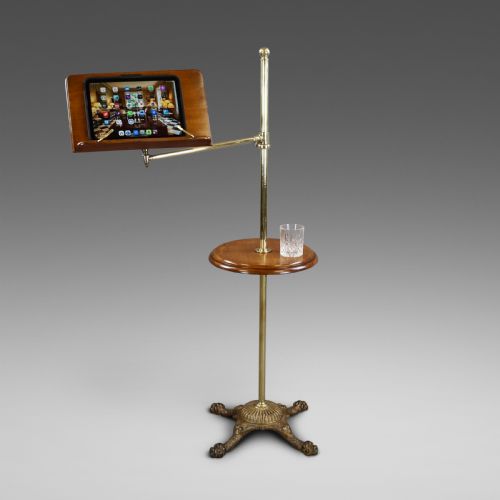
A victorian drinks stand brings the hospitality of the nineteenth century into modern rooms through dedicated forms like butlers trays, tantalus frames, and serving trolleys.
Victorian Drinks Stand
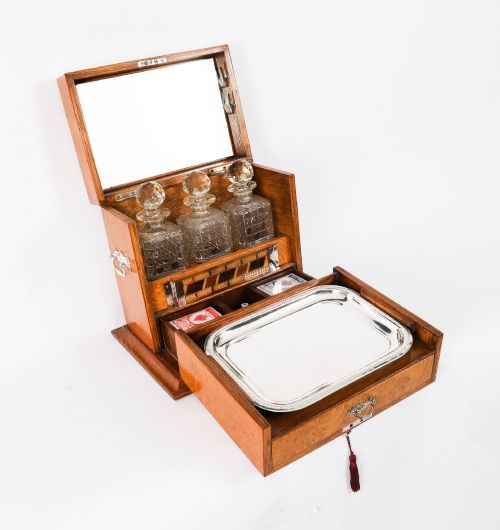
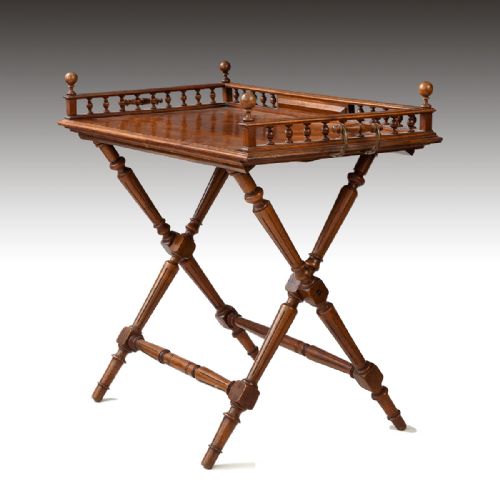
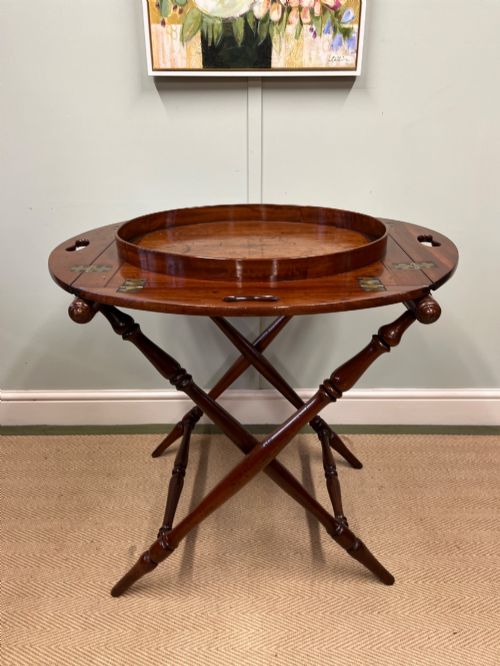
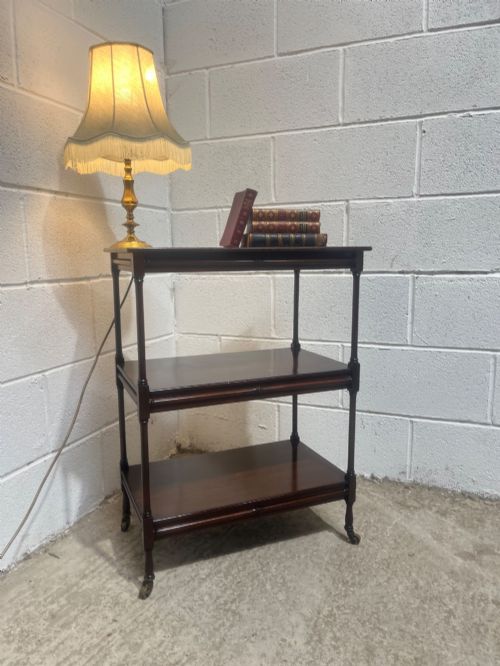
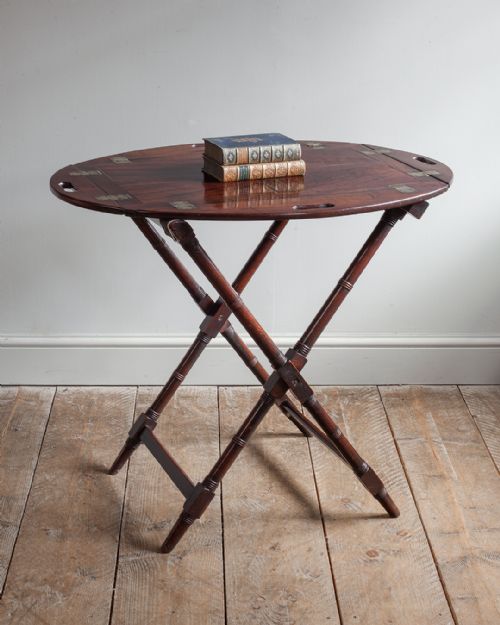
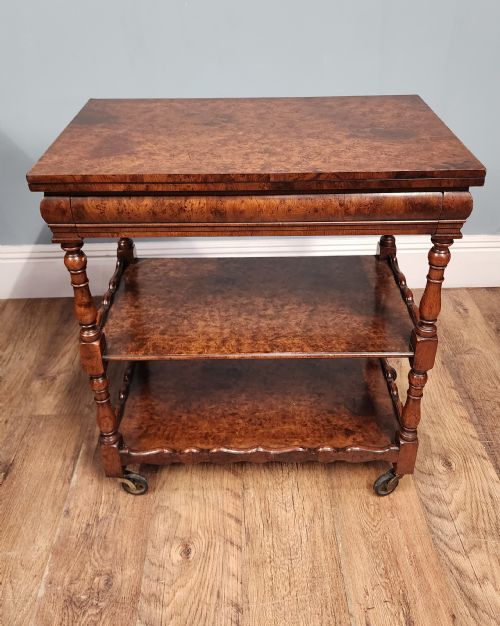
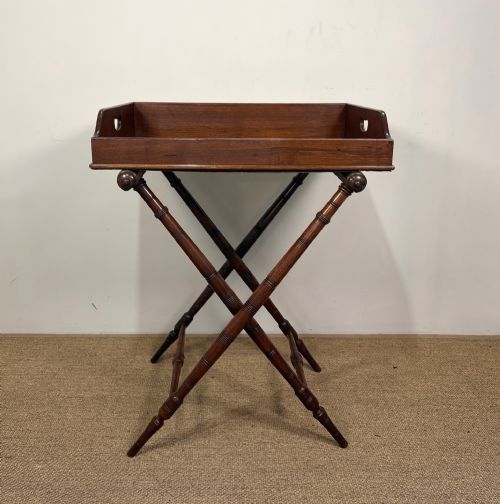
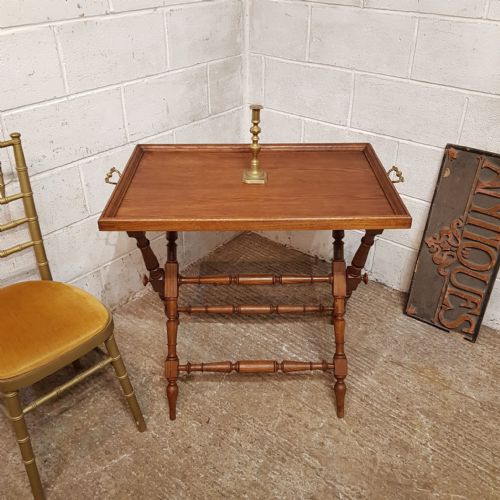
When searching for a victorian drinks stand, buyers encounter a diverse selection of nineteenth-century furnishings designed specifically to hold bottles, decanters, and glassware. The most common version met on this page is the butlers tray paired with a folding or fixed wooden stand, alongside secure locking tantalus frames and tiered serving trolleys.
These pieces originate primarily from the Victorian period, though adjacent Edwardian examples and nineteenth-century stylistic variations such as Gothic Revival, Chinoiserie, and Anglo-Indian designs also appear. The primary function remains hospitality, whether serving wine in the dining room or housing spirits securely in the study.
Materials and Construction
Cabinet makers utilised durable hardwoods such as mahogany, oak, and walnut, often shaping trays with raised gallery edges and hinged handles for practical service. Brass mounts, corner braces, and silver-plated locking mechanisms provide structural reinforcement while adding metallic contrast to the timber surfaces.
Cut glass and crystal decanters frequently accompany these stands, fitted neatly into partitioned wooden bases or secured beneath locking metal bars. Marquetry inlay, ebonised finishes, and hand-carved details further elevate specific pieces beyond standard utility items.
Listings feature woods including mahogany, oak, walnut, and rosewood, alongside brass hardware and silver-plated tantalus frames.
Judging Quality
The distinction between standard utility items and superior examples rests upon timber selection, hardware integrity, and the presence of original components. Solid mahogany, figured walnut, and heavy quarter-sawn oak indicate deliberate craftsmanship above lesser secondary woods.
Original stands matching the exact dimensions of the tray, functional locking mechanisms with matching keys on tantalus sets, and crisp, uncompromised carvings dictate the upper tier of the market.
The Victorian Drinks Stand Glossary
- Tantalus
- A locked wooden frame displaying decanters of spirits while preventing unauthorized access to the contents. The mechanism typically involves a metal bar dropping over the glass stoppers.
- Butlers tray
- A portable wooden tray with a raised rim, designed to rest upon a folding or rigid wooden stand for serving beverages. Many feature hinged sides that fold flat for compact storage.
- Cellarette
- A dedicated storage container for wine bottles and decanters, often incorporating fitted interior dividers to prevent rolling. These appear as standalone pieces or integrated into larger furniture forms.
- Wine coaster
- A small circular tray, frequently fashioned from silver plate or turned wood with a felted base, used to protect tabletops from condensation beneath wine bottles. Pairs often accompany nineteenth-century dining arrangements.
- Whatnot
- An open set of tiered shelves designed for displaying tableware, books, or decorative objects. Nineteenth-century examples often incorporate lower cabinets or serving surfaces.
Victorian Drinks Stand: Frequently Asked Questions
What is a tantalus?
A tantalus is a locking wooden frame that holds glass decanters securely in place. It earned its name because guests could see the spirits inside but could not pour them without the key.
These pieces were traditionally kept in studies or dining rooms during the nineteenth century. They combine security with decorative display.
How were butlers trays used?
A butlers tray served as a portable surface for carrying drinks and glassware from the kitchens to the reception rooms. The tray lifts off its folding stand entirely.
In modern interiors, these stands function well as flexible side tables or drinks stations. Their folding frames allow for easy rearrangement.
What woods are most common?
Mahogany, oak, and walnut dominate the surviving nineteenth-century examples on this page. Cabinet makers selected these dense hardwoods for their durability and attractive grain patterns.
More decorative items incorporate rosewood, ebonised finishes, or elaborate marquetry inlay. Brass mounts frequently reinforce the corners and handles.
How do I date a drinks stand?
Dating relies upon examining construction methods, timber choice, and stylistic revival markers typical of the nineteenth century. Details like hand-cut dovetails and original brass hardware provide key chronological clues.
Victorian pieces often display distinct period characteristics such as Gothic Revival tracery or Chinoiserie decoration. Comparing pieces against documented archive examples helps confirm eras.