

Small Bedroom Cupboards
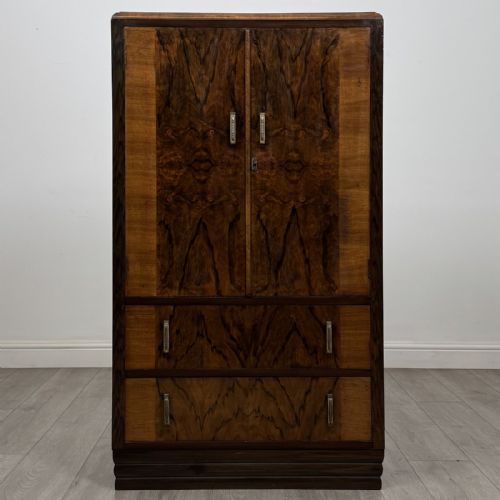
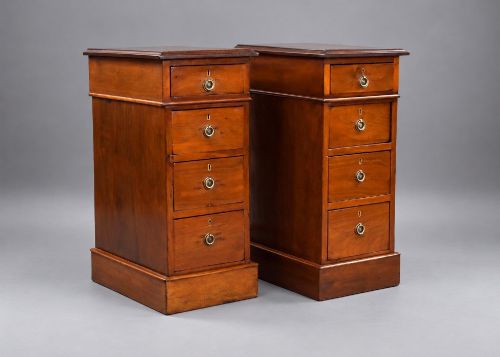
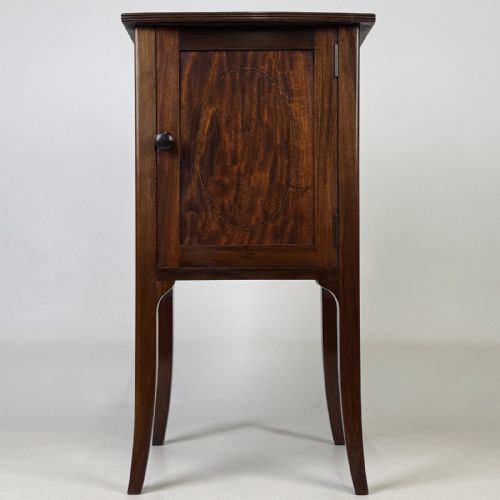
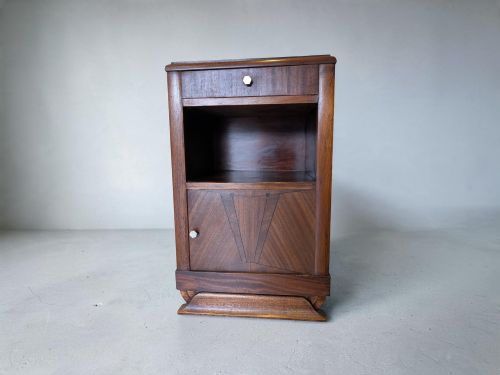
Small bedroom cupboards solve space issues with genuine period character, offering compact storage in mahogany, walnut and oak.
Small Bedroom Cupboards
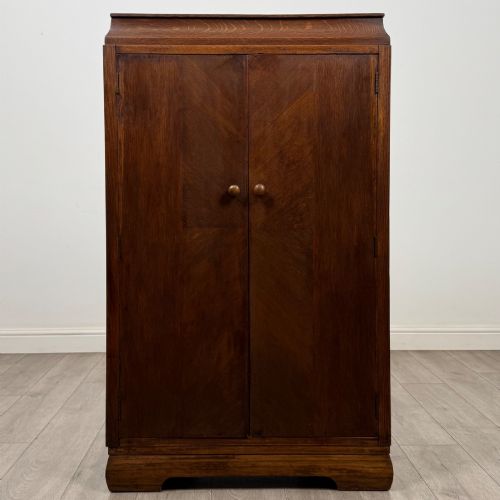
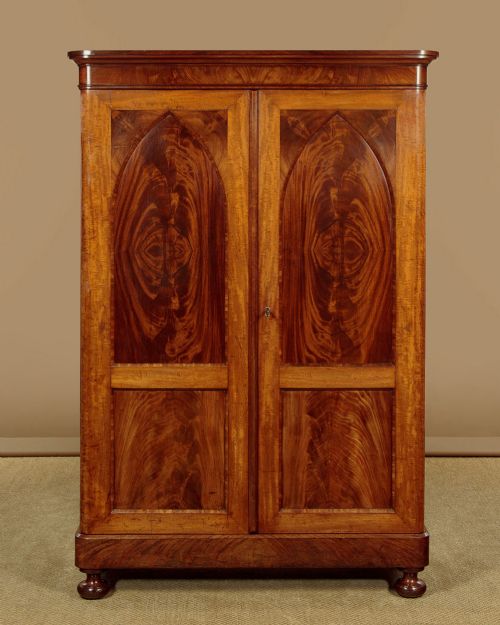
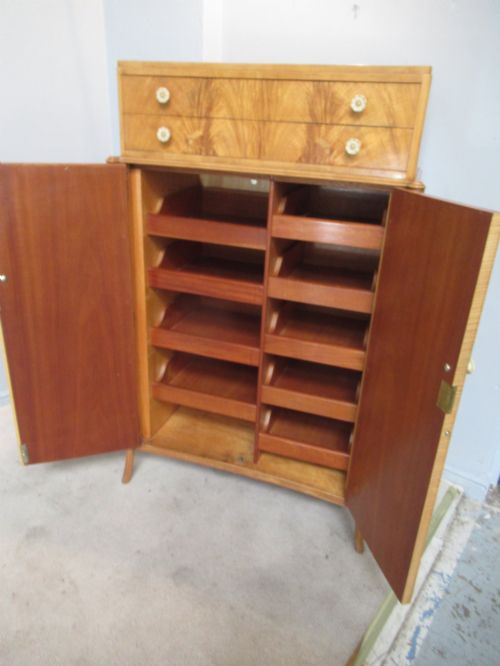
Small bedroom cupboards comprise compact pieces designed for sleeping quarters, encompassing bedside cabinets, night lockers, small wardrobes, and linen presses. These items originate predominantly from the nineteenth and early twentieth centuries, spanning Georgian, Victorian, Edwardian, and Art Deco periods.
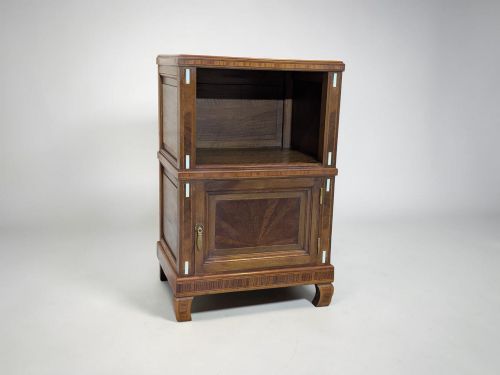
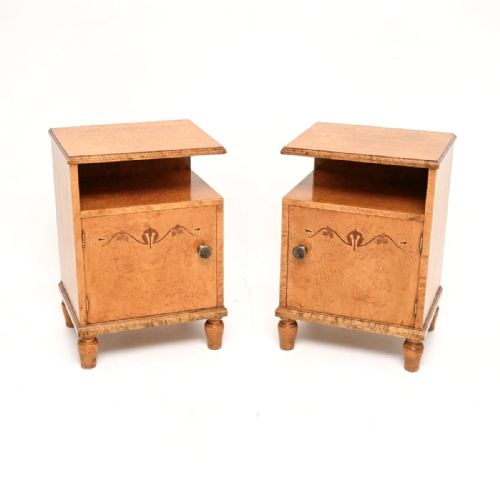
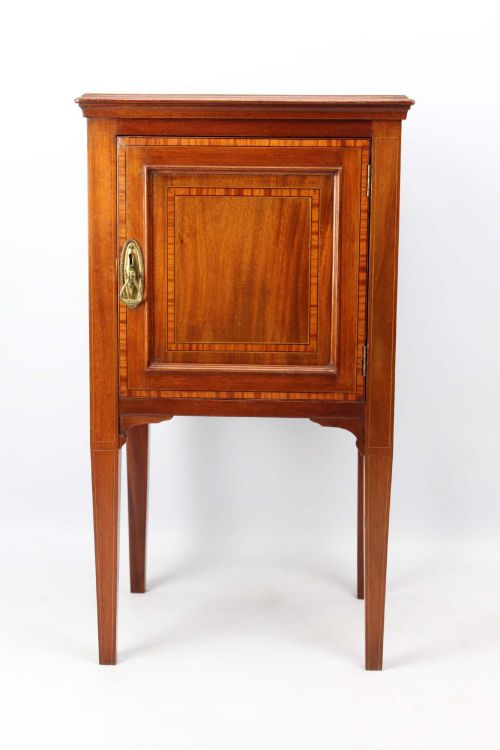
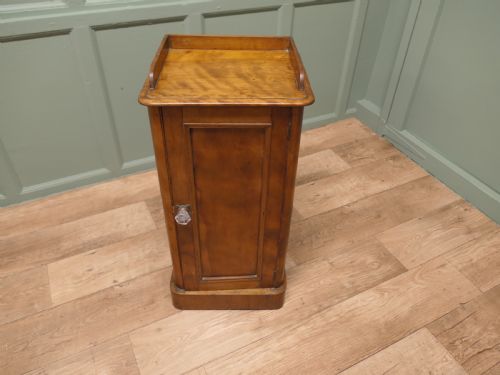
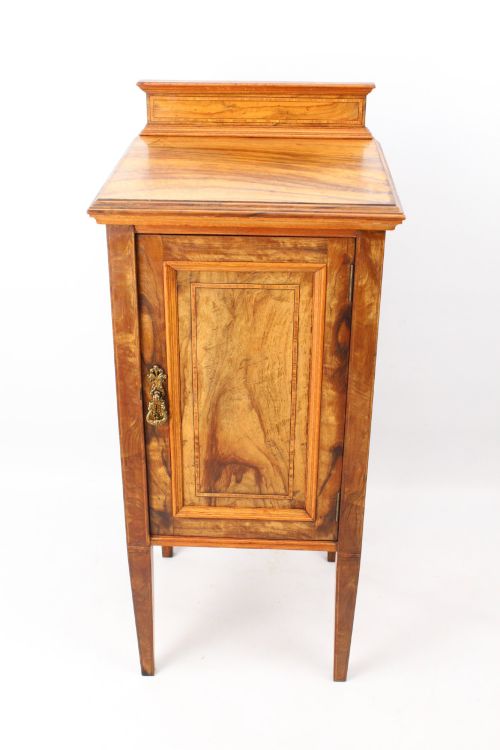
Forms range from simple nineteenth-century pot cupboards with single doors to pairs of burr walnut bedside chests and inlaid Edwardian cabinets. Each item provides functional storage tailored to smaller rooms while retaining distinct stylistic traits of its era.
Woods and construction methods
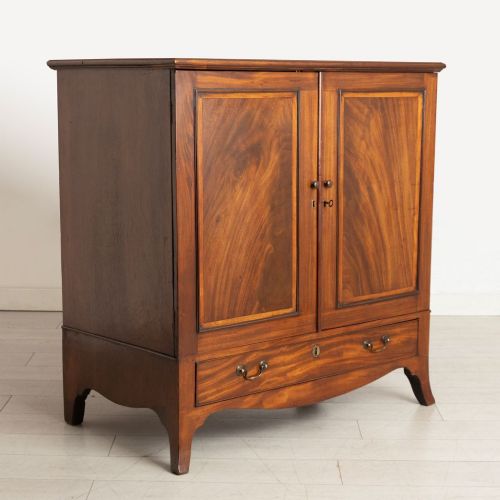
Cabinet makers utilised solid timbers alongside decorative veneers, relying heavily on mahogany, walnut, and burr walnut across the nineteenth and twentieth centuries. Flame mahogany veneer, satinwood, maple, and birch also appear frequently to create contrasting panels and figured surfaces.
Construction techniques involve traditional joinery paired with detailed decorative elements such as inlaid stringing, bow fronts, and carved mouldings. Brass hardware, including handles and hinges, finishes pieces from the Victorian and Edwardian eras alongside metal components on later Art Deco designs.
Small Bedroom Cupboards Retail Price Guide 2026
Typical asking prices for small bedroom cupboards among the pieces listed under this phrase on Sellingantiques today, from the lower quarter to the upper quarter. They describe what is for sale here now, not the wider market.
Early bedside cabinets served as discreet night lockers to keep chamber pots out of sight until morning.
Craftsmanship and timber selection
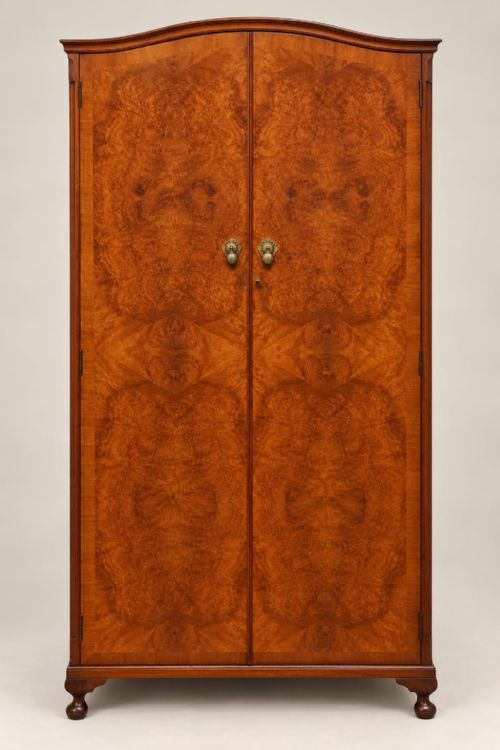
Quality separates along the depth of figuring in timber selections, particularly in burr walnut, flame mahogany, and birds eye maple veneers. Finer examples display carefully matched grain patterns across doors and drawer fronts rather than uniform commercial planking.
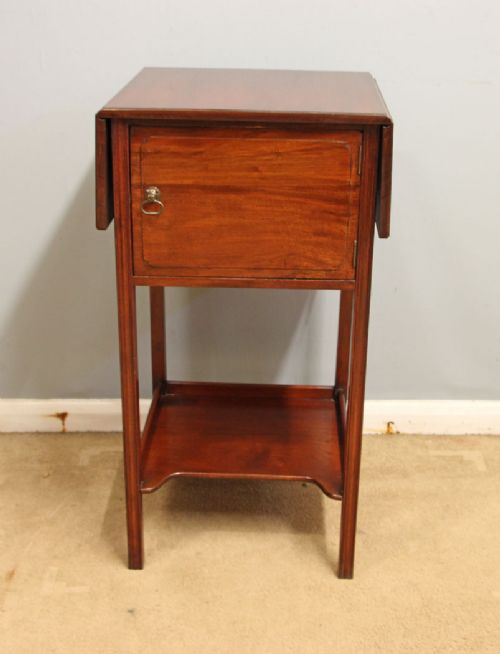
Execution of fine details defines superior pieces, from crisp marquetry inlay and well-fitted drop flaps to solid brass hardware and smoothly running drawer linings. The integrity of the internal carcass and original backboards further distinguishes workshop standards.
Maple and Co
The Small Bedroom Cupboards Glossary
- Pot cupboard
- A small bedside cabinet originally built to house a chamber pot behind a single door. These pieces often feature an enclosed top surface and a lower shelving compartment.
- Night locker
- An alternative nineteenth-century term for a bedside cupboard used to store personal items overnight. They typically feature a single cupboard door or a combination of small drawers.
- Compactum
- A multi-functional wardrobe providing hanging space alongside fitted drawers and shelves within a single unit. These pieces maximise interior capacity while maintaining a smaller footprint.
- Commode
- A low enclosed chest of drawers or cabinet originating from earlier periods and adapted for bedroom storage. Eighteenth and nineteenth-century examples often employ oak or mahogany construction.
Small Bedroom Cupboards: Frequently Asked Questions
What fits inside a small bedroom cupboard?
These compact pieces typically house bedside essentials, books, and smaller garments depending on whether they take the form of a cupboard or a drawer chest.
Larger variants like compactum wardrobes or linen presses provide hanging space and partitioned shelving suited to restricted room layouts.
How do I date a Victorian bedside cabinet?
Victorian pieces often display characteristic timber choices such as rich mahogany or figured burr walnut, alongside hand-dovetailed drawer construction and turned wooden handles.
Examining the internal secondary woods and backboards helps confirm the nineteenth-century manufacturing period.
Are bedside cabinets sold as pairs?
Many listings feature matched pairs of bedside chests or cabinets, particularly from the Victorian, Edwardian, and Art Deco eras.
Single cabinets also appear frequently for buyers seeking a standalone piece beside a bed or in a hallway.
How do Art Deco pieces differ?
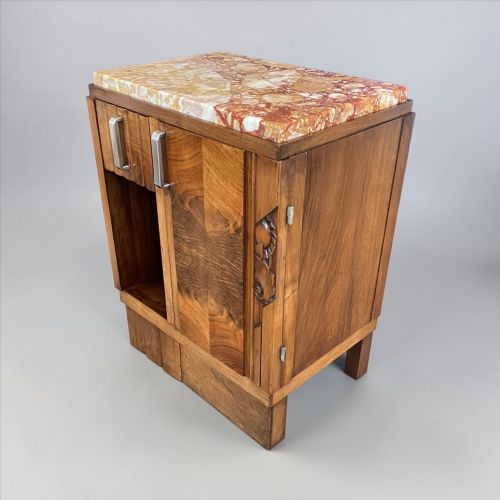
Art Deco bedside tables and wardrobes from the 1930s embrace streamlined geometric forms and exotic timbers like birds eye maple and satin birch.
These designs discard traditional ornamentation in favour of clean architectural lines and contrasting veneer patterns.