
Small Area Carpet
When you search for small area carpet, you encounter hand-knotted tribal and village floor coverings that anchor compact spaces with rich historical character.
Small Area Carpet
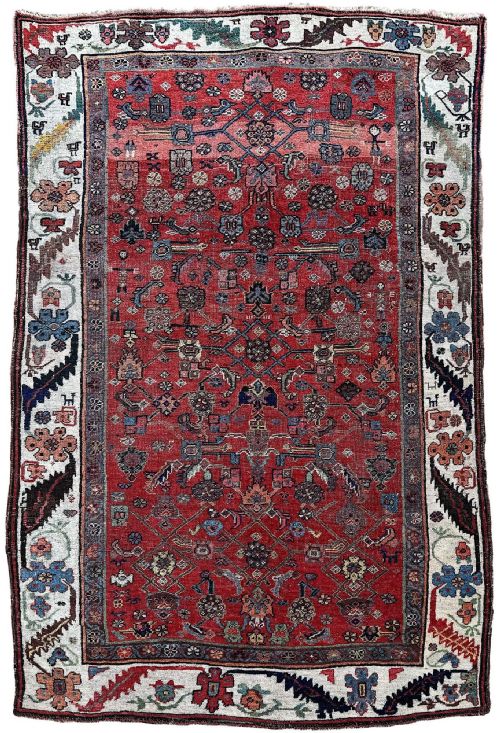
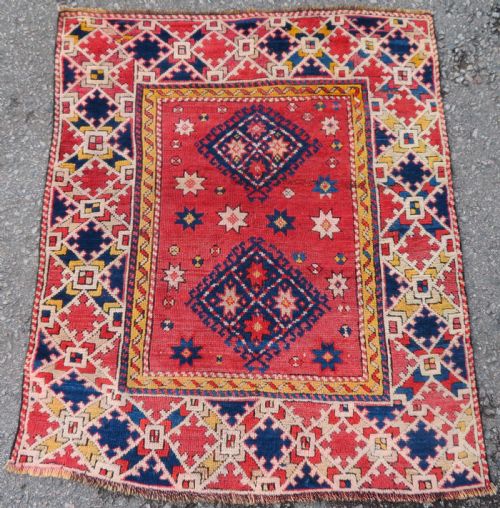
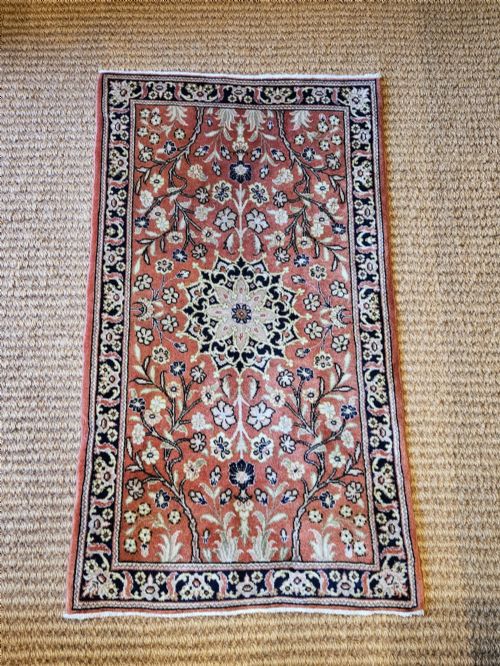
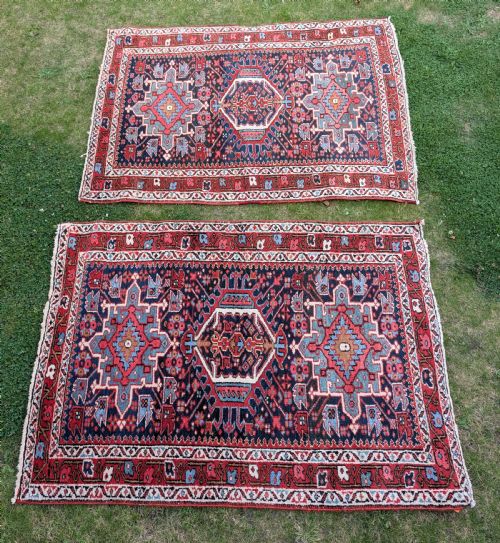
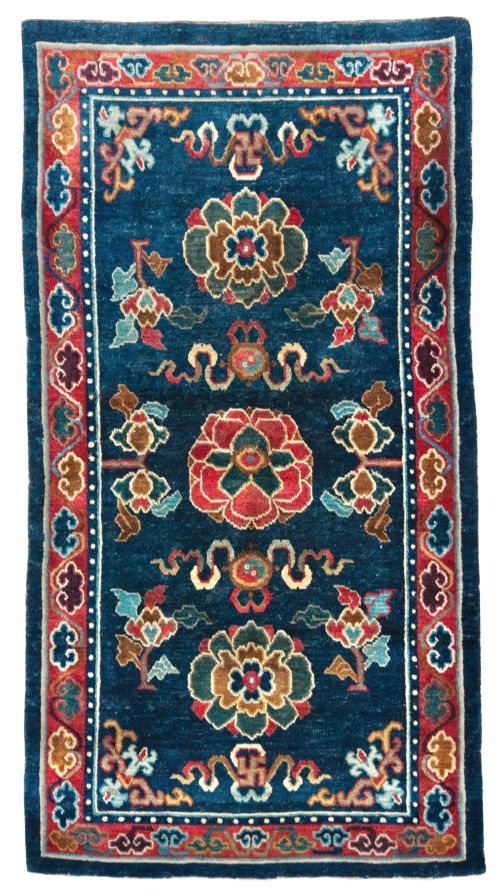
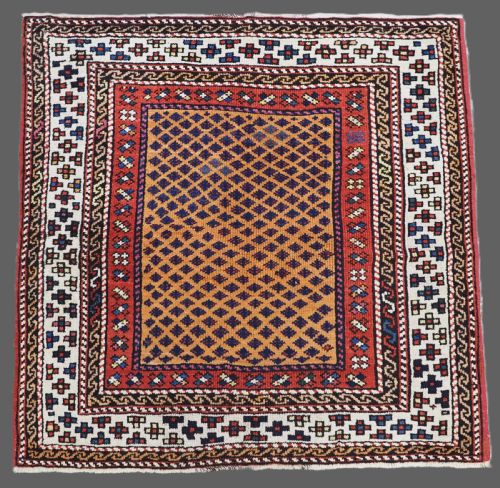
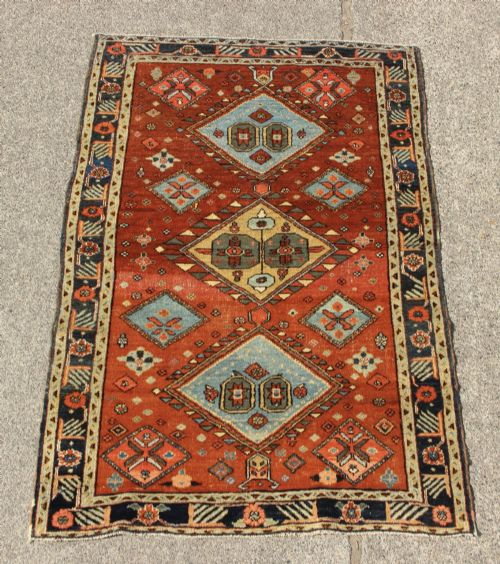
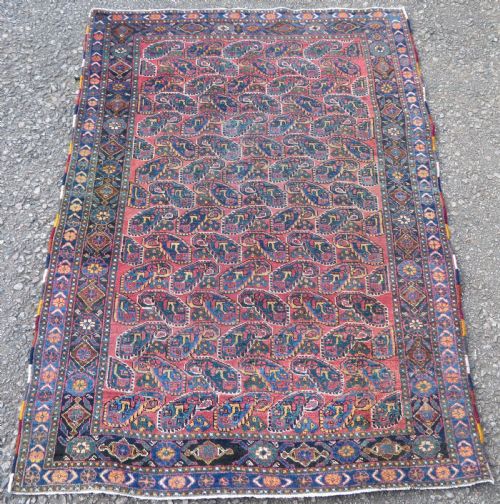
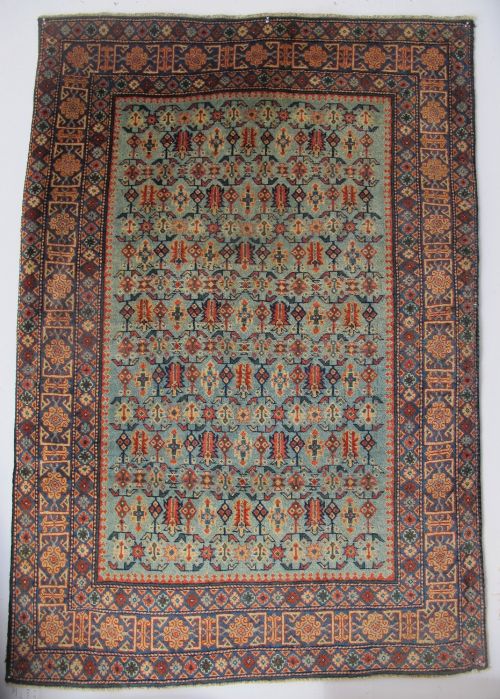
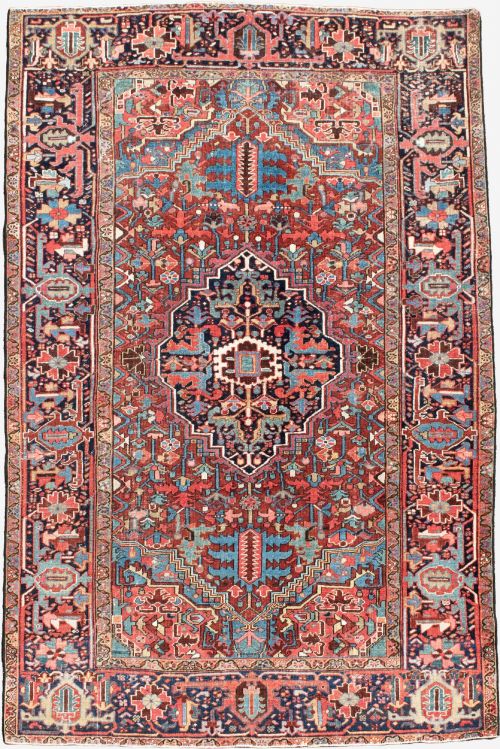
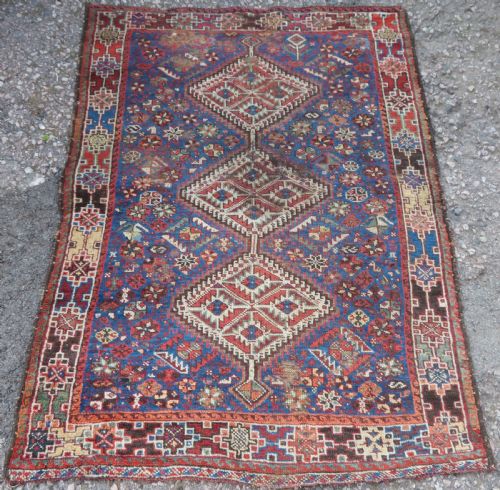
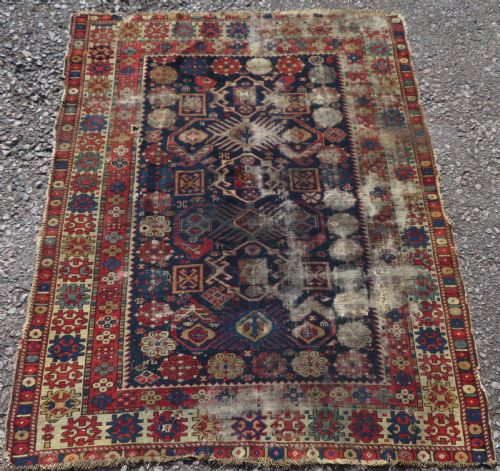
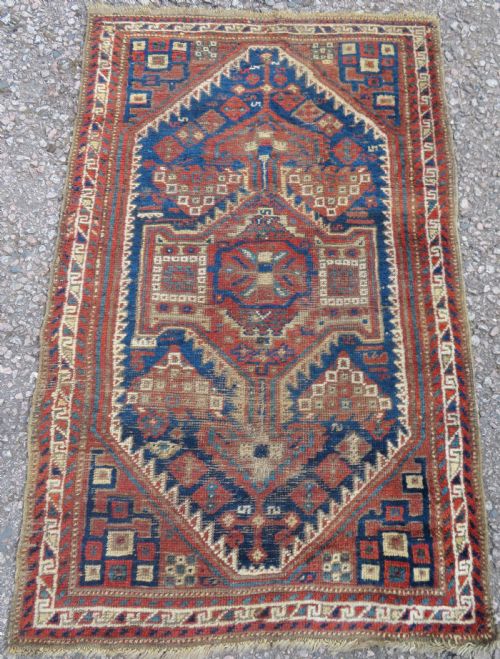
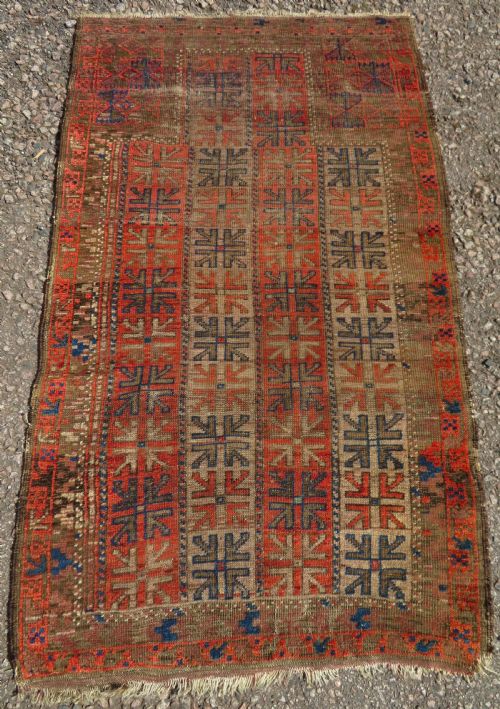
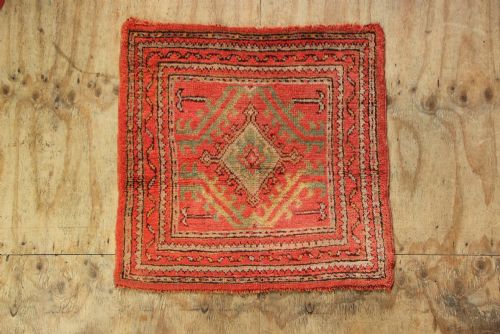
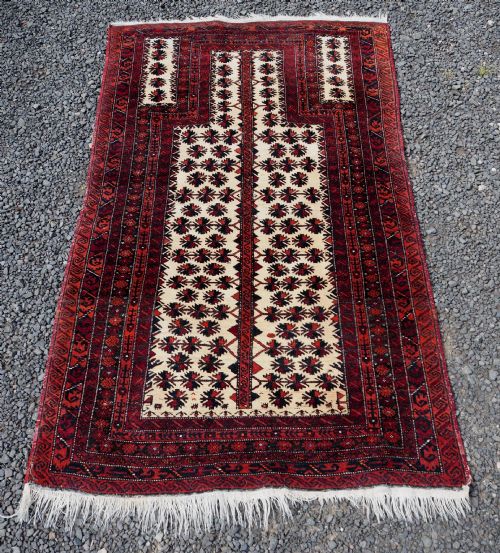
A small area carpet delivers dense pile and intricate geometric or medallion motifs scaled for intimate rooms, hearths, and narrow hallways. Buyers pursuing this search phrase meet antique Persian, Caucasian, Turkish, and Turkmen formats produced across the nineteenth and early twentieth centuries.
The selection ranges from square Anatolian Bergama examples and Kurdish village pieces to nomadic Afshar, Baluch, and Khamseh tribal work. Regional weaving traditions dictate the specific palette, border arrangements, and knotting density found in each piece.
Makers utilised traditional looms to construct practical floor coverings intended for daily domestic use inside village houses, nomad tents, and urban households. Surviving specimens preserve the distinct cultural symbolism and utilitarian craftsmanship of their originating communities.
Materials and construction
Weavers constructed these pieces using hand-spun wool for the pile, combined with wool or cotton foundations such as a sturdy cotton warp. Natural dyes provided the deep reds, indigos, and earthy tones that sustain their visual depth over decades of wear.
Nomadic and village workshops employed asymmetric or symmetric knots tied by hand onto vertical or horizontal frames. Finishing touches involved overcast sides and secured ends to protect the structure from fraying along the perimeter.
Listings feature pieces dated from the nineteenth century through the 1930s, constructed predominantly from wool, cotton, and natural dyes.
Distinctions in standard
Quality rests upon the fineness of the knotting and the crispness of the design execution, which reflects the weaver's control over the loom. Denser foundations yield greater durability and sharper definition within geometric or pictorial motifs.
The integrity of the natural dye palette and the preservation of original borders and selvedges separate superior examples from heavily compromised pieces. Abrash, or subtle tonal shifts within a single field colour, demonstrates organic dyeing methods rather than a manufacturing flaw.
The Small Area Carpet Glossary
- Warp
- The vertical foundation threads stretched lengthwise on the loom before knotting begins. The pile is tied around these stationary strings.
- Weft
- The horizontal threads passed back and forth across the warp strings after every row of knots to compact the structure.
- Pile
- The vertical tufts of wool or Tibetan wool clipped to form the soft surface of the rug. Its height influences the tactile feel and longevity of the piece.
- Abrash
- A subtle variation in colour shade caused by different batches of hand-spun wool or separate dye baths. This irregularity marks traditional dyeing methods.
- Prayer rug
- A small format featuring a distinct mihrab or arch design pointing towards Mecca. These pieces served personal devotional purposes.
- Selvedge
- The finished side edges of a rug formed by wrapping the outermost warp threads. Proper binding prevents the pile from unravelling.
Small Area Carpet: Frequently Asked Questions
How do I clean an antique rug?
Gentle surface brushing and professional specialist washing preserve the delicate hand-spun wool fibres.
Avoid harsh chemical immersion or abrasive scrubbing to protect the natural dyes.
Can I place these rugs in high traffic areas?
Sturdy wool construction handles moderate foot traffic in hallways, studies, and bedrooms.
Fragile or heavily distressed pieces benefit from placement in low-traffic zones to prevent further wear.
How do I identify a tribal rug?
Tribal pieces display asymmetrical geometric patterns, stylized animals, and hooked medallions woven by nomadic groups.
Their designs rely on generational memory rather than printed cartoons used in city workshops.
What is a prayer rug used for?
The architectural arch motif indicates a sacred space directed towards Mecca during daily Islamic prayers.
Collectors appreciate them for their compact dimensions and symbolic iconography.