




Small Wall Art
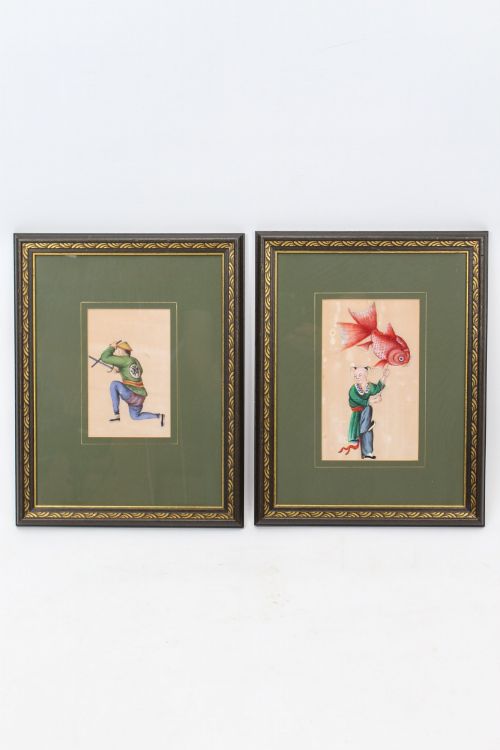
Small antique wall art brings intimacy to a room, offering compact oil paintings, watercolours, and carved wooden cabinets that reward close inspection.
Small Wall Art
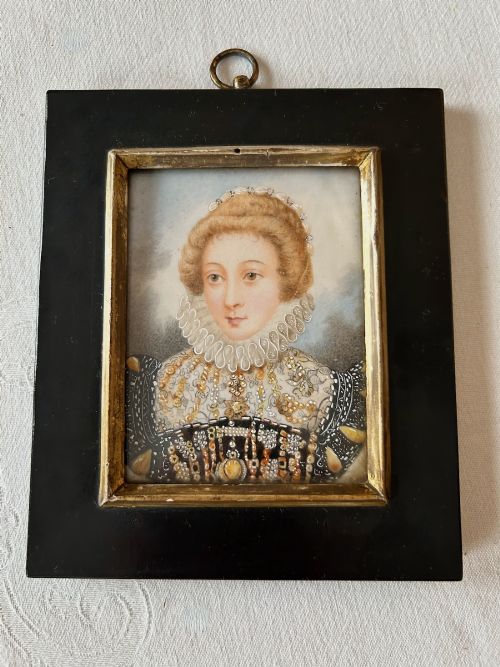
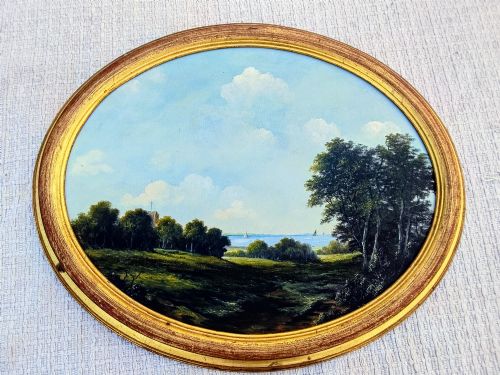
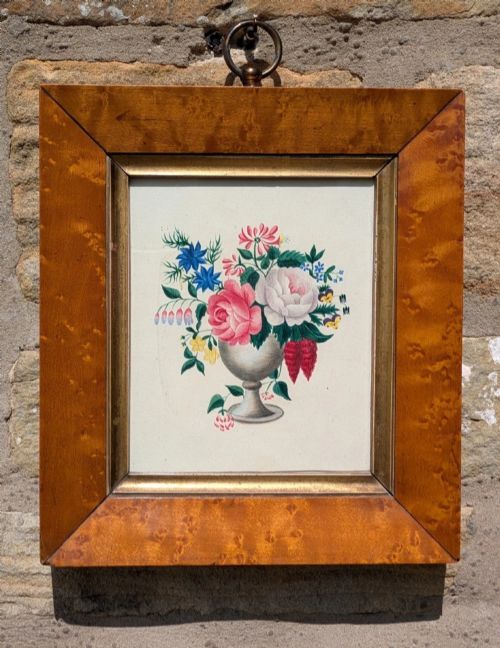
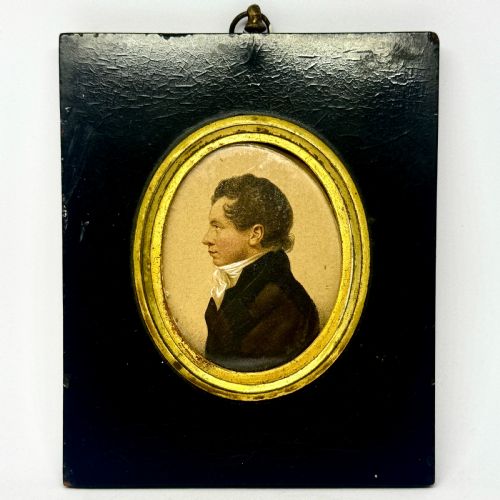
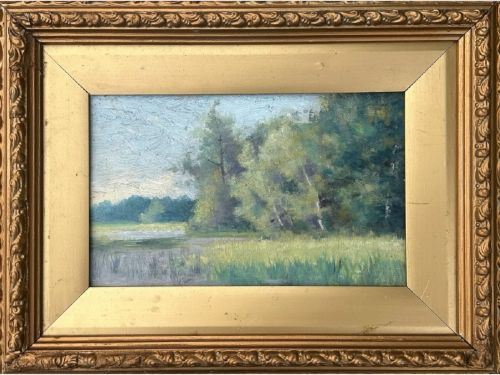
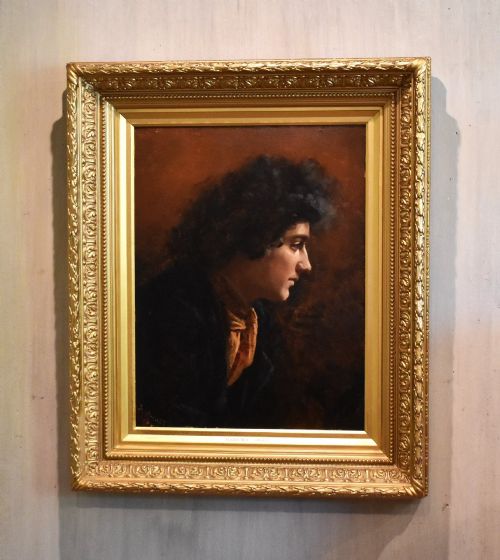
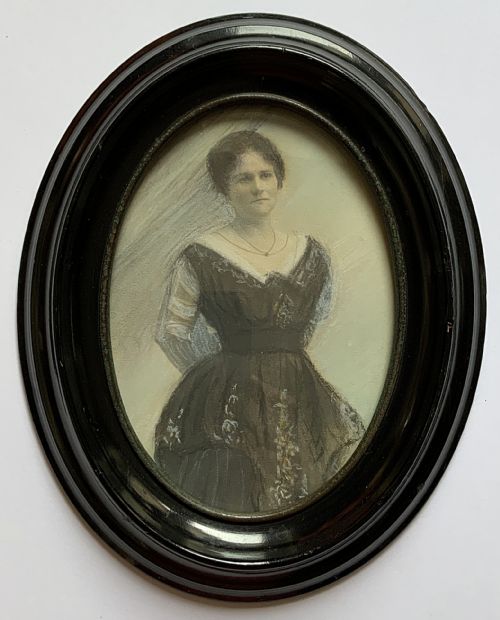
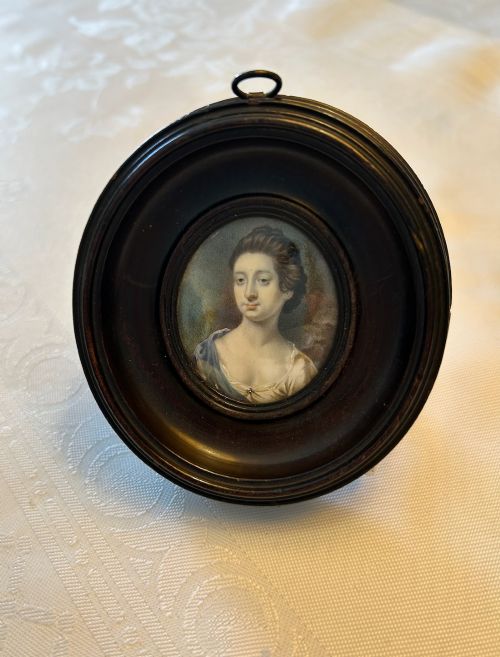
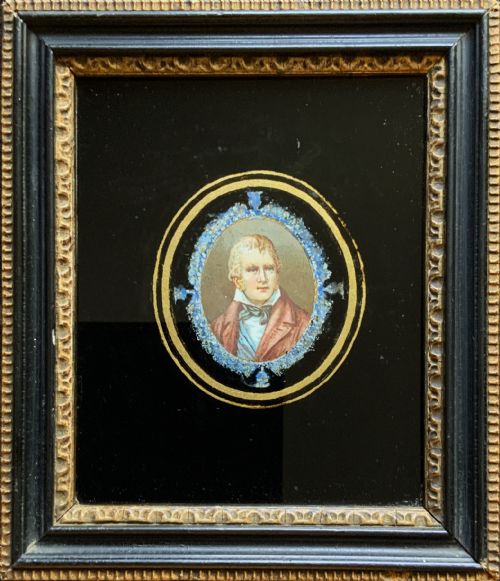
Small antique wall art encompasses a diverse range of hanging pieces designed for domestic spaces, including portrait miniatures, botanical watercolours, and landscape oil paintings. Buyers seeking this phrase regularly encounter framed works on paper, canvas, and wooden panels alongside functional wall-mounted storage.
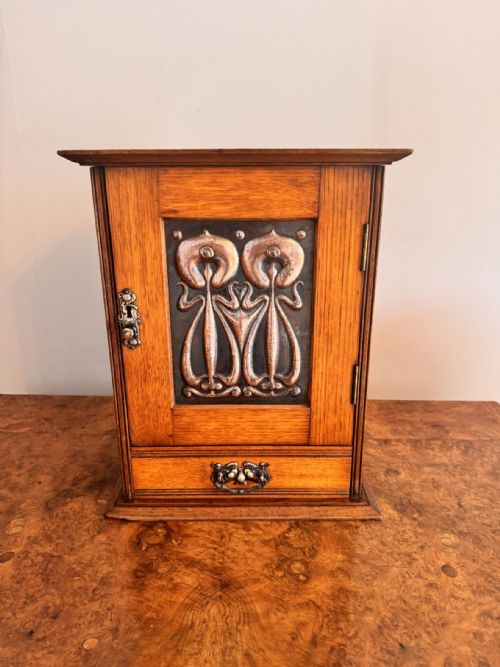
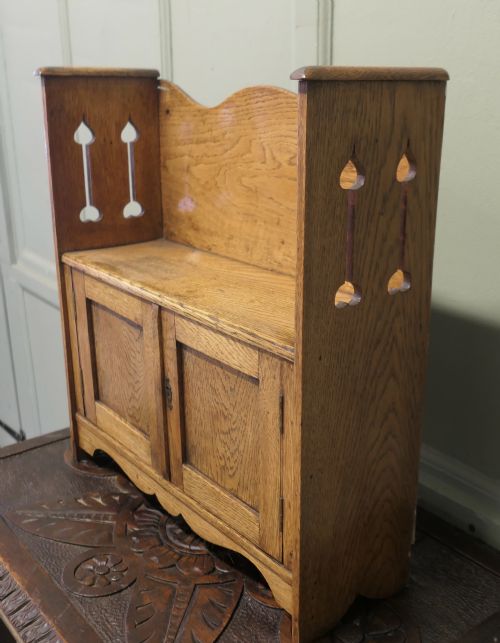
The selection on this page draws heavily from nineteenth-century production, featuring Regency, Victorian, and Edwardian examples. Alongside paintings, the category embraces carved oak cupboards, ebonised frames, and brass-accented wall cabinets that serve as decorative fixtures.
Origins span British regional schools alongside continental European pieces, reflecting varied domestic tastes from the Georgian era into the early twentieth century. These objects function simultaneously as visual art and practical wall furniture.
Materials and construction methods
Makers utilised traditional supports including wooden panels, canvas, ivory, and paper for paintings and miniatures, framing them in moulded wood, ebonised finishes, and gold leaf. Cabinets and shelves employ solid oak, beech, and mahogany, often enhanced with carved details or pokerwork.
Pigments range from oil and watercolour to pastel and acrylic, applied with fine brushes to capture intricate details in miniature portraits and landscape scenes. Joinery in wall-mounted cupboards relies on traditional pinning and dovetailing to ensure stability when hung.
Materials span oil paint, watercolour, ivory, brass, and ebonised wood across multiple European schools.
Distinctions in quality
Quality rests in the precision of the brushwork and the crispness of any carved decoration, where confident lines distinguish accomplished studio pieces from simpler domestic output. The harmony between a painting and its original frame dictates the integrity of the piece.
Material selection marks the upper tiers of the range, visible in finely figured timber grains, stable ivory grounds for miniatures, and well-preserved gilding on frames. Structural soundness in hanging cabinets and shelves separates robust craftsmanship from loose assembly.
Henri Fradelle·Richard Cosway·Maud Raphael Jones·Florence Small·Evelyn Chester·Eugene Verboeckhoven·J. Phipps·M. C. Hider·George Hargreaves
The Small Wall Art Glossary
- Portrait miniature
- A small-scale painting, frequently executed on ivory, vellum, or card, capturing the likeness of an individual. These items were often kept as personal tokens or mementos.
- Gilt gesso
- A plaster-like material applied to wooden frames and carved before being coated in gold leaf. This technique creates ornate, reflective surface decoration.
- Pokerwork
- A method of decorating wood by burning designs into the surface with heated metal tools. It appears frequently on Arts and Crafts wall cupboards.
- Ebonised wood
- Timber treated with chemical stains or dark finishes to imitate ebony. This dark treatment provides a sharp contrast for gilt frames and watercolour studies.
Small Wall Art: Frequently Asked Questions
How were portrait miniatures displayed?
Portrait miniatures were typically housed in small protective frames designed to hang closely on domestic walls or sit on surfaces within reach.
Their compact scale allowed owners to group several pieces together in intimate spaces.
Where were wall cabinets used?
Small wall-mounted cupboards and shelves found placement in parlours, hallways, and bedrooms for storing small valuables or displaying ceramics.
They maximised floor space while adding architectural interest to plain walls.
How do I date a painted miniature?
Dating relies on the sitter's costume, hairstyle, and the specific composition style characteristic of periods like the Regency or Victorian eras.
The materials of the support, such as ivory or prepared card, also point towards specific decades.
Are original frames important?
Original frames provide historical context and ensure the artwork maintains its intended aesthetic balance.
Matching the frame style to the period of the painting confirms the piece's integrity.