


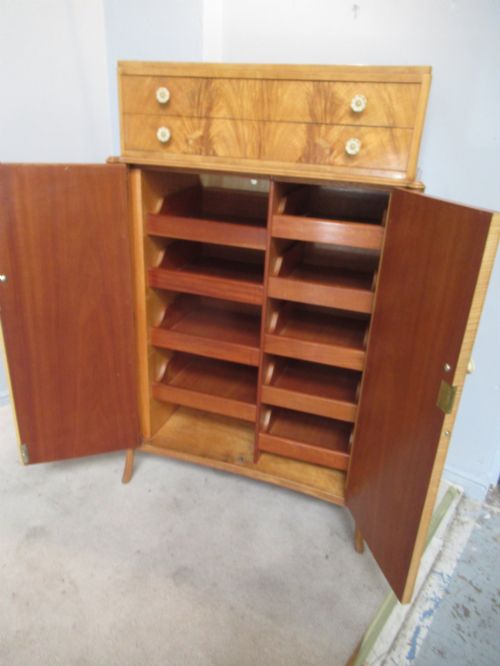
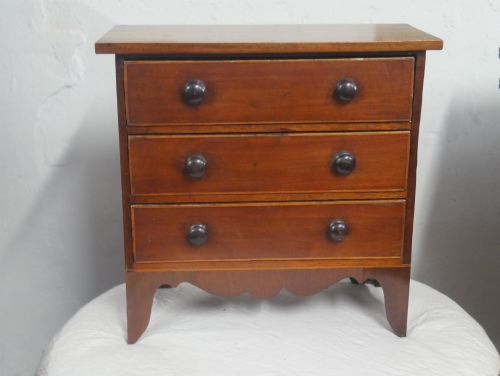
Small Cupboard
A small antique cupboard offers compact storage with traditional character, appearing across periods from the eighteenth century through the Edwardian era in timbers like oak, mahogany, and pine.
Small Cupboard
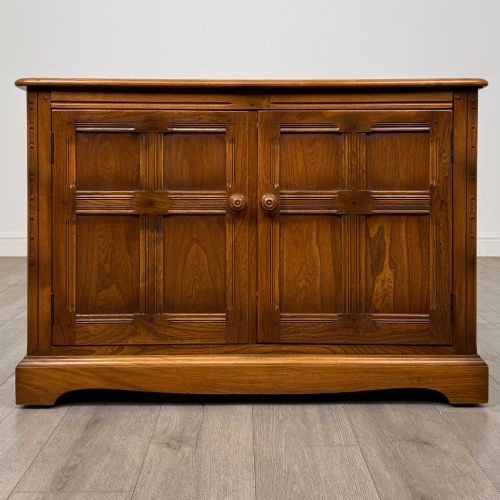
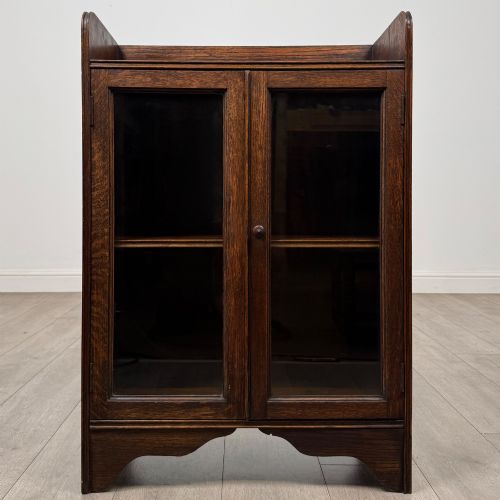
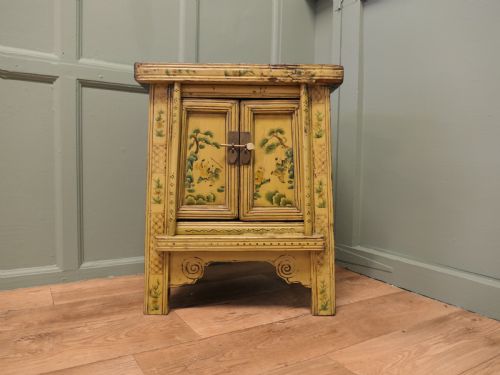
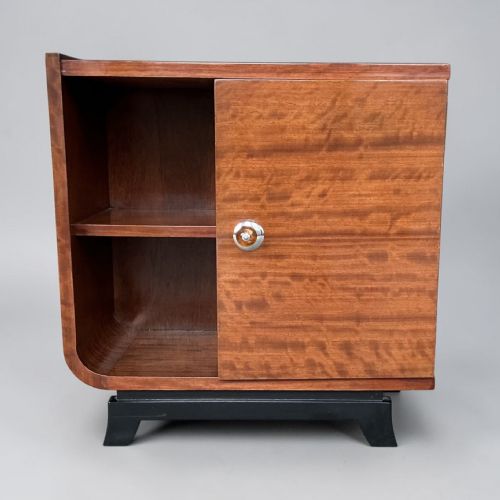
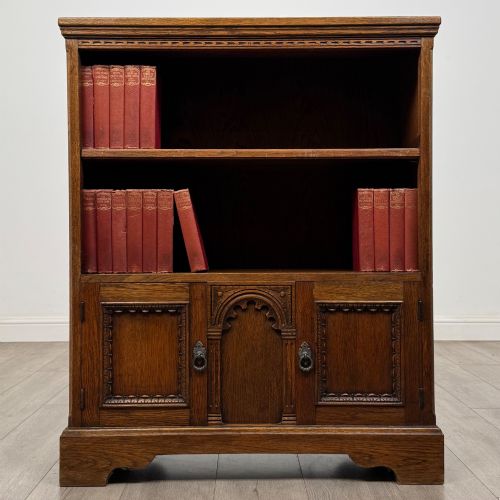
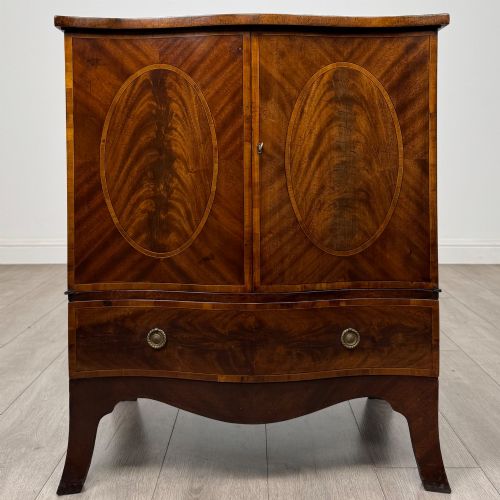
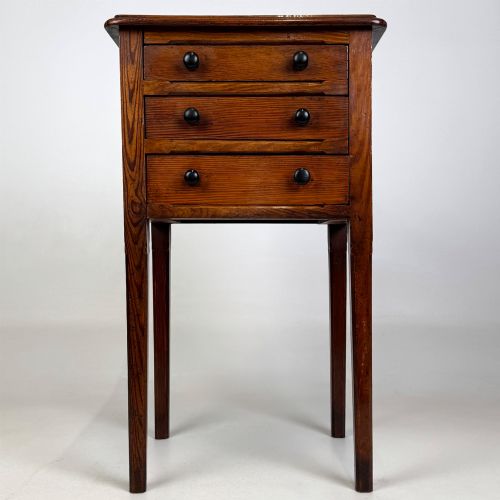
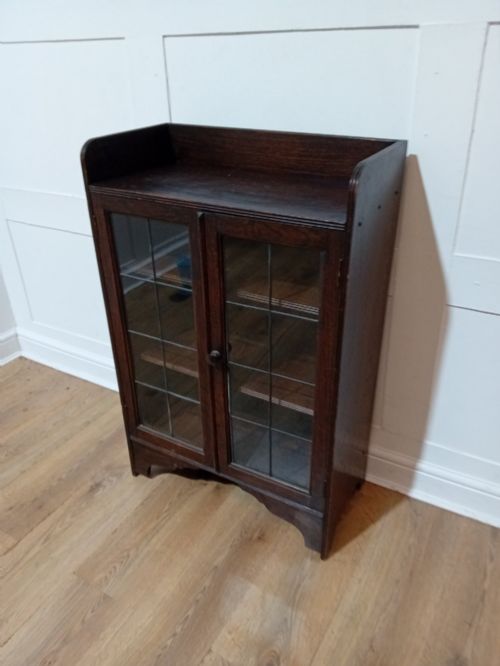
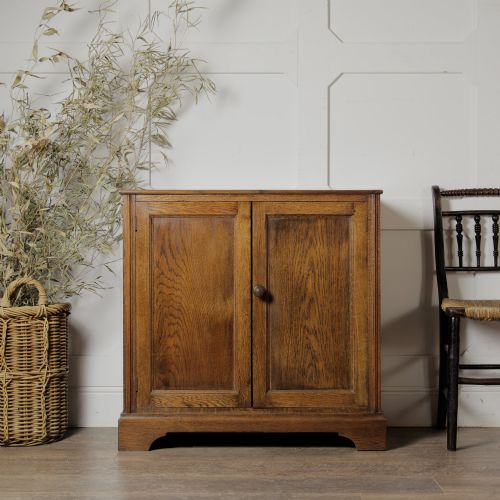
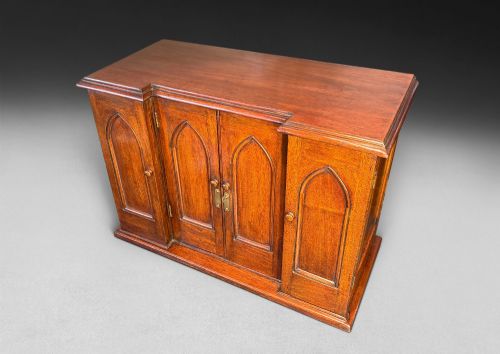
A small antique cupboard serves as a compact storage solution, encompassing bedside tables, wall-hanging spice receptacles, corner units, and diminutive side cabinets.
The pieces on this page span several centuries, with eighteenth-century oak and mahogany examples sitting alongside Victorian pine and Edwardian walnut creations.
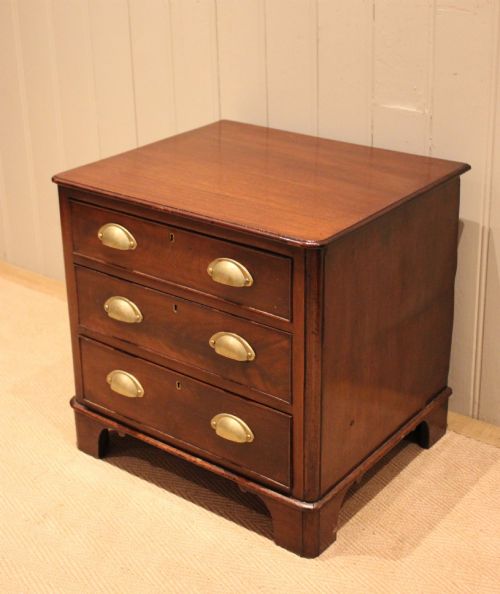
Buyers frequently encounter bedside variants, wall cabinets, and miniature chests designed for smaller domestic spaces while retaining period details.
How they were made
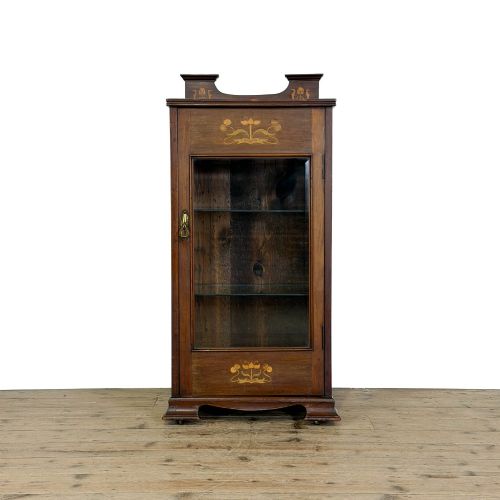
Cabinetmakers utilised solid timbers such as oak, mahogany, walnut, and pine, frequently applying decorative veneers or intricate inlay work.
Construction methods involved traditional joinery, panelled doors, and carved ornamentation, complemented by brass handles, hinges, and occasional glass panels.
Small Cupboard Retail Price Guide 2026
Typical asking prices for small cupboard among the pieces listed under this phrase on Sellingantiques today, from the lower quarter to the upper quarter. They describe what is for sale here now, not the wider market.
Listings feature pieces spanning the 17th, 18th, 19th, and 20th centuries, created in oak, mahogany, walnut, pine, and satinwood.
What varies in quality
The standard of a small antique cupboard rests upon the selection of timber, the crispness of any hand-carved detailing, and the integrity of the original joints.
Superior examples display balanced proportions, matching grain patterns in veneers, and unmodified brass hardware that reflects the period of manufacture.
Maple & Co
The Small Cupboard Glossary
- Chinoiserie
- European imitation of traditional Chinese artistic styles, often featuring hand-painted lacquer decoration.
- Serpentine
- A curved furniture front characterised by a convex centre flanked by concave ends.
- Compactum
- A large fitted wardrobe or multi-compartment cupboard designed to hold various types of clothing efficiently.
- Apprentice piece
- A finely made miniature item created by a trainee artisan to demonstrate mastery of their craft.
- Inlay
- A decorative technique where contrasting materials are inserted into recesses within the solid wood surface.
Small Cupboard: Frequently Asked Questions
Where should I place a small antique cupboard?
These compact pieces suit smaller rooms, functioning well as bedside tables, hallway units, or hanging wall cabinets in kitchens and bathrooms.
Their restrained proportions allow them to fit into tight alcoves while providing genuine period storage.
How do I identify the wood used?
Examination of the grain, weight, and colour helps determine the timber, with oak showing distinctive medullary rays and mahogany offering a rich reddish-brown tone.
Pine appears lighter and softer, whereas walnut and satinwood display prominent decorative figuring.
Are these cupboards suitable for daily use?
Solid construction in timbers like oak and mahogany ensures these pieces remain robust and functional for everyday domestic storage requirements.
Care should be taken to maintain appropriate humidity levels to protect antique wood and historical finishes.
How do I distinguish between Victorian and Edwardian examples?
Victorian pieces tend to utilise heavier timbers with darker finishes and ornate carving, reflecting the styles of the nineteenth century.
Edwardian items often exhibit lighter golden oak, satinwood, or burr walnut, accompanied by simpler, refined silhouettes.