




Small Bookcase Drawers
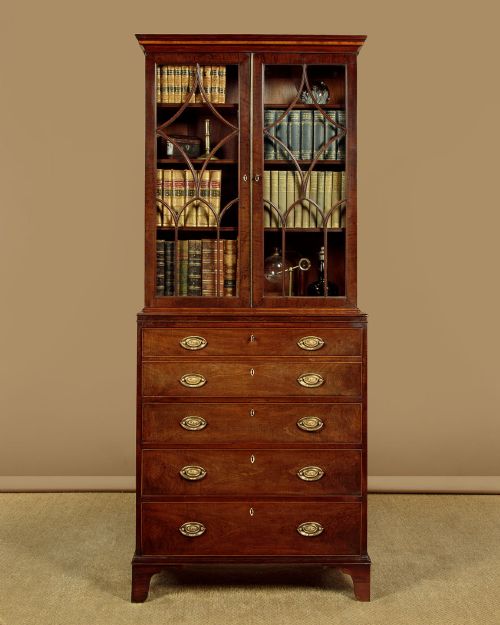
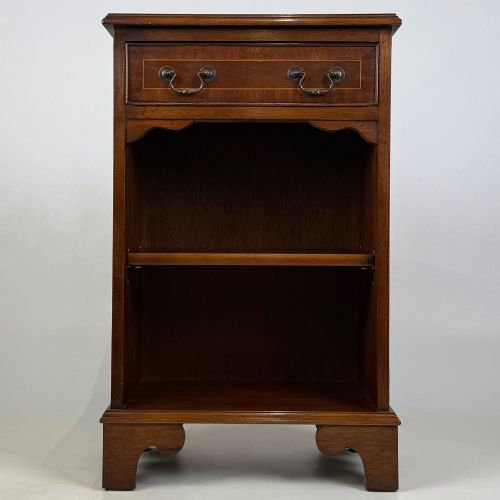
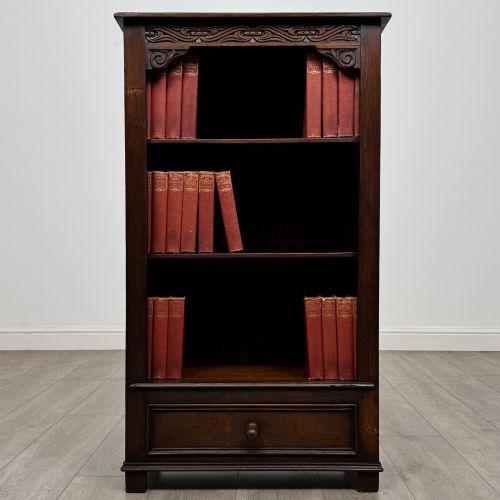
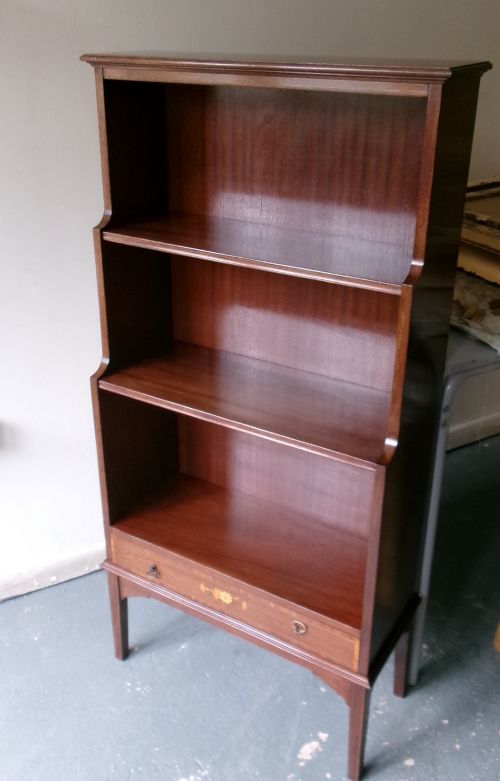
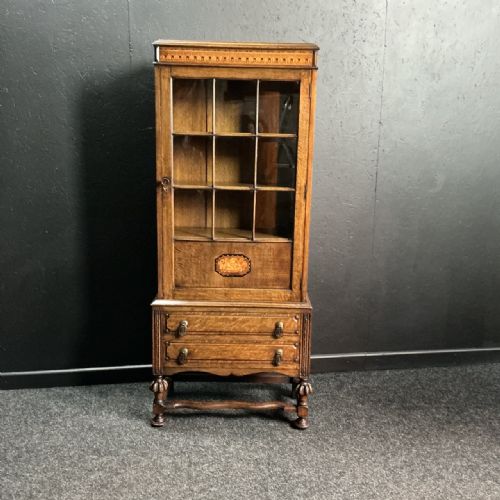
Small antique bookcase drawers solve tight spaces by pairing compact book storage with useful sliding compartments.
Small Bookcase Drawers
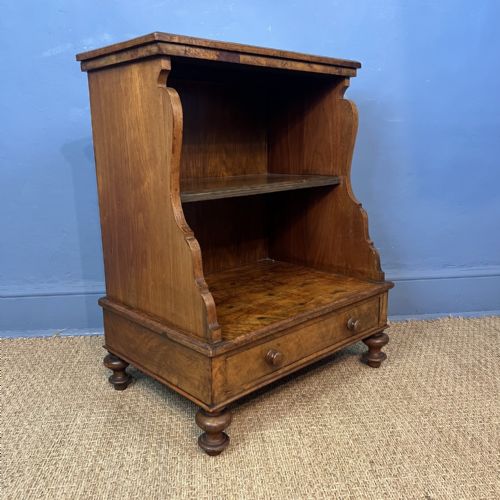
These pieces combine book storage with integrated drawer compartments in compact footprints suitable for modest rooms. Buyers searching for small antique bookcase drawers often find bureau bookcases, secretaire variants, and open shelves fitted with single or multiple drawers below the shelving tier.
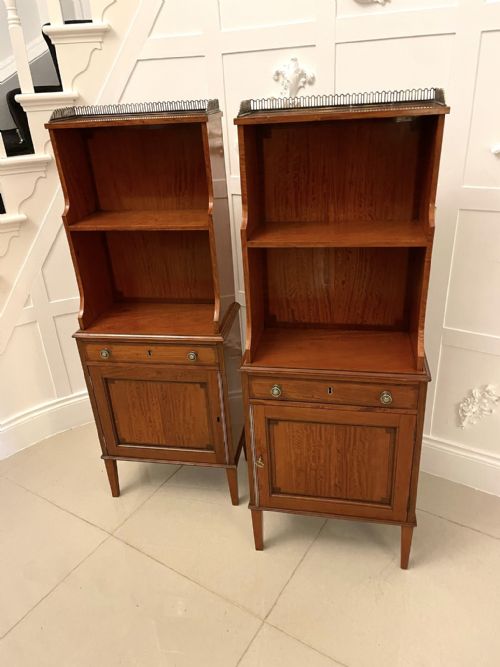
The material palette spans mahogany, oak, walnut, and satinwood, often decorated with inlay or figured veneers. Examples range from Georgian and Late Georgian periods through Victorian, Edwardian, and 1930s revivals including Queen Anne and Jacobean styles.
How they were made
Construction relies primarily on timbers such as mahogany, oak, and walnut, frequently enhanced by burr walnut or figured mahogany veneers. Brass fittings provide hardware for drawers and cabinet doors.
Listings feature woods including mahogany, oak, walnut, satinwood, and burr walnut across periods spanning the eighteenth century to the 1930s.
What varies in quality
Timber selection dictates the distinction between standard and superior examples, particularly where figured veneers and satinwood are employed. Figured grain patterns and matching timber on drawer fronts elevate the visual merit of a piece.
Joinery execution and the integration of secondary woods influence structural integrity. Well-fitted drawers, precise inlay work, and original brass hardware distinguish finer pieces from simpler utilitarian items.
Gillows
The Small Bookcase Drawers Glossary
- Secretaire bookcase
- A cabinet featuring a pull-down writing drawer that conceals small drawers and pigeonholes beneath upper shelving. This form provides a desk surface without demanding the floor space of a separate bureau.
- Burr walnut
- A prized timber veneer harvested from walnut tree growths, displaying complex swirling grain patterns. It decorates high-status cabinet work across various historical periods.
- Waterfall bookcase
- A shelving unit where each successive shelf steps back from the one below, following a tiered profile. This style appears in oak and satinwood iterations.
- Chiffonier
- A low sideboard or cabinet featuring shelves or a drawer, originating in the nineteenth century for general storage. These pieces combine tabletop surfaces with enclosed lower compartments or drawers.
- Inlay
- The technique of embedding contrasting woods or materials into a timber surface to create decorative patterns. Edwardian and Georgian furniture frequently employs this method on drawer fronts and borders.
Small Bookcase Drawers: Frequently Asked Questions
Where did people use small antique bookcase drawers?
These compact units suited intimate residential spaces such as parlours, bedrooms, and private studies where larger library furniture proved impractical.
Their dual function allowed owners to store books while keeping writing materials and documents organised in the integrated drawers.
How do I care for mahogany and walnut surfaces?
Protect the wood by placing items away from direct sunlight and maintaining steady room humidity to prevent veneer splitting or timber movement.
Apply traditional wax polish sparingly and buff with a soft cloth to maintain the natural sheen of the timber.
How can I tell Edwardian pieces from Georgian ones?
Georgian examples from the eighteenth and early nineteenth centuries exhibit heavier proportions and timber handling typical of earlier cabinetmaking traditions.
Edwardian pieces from the early twentieth century often display lighter satinwood or mahogany frames, sometimes incorporating revival styles like Queen Anne or Jacobean details.