

Small Accent Furniture
Small accent furniture brings compact utility to a room through occasional tables, side tables, and small cabinets shaped by centuries of changing tastes.
Small Accent Furniture
Small accent furniture gathers together portable items designed to serve a specific spot in a room without dominating the floor plan. Side tables, lamp tables, wine tables, and occasional tables form the core of what is available.
Makers shaped these pieces across the Georgian, Victorian, and Edwardian periods, alongside later items from the 1920s and 1930s. Oak, mahogany, and walnut appear frequently across these smaller formats.
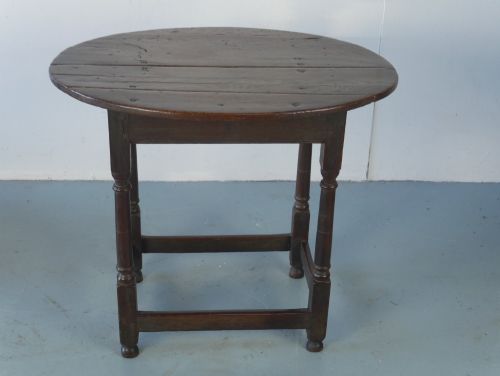
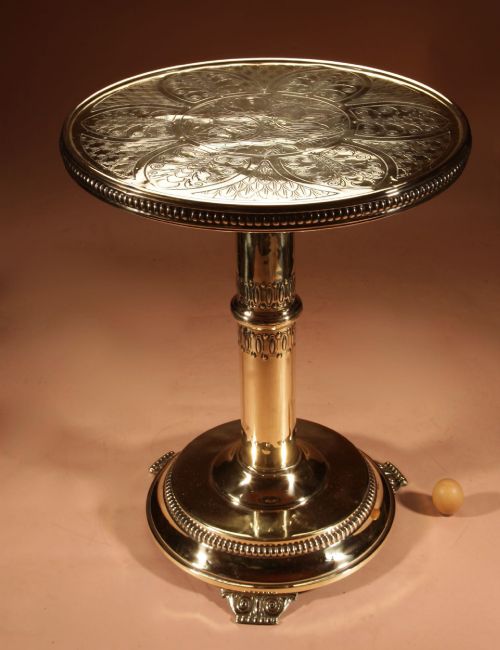
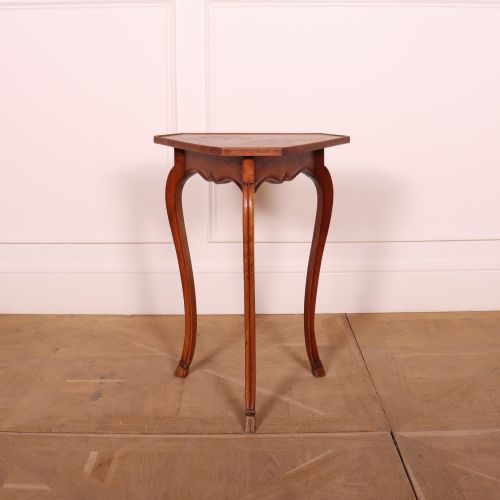
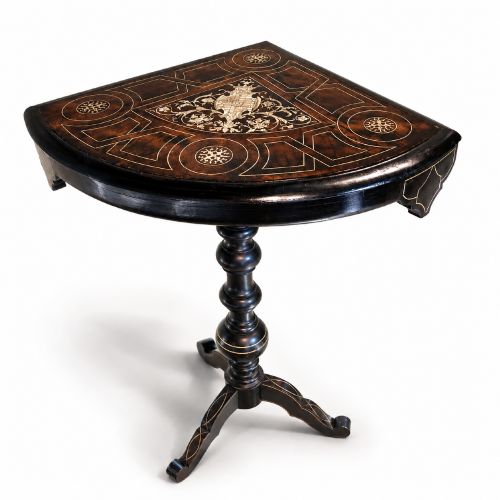
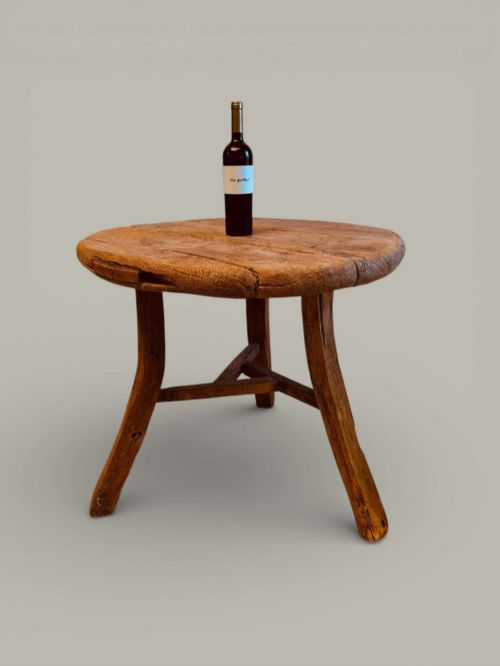
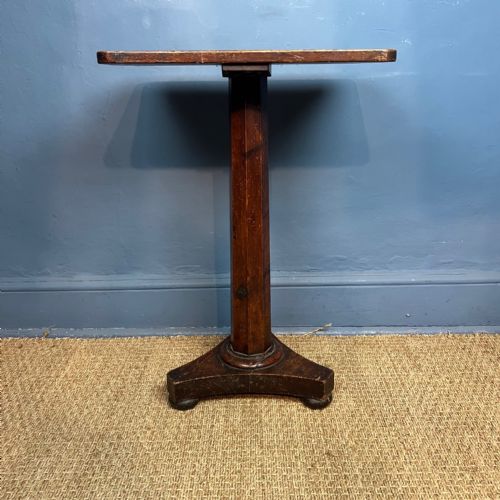
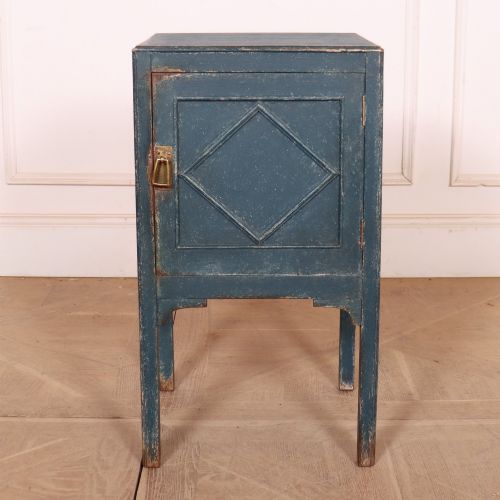
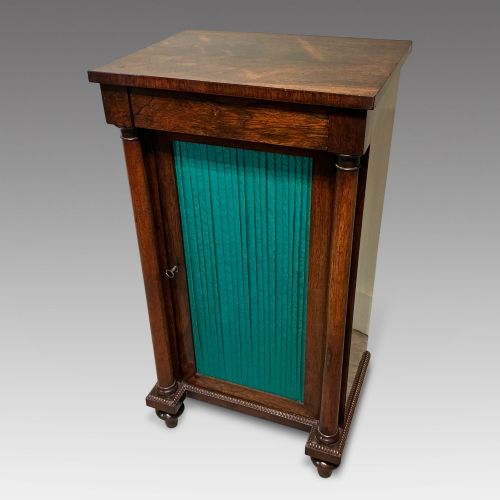
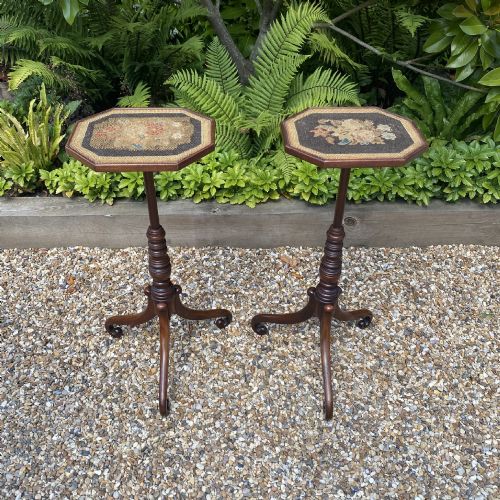
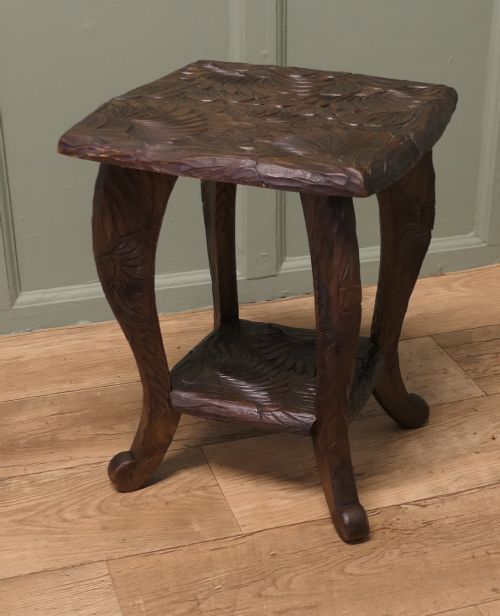
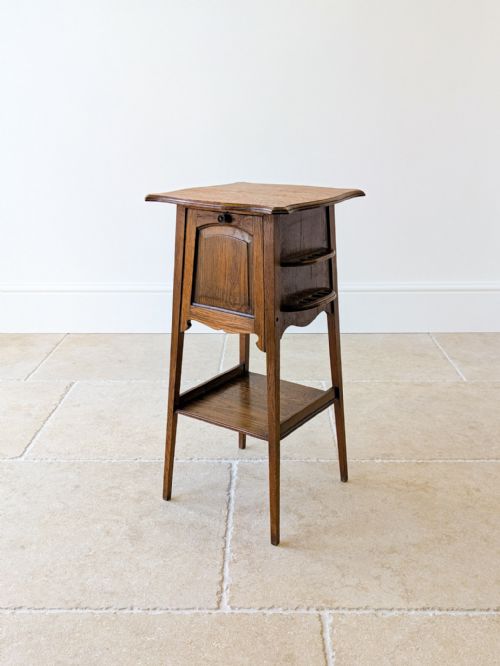
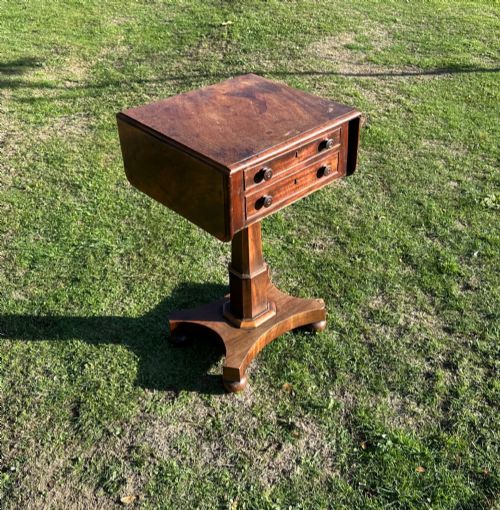
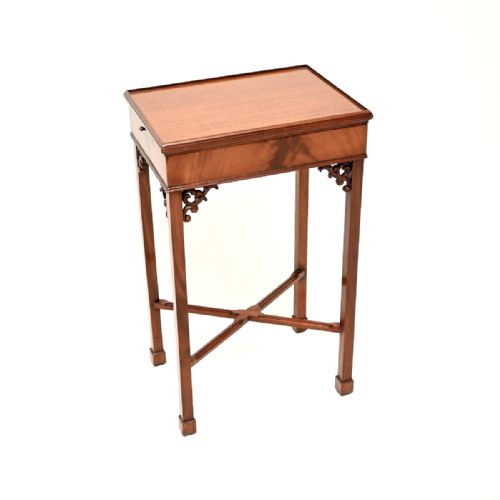
Buyers will most often meet occasional and side tables resting on tripod bases, four legs, or central pedestals. Miniature cabinets and plant stands also turn up to fill corners or hold objects.
Materials and Construction
Cabinetmakers utilised dense hardwoods like mahogany, oak, and walnut, frequently selecting figured veneers such as burr walnut, satinwood, and pollard oak for top surfaces. Beech and fruitwood also supplied secondary structures or simpler turned elements.
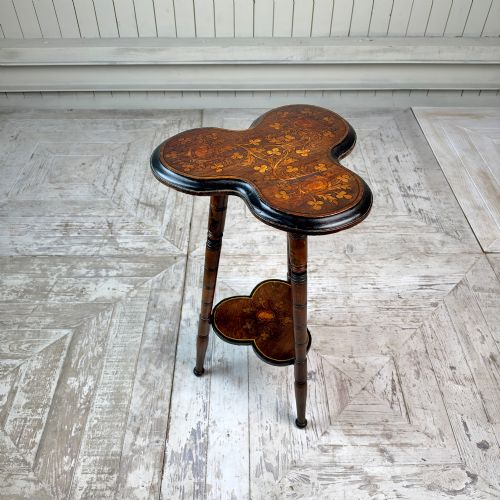
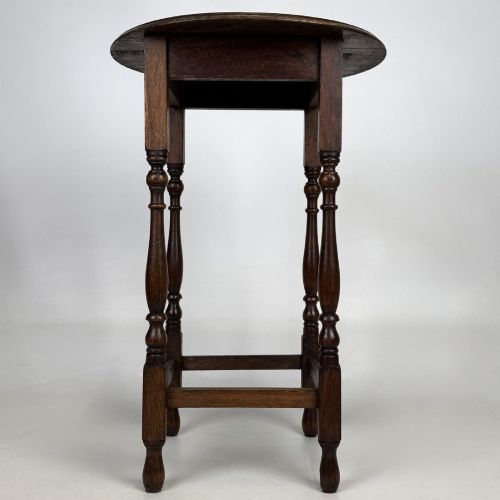
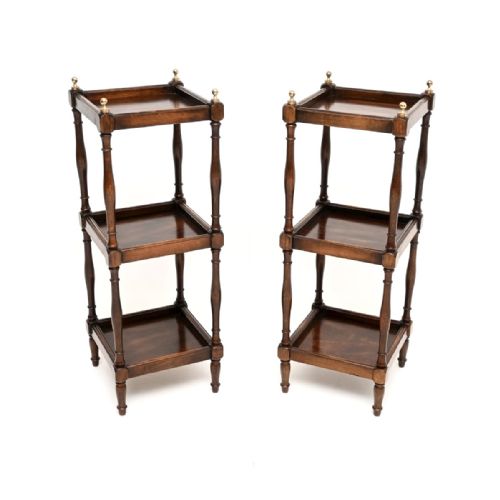
Joinery methods combined traditional mortise and tenon joints with turned supports, barley twist legs, and bobbin turnings. Inlay, brass fittings, penwork decoration, and tile inserts added surface detail to tables and small cabinets.
Small Accent Furniture Retail Price Guide 2026
Typical asking prices for small accent furniture among the pieces listed under this phrase on Sellingantiques today, from the lower quarter to the upper quarter. They describe what is for sale here now, not the wider market.
Listings span the eighteenth century through to the 1930s, featuring woods such as mahogany, oak, walnut, satinwood, and bamboo.
Judging the Standard
The choice of timber and the crispness of the carving dictate the distinction between standard production and finer output. Figured veneers and precise inlay work require high skill in preparation and application.
Structural integrity relies on the tightness of joints in legs and pedestals, particularly on folding, tilt-top, or tripod designs where movement creates wear over time.
Mallets·Shapland & Petter·Gillows·Druce & Co London
The Small Accent Furniture Glossary
- Occasional table
- A small, movable table intended for intermittent use around a sitting room. These versatile pieces take many forms, from simple tripod bases to inlaid lamp tables.
- Pembroke table
- A rectangular table with hinged drop flaps on either side supported by pivoting brackets. They often feature a single drawer and slender legs.
- Tilt-top table
- A table designed with a mechanism that allows the top to pivot to a vertical position when not in use. This saved space in smaller historic rooms.
- Lowboy
- A small dressing table or side table with a low profile and drawers set beneath the top surface. They typically date from the Georgian period.
- Sutherland table
- A narrow drop-leaf table with exceptionally small flaps and slender gatelegs. When folded down, the leaves hang almost vertically to take up minimal space.
Small Accent Furniture: Frequently Asked Questions
Where do I put a wine table?
Wine tables suit tight spots beside armchairs or sofas where a larger surface is impractical. Their compact tops hold a glass or a small lamp without cluttering the floor space.
Historically, they sat near entertaining areas for easy access to drinks during social gatherings. Today, they function well in corners or between seating as functional pedestals.
How do I spot an Edwardian piece?
Edwardian items often display lighter proportions, simpler inlaid motifs, and revival styles reflecting earlier Georgian or Sheraton designs. Oak and mahogany remain common choices from this era.
Turned legs, such as barley twist or tapered supports, appear frequently on tables from this period. The overall aesthetic leans toward practical domestic comfort and brightness.
What is a Sutherland table used for?
A Sutherland table provides an adaptable surface that expands when the drop flaps are raised. It folds into a very narrow footprint when not in use.
Victorian homes utilised these tables in sitting rooms for tea or needlework where floor space was at a premium. They remain useful today as occasional dining or display surfaces.
Are tripod tables stable?
Tripod tables rely on three splayed legs to maintain balance on uneven floors without rocking. The central pillar distributes weight down to the feet.
While light to move around a room, the column and block construction requires careful handling to protect the joints beneath the top.