



Slatted Metal Garden Bench
A slatted metal garden bench offers enduring outdoor seating, combining sturdy cast or wrought iron frames with timber or metal slats for practical garden use.
Slatted Metal Garden Bench
A slatted metal garden bench provides durable seating for lawns, patios, and park spaces. Buyers encounter pieces ranging from early nineteenth-century Regency examples to twentieth-century designs.
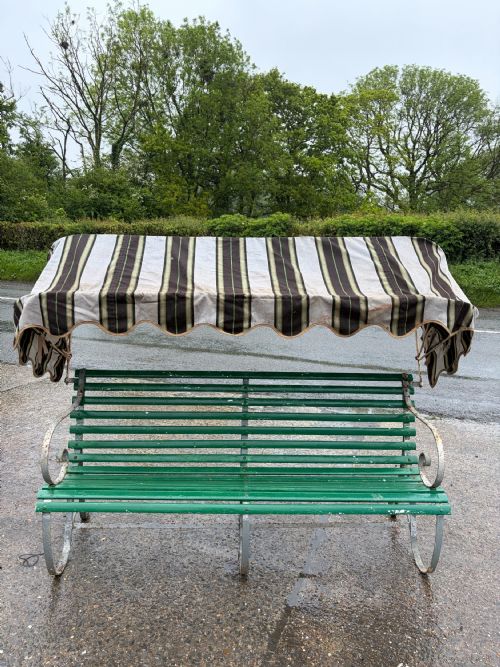
The selection on this page centres on sturdy outdoor seating built from cast iron, wrought iron, and timber. Common forms include garden benches, armchairs, and designs incorporating canopies or lion mask details.
How they were made
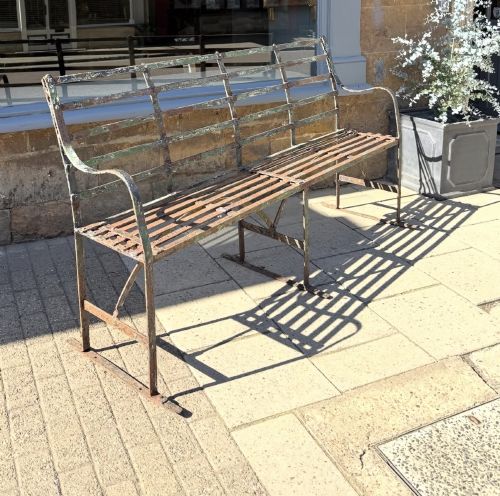
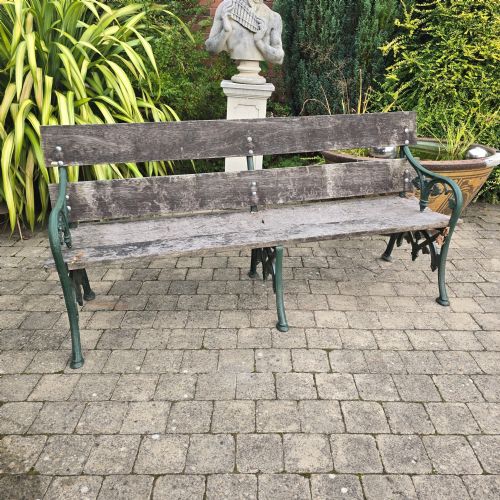
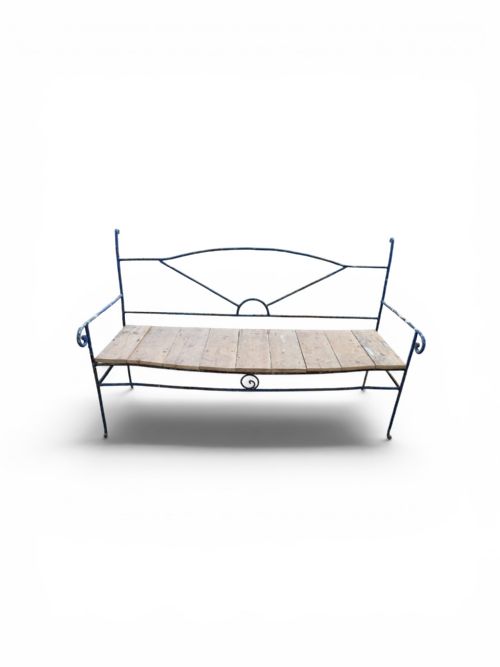
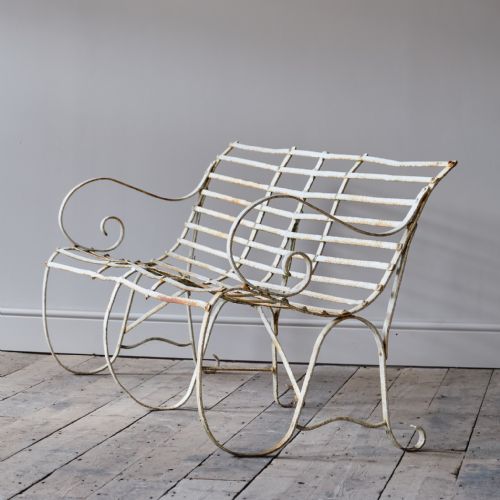
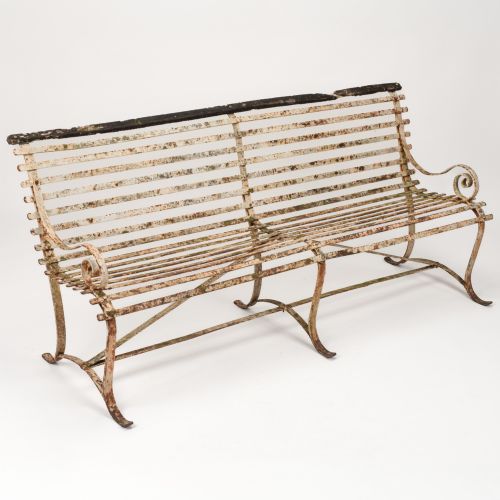
Construction relies on heavy cast iron frames or shaped wrought iron strapwork, paired with wooden timber slats for the seat and back. Metal components utilise foundational foundry and blacksmithing techniques.
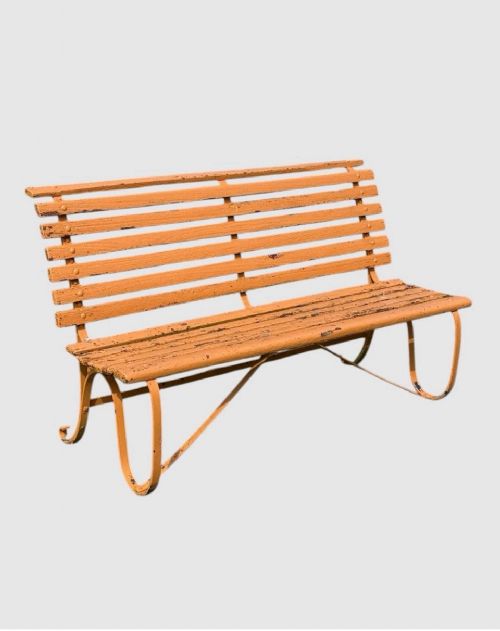
Surfaces often retain layers of original paint applied to protect the iron and timber from outdoor elements. Frame junctions use traditional fixings to secure the heavy cast and wrought elements together.
Slatted Metal Garden Bench Retail Price Guide 2026
Typical asking prices for slatted metal garden bench among the pieces listed under this phrase on Sellingantiques today, from the lower quarter to the upper quarter. They describe what is for sale here now, not the wider market.
Listings span from the Regency period through the Victorian and Edwardian eras into the 1930s, using iron, timber, and paint.
What varies in quality
Quality rests in the crispness of iron casting, the complexity of strapwork scroll designs, and the balance between metal frames and wooden slats. Finer examples display detailed ornamentation like lion masks or architectural canopies.
The integrity of the original materials dictates the standing of a piece. Well-preserved paint layers and intact structural joins separate standard utilitarian seating from decorative park benches.
The Slatted Metal Garden Bench Glossary
- Wrought iron
- Iron beaten into shape by hand, known for its fibrous strength and flexibility. It is often used to create strapwork benches and scroll designs.
- Cast iron
- Iron poured molten into a mould to form rigid shapes and decorative elements. This material produces sturdy bench ends and detailed mask motifs.
- Strapwork
- Flat strips of metal riveted or joined in geometric patterns. It defines the supportive framework of many nineteenth-century seats.
- Canopy
- An overhead architectural extension attached to a seat. This feature provides shelter and creates a sheltered garden retreat.
Slatted Metal Garden Bench: Frequently Asked Questions
How do I date a metal garden bench?
Dating relies on stylistic markers such as Regency strapwork, Victorian ornamentation, or early twentieth-century proportions. Examining the construction methods of the iron and timber helps determine the period.
Makers often drew inspiration from established designs like Coalbrookdale. Comparing decorative motifs against known historical styles narrows down the date of manufacture.
Are these benches suitable for outdoor use?
These benches are built from robust materials like cast iron, wrought iron, and timber designed for exterior placement. They withstand the weather while developing a natural patina over time.
Regular maintenance of the paint and wood helps preserve the structure. Positioning them on stable ground prevents undue strain on the metal frame.
What is the difference between cast and wrought iron?
Cast iron is brittle and rigid because it is poured into moulds, making it ideal for heavy bench ends and decorative motifs. Wrought iron is fibrous and malleable, allowing smiths to shape it into strapwork.
Benches frequently combine both materials to utilise their distinct structural properties. The frame might use cast iron for strength while the seat employs wrought iron straps.
Do these benches come with wooden seats?
Many metal garden benches incorporate timber slats for the seating surface to provide a comfortable sitting area. The wood contrasts with the dark iron frames.
Over the decades, timber slats are often replaced while the original iron frame survives. Listings specify whether the wood is original to the piece.