
Slanted Writing Cabinet
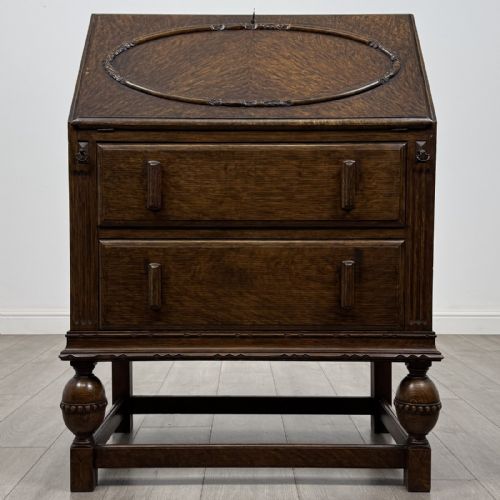
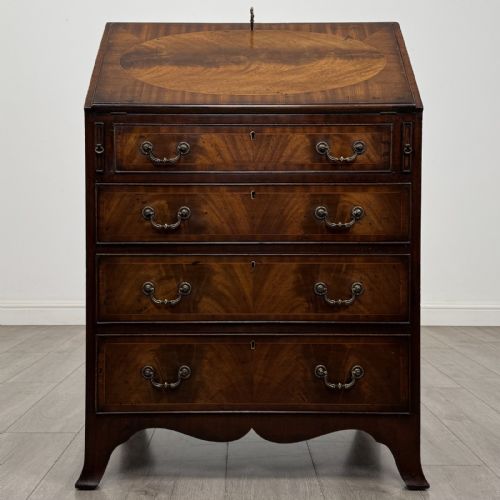
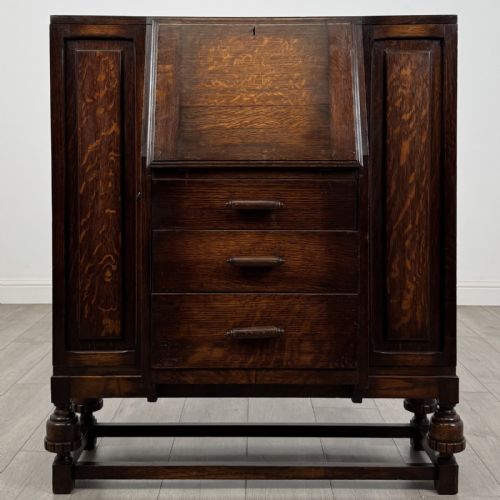
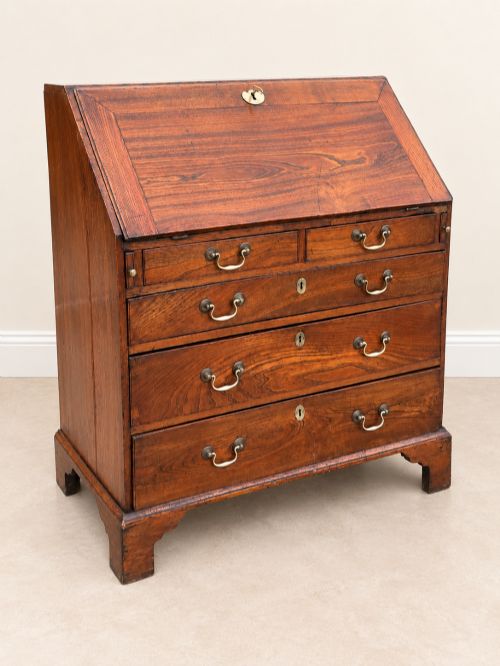
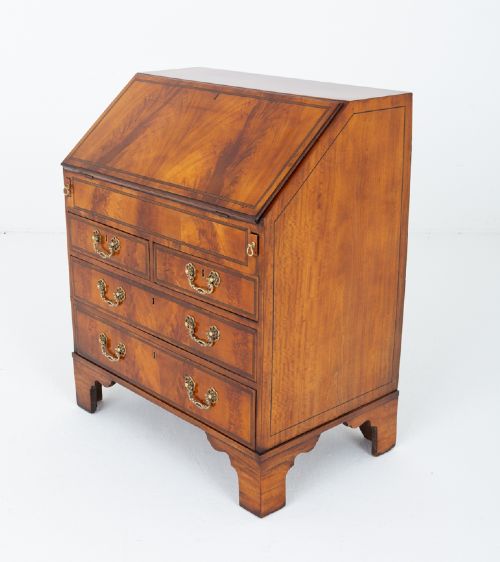
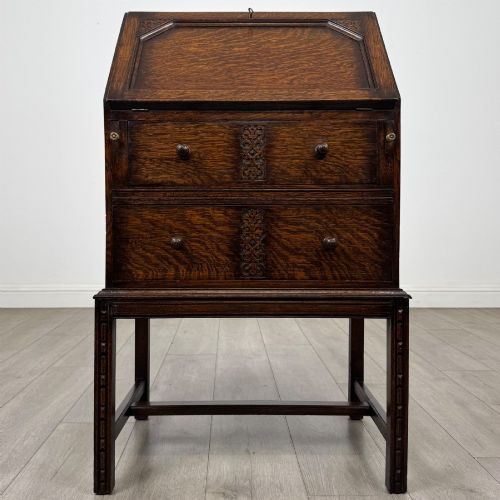
A slanted writing cabinet offers a private workspace, combining a sloping fall front with fitted drawers and pigeonholes.
Slanted Writing Cabinet
When you search for a slanted writing cabinet, you are looking at practical pieces designed for correspondence and storage, encompassing both compact desks and tall bureau bookcases. The selections span multiple eras, showing the evolution of domestic writing furniture from early oak examples to refined mahogany and walnut designs.
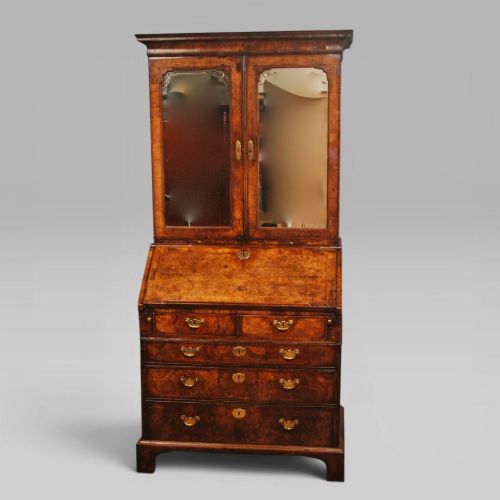
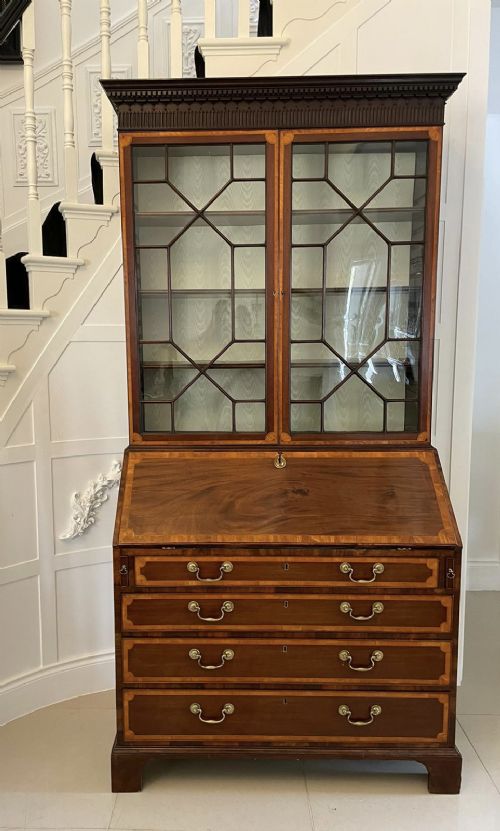
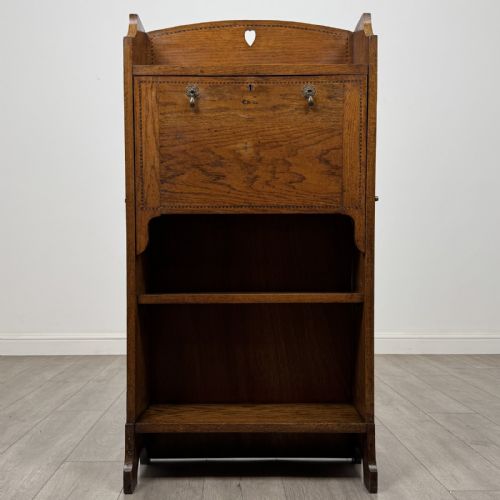
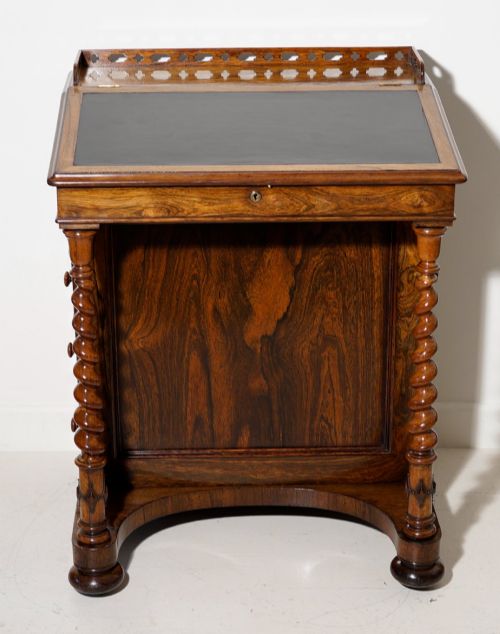
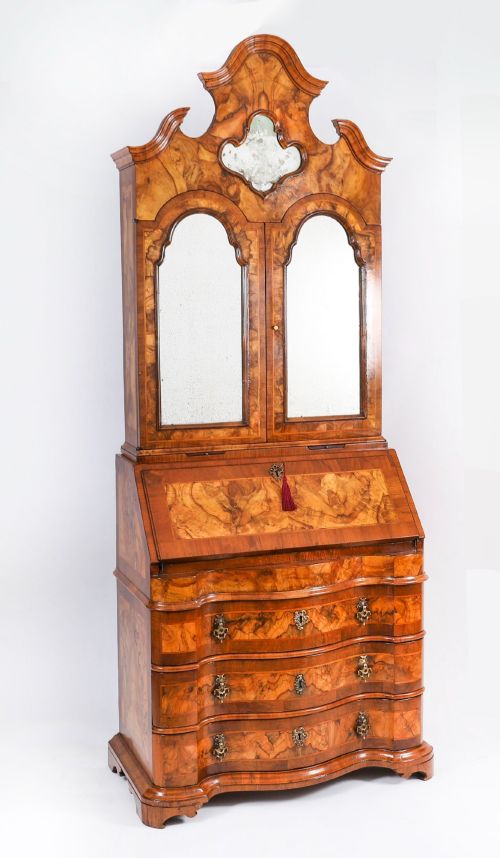
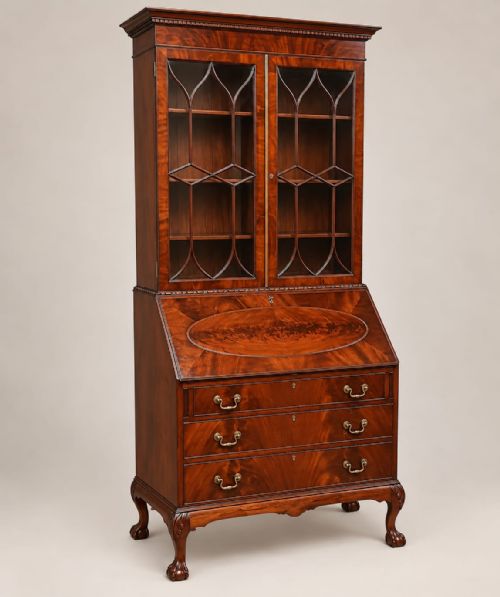
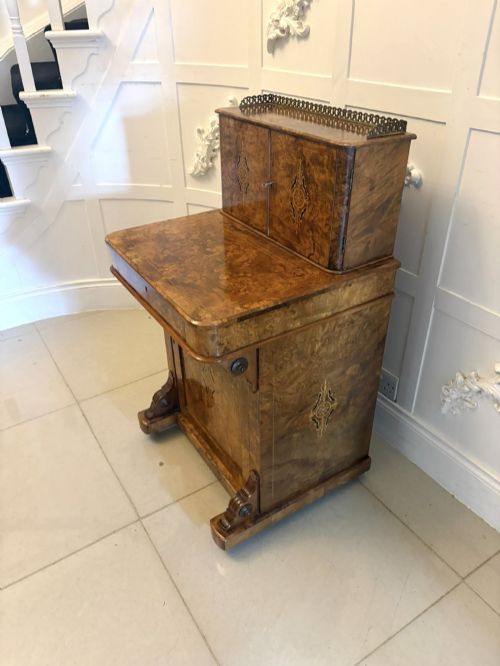
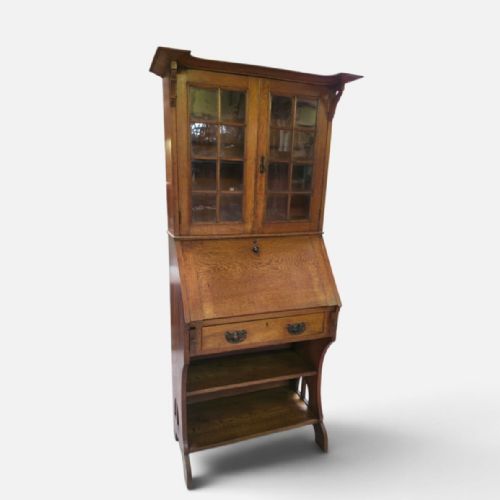
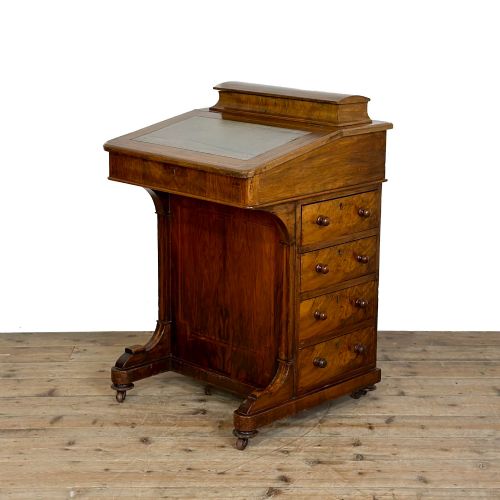
You will frequently meet Edwardian oak pieces alongside substantial 18th-century walnut and Georgian mahogany models. Forms range from simple fall-front desks to elaborate bureau bookcases featuring glazed doors and bureau cabinets with Davenport configurations.
Quality factors
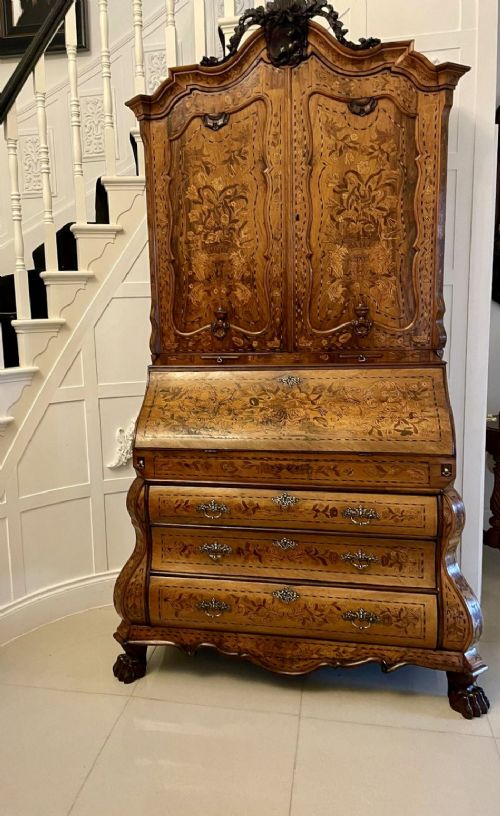
Quality rests in the selection of figured timbers and the precision of the cabinet work within the fitted interior. Finer examples display meticulous marquetry, matched veneer grains, and robust internal pigeonholes.
Simpler pieces rely on solid regional woods like oak with straightforward panel construction, whereas high-end items incorporate complex bureau bookcase superstructures and specialised decorative details.
Listings include oak, mahogany, walnut, burr walnut, rosewood, and yew wood, alongside brass and leather details.
Gillows·Arthur Basil Reynolds
The Slanted Writing Cabinet Glossary
- Bureau
- A desk with a sloping hinged lid that covers a fitted interior of pigeonholes and small drawers. This form forms the core of the selection.
- Bureau bookcase
- A piece combining a lower desk section with an upper glazed or panelled bookcase cabinet. These taller items provide dual storage functions.
- Davenport
- A compact pedestal desk featuring a slanted writing surface and drawers opening to the side. They appear in Victorian and Regency periods.
- Marquetry
- Decorative patterns formed by inserting pieces of wood veneer into a background surface. It appears on finer walnut and mahogany models.
- Fall front
- The hinged writing flap that pulls down to form a horizontal desk surface. It conceals the internal compartments when closed.
Slanted Writing Cabinet: Frequently Asked Questions
What is a slanted writing cabinet?
A slanted writing cabinet is a piece of furniture featuring an angled hinged flap that opens to reveal a desk surface and interior compartments. These items range from compact writing desks to large bureau bookcases.
They provide dedicated space for correspondence while concealing stationery and papers behind the closed fall front.
How do I date a wooden bureau?
Dating relies on identifying timber choices, construction joints, and stylistic details associated with periods like the 18th century, Georgian, or Edwardian eras. Walnut and marquetry often point to earlier centuries, while golden oak frequently indicates Edwardian production.
Examining internal drawer construction and hardware also helps establish the approximate age of the piece.
Where were these cabinets used?
These cabinets served as functional furniture in studies, parlours, and bedrooms for writing letters and managing household accounts. The upper bookcase sections housed personal libraries and ledgers.
Their enclosed compartments kept private documents secure and organised in domestic settings.
How do I care for antique wood?
Maintenance involves keeping wooden surfaces away from direct heat sources and strong sunlight to prevent veneer splitting and fading. Regular dusting with a soft cloth preserves the finish.
Applying appropriate wax occasionally maintains the lustre of mahogany, oak, and walnut surfaces without damaging the polish.