
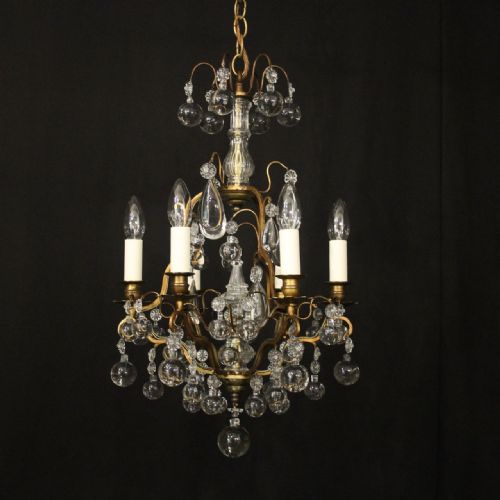

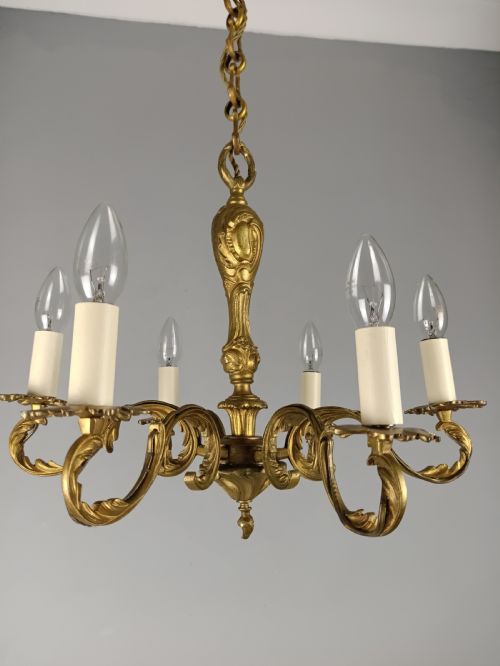

Six Arm Light Fitting
A six arm light fitting provides balanced illumination through six distinct branches, offering the classic proportions required for principal rooms.
Six Arm Light Fitting
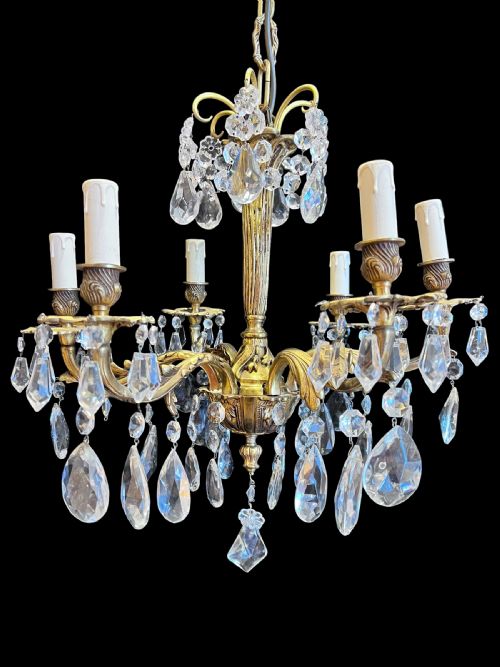
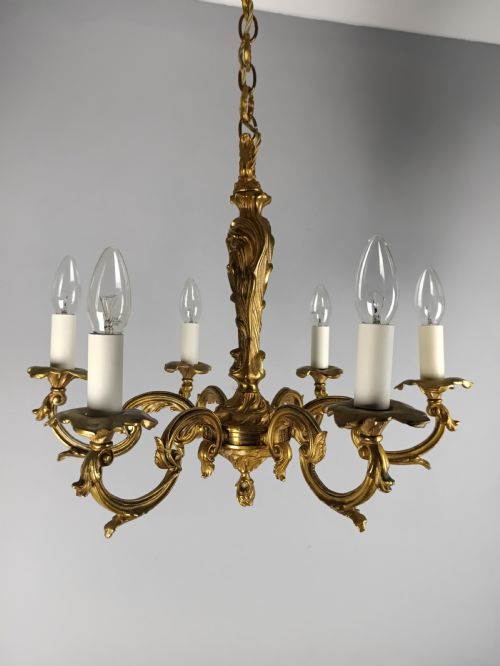
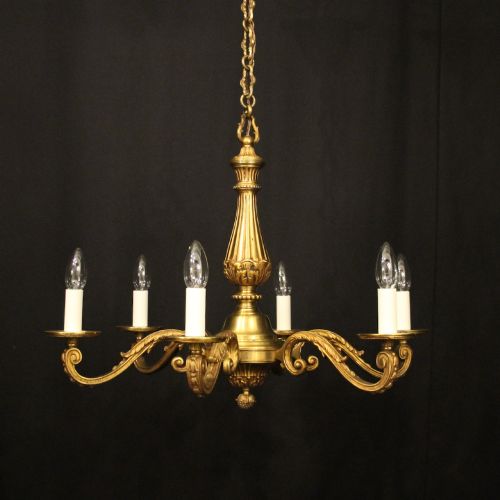
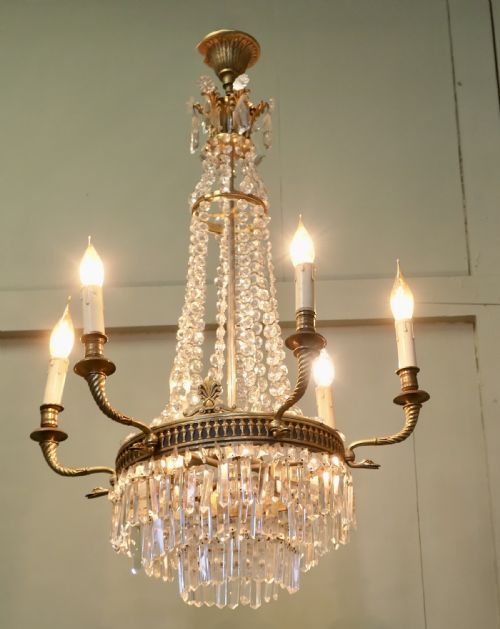
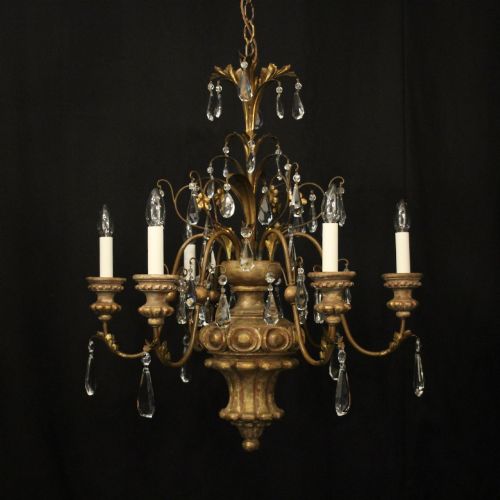
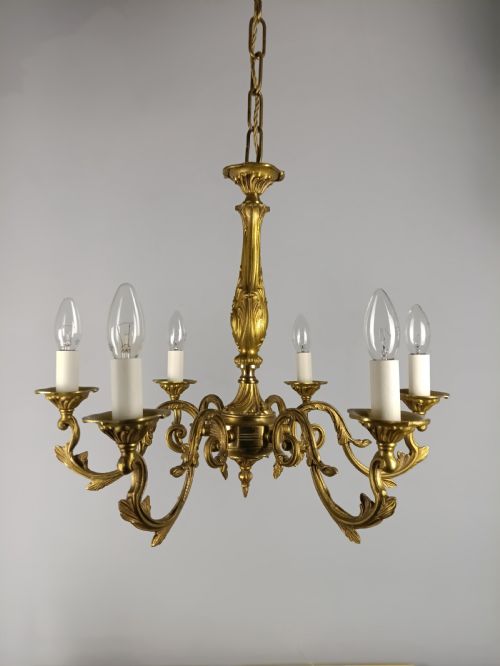
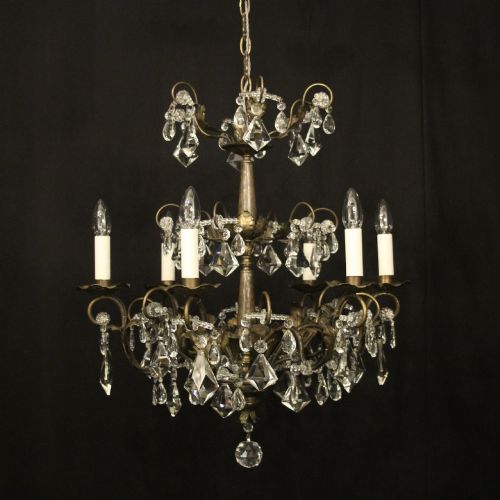
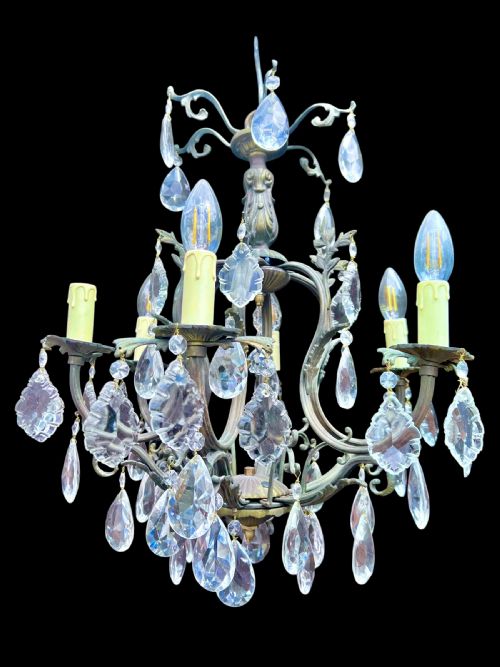
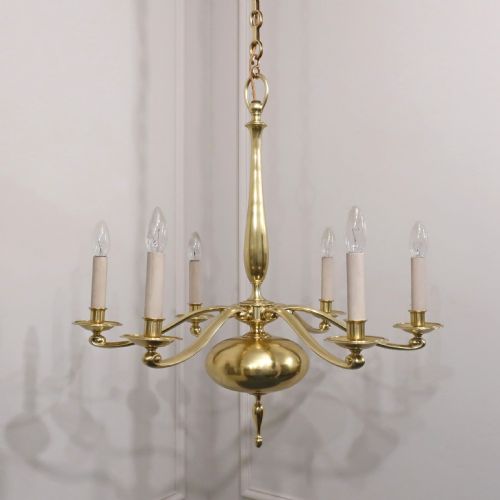
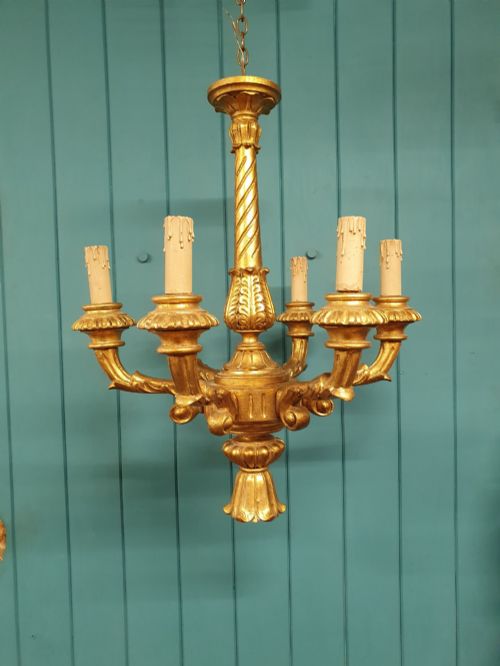
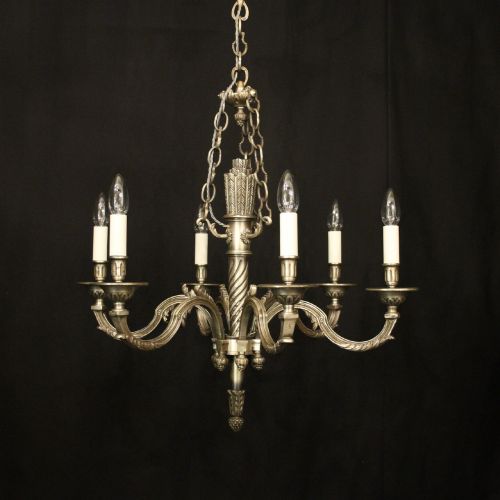
A six arm light fitting primarily manifests as a chandelier or pendant holding six distinct light sources, distributed evenly around a central axis. These fixtures emerge predominantly from French workshops and Italian studios, spanning the nineteenth and early twentieth centuries.
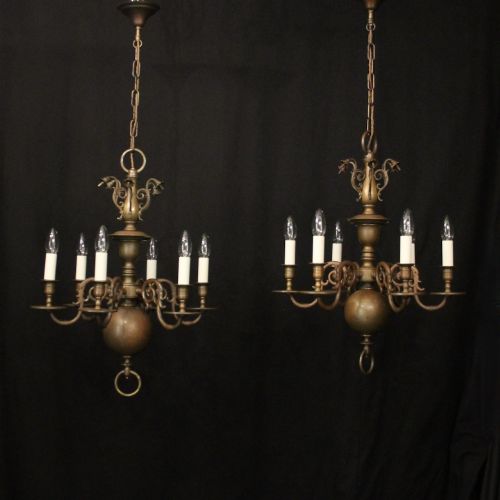
The form appears frequently in regional interpretations such as French chateau styles, Florentine baroque, and Dutch brass designs. Buyers encounter robust brass constructions alongside ornate gilded bronze and delicate crystal variants.
Examples date from the late nineteenth century through the Art Deco era of the 1930s, displaying styles that range from restrained neoclassical lines to elaborate rococo curves.
What varies in quality
The refinement of the casting work distinguishes superior examples, where chased detailing on bronze and brass remains crisp and deep. Secondary components such as bobeches and drip pans match the quality of the primary arms rather than relying on simpler stamped replacements.
Integrity of the crystal and glass elements affects the overall standard, with cut drops showing sharp facets rather than rounded moulded edges. The weight and gauge of the metal framework dictate structural stability across larger spans.
The selection includes regional interpretations spanning French chateau, Italian Florentine, and Dutch pendant styles from the 1890 to 1930 periods.
G.E.C
The Six Arm Light Fitting Glossary
- Bobeche
- A small collar or drip pan positioned beneath the candle nozzle to catch wax. This component shields the arm below and often holds suspended crystal prisms.
- Giltwood
- Timber that has been coated with a thin layer of gold leaf over a prepared gesso ground. It provides a luminous surface for carved wooden chandelier frames.
- Gesso
- A plaster-like mixture applied to wood surfaces and carved before gilding. This material creates sharp decorative reliefs on antique frames.
- Tent and waterfall
- A chandelier arrangement featuring strings of beads forming an upper canopy that drops into a wider shower of crystal pendants. It diffuses light across multiple faceted surfaces.
- Chased
- Metal decorated by hammering or punching intricate surface patterns from the front. This hand technique adds texture and definition to cast bronze components.
Six Arm Light Fitting: Frequently Asked Questions
How do I hang a six arm light fitting?
Suspension requires locating a ceiling joist capable of supporting the combined weight of the metal and crystal components. Professional installation ensures the electrical wiring meets safety standards for vintage fixtures.
Chain length must be adjusted so the fitting hangs at the correct height above furniture or floor traffic. Proper canopy placement conceals the ceiling junction box cleanly.
What rooms suit a six arm light fitting?
These fixtures suit dining rooms, high-ceilinged hallways, and drawing rooms where six distinct light points can illuminate the space evenly. Their proportions work best in rooms allowing sufficient clearance beneath the lowest tier.
Smaller iterations fit compact studies or bedrooms, while larger brass and crystal versions anchor grander interior proportions.
How do I clean an antique light fitting?
Dusting crystal drops regularly with a soft cloth prevents grime buildup on the faceted surfaces. Metal elements should be wiped gently without abrasive cleaners that might strip the original patina or gilding.
Individual crystal prisms can be removed, washed in warm soapy water, and dried before reattachment to maintain maximum sparkle.
How do I date a brass chandelier?
Dating relies on examining construction methods, screw threads, and stylistic cues such as Art Deco geometry or Victorian gesso work. Earlier nineteenth-century examples often feature heavier cast components and hand-finished details.
Twentieth-century pieces from the 1920s and 1930s frequently adopt streamlined profiles or simplified neoclassical motifs reflecting contemporary design shifts.