


Single Stone Gold Ring
A single stone gold ring distils centuries of design into a solitary focal point, offering a timeless choice for engagement and everyday wear alike.
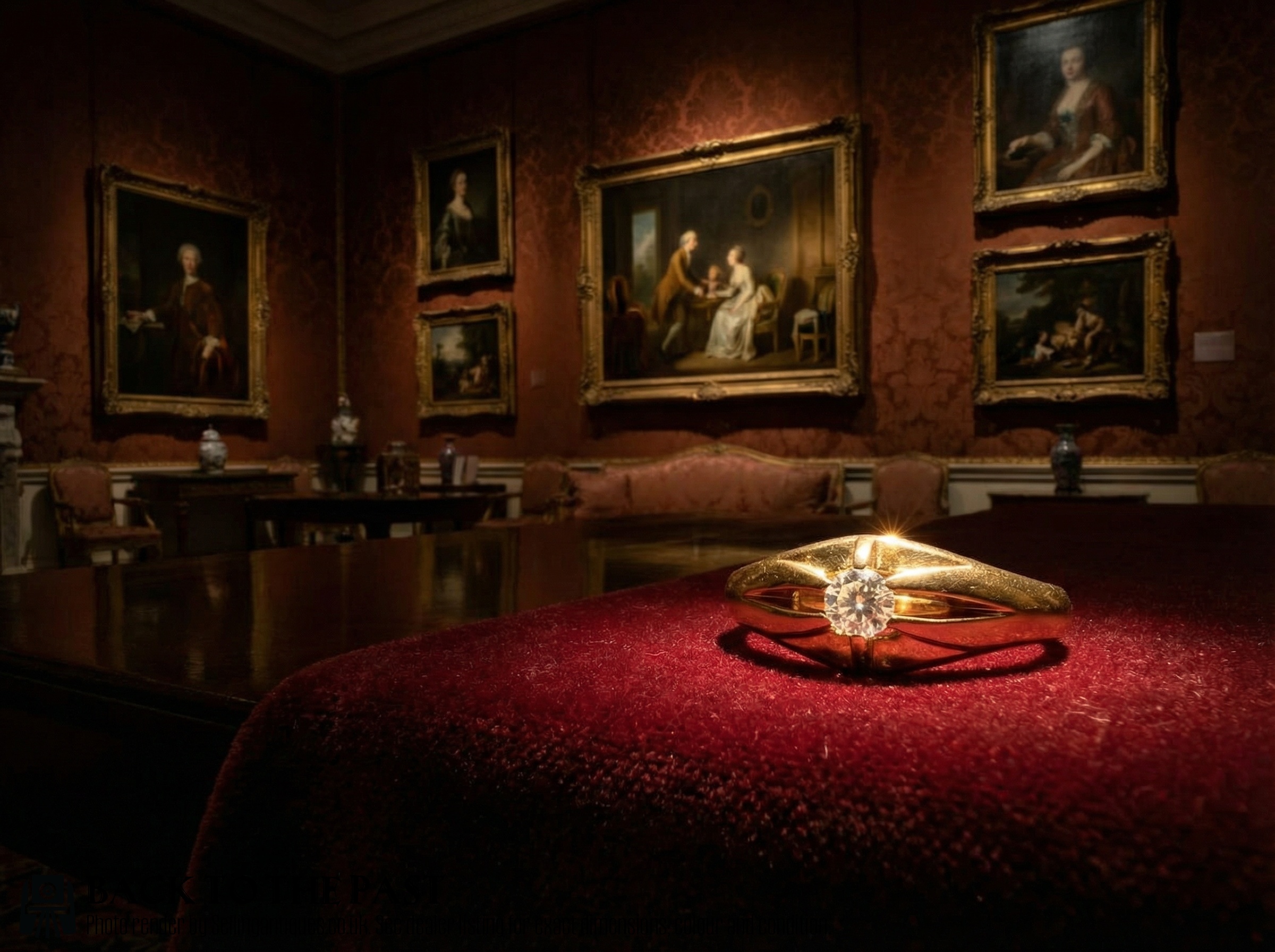
Single Stone Gold Ring
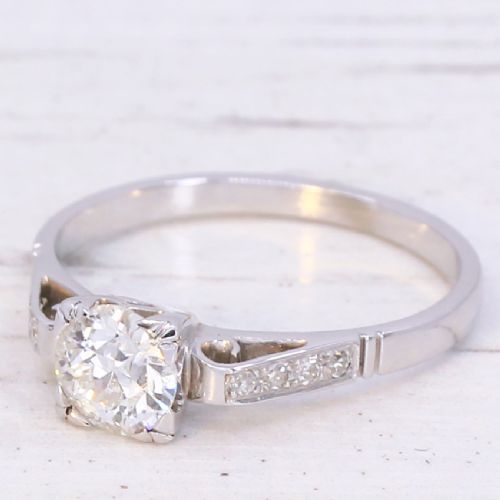
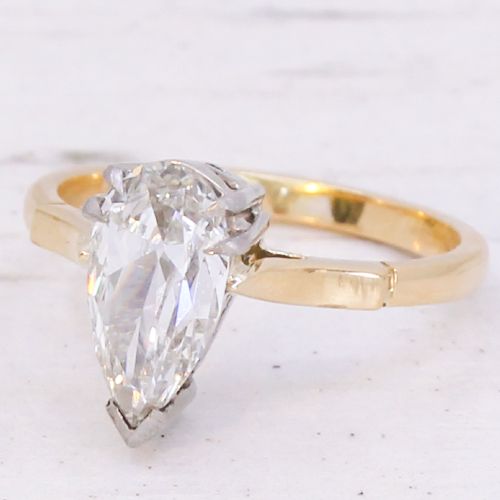
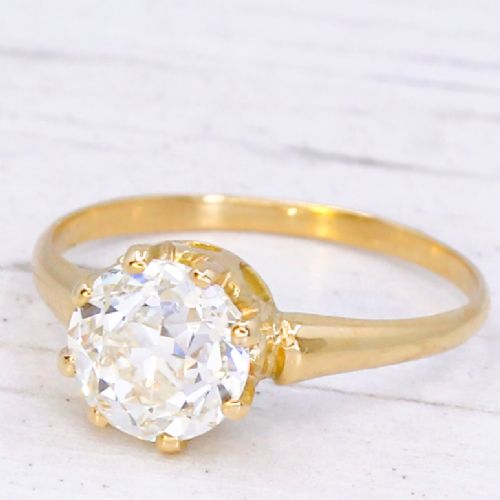
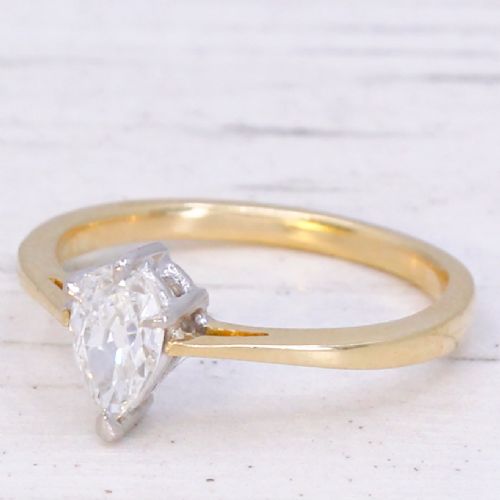
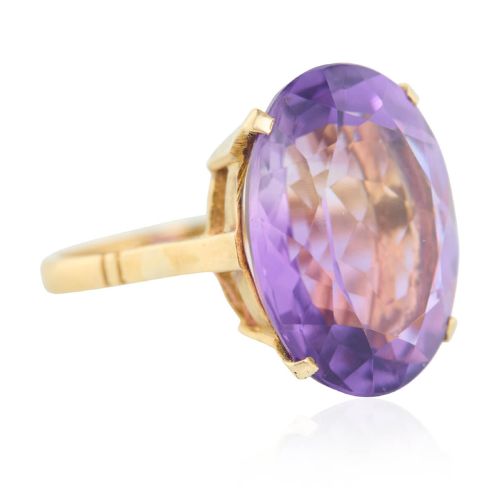
A single stone gold ring centres on one prominent gem held securely within a precious metal band, functioning primarily as an engagement ring or a statement piece. The selection ranges widely across stylistic eras from the Victorian and Edwardian periods through Art Deco and Mid-Century designs.
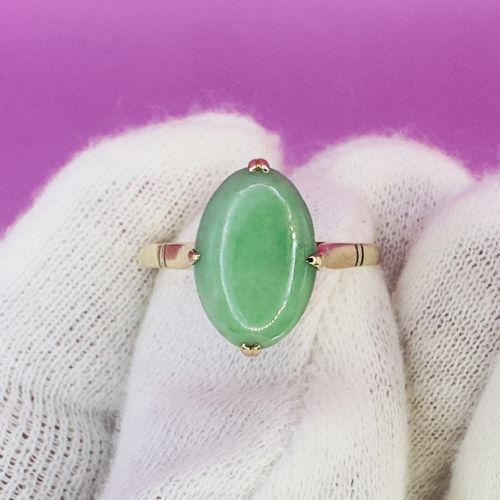
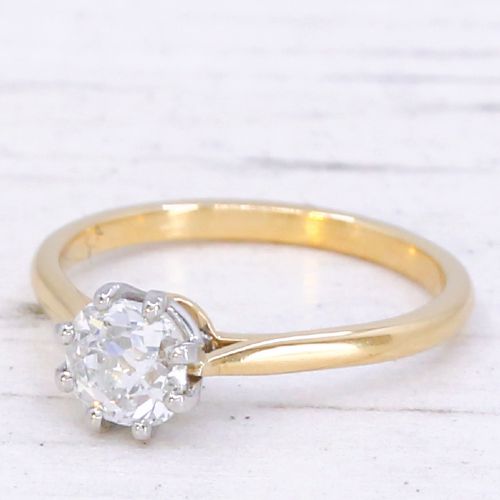
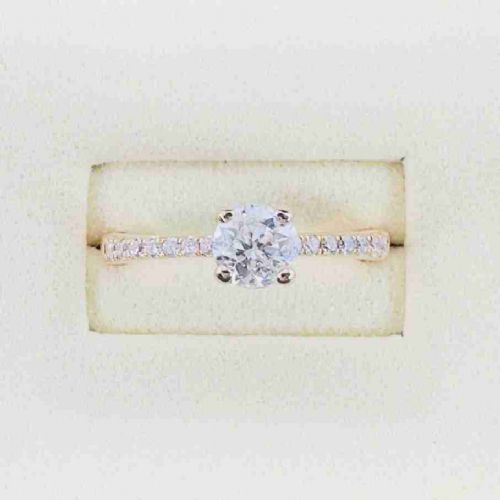
Most pieces encountered on this page pair central diamonds with yellow gold, white gold, or platinum settings, though coloured stones such as amethyst, sapphire, aquamarine, and emerald also appear. Buyers frequently find vintage diamond solitaires alongside period creations featuring cabochon jade or moonstone.
The form spans decades of changing taste, showing how goldsmiths adapted the single stone concept from heavy Victorian mountings to streamlined Art Deco geometries and mid-century modern profiles.
How they were made
Goldsmiths constructed these rings using a foundation of yellow gold, white gold, rose gold, or platinum, frequently combining gold bands with platinum settings to securely anchor the central diamond or gemstone. Traditional casting and hand-working techniques predominated, leaving subtle traces of artisanal skill in the metalwork and claw configurations.
Gemstones were shaped by hand using period cuts, including old European cuts, old mine cuts, and cushion cuts, which produce softer light dispersion than modern brilliant cuts. Settings evolved from early illusion mountings and gypsy stars to precise geometric galleries characteristic of the Art Deco era.
Listings span multiple decades, incorporating Victorian, Edwardian, Art Deco, and Mid-Century styles alongside various carats of yellow, white, and rose gold.
What varies in quality
The distinction between tiers rests upon the optical performance and provenance of the central gem, alongside the integrity of the surrounding precious metal work. Master goldsmiths achieved superior harmony between the stone and the mounting, ensuring that claws or bezels enhanced the visual weight without obscuring the material.
Condition and originality dictate the standing of individual pieces, where untouched period mountings command greater appreciation than altered or excessively worn bands. The clarity and cut of older diamonds, shaped by hand rather than machinery, introduce individual character that elevates certain examples above standard commercial output.
The Single Stone Gold Ring Glossary
- Solitaire
- A ring set with a single gemstone, typically a diamond. This setting allows the full visual impact of the central stone to dominate the design.
- Old European cut
- An early round diamond cut characterised by a small table, high crown, and large culet. It creates a distinctive, softer pattern of light compared to modern brilliant cuts.
- Gypsy setting
- A mounting style where the gemstone is flush-set directly into the thick metal band. This technique gained popularity during the Victorian era for durability and daily wear.
- Illusion setting
- A metal head designed around the girdle of a diamond to create the optical illusion of a larger stone. It was widely utilised in early twentieth-century jewellery.
- Cabochon
- A gemstone shaped and polished with a smooth, rounded convex surface rather than faceted facets. This method is typically reserved for opaque or translucent materials like jade and moonstone.
Single Stone Gold Ring: Frequently Asked Questions
How do I care for my gold ring?
Regular cleaning with warm soapy water and a soft brush maintains the lustre of both the metal and the central gemstone. Avoid exposing antique pieces to harsh chemicals or ultrasonic cleaners that might compromise older settings.
Storing the ring separately in a fabric-lined box prevents the gold and gems from scratching against other items in your jewellery collection.
Are these rings suitable for daily wear?
Most single stone gold rings are robust enough for everyday use, provided the prongs or bezels remain secure. Gold and platinum offer durable foundations, though softer stones require extra consideration during physical activities.
Checking the setting annually with a professional jeweller ensures that claws holding the main diamond or gemstone have not worn down over time.
How can I tell the period of a ring?
Stylistic markers such as geometric platinum shoulders indicate Art Deco origins, whereas star-studded gypsy mounts point toward the Victorian era. Examining the cut of the diamond, such as an old European or mine cut, also provides a reliable timeframe.
Hallmarks stamped inside the band offer official confirmation of the metal purity and the office of assay, helping to date the piece accurately.
What is an old cut diamond?
An old cut diamond refers to stones shaped by hand before modern automated cutting standards were established. These diamonds often feature higher crowns and smaller tables that capture candlelight beautifully.
Their unique proportions mean no two vintage stones share the exact same facet pattern, giving each ring distinct character.