
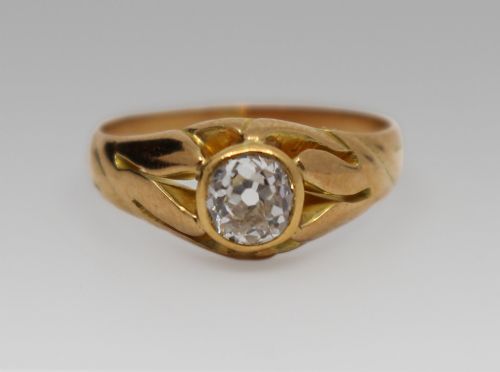
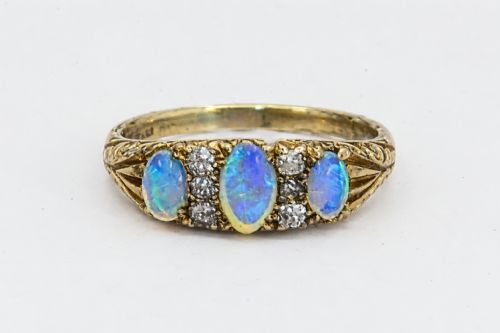
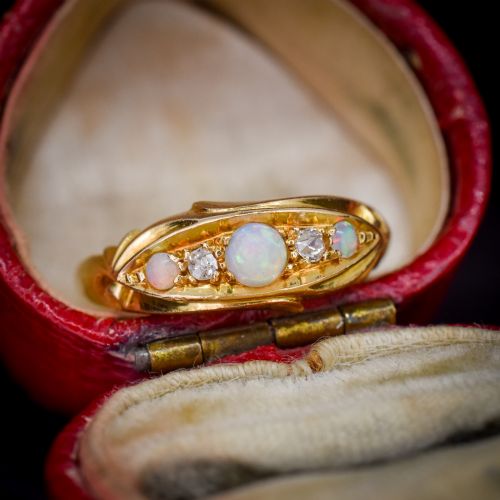
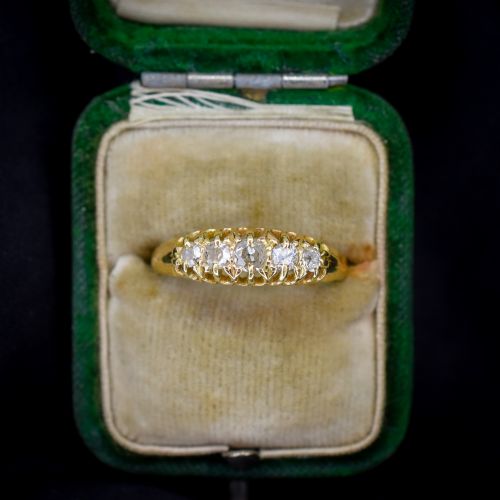

Gold Diamond Carved Band
A gold diamond carved band brings together nineteenth-century craftsmanship and enduring sparkle, offering a wearable piece of history.
Gold Diamond Carved Band
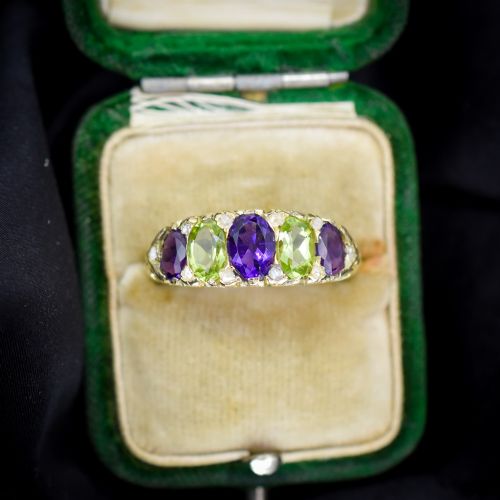
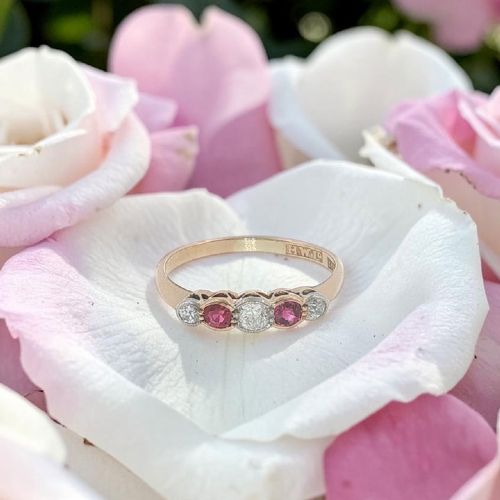
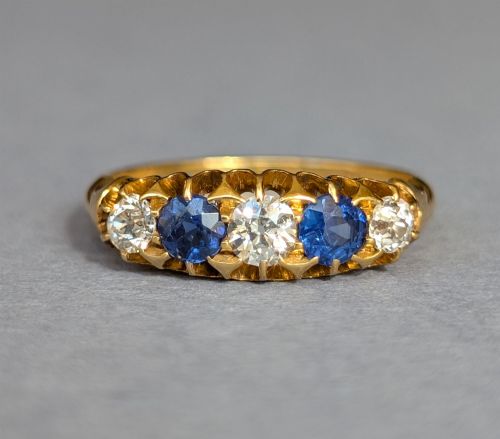
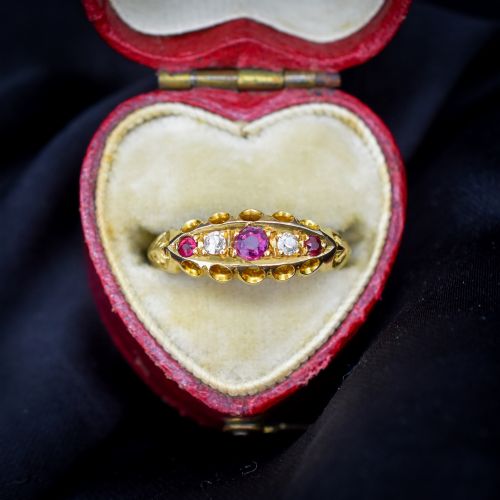
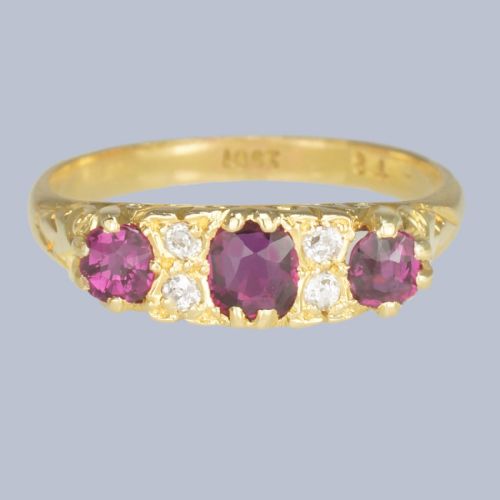
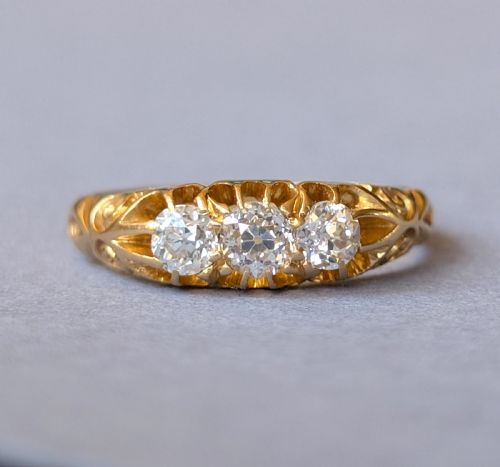
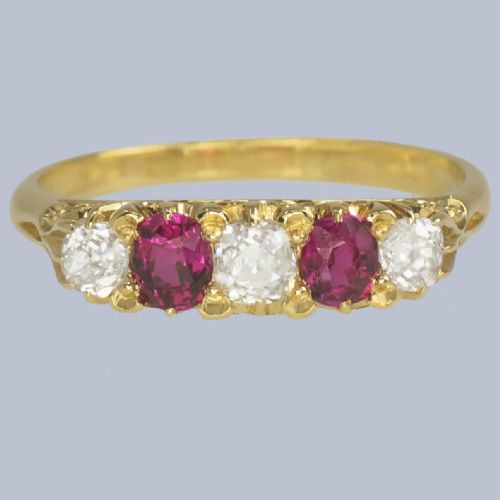
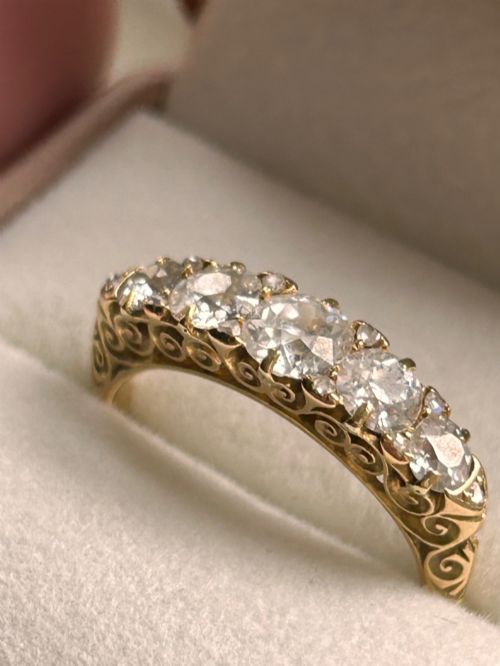
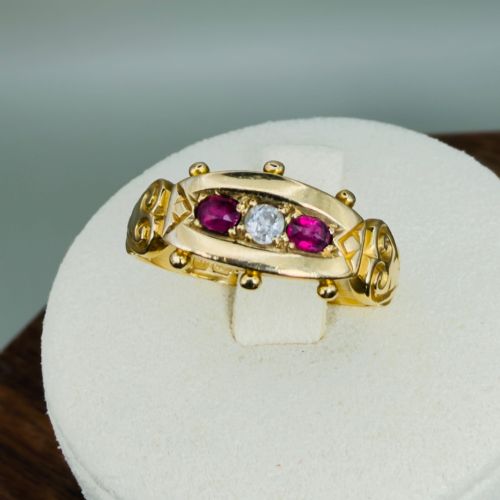
A gold diamond carved band encompasses rings forged mainly in eighteen-carat gold and platinum, set with diamonds alongside coloured stones such as rubies, sapphires, and opals. These items span periods from late Victorian and Edwardian eras through to the mid-twentieth century.
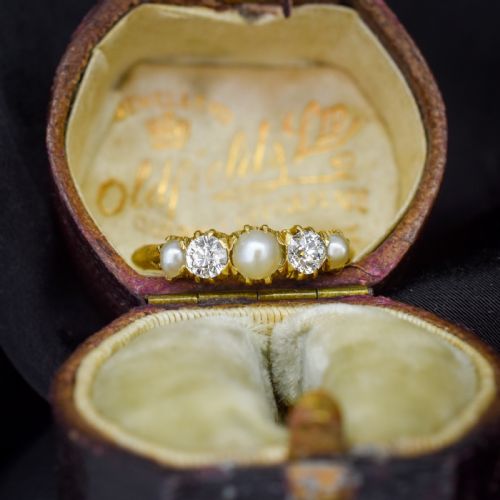
Buyers meet varied configurations on this page, including five-stone settings, boat rings, gypsy settings, and half eternity bands. The selection draws heavily on early twentieth-century and nineteenth-century British hallmarked pieces originating from assay offices in locations like Chester and Birmingham.
How they were made
Goldsmiths utilised eighteen-carat yellow gold, rose gold, and platinum to build the structural bands, integrating old cut and old mine cut diamonds by hand. Stones are secured in settings that often incorporate carved shoulders and detailed gallery work.
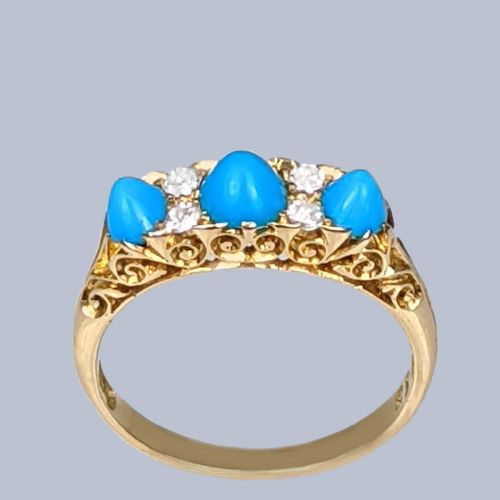
Craftsmen paired diamonds with turquoise, pearls, coral, garnets, and amethysts, securing each gem meticulously into the mounting. Hallmarks stamped inside the shank record the metal purity and the specific assay town of origin.
Listings feature periods spanning from the late nineteenth century through the Edwardian era, 1910, 1920, 1930, and into the 1950s.
What varies in quality
The standard of a gold diamond carved band rests upon the crispness of the carved details along the shoulders and the original proportions of the setting. Heavier gold shanks that retain their structural integrity outlast thinner, heavily worn examples.
Gemstone selection dictates the upper tier of pieces, where matching stone sizes, lively old cut diamonds, and well-preserved coloured gems like natural opals or rich rubies elevate the overall artistry of the ring.
The Gold Diamond Carved Band Glossary
- Boat ring
- A ring style featuring a curved boat-shaped setting that tapers towards the shoulders, popular in the Edwardian and Victorian periods. This design often houses multiple stones arranged horizontally across the finger.
- Gypsy ring
- A band design where stones are flush-set directly into the thick metal hoop rather than raised in traditional claws. This technique creates a smooth, rounded profile suited to daily wear.
- Old cut diamond
- A hand-faceted diamond cut popular before modern machinery standardised proportions, featuring a small table and high crown. These stones display distinctive open culets when viewed from beneath.
- Trilogy ring
- A ring set with three stones, traditionally symbolising the past, present, and future. The central gem is frequently flanked by two matching smaller stones.
- Hallmark
- An official stamp applied to precious metals indicating purity, maker identity, and the assay office. British pieces often display city marks and date letters corresponding to specific years.
Gold Diamond Carved Band: Frequently Asked Questions
How do I care for my antique ring?
Clean these items gently using warm soapy water and a soft brush, avoiding harsh chemical dips that can damage softer stones like opals or turquoise.
Store each piece individually in a fabric-lined box to prevent the harder diamonds from scratching the softer gold bands.
Can I wear these rings every day?
Eighteen-carat gold and diamonds are durable enough for daily wear, provided the prongs and settings remain secure and robust.
Take care to remove your jewellery during manual labour or heavy lifting to protect delicate antique settings and softer accent stones.
What periods do these rings come from?
The selection spans from the late nineteenth century through the Edwardian era and into the mid-twentieth century, including Art Deco designs.
Each period brings distinct stylistic elements, from heavy Victorian yellow gold to delicate Edwardian boat settings.
How are antique gold purities measured?
British pieces commonly utilise eighteen-carat gold, indicating a high proportion of pure gold alloyed with other metals for strength.
Assay office marks stamped inside the band confirm the precise metal standard and city of origin.