
Single Pedestal Table
A single pedestal table brings compact versatility to a room, offering a stable central support that leaves maximum legroom for daily use.
Single Pedestal Table
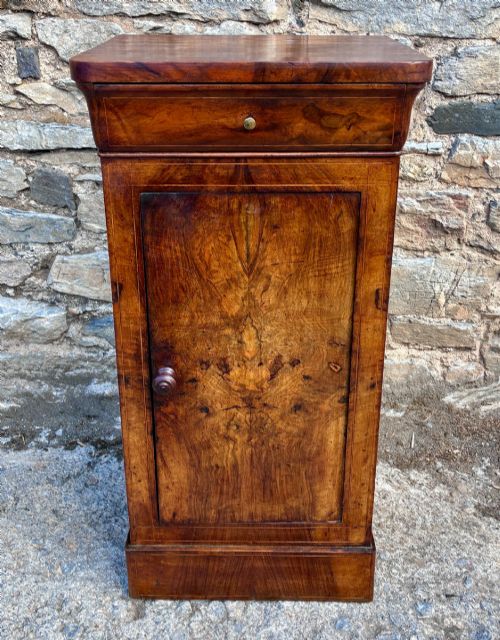
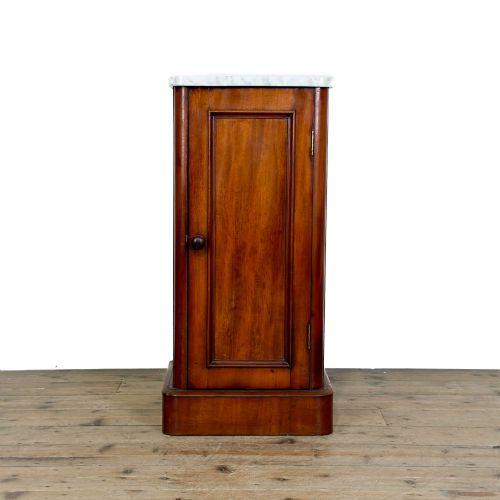
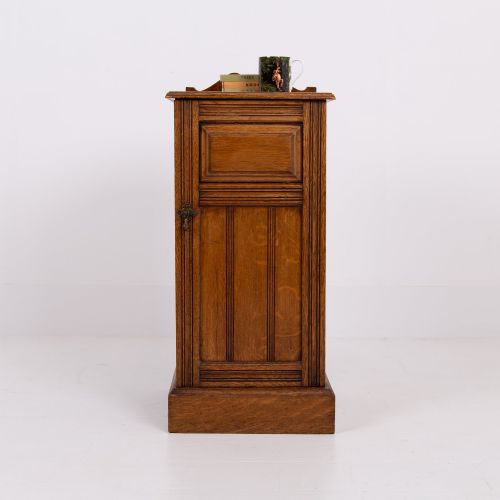
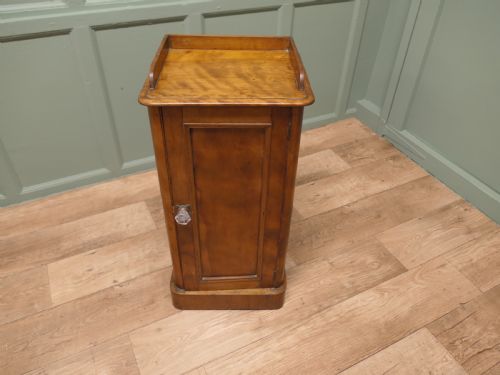
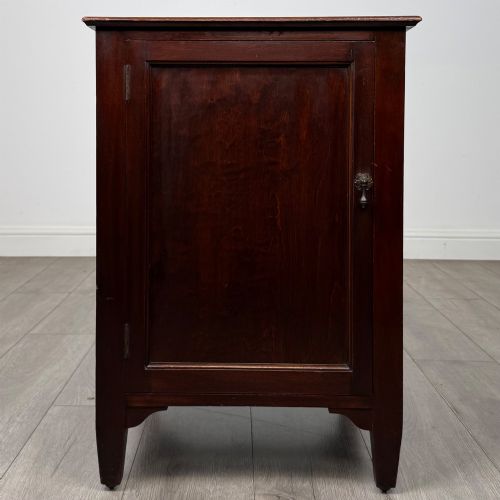
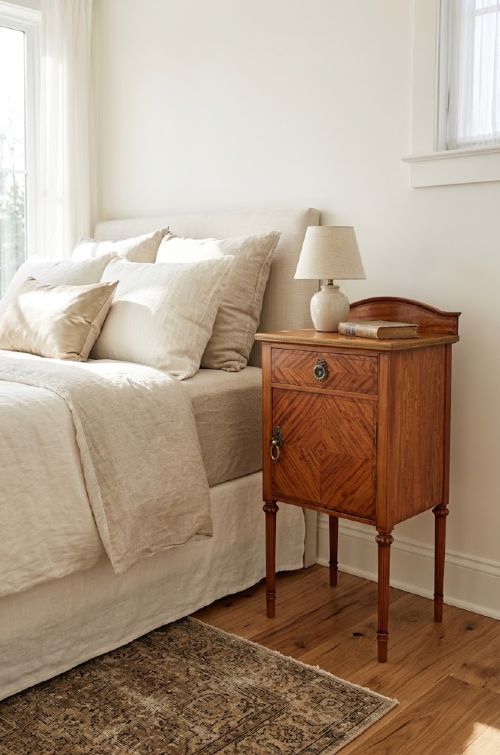
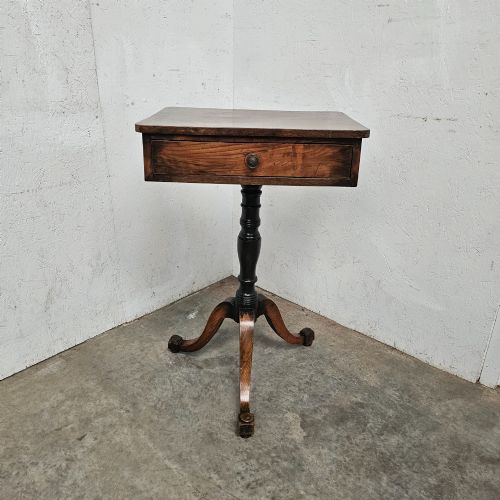
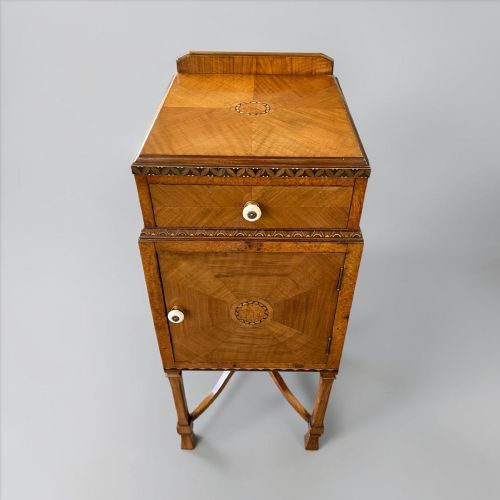
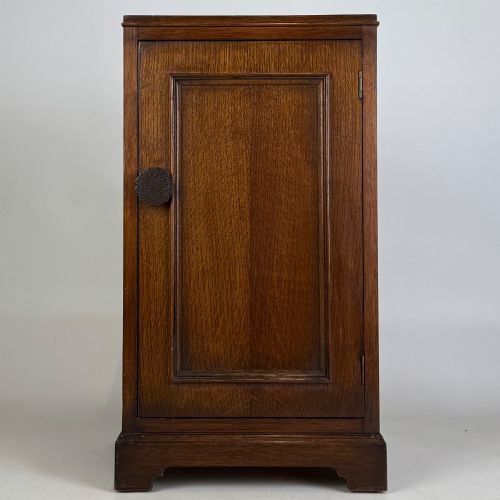
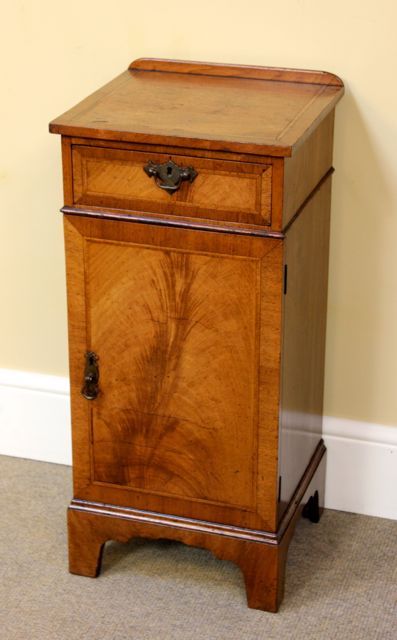
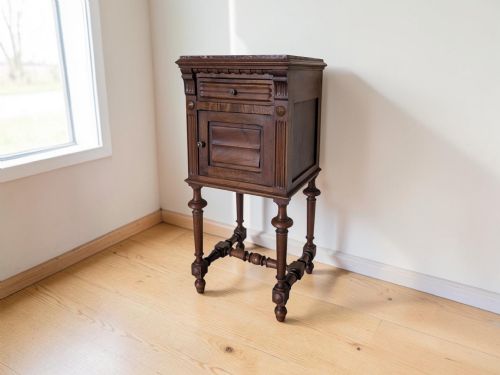
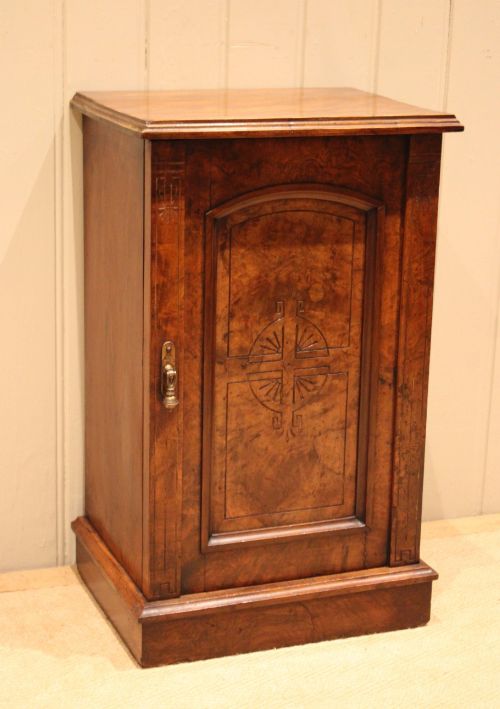
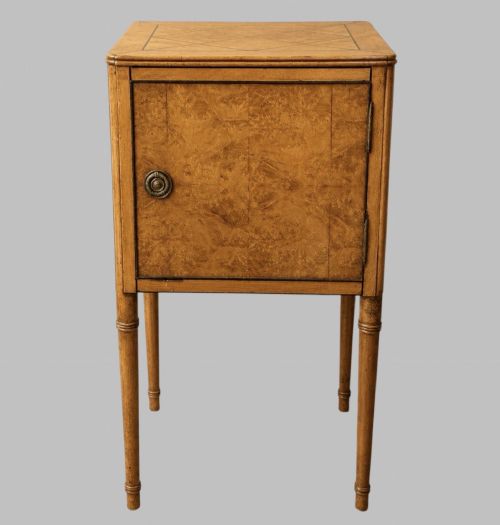
When you search for a single pedestal table, you encounter a diverse selection of furniture designed around a central column or support rather than traditional corner legs. The pieces represented here span several distinct forms, including small occasional tables, bedside cabinets, and occasional lamp tables, alongside larger dining and breakfast formats. Most commonly, you will find compact Victorian and Edwardian bedside cabinets or small occasional tables utilising this central pillar construction.
The materials and aesthetic influences vary widely across the inventory, reflecting periods from the 18th century through to the Art Deco era. Woods such as mahogany, walnut, burr walnut, and oak predominate, shaped by styles ranging from Georgian and William IV to Regency Revival. Buyers select these tables for their space-saving proportions and the distinct character imparted by period timber grain.
How they were made
Construction relies heavily on dense hardwoods like mahogany, walnut, and oak, often enhanced with figured veneers such as burr walnut or satinwood to create decorative surface patterns. Cabinetmakers joined pedestals to sturdy bases or tripod feet, ensuring structural balance beneath tabletops or enclosed cupboards.
Finishing techniques involved careful polishing to highlight the natural grain of the timber, whilst secondary woods like pine and elm formed internal components. Structural joinery prioritised durability, connecting the central pillar firmly to the tabletop and lower support.
Listings feature woods including mahogany, walnut, burr walnut, oak, burr birch, elm, satinwood, pine, and exotic hardwood.
What varies in quality
Quality separates the finer examples by the choice of timber and the sophistication of the cabinetmaking. Superior pieces utilise rich burr veneers, finely carved pedestal bases, and well-figured solid mahogany or walnut, whereas simpler versions rely on plain oak or stained surfaces.
The integrity of the central column and its junction with the base determine the physical stability of the table. Masterwork items display seamless joints, thoughtful proportion between the top and the pedestal, and well-preserved original hardware.
Walter Carter Harrods·Howard & Sons·Holland & Sons
The Single Pedestal Table Glossary
- Pedestal
- A central vertical support or column that holds up the tabletop or cabinet above. This design removes corner legs to maximise floor space.
- Tilt top
- A tabletop hinged to the central pedestal so it can tilt vertically when not in use. This mechanism allowed tables to be stored flat against a wall.
- Burr walnut
- Wood taken from the gnarled growth of a walnut tree, producing swirling and intricate grain patterns. It was frequently used for decorative veneer on high-status cabinets.
- Pot cupboard
- A small bedside cabinet originally designed to house a chamber pot. They typically feature a single door enclosing a shelf.
- Tripod
- A three-legged base commonly found supporting the central pillar of smaller occasional and lamp tables. It provides stable contact on uneven floors.
Single Pedestal Table: Frequently Asked Questions
What rooms suit a single pedestal table?
These tables adapt well to bedrooms as bedside cabinets, or to living rooms as lamp and occasional tables. Their compact footprint fits easily into corners or beside seating.
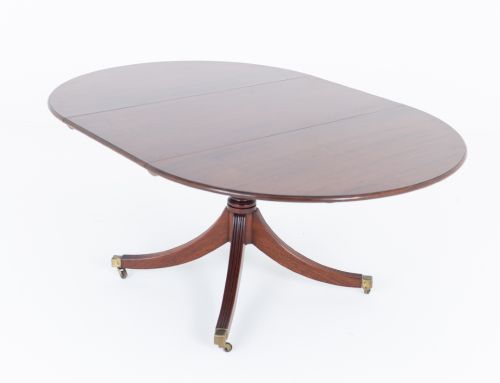
Larger variations, such as dining or breakfast tables, serve well in dining rooms where leg clearance around a central column is advantageous.
How do I care for mahogany surfaces?
Dust regularly with a soft, dry cloth to protect the polished finish from abrasive particles. Avoid placing wooden furniture in direct sunlight or near heat sources to prevent timber splitting.
Apply a quality beeswax periodically to nourish the wood and maintain a natural sheen.
Were these tables used as desks?
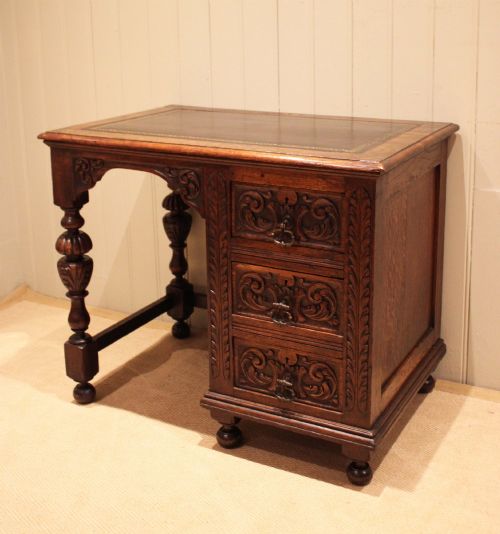
Certain larger pedestal formats functioned primarily for writing or clerical work, incorporating drawers and small compartments. Oak desks from the 19th century provide integrated storage whilst maintaining a compact central support structure.
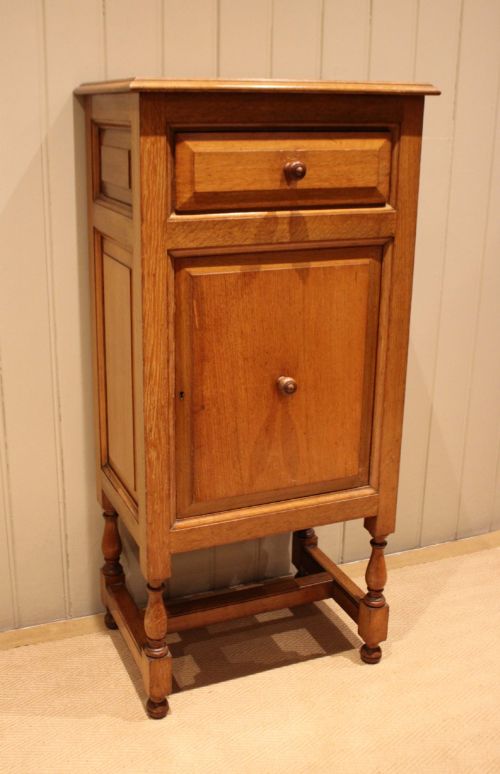
Smaller bedside cabinets served domestic storage needs rather than writing purposes.