
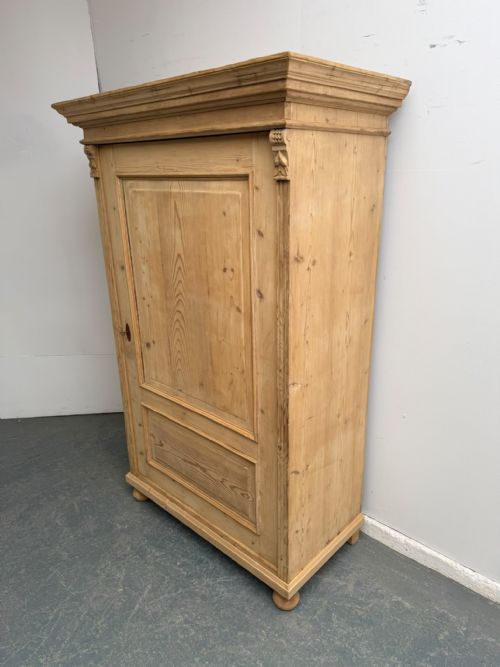
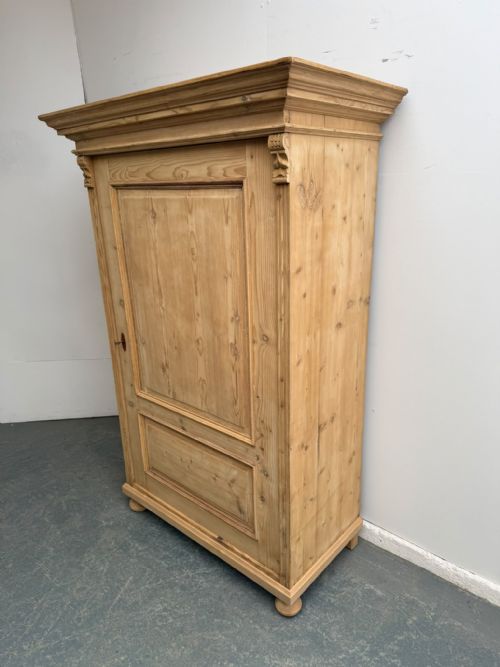
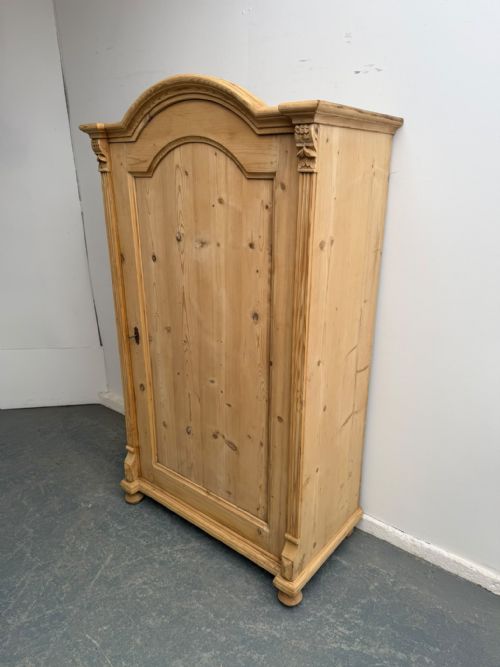
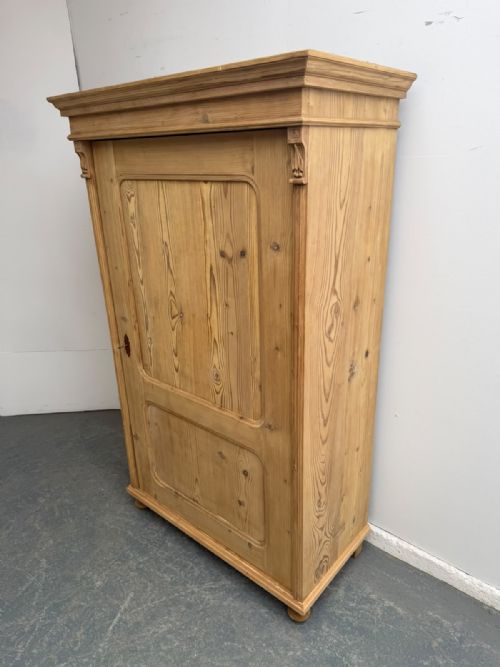
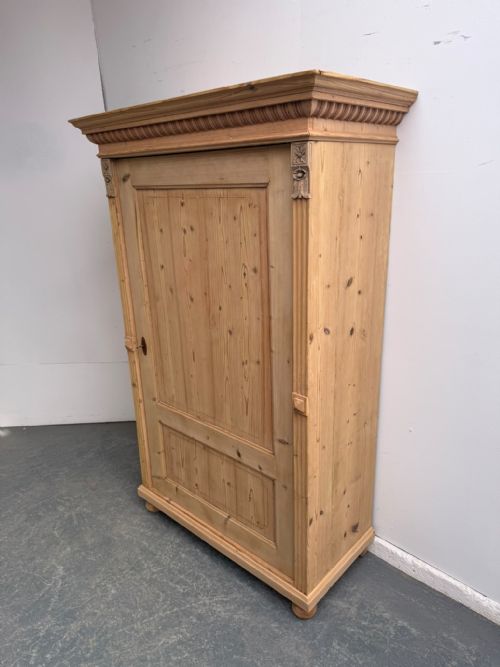
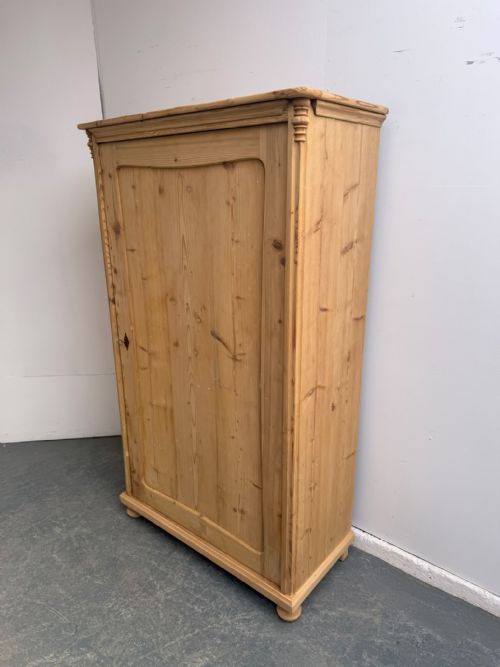
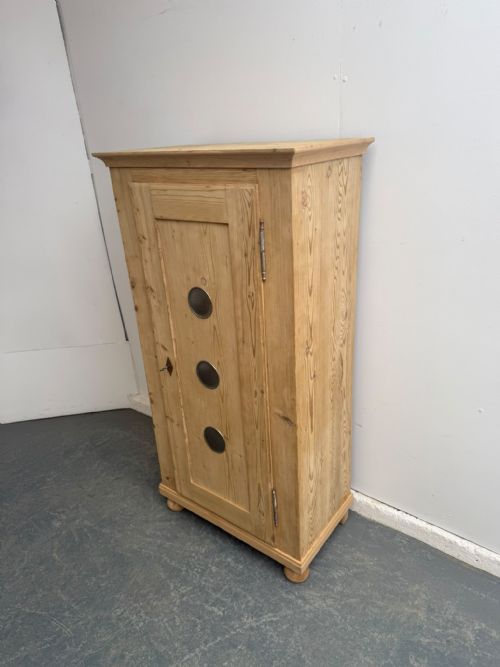

Single Door Pine Cabinet
A single door pine cabinet brings honest utility and warm timber grain into any room.
Single Door Pine Cabinet
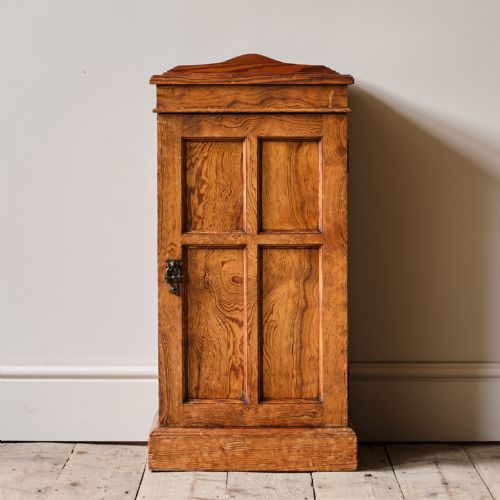
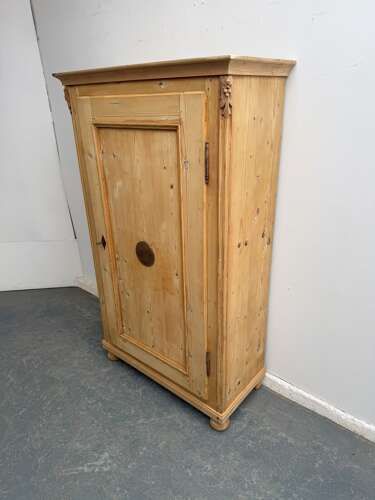
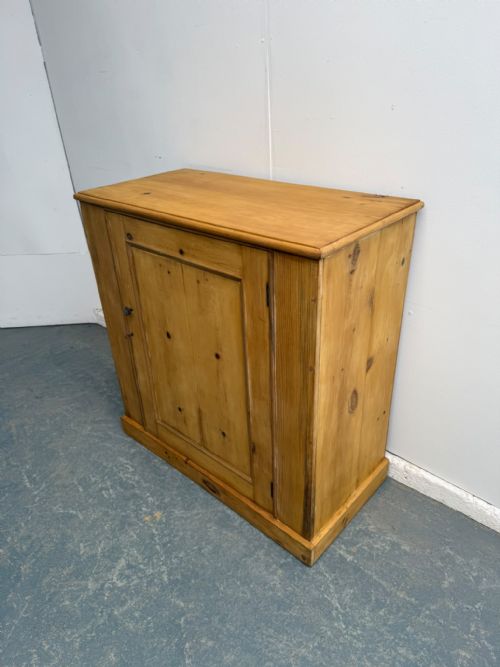
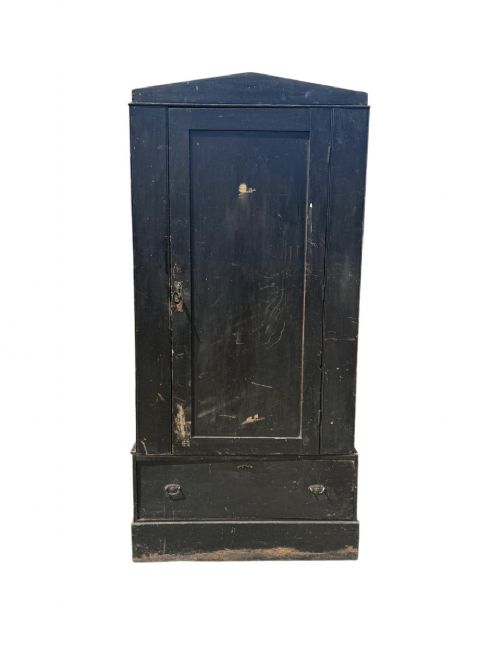
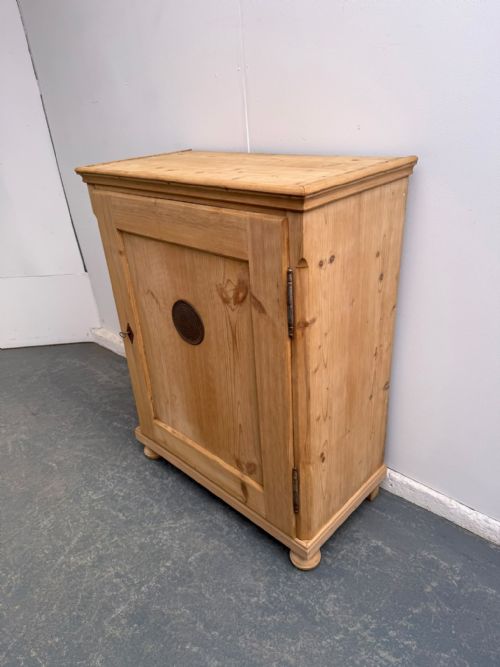
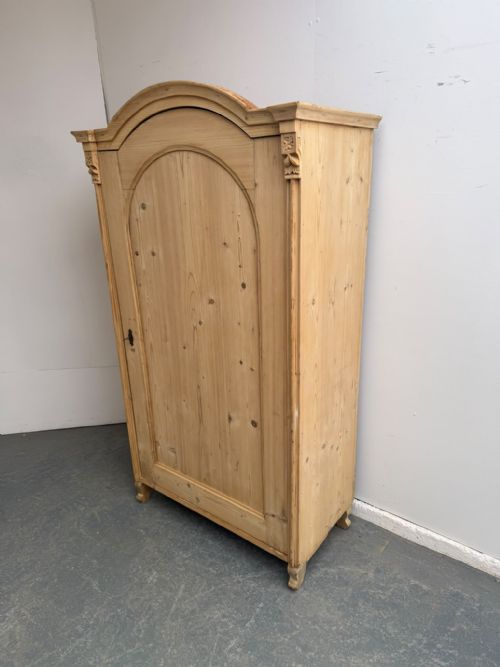
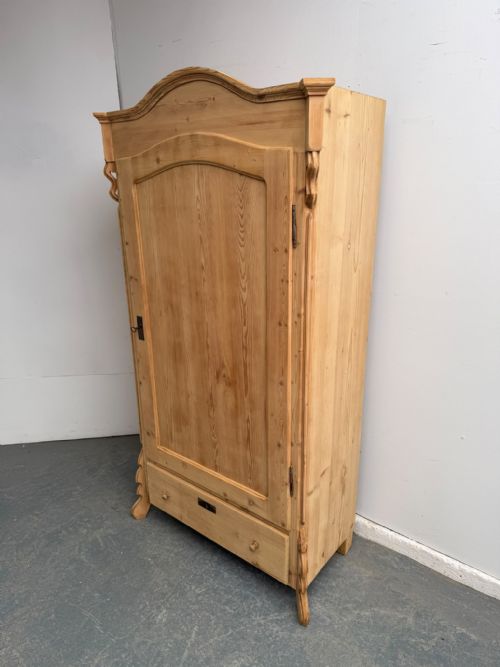
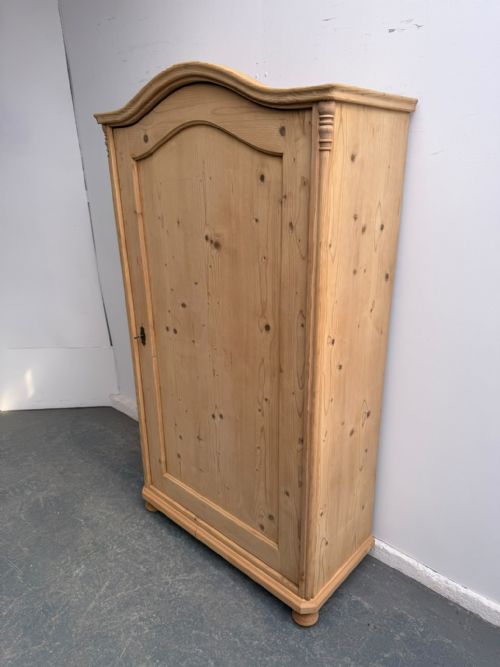
A single door pine cabinet is a utilitarian storage piece typically designed to hold linens, kitchen supplies, or bedside essentials. Buyers searching for a single door pine cabinet encounter various practical forms, from compact pot cupboards to tall hall wardrobes and low kitchen storage.
The pieces appearing on this page stem predominantly from the Victorian era and the nineteenth century, alongside examples from the Georgian period up to nineteen thirty. Common formats include arched storage cupboards, vented kitchen cupboards, and carved bedside cabinets suited for everyday use.
Origins and styles span British Victorian country workshops to rustic European and Italian country traditions. Whether configured as a shallow hall wardrobe or a wide bedside cupboard, each unit relies on a single hinged door to enclose its interior shelving or hanging space.
Materials and construction methods
Makers constructed these cabinets using solid pine, oregon pine, and painted softwood, occasionally incorporating oak for structural elements. Iron and metal provide hinges, latches, and hardware, while ceramic details sometimes appear on pulls or fittings.
Surface treatments vary widely between original paint finishes, polychrome decoration, grained effects, and waxed timber surfaces. Construction techniques involve traditional joinery, fielded panels, and carved details applied to the softwood carcase.
Some Victorian kitchen cupboards arrive with built-in ventilation slats, proving that nineteenth-century meal prep required serious airflow.
Markers of distinction and build
Quality in these cabinets is determined by the crispness of timber carving, the integrity of fielded panels, and the stability of the pine carcase. Superior examples maintain balanced proportions, whether shallow for hallways or wide for kitchen storage.
The character of the finish significantly influences desirability, with original painted surfaces, polychrome decoration, or carefully waxed grain distinguishing finer pieces from standard utilitarian storage. Hardware integrity and the smooth operation of the single door also mark better construction.
The Single Door Pine Cabinet Glossary
- Pine
- A softwood derived from coniferous trees that forms the primary structural material for these cabinets. It accepts wax and paint finishes readily.
- Pot cupboard
- A small bedside cabinet originally designed to house a chamber pot. These compact pieces typically feature a single door and a flat top surface.
- Fielded panel
- A wooden panel with bevelled or recessed edges fitted into a frame. This technique adds depth and visual interest to cabinet doors.
- Vented cupboard
- A storage unit featuring pierced or perforated panels for air circulation. These were traditionally used in kitchens to keep food items fresh.
- Grained
- A painted finish applied to imitate the natural grain patterns of more expensive hardwoods. Artisans used this technique to elevate simpler softwood furniture.
Single Door Pine Cabinet: Frequently Asked Questions
Where should I place a single door pine cabinet?
These compact cabinets suit smaller spaces like hallways, bedrooms, or kitchens where floor space is limited. Their narrow footprint allows them to fit snugly into alcoves or beside larger furniture.
Tall versions work well for linens and garments, while low or bedside variants serve as convenient storage next to a bed or in a corner.
How do I care for a waxed pine surface?
Maintain waxed pine by dusting it regularly with a soft, dry cloth. Avoid placing the cabinet near direct heat sources or in damp areas, which can cause the softwood to warp.
Apply a quality bees wax periodically to nourish the timber and preserve the warm lustre of the grain.
What is the difference between a pot cupboard and a hall cupboard?
A pot cupboard is a small, low bedside unit designed for intimate storage, whereas a hall cupboard is taller and built to hold coats, linens, or general household goods.
Both share a single door format, but their scale and internal configuration reflect their distinct historical uses.
How can I date an antique pine cabinet?
Dating relies on examining construction marks, hardware types, and timber characteristics. Nineteenth-century and Victorian pieces often show hand-cut joinery and traditional fixings.
Stylistic clues like Gothic Revival arches or original painted surfaces also help establish the period of origin.