
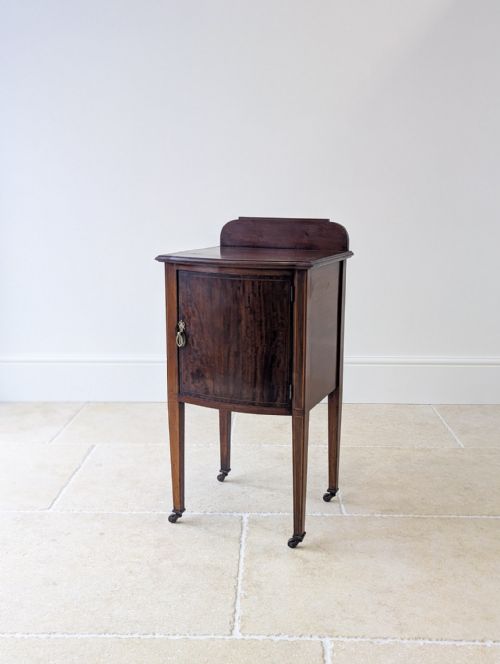
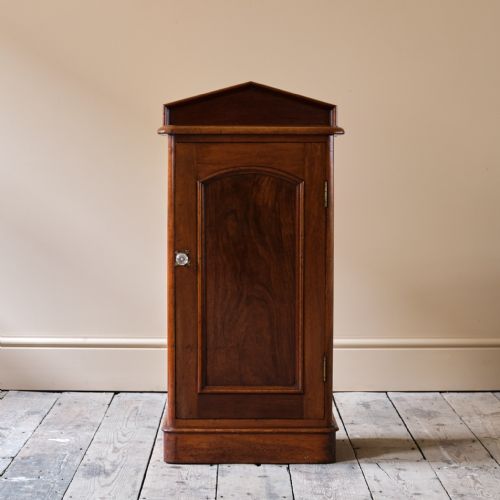
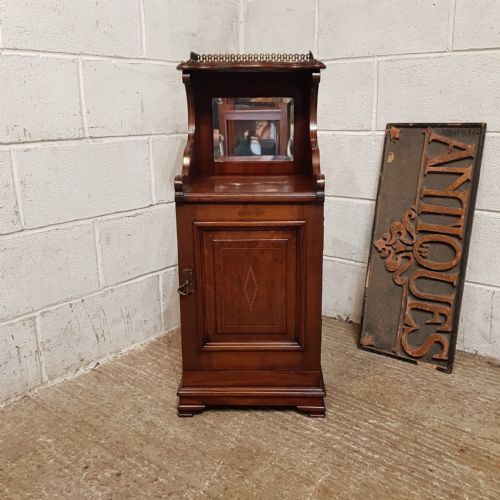
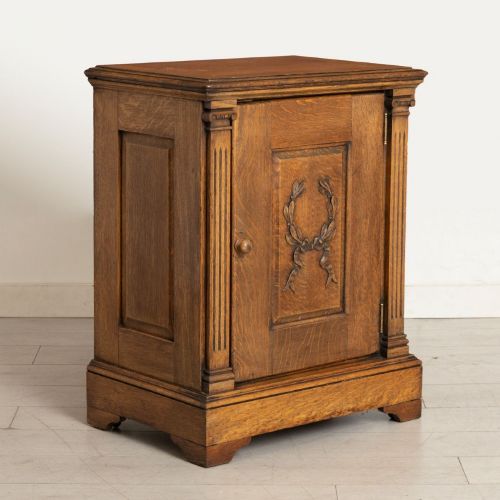

Single Door Bedside Pedestal
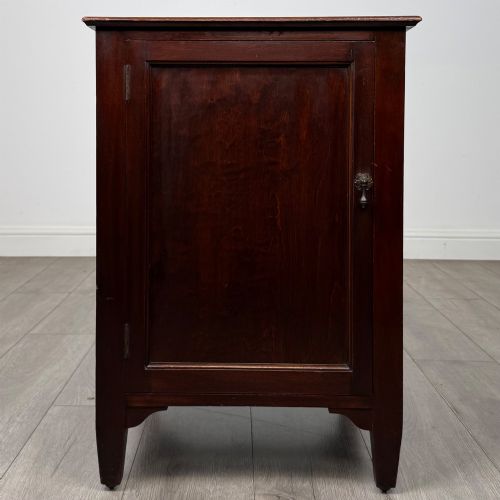
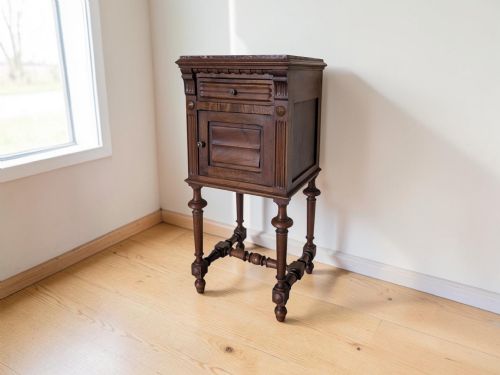
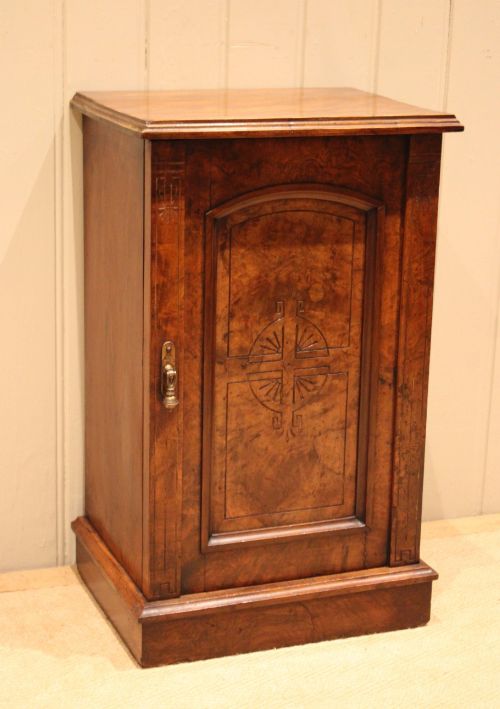
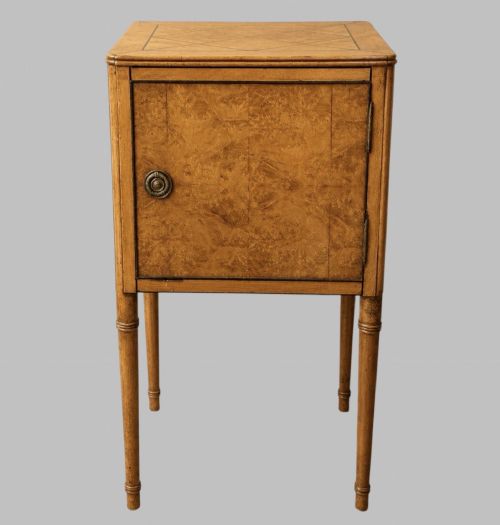
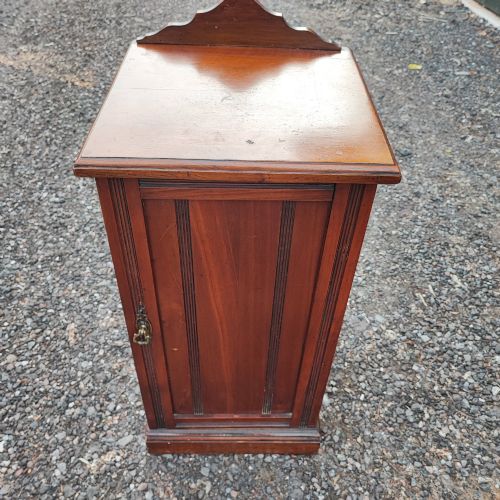
A single door bedside pedestal is a compact bedside cabinet designed to hold a chamber pot or night essential.
Single Door Bedside Pedestal
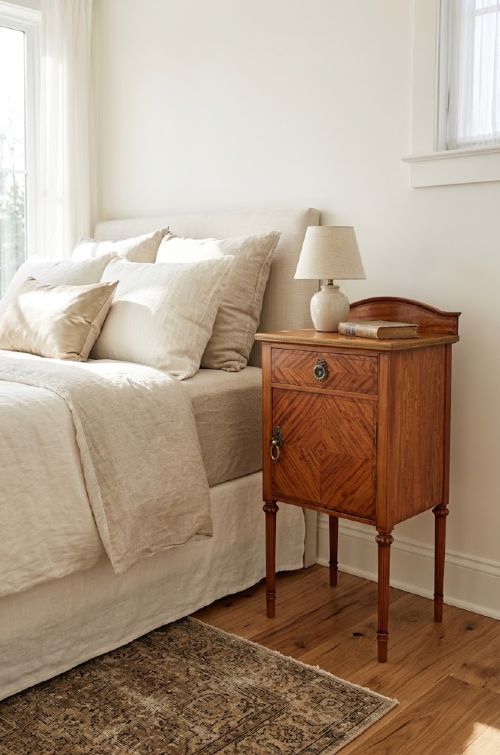
A single door bedside pedestal is a compact cupboard built to stand beside a bed, offering enclosed storage for night-time essentials. These pieces appear as bedside cabinets, pot cupboards, and pedestal side cabinets across the nineteenth and twentieth centuries.
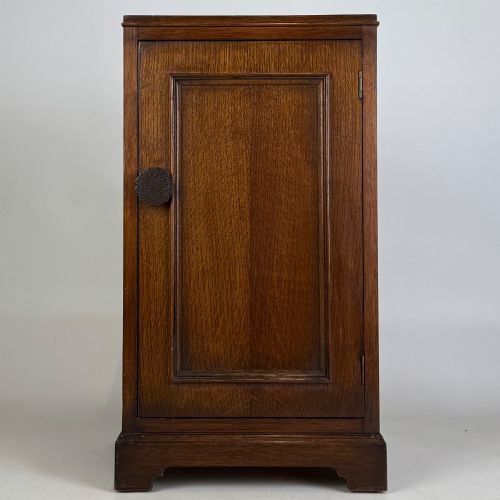
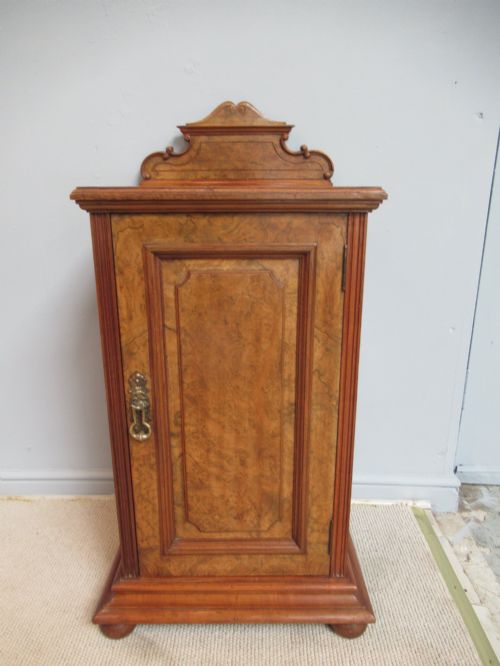
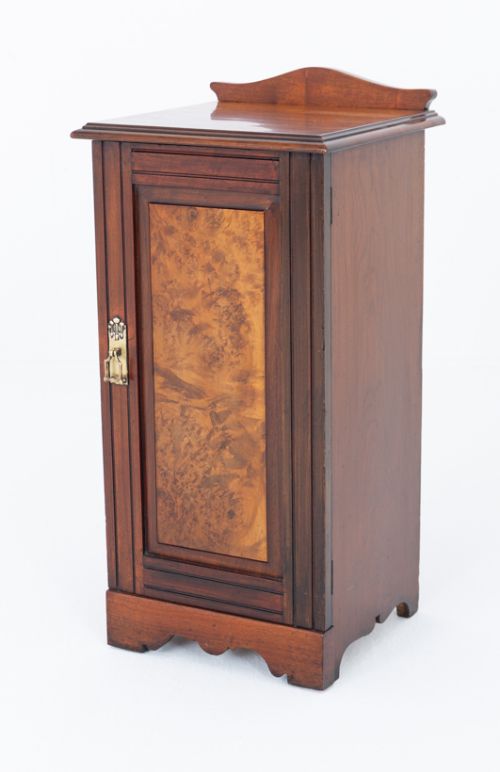
The most common examples on this page date from the Victorian and Edwardian periods, constructed in dense timbers like mahogany and walnut. They typically feature a single panelled or cupboard door opening to reveal a shelved interior.
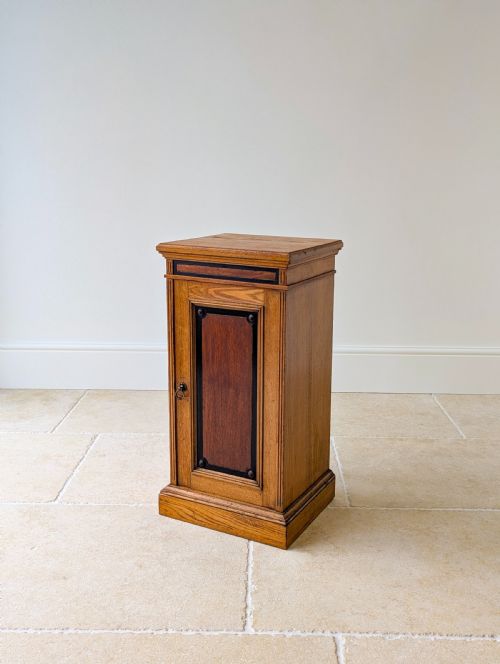
Originating as utilitarian bedroom furniture, these cabinets range from plain pine and oak storage cupboards to decorative burr walnut and satinwood pieces. Makers adapted the form through various historical revivals, including Gothic, Sheraton, and Art Deco styles.
How they were made
Cabinet makers utilised solid and veneered hardwoods, constructing carcases primarily in mahogany, walnut, and oak, alongside accents of burr walnut, satinwood, and exotic hardwoods. Panels were fitted with brass hardware, while interiors occasionally incorporated marble or glass surfaces.
Construction relied on traditional joinery techniques suited to small cabinetry, joining timber panels to form rigid box frames with single hinged doors. Surfaces were finished with polish or graining, and finer examples displayed inlaid details or carved stylistic flourishes.
Listings feature pieces spanning from the nineteenth century through the Edwardian era and into the Art Deco period.
What varies in quality
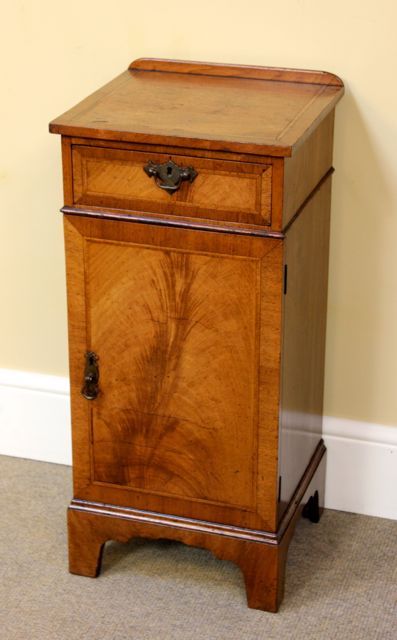
The choice of timber underpins the distinction between standard utilitarian pieces and finer output, with richly figured burr walnut and flame mahogany commanding greater visual presence than plain pine or stained oak. The depth of cabinet-making skill shows in the handling of grain, proportion, and timber selection for visible surfaces.
Decorative ambition separates simple chambers from elaborate expressions of period styles like Sheraton Revival or Aesthetic Movement design. The integration of brass fittings, subtle inlay, and clean structural lines marks the difference between basic utility and considered craftsmanship.
Walter Carter Harrods·Howard And Sons·Holland And Sons·Simpson Halifax·Maple And Co
The Single Door Bedside Pedestal Glossary
- Pot cupboard
- A small bedside cabinet originally constructed to enclose a chamber pot behind a single door. These enclosed pieces kept bedroom chambers tidy and odour-free.
- Burr walnut
- A highly figured wood veneer taken from the wart-like growths on walnut trees. It provides dense, swirling patterns favoured on Victorian cabinet doors.
- Pedestal cupboard
- A tall, narrow single-door cabinet designed to stand upright beside furniture. The form elevates the storage space compared to lower bedside tables.
- Satinwood
- A pale, lustrous exotic timber native to India and Sri Lanka used for fine cabinet veneers and inlay work. Edwardian makers utilised it for bright surface finishes.
Single Door Bedside Pedestal: Frequently Asked Questions
What is a single door bedside pedestal used for?
These cabinets served historically to house a chamber pot and keep personal items concealed beside the sleeping quarters. Today, they function as compact bedside tables offering enclosed storage for books and modern night-time necessities.
The single door keeps the interior private while occupying minimal floor space in a bedroom. Their enclosed design suits rooms where clutter needs to be kept out of sight.
How do I date a Victorian bedside cabinet?
Dating relies on observing the primary timber, construction methods, and stylistic cues present in the piece. Victorian examples often utilise solid mahogany or burr walnut with hand-cut joinery.
Later Victorian and Edwardian versions introduce lighter woods like satinwood or stylistic revivals such as Sheraton Revival and Arts and Crafts details. Comparing the hardware and internal linings helps narrow the decade of manufacture.
Are bedside pedestals only made of mahogany?
While mahogany is the most frequently seen timber, these pedestals appear in a wide variety of materials. Walnut, burr walnut, and oak are common across nineteenth-century examples.
Some pieces utilise maple, satinwood, or painted pine, occasionally incorporating marble tops or brass fittings. The choice of material often reflects the prevailing style of the period, from plain oak to decorative exotic hardwoods.
How do I clean an antique wooden cabinet?
Maintenance requires gentle cleaning with a soft, dry cloth to remove dust without disturbing the polished finish. Avoid using modern silicone sprays or abrasive chemical cleaners that can degrade antique wood surfaces.
Occasional application of traditional beeswax helps nourish dry timber and maintain the natural lustre of the grain. Keeping the cabinet away from direct heat sources prevents the wood from warping.