
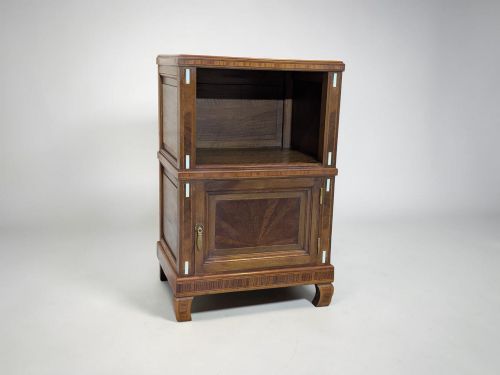
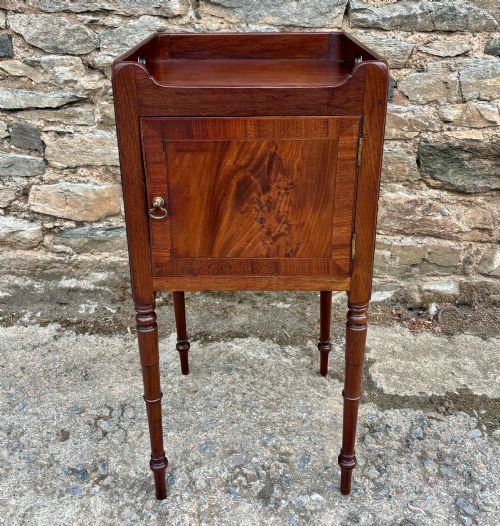
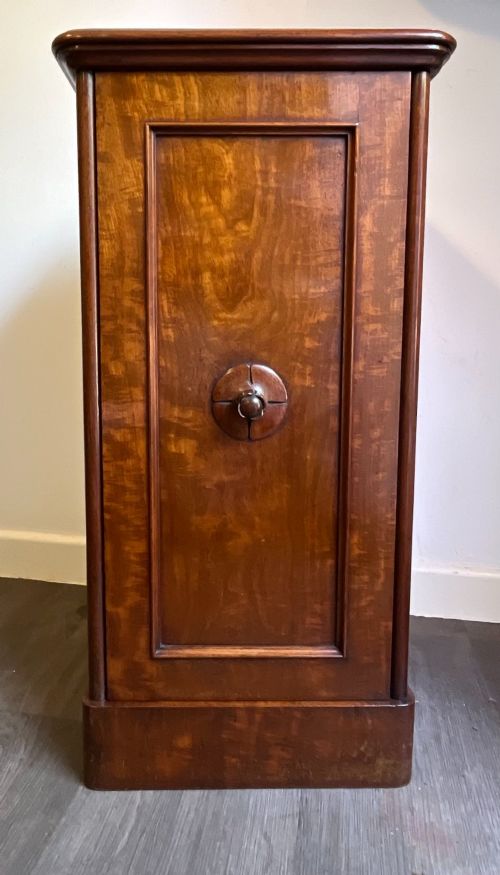
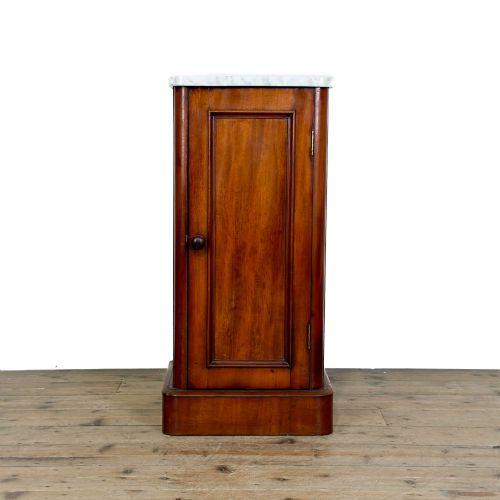
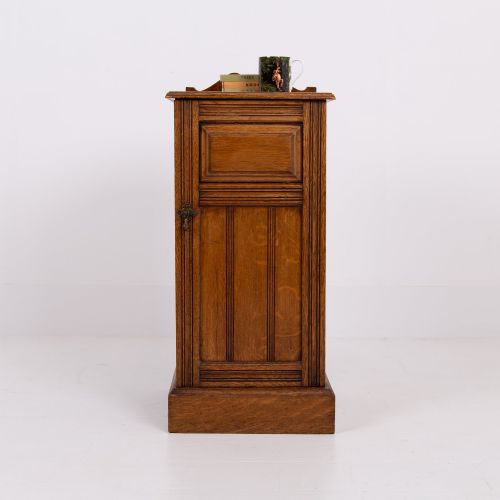
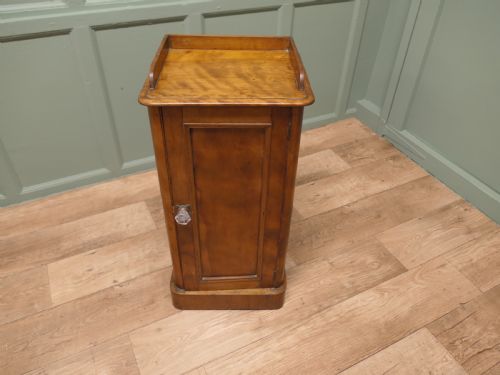
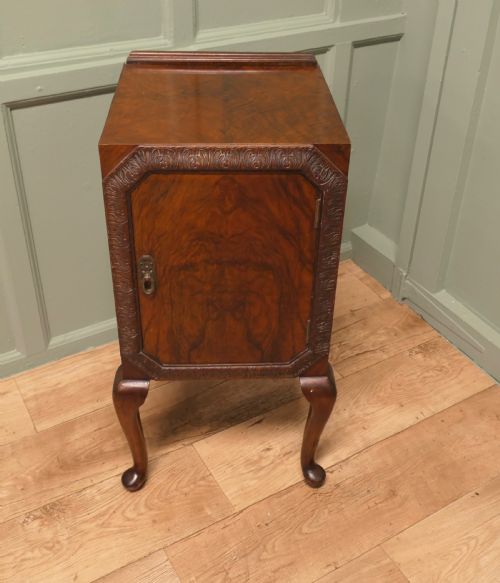
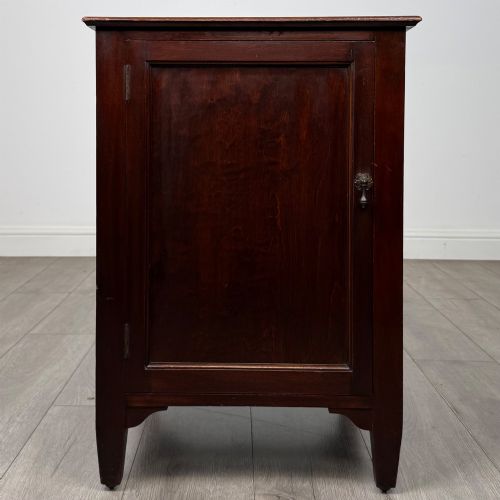
Single Bedside Cupboard
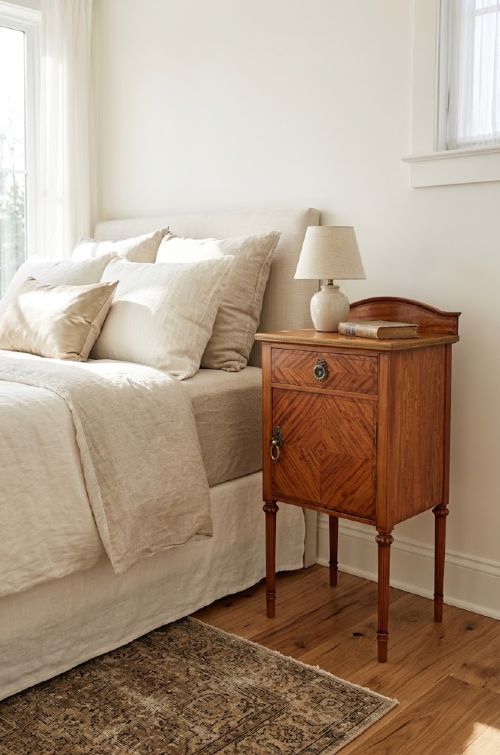
A single bedside cupboard provides essential closed storage beside a bed, uniting compact utility with period craftsmanship.
Single Bedside Cupboard
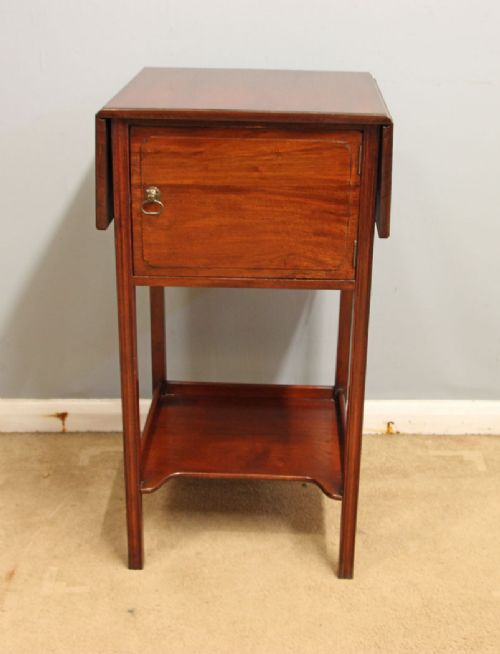
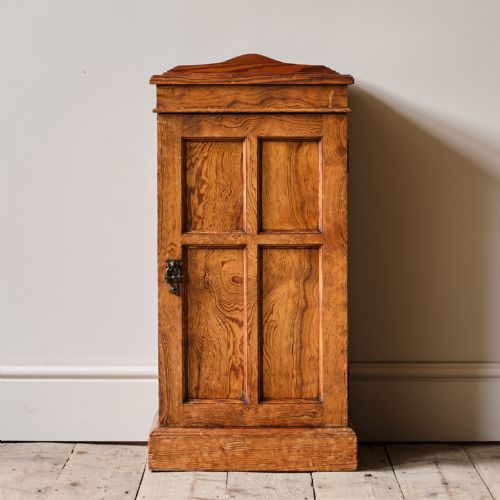
A single bedside cupboard is a compact piece designed to hold chamber pots, books, or night-time necessities within arm's reach of the bed. Buyers searching for a single bedside cupboard will encounter various forms, including pot cupboards, nightstands, and small pedestal cabinets originating from the nineteenth and early twentieth centuries.
The selections span distinct historical eras such as the Victorian, Edwardian, and Art Deco periods, alongside earlier Georgian and Regency examples. Mahogany and walnut predominate, frequently complemented by oak, satinwood, and ash.
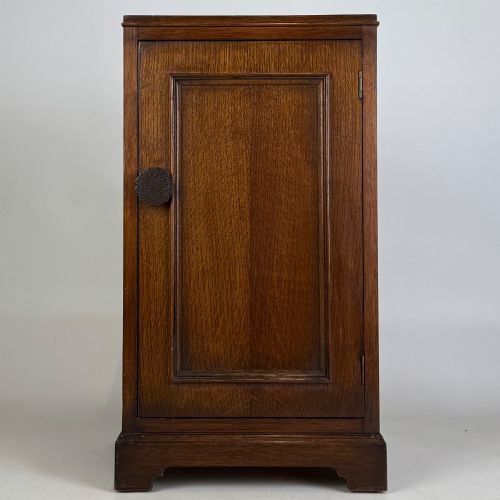
Makers utilised diverse regional styles, ranging from Gothic Revival and Arts and Crafts to clean-lined 1930s modernist designs. Most pieces offer a single door enclosing a cupboard space, often paired with a top drawer.
How they were made
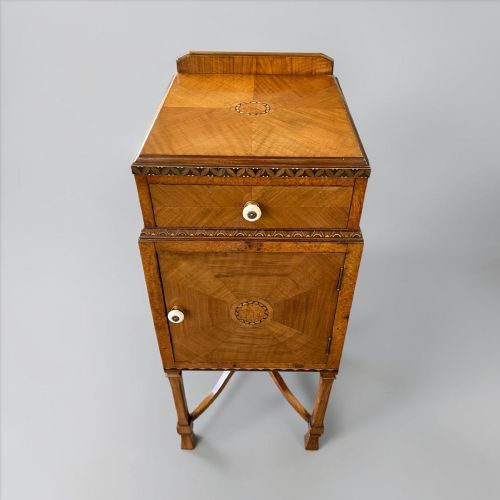
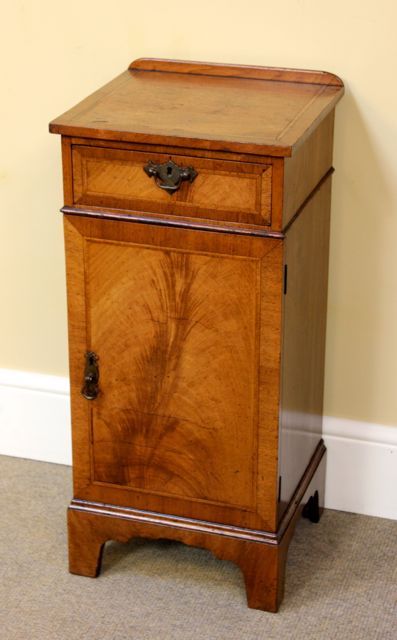
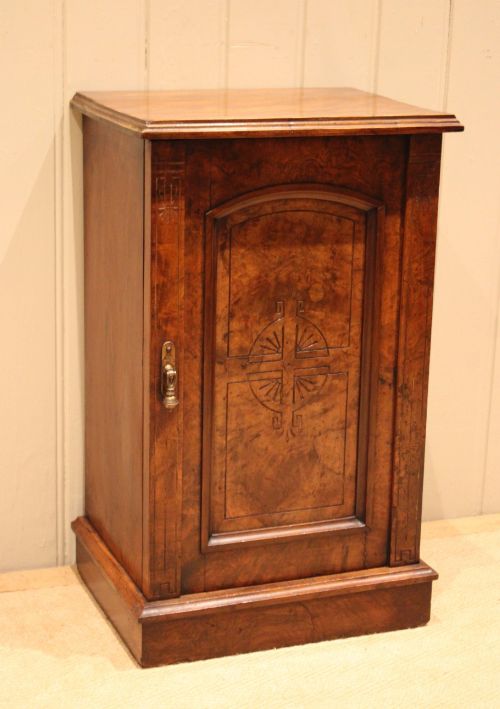
Carpenters constructed these cabinets using dense hardwoods like mahogany, walnut, and oak, frequently applying figured burr veneers to drawer fronts and door panels for visual depth. Structural integrity relied on traditional jointing methods, while internal carcases utilised secondary timbers.
Surface decoration involved careful polishing with wax or shellac to highlight the natural grain of the timber, alongside specialised techniques such as marquetry inlay, brass hardware fittings, and painted finishes on pine and oak.
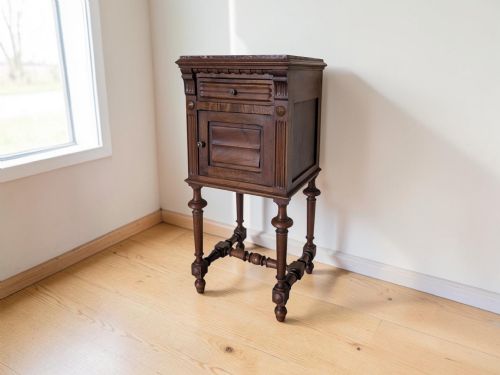
Design variations incorporated raised galleries in brass or carved wood, marble tops on continental variants, and panelled doors supported by sturdy turnings or tapering legs.
The inventory spans Victorian, Edwardian, and Art Deco periods, utilising mahogany, walnut, burr walnut, and oak.
What varies in quality
The standard of timber selection largely dictates the quality of a single bedside cupboard, distinguishing plain utility items from pieces utilising highly figured burr walnut, exotic hardwoods, or finely matched satinwood veneers.
Construction detail separates simpler workshops from accomplished cabinet makers, evident in the precision of dovetail joints on drawers, the alignment of door panels, and the retention of original brass handles or gallery rails.
Proportion and decorative restraint also define superior examples, where carved mouldings, subtle inlay work, and balanced structural lines reflect the design ambitions of the period rather than mass production.
Walter Carter Harrods·Heals·Howard & Sons
The Single Bedside Cupboard Glossary
- Pot cupboard
- A small enclosed cabinet originally designed to house a chamber pot beneath a bedside surface. These items form a major category within early bedside storage furniture.
- Burr walnut
- A prized timber harvested from the wart-like growths on walnut trees, yielding swirling, highly decorative grain patterns. Cabinet makers applied it as a veneer to highlight luxury pieces.
- Gallery
- A raised decorative rail fitted to the top edge of a cabinet or table. It prevents small items from rolling off the surface.
- Marquetry
- The art of applying decorative pieces of wood veneer to a structure to form intricate pictorial or geometric designs. It appears on finer satinwood and mahogany surfaces.
- Gothic Revival
- A nineteenth-century design movement drawing inspiration from medieval architecture. Pieces from this style often feature pointed arch motifs and heavy oak construction.
Single Bedside Cupboard: Frequently Asked Questions
What is a pot cupboard?
A pot cupboard is a small enclosed cabinet originally designed to conceal a chamber pot beneath the sleeping quarters. They developed into standard bedside furniture during the nineteenth century.
Today, these cupboards function as practical nightstands with enclosed shelving for books and personal items. Their compact footprints suit smaller modern bedrooms.
How do I date a bedside cabinet?
Dating relies on identifying period characteristics such as timber choice, handle styles, and construction methods. Victorian pieces often use heavy mahogany, while Edwardian versions favour lighter inlaid satinwood.
Secondary woods inside drawers and the presence of hand-cut versus machine-cut dovetails offer further chronological clues. Historical labels or stamps inside the door can confirm specific eras.
Are these cabinets suitable for modern beds?
Most antique bedside cupboards align well with standard contemporary mattress heights, typically measuring around seventy centimetres or lower. Measuring the clearance space beside the bed ensures proper fit.
Their enclosed storage proves useful for hiding modern electronics, charging cables, and reading lamps. The flat top surfaces readily accommodate alarm clocks and lighting.
What distinguishes Arts and Crafts models?
Arts and Crafts bedside cabinets emphasise visible construction, plain waxed oak surfaces, and functional simplicity. They reject excessive factory ornamentation in favour of honest hand craftsmanship.
Makers often utilised exposed tenon joints and subtle hand-hammered metal hinges. These pieces bring a robust, grounded aesthetic to a bedroom interior.