




Silvered Metal Mirror
A silvered metal mirror brings industrial shine and clean reflection into a room, capturing the sleek modernity of early twentieth century design.
Silvered Metal Mirror
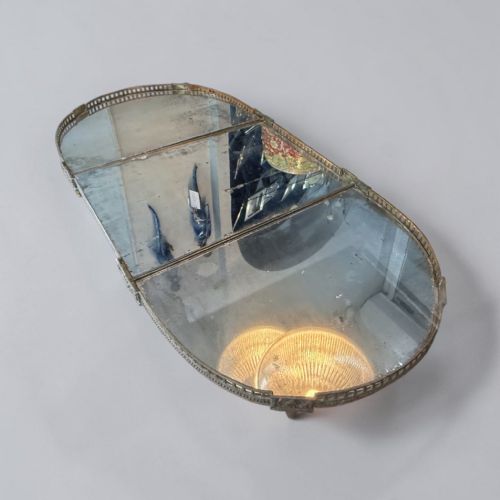
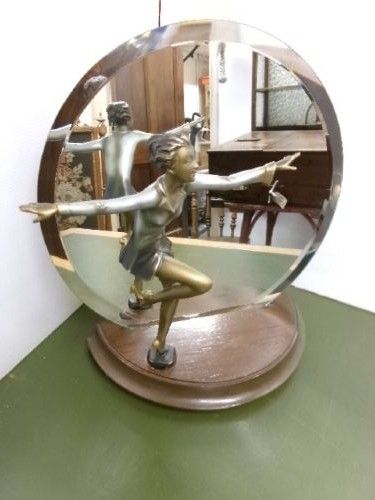
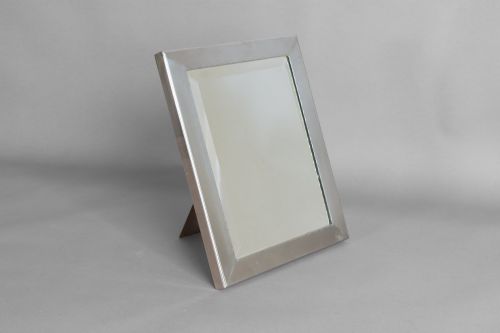
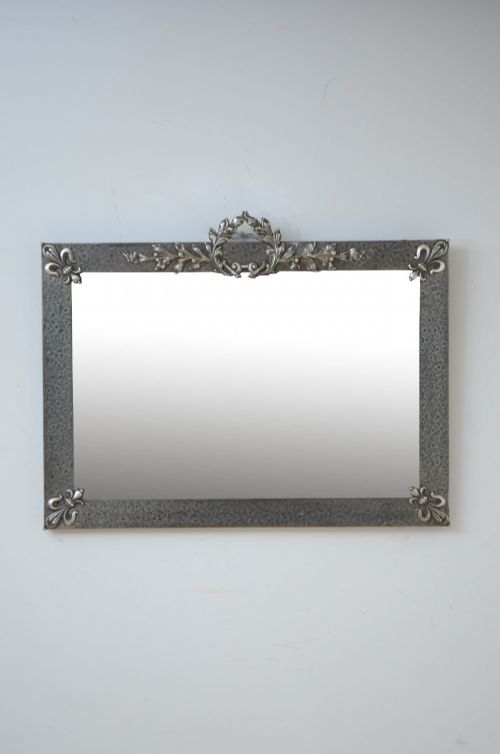
When searching for a silvered metal mirror, a buyer explores pieces ranging from compact vanity items to large wall-hanging designs. These objects draw on twentieth century aesthetics, particularly the streamlined geometry of the Art Deco period and the hand-finished integrity of Arts and Crafts production.
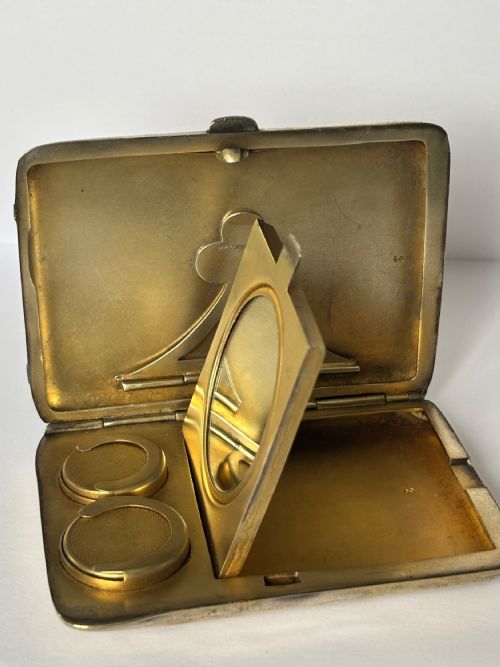
Beyond standard wall mirrors, the category encompasses smaller dressing table accessories and specialised shaving mirrors. Each piece reflects the material preferences of its decade, balancing utility with decorative metalwork.
How they were made
Makers constructed these pieces using durable base metals combined with glass and occasionally wood or brass. Chrome plating and silvering provided a brilliant reflective surface that resisted tarnishing while catching interior light.
Craftsmen applied techniques such as hand hammering on copper and brass frames during the Arts and Crafts movement, while later Art Deco pieces favored smooth chrome and polished steel. Mirrored glass was cut and bevelled to fit securely within custom metal housings.
One piece includes stylised honesty seed pods pressed into silvered copper, bringing botanical whimsy directly to the dressing table.
What varies in quality
Quality in these pieces rests upon the precision of the metalworking and the preservation of the reflective glass surface. Superior examples display crisp lines in the chrome or brass framework without distortion in the mirror plate.
The integration of materials also defines the tier of a piece, where solid construction in brass, copper, or chrome outlasts superficial plating. Intricate details like hand-hammered borders or specialised mechanical joints elevate the craftsmanship.
The Silvered Metal Mirror Glossary
- Art Deco
- A design style from the nineteen-twenties and nineteen-thirties characterised by sleek geometric shapes, streamlined forms, and modern industrial materials.
- Arts and Crafts
- A movement prioritising traditional craftsmanship, visible hand-working techniques, and motifs drawn from nature.
- Chrome plating
- An electrolytic coating of chromium applied to base metals to provide a corrosion-resistant and highly reflective finish.
- Silvered metal
- A metal surface treated to achieve a bright silver appearance, or glass coated with a reflective silver compound.
- Bevelled glass
- Glass with an angled edge cut around the perimeter, adding depth and catching light as it reflects.
Silvered Metal Mirror: Frequently Asked Questions
What defines a silvered metal mirror?
A silvered metal mirror combines a reflective glass plate with a frame or structure composed of metals like brass, chrome, or steel. These pieces often date from the early twentieth century.
They reflect the shifting design movements of their time, moving from ornate Edwardian brass frames to the clean lines of Art Deco chrome.
How do I date a metal mirror?
Dating relies on examining the manufacturing techniques, materials, and stylistic motifs present in the frame. Arts and Crafts pieces often show hand-hammered textures, while nineteen-thirties items favour smooth chrome.
Hardware types, backing materials, and the method of silvering the glass also offer clues to the decade of origin.
Where should I hang a wall mirror?
Wall mirrors suit hallways, living rooms, and dressing areas where they can bounce natural light around the space. Smaller brass or chrome frames look effective mounted above side tables or mantels.
Consider the height of the room and surrounding furniture proportions to balance the visual weight of the metal frame.
How do I care for vintage chrome?
Vintage chrome and metal frames require gentle cleaning with a soft cloth to remove dust and fingerprints without scratching the surface. Avoid abrasive chemical cleaners that can strip the plating.
Glass cleaner applied directly to a cloth rather than the mirror keeps the reflective plate clear while protecting adjacent metalwork.