



Silvered Glass Lamp
A silvered glass lamp brings a distinct metallic sheen and reflective warmth into a room, capturing light from every possible angle.
Silvered Glass Lamp
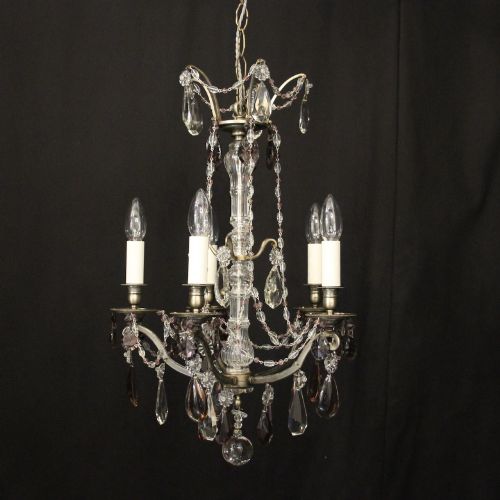
A silvered glass lamp represents a diverse category of lighting that spans from the late Victorian and Edwardian eras through to the height of the Art Deco period. When searching for a silvered glass lamp, buyers encounter everything from modest table lamps to grand chandeliers, pendant lights, and wall sconces.
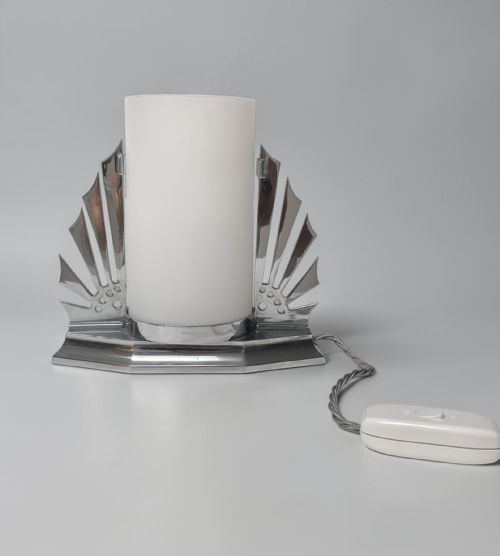
The selection ranges across several decades, capturing the ornate styling of the nineteenth century alongside the geometric lines of the 1920s and 1930s. Table lamps and pendant lights dominate the offerings, often pairing reflective glass bodies with contrasting metallic mounts.
Makers and designers from various European hubs utilised silvering techniques to turn ordinary glass into mirror-like surfaces that amplify interior illumination. These pieces bridge the gap between functional lighting and decorative art objects.
How they were made
Makers constructed these fixtures using combinations of glass, chrome, silver plate, brass, and cut crystal. The silvered glass itself often involved coating the interior of blown or moulded vessels with a reflective silver compound, creating a mirrored effect.
Metal components such as brass, chrome, and silver plate were cast, spun, or turned to form the bases, columns, and structural mounts of the lamps. Cut glass and crystal elements were polished and faceted to catch the light, while frosted or satin finishes were introduced to diffuse the glow.
Materials span from traditional brass and cut crystal to industrial chrome and silvered glass.
What varies in quality
Quality in these lighting pieces rests upon the integrity of the silvering on the glass and the weight of the metal mountings. Superior examples show an even, unblemished reflective coating within the glass, free from heavy flaking or unsightly oxidation.
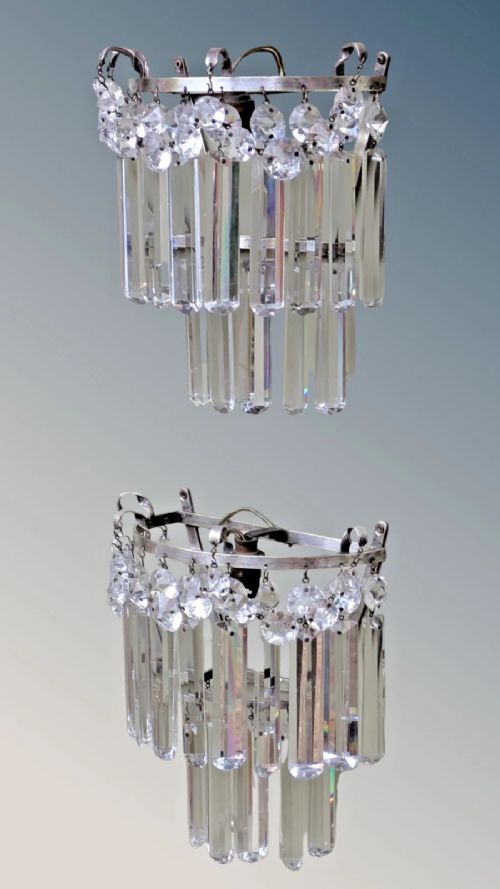
The standard of metalwork also dictates the grade of the piece, with heavier cast brass, solid chrome, and thick silver plating standing apart from lighter, pressed components. Precision in the cutting of crystal shades and the crispness of figural details further separate standard productions from finer workshop creations.
Émile-Jacques Ruhlmann·PH Vogel·Muller Bros·F&C Osler·Farraday & Son·Goldsmiths and Silversmiths Company
The Silvered Glass Lamp Glossary
- Silvered glass
- Glass treated with a reflective substance on its inner surface to produce a mirror-like or mercury finish. This technique creates an opaque, gleaming metallic appearance.
- Torchiere
- A tall floor lamp that directs its light upward towards the ceiling. These fixtures often feature prominent decorative shades or bowls.
- Peg oil lamp
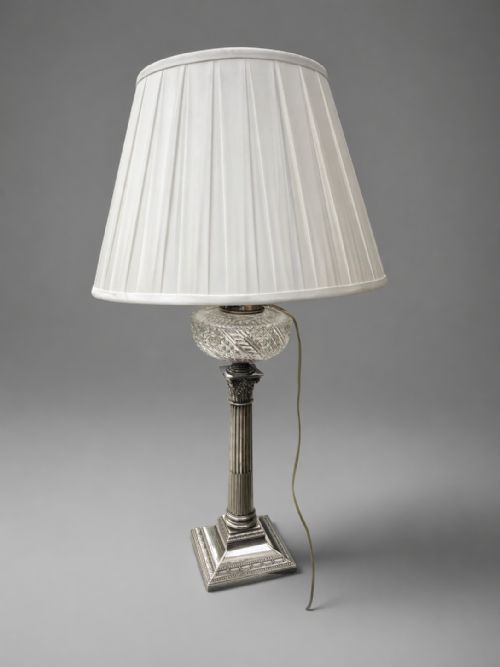
- A standalone oil or paraffin font designed to sit inside a separate candlestick or base. Many were later converted to electricity.
- Corinthian column
- A classical architectural column style featuring ornate acanthus leaves on the capital. Makers frequently utilised this motif for formal nineteenth-century table lamps.
Silvered Glass Lamp: Frequently Asked Questions
How do I clean a silvered glass lamp?
Maintenance requires gentle dusting with a soft, dry cloth to protect the reflective interior coating. Moisture should be kept away from any exposed areas where the silvering might be vulnerable to lifting.
Harsh chemical polishes must be avoided on the glass itself. Metal mounts can be cleaned with appropriate non-abrasive cleaners while taking care not to splash liquid onto the glass surfaces.
Were these lamps originally electric?
Many of the earlier nineteenth-century examples began life as oil or paraffin burners, utilising fonts designed to burn liquid fuel before later conversion to electricity. Edwardian and Art Deco pieces were more commonly manufactured during the transition to electric lighting.
Converted pieces retain their original fluid containers or burners whilst housing modern wiring routed safely through the centre. This blending of eras allows period lamps to function safely in contemporary settings.
How can I date my lamp?
Dating relies heavily on stylistic cues, manufacturing materials, and any maker marks present on the metal or glass. Victorian and Edwardian examples often feature heavy brass columns and cut crystal, while Art Deco pieces favour chrome, geometric shapes, and stylised figures.
Wiring types and switch mechanisms also offer clues, though most antique lighting has been rewired at least once for modern use. Comparing the construction methods against documented workshop styles helps narrow down the decade of production.
Can these pendant lights be adjusted?
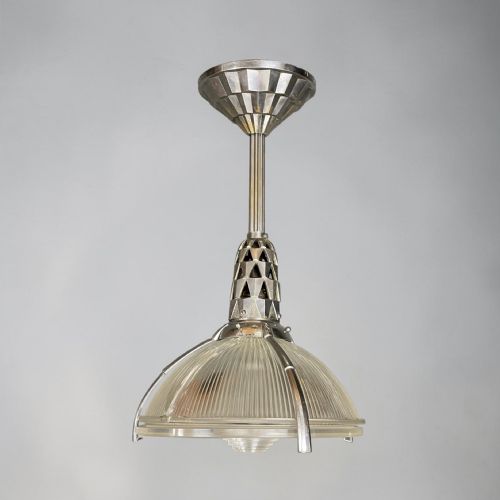
Adjustment depends entirely on the suspension system, which typically consists of a rigid metal rod or a flexible cord and chain. Ceiling heights and room proportions dictate the desired drop length during installation.
Qualified electricians should handle any alterations to the drop height to ensure the internal wiring remains secure and compliant with safety standards. Ceiling roses and hanging brackets must safely support the weight of heavier glass shades.