





Silver Hanging Shade
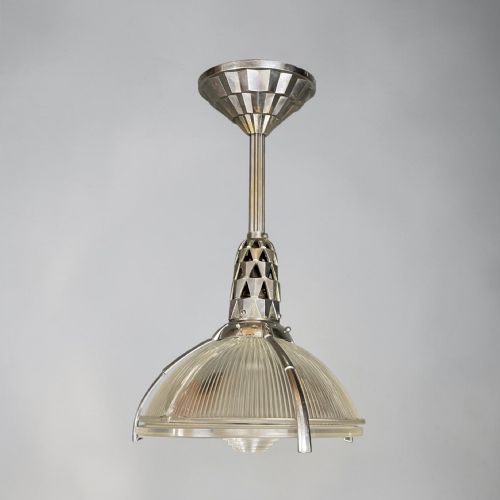
A silver hanging shade brings diffused overhead illumination to a room, combining polished metal work with reflective glass.
Silver Hanging Shade
A silver hanging shade provides practical ceiling illumination through suspended fixtures featuring metallic components and glass elements. When you search for a silver hanging shade, you encounter pendant lights and ceiling lights spanning several decades of design.
The selections on this page concentrate heavily on Edwardian, Victorian, and Art Deco periods, alongside Mid-Century Industrial examples. Forms range from single light hall lanterns to multi-branched billiard lights and mirrored glass pendants.
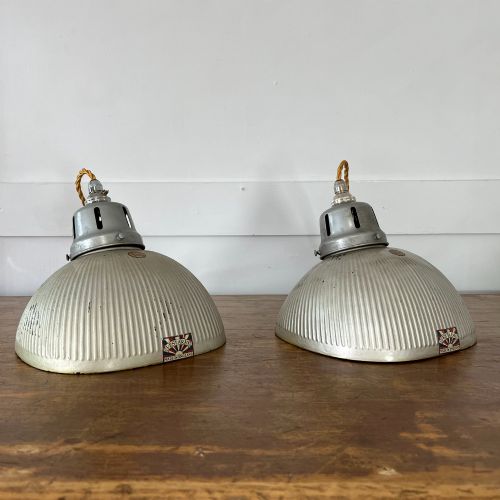
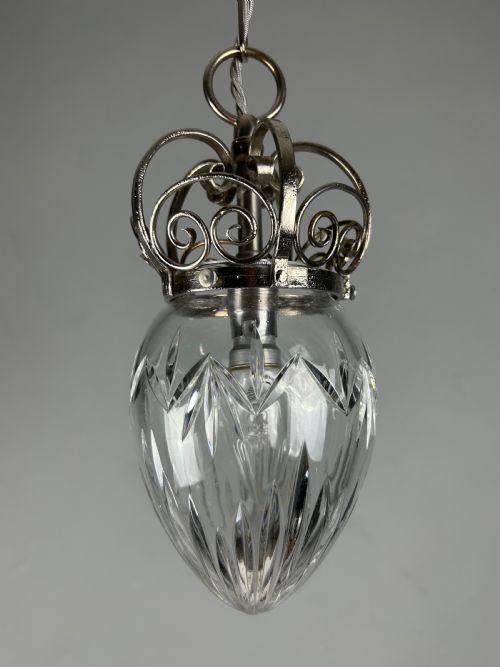
Origin details in the evidence point towards English manufacture alongside Italian pieces. Buyers most frequently meet pendant configurations utilising cut glass or mercury mirrored glass paired with plated metal or chrome.
Materials and construction methods
Construction relies on a combination of structural metal and light-diffusing glass. Frameworks utilise silver plate, nickel plated metal, chrome, brass, and standard metal to support the hanging weight.
Shades and bowls incorporate cut glass, moulded glass, and mercury mirrored glass. These glass components are shaped to catch and reflect light from internal bulbs, sometimes enhanced with silver gilding.
Silver Hanging Shade Retail Price Guide 2026
Typical asking prices for silver hanging shade among the pieces listed under this phrase on Sellingantiques today, from the lower quarter to the upper quarter. They describe what is for sale here now, not the wider market.
The selections span from the 1900s through the Edwardian, Victorian, and Art Deco eras up to 1930.
Factors influencing quality
Quality differences stem from the fineness of the metal plating and the depth of the glass cutting. Heavier silver plating and substantial cut glass bowls distinguish superior examples from simpler utilitarian alternatives.
The integrity of the glass, whether mercury mirrored or heavy moulded crystal, dictates the visual impact of the piece when illuminated. Craftsmanship in the mounting hardware and structural joins also separates standard production from finer decorative items.
Émile-Jacques Ruhlmann·VESTARAY
The Silver Hanging Shade Glossary
- Pendant light
- A light fixture suspended from the ceiling by a cord, chain, or metal rod. These units hang centrally to illuminate specific zones within a room.
- Mercury glass
- Double-walled glass blown with a silvering solution inserted between the layers to create a reflective mirror effect. It gained popularity during the nineteenth and early twentieth centuries for domestic lighting.
- Silver plate
- A thin layer of silver applied over a base metal such as brass or copper. This technique offered the appearance of solid silver at a lower production cost.
- Hall lantern
- An enclosed ceiling light designed specifically for entrance hallways and corridors. They often feature protective glass panels held within a decorative metallic frame.
- Art Deco
- A design style spanning the 1920s and 1930s characterised by geometric shapes, streamlined forms, and industrial materials like chrome. It replaced the more organic curves of earlier periods.
Silver Hanging Shade: Frequently Asked Questions
What rooms suit a silver hanging shade?
These lights suit entrance halls, dining spaces, and high-ceilinged rooms where suspended fixtures provide both focal points and task illumination.
Smaller single lights work well in compact corridors, while larger multi-branch or mirrored pendants distribute light across broader spaces.
How do I identify an Edwardian silver hanging shade?
Edwardian pieces often feature cut glass bowls paired with silver plated mounts, reflecting the decorative tastes of the early twentieth century.
They frequently display refined craftsmanship and traditional ornamentation distinct from later geometric Art Deco designs.
What is mercury mirrored glass?
Mercury mirrored glass uses a silvering technique enclosed between double glass walls to create a shiny, reflective surface.
This material diffuses light softly while adding a distinctive metallic sheen to pendant lighting.
Are these lights rewired for modern use?
Many vintage fixtures receive updated wiring to meet current electrical standards while retaining their original exterior components.
Checking individual listings confirms whether rewiring has taken place.