





Silvered Glass Shade
A silvered glass shade brings a reflective, metallic glow to a room, catching the light through mercury mirrored glass.
Silvered Glass Shade
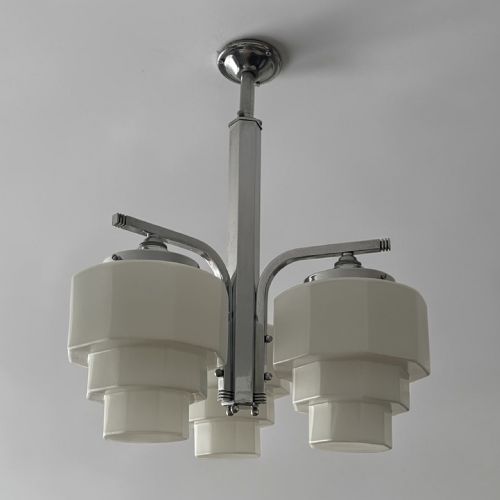
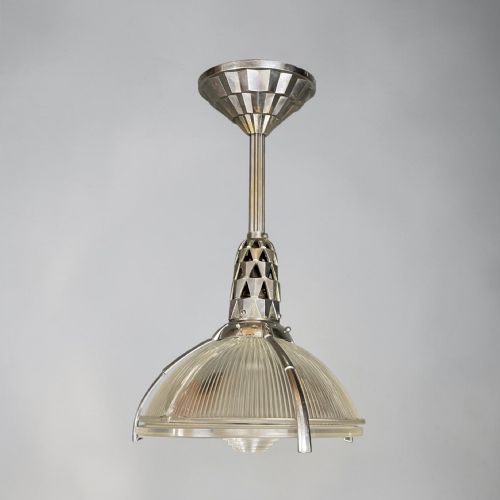
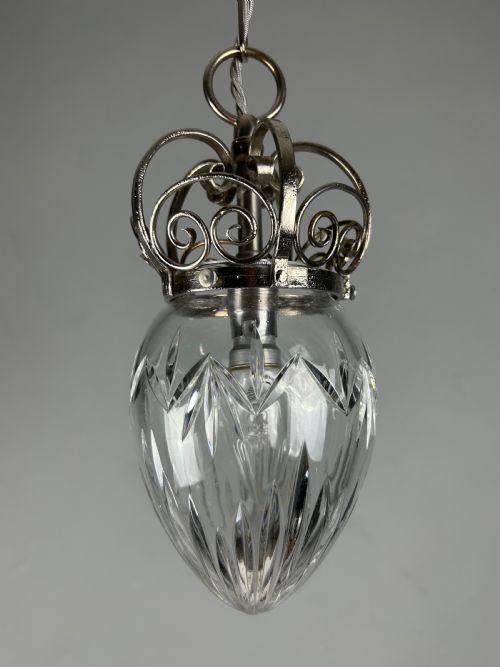
A silvered glass shade is typically encountered in pendant lights and ceiling lighting originating from the early twentieth century, particularly the 1920s and 1930s. These pieces reflect ambient light through a mirrored internal coating that creates a distinct metallic sheen while softening the bulb's glare.
The selection ranges from single mercury mirrored glass pendant lights to larger decorative fixtures shaped during the Art Deco period. Buyers seeking this aesthetic will find that matching pairs and individual globes dominate the current offerings.
Materials and construction
Makers formed these shades using blown or moulded glass, applying a silvering solution - often mercury or a silver nitrate compound - into the interior cavity to create the mirrored appearance before sealing the opening.
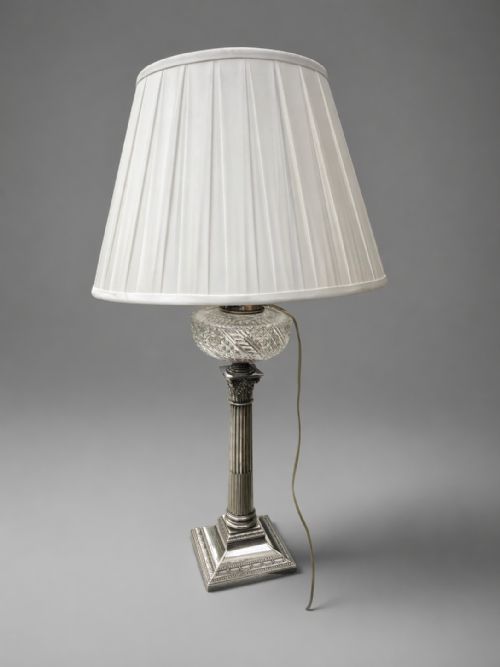
Support elements paired with the glass commonly include chrome, brass, and silver plate, aligning with the industrial and decorative standards of Victorian and Art Deco manufacturing.
Silvered Glass Shade Retail Price Guide 2026
Typical asking prices for silvered glass shade among the pieces listed under this phrase on Sellingantiques today, from the lower quarter to the upper quarter. They describe what is for sale here now, not the wider market.
Some nineteenth-century makers sealed the silvering mixture inside the double walls using an ordinary cork and wax.
Assessing quality and craftsmanship
Quality rests in the preservation of the internal silvered coating, where even distribution of the reflective layer without heavy tarnishing or flaking distinguishes superior examples from degraded ones.
The weight and clarity of the glass itself, coupled with the craftsmanship of any accompanying metal mounts in chrome or brass, mark the distinction between standard production pieces and finer decorative works.
Émile-Jacques Ruhlmann·Muller Bros·F&C Osler·Farraday & Son·Auguste Moreau·Thwaites of London·Clarke
The Silvered Glass Shade Glossary
- Mercury glass
- A blown double-walled glass filled with a liquid silvering mixture and sealed, creating a mirrored finish without using actual mercury. It was widely used for Victorian and early twentieth-century decorative vessels and lighting.
- Art Deco
- A design style spanning the 1920s and 1930s characterised by sleek geometric shapes, streamlined forms, and modern industrial materials like chrome.
- Pendant light
- A hanging light fixture suspended from the ceiling by a cord, chain, or metal rod, holding a single bulb and shade.
- Silver plate
- A base metal, such as brass or copper, coated with a thin layer of silver to provide the appearance of solid silver.
Silvered Glass Shade: Frequently Asked Questions
How do I clean a silvered glass shade?
Wipe the exterior gently with a soft, dry cloth to remove dust without disturbing the surface. Avoid using liquid cleaners or abrasives on the interior, as the silvered coating is delicate.
Keep moisture away from the sealed cavity to preserve the original mirrored finish over time.
Are these shades compatible with modern wiring?
Many vintage fixtures have been rewired to meet contemporary electrical standards for safe domestic installation. It remains sensible to have a qualified electrician check any antique lighting before use.
Matching the appropriate bulb wattage ensures the glass does not overheat during prolonged operation.
What rooms suit a mercury glass pendant?
These fixtures work well in hallways, dining spaces, or compact rooms where the reflective surface enhances available light. Their metallic sheen complements both period interiors and streamlined modern settings.
Suspending the light at an appropriate height allows the shade to act as a direct focal point.
How do I date a silvered glass shade?
Dating relies on the manufacturing traits of the glass, the construction of the collar, and associated metal components like chrome or brass. Pieces from the 1920s and 1930s typically exhibit geometric Art Deco styling.
Victorian examples often feature heavier brass mounts and distinct glass-blowing pontil marks on the rims.