
Silver Wrist Watch
When choosing a silver wrist watch, you encounter decades of horological history spanning sturdy military pieces to sleek dress designs.
Silver Wrist Watch
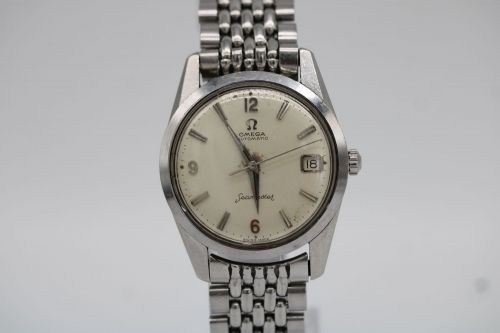
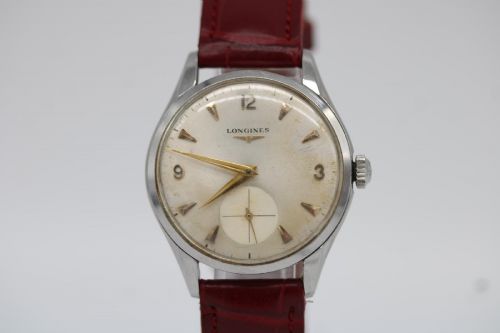
A silver wrist watch encompasses portable timepieces housed in precious metal or steel cases, originating primarily from the twentieth century.
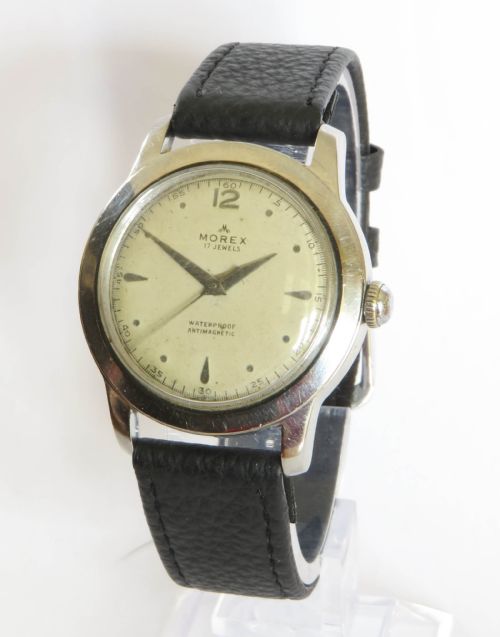
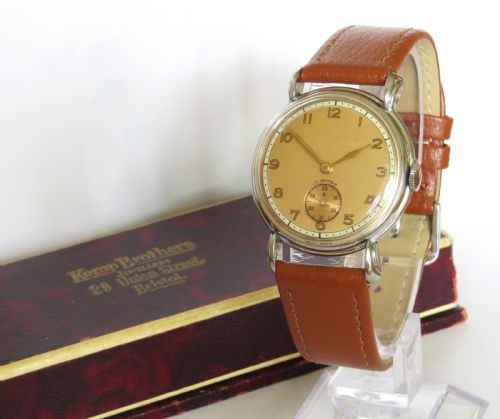
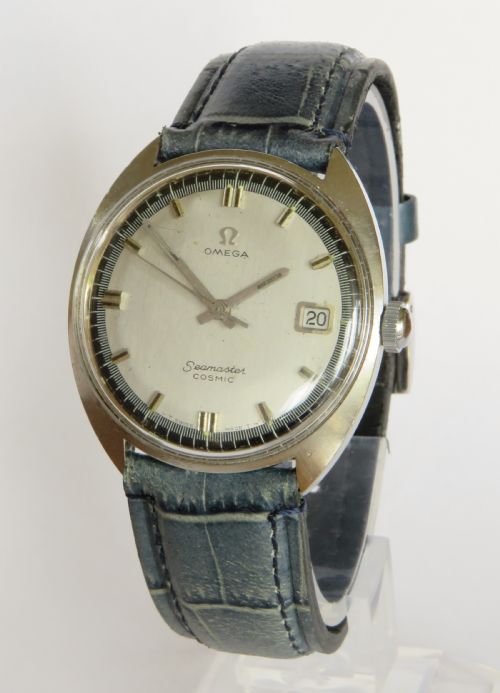
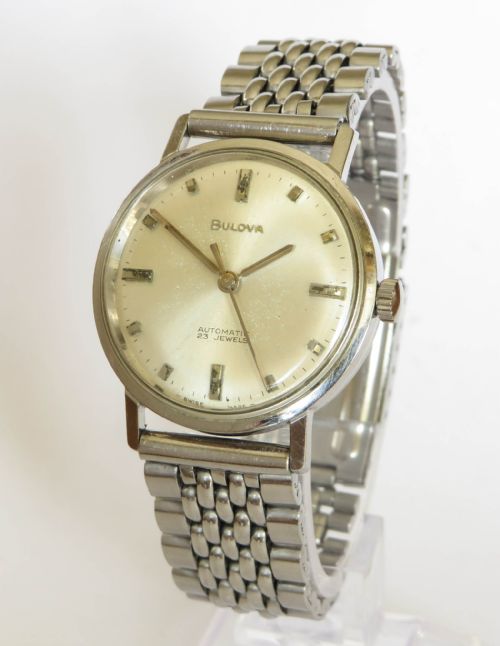
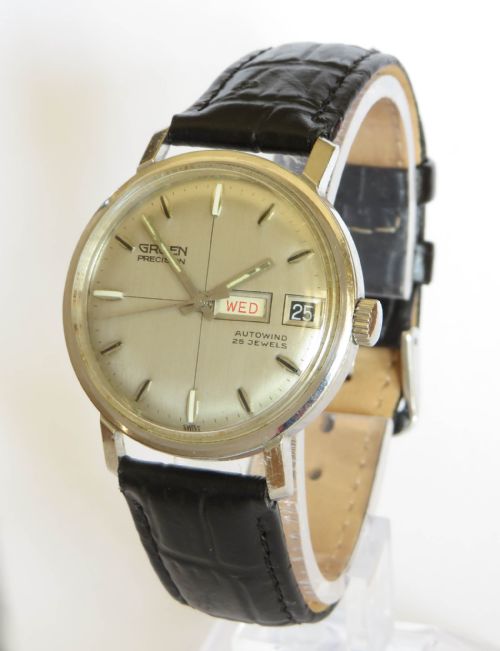
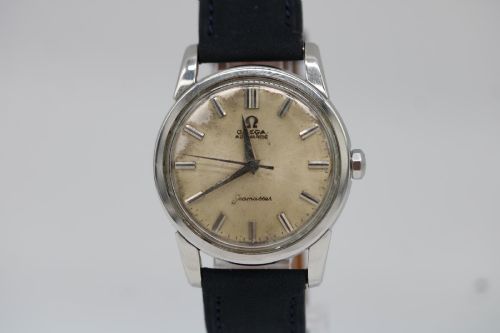
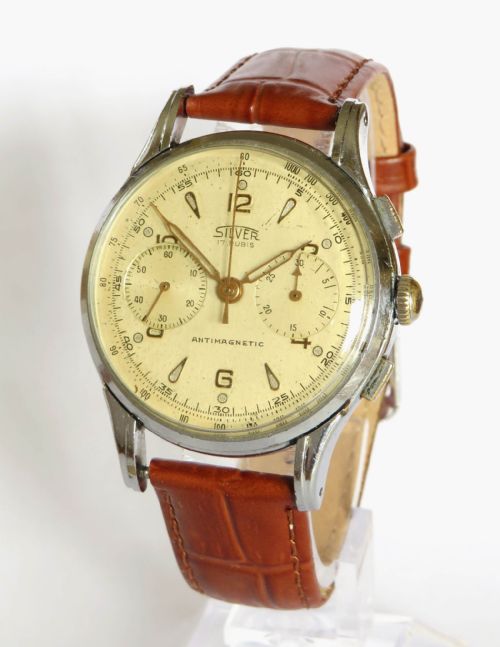
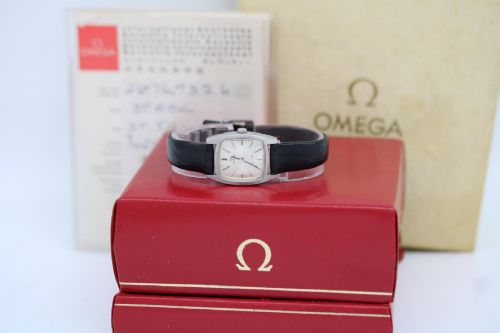
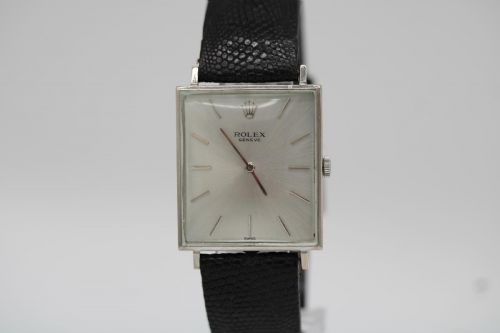
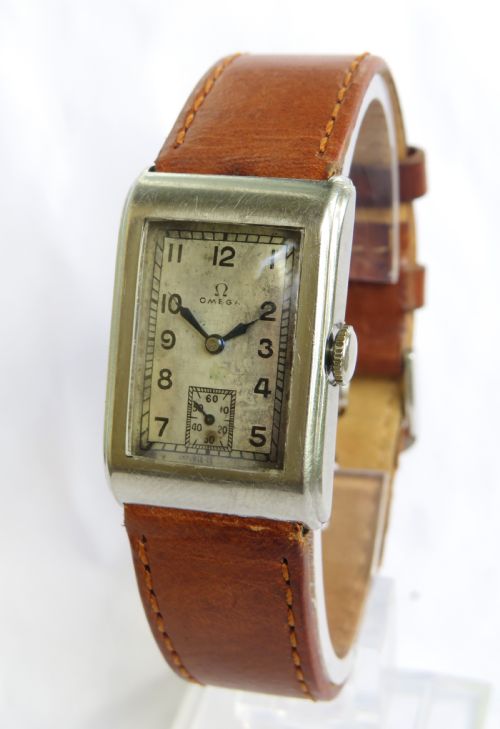
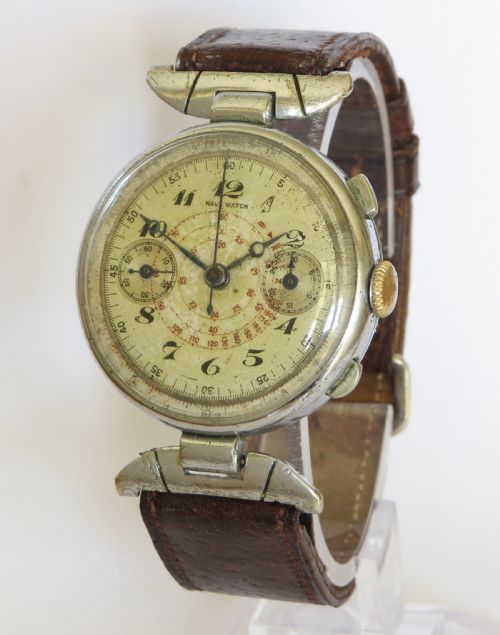
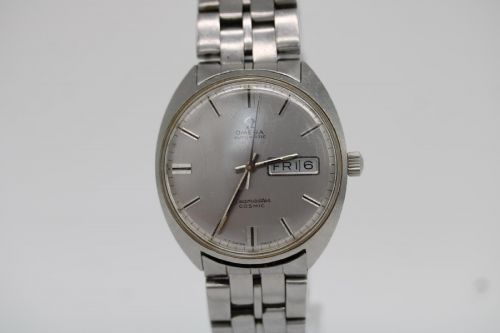
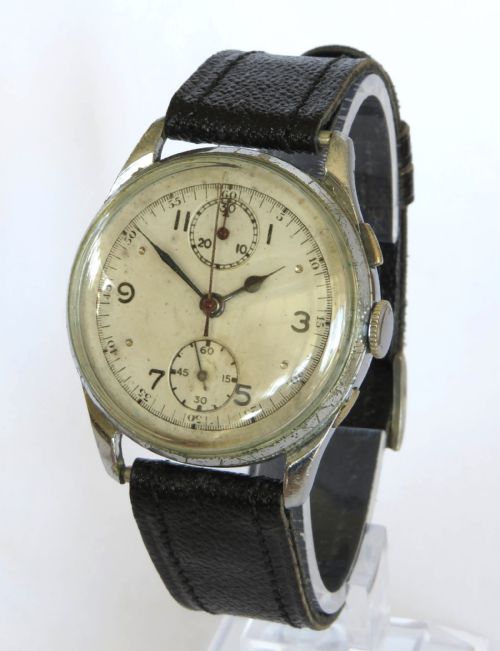
The selection ranges from early trench designs and Art Deco cushion cases to robust mid-century chronographs and automatic calendar models.
Most examples found here date from the 1920s through the 1960s, reflecting shifts in mechanical innovation and everyday style.
How they were made
Watchmakers encased delicate mechanical movements within housings of sterling silver, stainless steel, chrome, or precious metals such as white gold.
Dials frequently incorporate glass or acrylic crystals protecting printed numerals, subsidiary seconds, and patinated finishes.
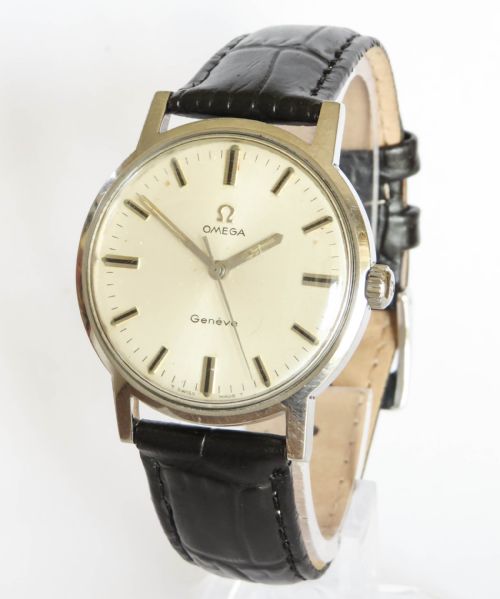
Straps constructed from leather secure these horological instruments to the wrist, often complemented by original buckles.
The inventory spans decades of horological production, encompassing materials like stainless steel, chrome, glass, acrylic, diamond, platinum, and 18ct white gold.
What varies in quality
Horological merit depends on the sophistication of the internal movement, from simple manual-wind calibres to complex automatic and chronograph mechanisms.
Case integrity, dial preservation, and the presence of original components distinguish standard daily wearers from highly sought-after collector variants.
Omega·Longines·Bulova·Cyma·J W Benson·Smiths·Vertex·Gruen
The Silver Wrist Watch Glossary
- Chronograph
- A watch equipped with a stopwatch function alongside standard timekeeping. Independent hands measure elapsed intervals.
- Calibre
- The specific internal movement manufactured for a timepiece. Each mechanical design carries distinct functional traits.
- Automatic
- A self-winding movement powered by the natural motion of the wearer's wrist. An internal weighted rotor tensions the mainspring continuously.
- Trench watch
- An early wrist-worn timepiece adapted from pocket watch conversions for military use during the early twentieth century. Wire lugs and luminous dials define the style.
- Patina
- The natural ageing and discoloration acquired on a dial or case over decades. Collectors value this surface evolution for its authenticity.
Silver Wrist Watch: Frequently Asked Questions
How do I wind a vintage watch?
Turn the crown gently clockwise between your thumb and forefinger until you feel resistance. Stop immediately to avoid over-tensioning the internal mainspring.
Automatic models require gentle wrist movement rather than manual winding if they have been resting for a period.
Are these watches waterproof?
Vintage timepieces lack modern rubber seals and screw-down components designed for deep submersion. Even models marked as water-resistant should stay entirely dry.
Accidental splashes require immediate attention from a watchmaker to prevent internal moisture accumulation.
How often should a movement be serviced?
Mechanical calibres require professional cleaning and lubrication every few years to maintain accurate timekeeping. Oils dry out and solidify over long stretches of inactivity.
Regular maintenance prevents premature wear on delicate metal gears and pivoting jewels.
Can I replace the strap?
Strap replacement is standard practice for historical watches, using leather or metal bands that match the lug width. Original buckles add collector value when preserved.
Spring bars secure the strap to the case and may need occasional replacement during a swap.