



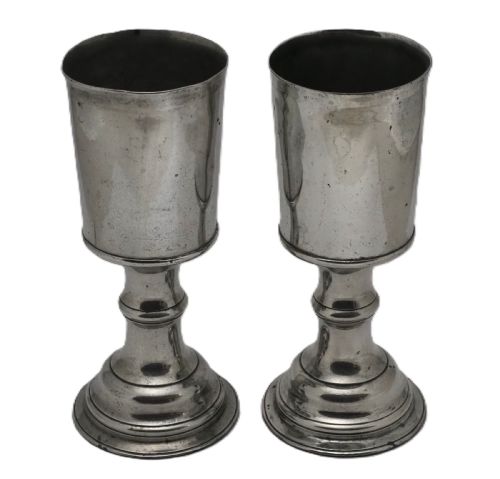

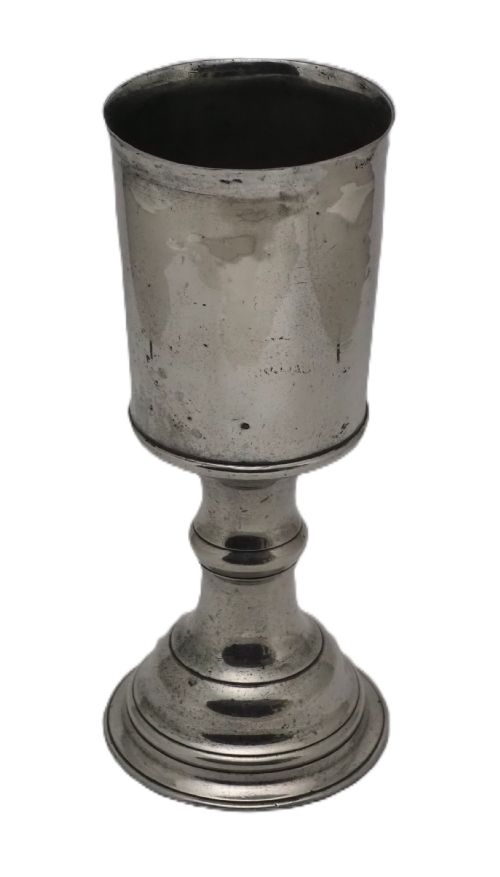


Silver Wine Goblet
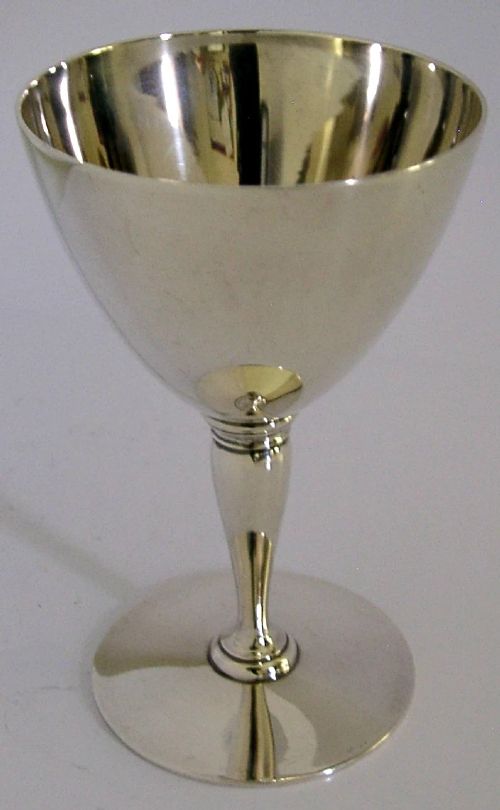
A silver wine goblet brings tactile weight and historic domestic ritual to the table, spanning Georgian elegance to Art Deco design.
Silver Wine Goblet
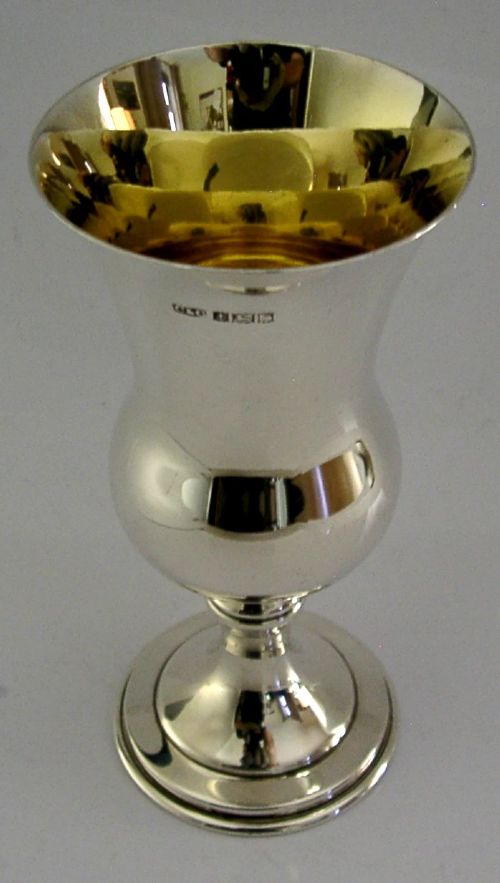
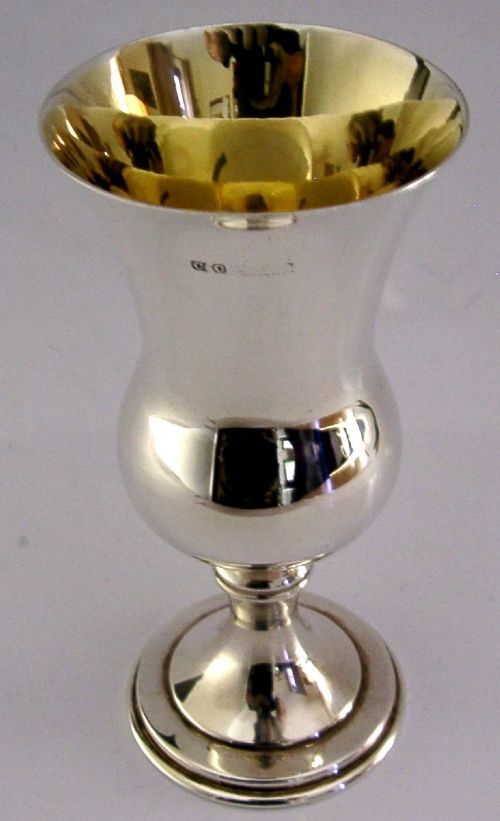
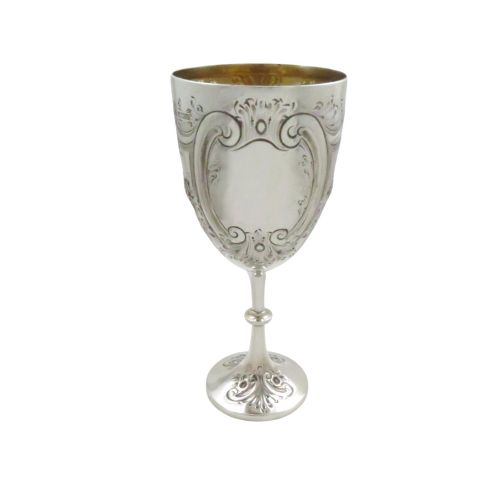
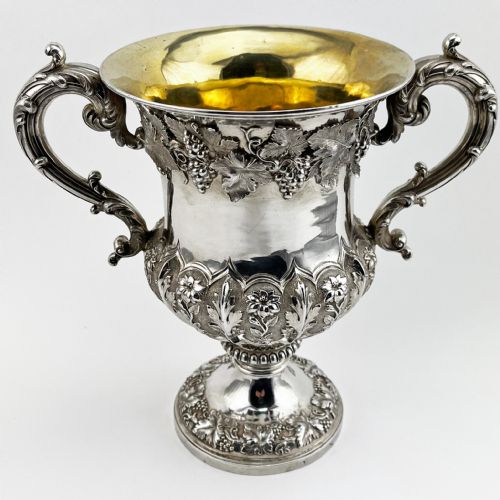
When browsing a silver wine goblet selection, expect to encounter forms ranging from Georgian vase-shaped vessels to Victorian chalices and mid-century barware. These drinking vessels bridge domestic dining, ecclesiastical communion uses, and presentation trophies across several centuries.
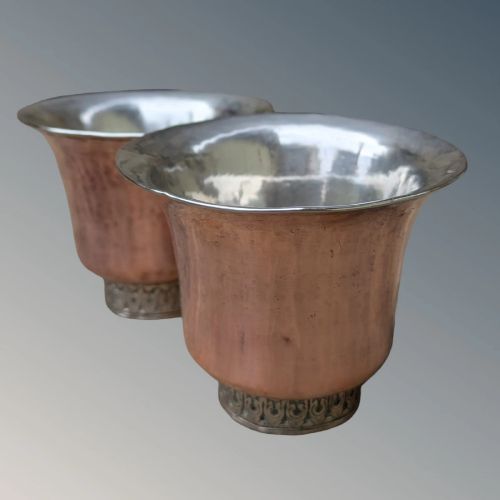
The material spectrum on this page covers solid sterling silver alongside silver plate, pewter, copper, vermeil, and electrotype metal. Many pieces arrive accompanied by historical engraving or presentation inscriptions from their original Victorian and Edwardian contexts.
Materials and Techniques
Smiths formed sterling silver and silver-plated copper through hammering, spinning, and casting, frequently incorporating parcel gilt or gold-gilt interiors. Pewter examples utilised traditional casting methods into moulds, producing substantial domestic drinking vessels with characteristic domed feet.
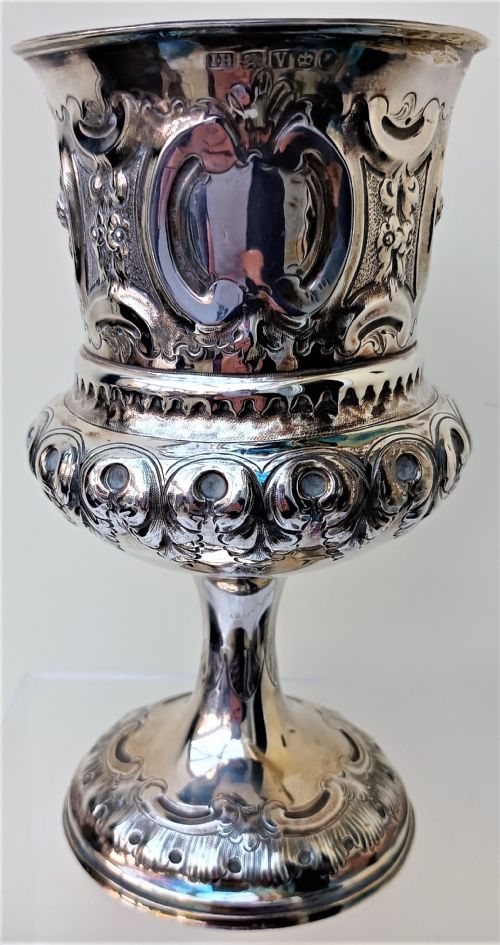
Makers applied decorative techniques including bright-cut engraving, half-fluting, and planishing across various periods. Specialised workshops also mounted organic materials such as coconut shells in silver frames.
Silver Wine Goblet Retail Price Guide 2026
Typical asking prices for silver wine goblet among the pieces listed under this phrase on Sellingantiques today, from the lower quarter to the upper quarter. They describe what is for sale here now, not the wider market.
Listings feature pieces spanning the 18th century through the mid-20th century, encompassing Georgian, Victorian, Art Deco, and Arts and Crafts aesthetics.
Distinctions in Quality
The calibre of a silver wine goblet rests upon the thickness of the metal gauge and the balance of its proportions. Heavier gauge sterling silver provides structural rigidity and substantial hand-feel compared to lighter plated alternatives.
Execution of decorative elements, such as crisp hand-engraving versus shallow machine stamping, separates standard production items from master silversmith output. The integrity of maker marks and clear assay office hallmarks further anchor the provenance of superior pieces.
TIFFANY & Co·HENRY BOURNE·George Unite·Wang Hing & Co·John hunt and Robert Roskell·William Eaton·James Deakin & Sons·Fordham & Faulkner·William Hutton·Elkington & Co
The Silver Wine Goblet Glossary
- Sterling silver
- An alloy consisting of 925 parts silver per thousand by weight. This standard metal forms the foundation of the majority of antique drinking vessels on this page.
- Parcel gilt
- A surface treatment where selected areas, typically the interior bowl of a goblet, receive a thin coating of gold. This technique protects the silver from acidic wine corrosion.
- Bright-cut engraving
- A faceted surface carving technique utilising a V-shaped graiser to cut angular grooves that reflect light from multiple directions. It defines much of the ornamentation on Georgian pieces.
- Electrotype
- A method of depositing metal via electrolysis into a mould to create exact metallic replicas or vessels. This nineteenth-century process produced detailed decorative jugs and beakers.
- Chalice
- A large ceremonial drinking cup, often associated with religious communion but historically shared in secular feasts. Many early pewter and plated examples fall into this heavier architectural category.
Silver Wine Goblet: Frequently Asked Questions
Were these goblets used for drinking?
Historical silver wine goblet examples served both functional dining roles and formal ceremonial duties. Many were designed specifically for wine consumption at aristocratic tables.
Other variants functioned as presentation trophies, communion chalices, or Kiddush cups for religious observances, altering their daily utility.
How do I date a silver wine goblet?
Dating relies heavily on stamped assay office hallmarks, maker marks, and stylistic shifts spanning the Georgian, Victorian, and Art Deco eras. Examining the depth of foot rims and engraving styles clarifies the manufacturing period.
Documentation or presentation inscriptions engraved directly onto the body often provide an exact year of manufacture or gifting.
Can I use antique silver goblets today?
Solid sterling silver and silver-plated vessels remain entirely usable for contemporary dining and toasts. Modern users frequently employ them for special occasions or display.
Careful hand washing with non-abrasive cleaners preserves the historic metal surface and any delicate parcel gilt interiors.