
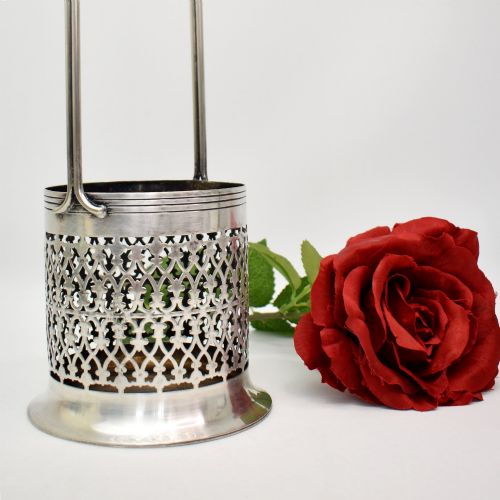


Silver Wine Decanter Stands
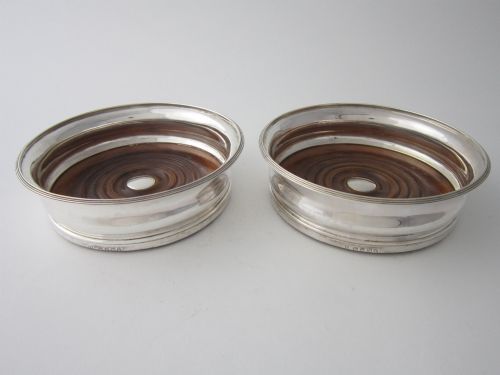
These silver wine decanter stands sit upon the dining table to protect polished wood surfaces and carry bottles smoothly between guests.
Silver Wine Decanter Stands
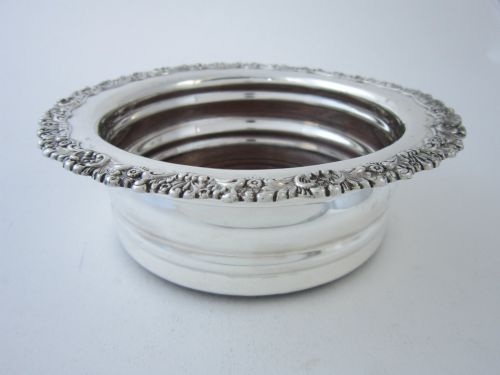
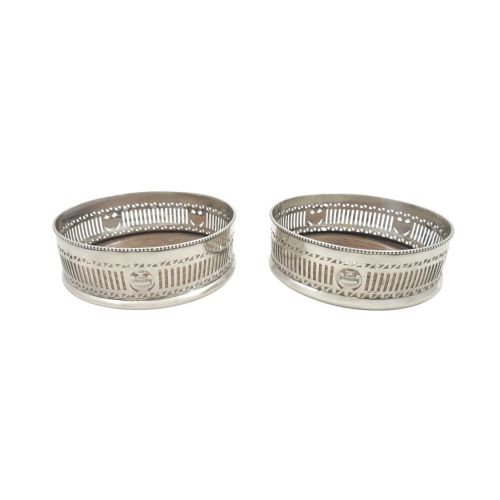
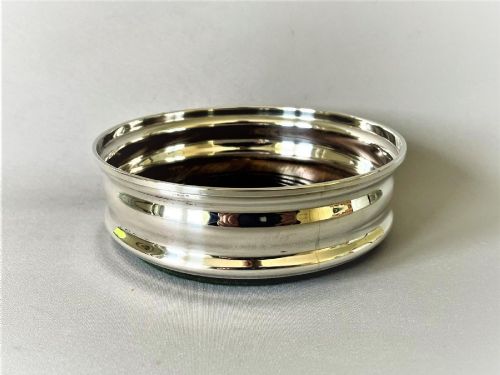
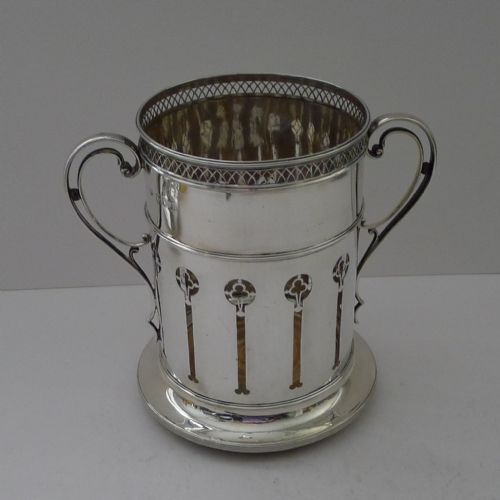
Silver wine decanter stands, also known as wine coasters or bottle holders, are round table accessories designed to hold individual decanters or wine bottles. When you search for silver wine decanter stands, you encounter examples spanning from the Georgian period through the Victorian and Edwardian eras into the twentieth century. These pieces serve the practical purpose of catching drips while adding polish to a traditional table setting.
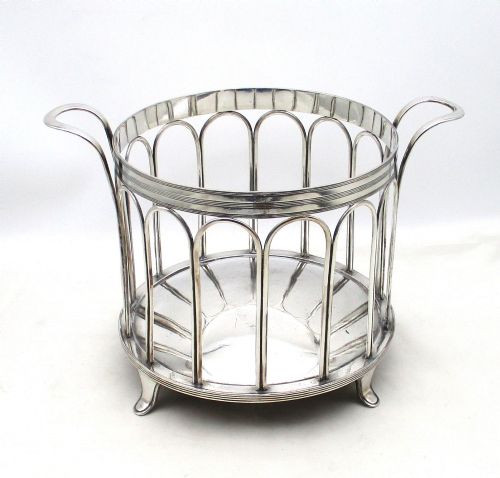
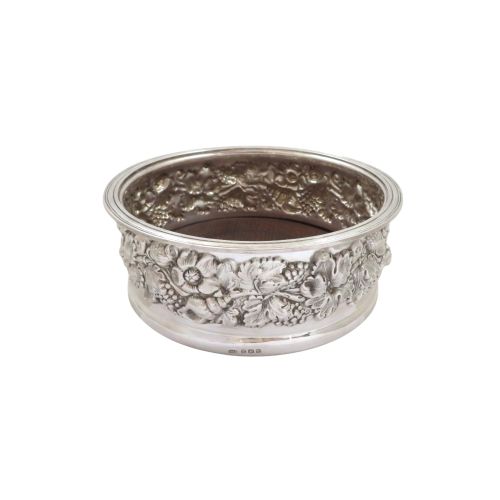
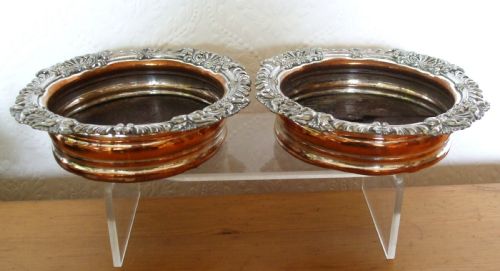
The versions most commonly met on this page are circular frames made from sterling silver, silver plate, or Old Sheffield plate, frequently featuring wooden bases made from turned mahogany. Many are found as pairs or larger sets, though single coasters also appear alongside triple drinks carts. They take the form of low galleries designed to keep heavy glass decanters secure during dinner service.
What varies in quality
The standard of craftsmanship is evident in the crispness of the pierced or embossed metalwork and the weight of the silver or plating. Pieces showing high quality maintain clean joins where the gallery meets the wooden base, whereas lesser examples display heavy wear to the silver plating that reveals the base copper beneath.
The integrity of the turned wood base and the presence of clear hallmarks or maker marks distinguish superior items. Well-preserved examples retain their original wooden inserts and structural rigidity without looseness in the metal gallery walls.
Listings for silver wine decanter stands feature periods ranging from the Georgian era through Victorian times to the mid-twentieth century.
Brook and Son·Matthew Boulton·Asprey
The Silver Wine Decanter Stands Glossary
- Old Sheffield Plate
- A composite material formed by fusing a sheet of sterling silver to a copper base before rolling them together into sheets for manufacturing. This technique precedes modern electroplating and produces a warm tone where the copper edge may occasionally show.
- Sterling Silver
- An alloy consisting of ninety-two point five percent silver and seven point five percent other metals, chosen for durability. Items made from this metal carry official assay office hallmarks.
- Silver Plate
- A base metal substrate coated with a thin layer of silver through electroplating or older mechanical methods. This method offered a bright finish at a lower cost than solid sterling.
- Coaster
- A small portable tray or stand designed to hold a bottle or decanter on the dining table. They often incorporate wheels or felt pads for easy transit across the surface.
- Hallmark
- A stamped official mark indicating the metal purity, the assay office, and the year of manufacture on precious metal items. These stamps provide the primary method for dating pieces accurately.
Silver Wine Decanter Stands: Frequently Asked Questions
What is the difference between a coaster and a decanter stand?
A coaster and a decanter stand generally refer to the same object when used for holding wine bottles or carafes on the dining table. Both terms describe low-walled holders designed to protect furniture from condensation and spills.
Historically, the terms were used interchangeably by makers and buyers alike. Their shared purpose is keeping the base of the bottle elevated and secure during circulation.
How do I care for antique silver coasters?
Antique silver and silver-plated coasters require gentle cleaning with a soft cloth and proprietary silver polish designed for antique items. Avoid harsh abrasive cleaners that can wear away thin silver plate or Old Sheffield plating.
Keep wooden bases dry and away from excessive moisture when cleaning the metal gallery. Regular, light dusting helps preserve the finish without stripping the historical patina.
Were these stands always made in pairs?
Silver wine coasters were produced as single pieces, pairs, or larger sets depending on the requirements of the dining table. Sets of four or more allowed multiple vintages to circulate among guests simultaneously.
Individual pieces often survived separately over the centuries, which explains why single examples and pairs appear with equal frequency today.
How do I identify Old Sheffield plate?
Old Sheffield plate can often be identified by a faint line of copper visible along cut edges or where the silver has worn thin over time. The manufacturing technique involves fusing silver to copper rather than electroplating.
These pieces typically date from the Georgian era and possess a softer lustre than nineteenth-century electroplated items.