



Silver Wall Plaque
These silver wall plaque examples offer striking relief work and historic imagery for hanging, drawing the eye instantly to any room.
Silver Wall Plaque
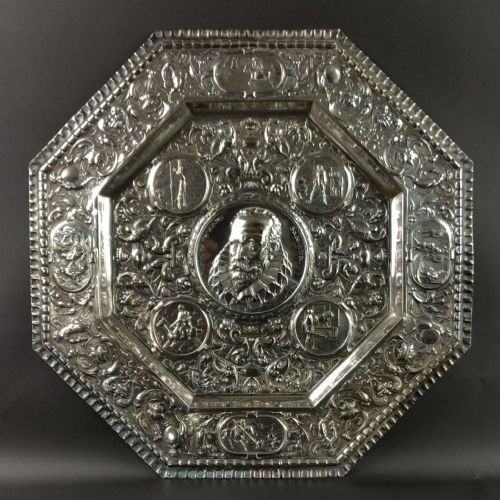
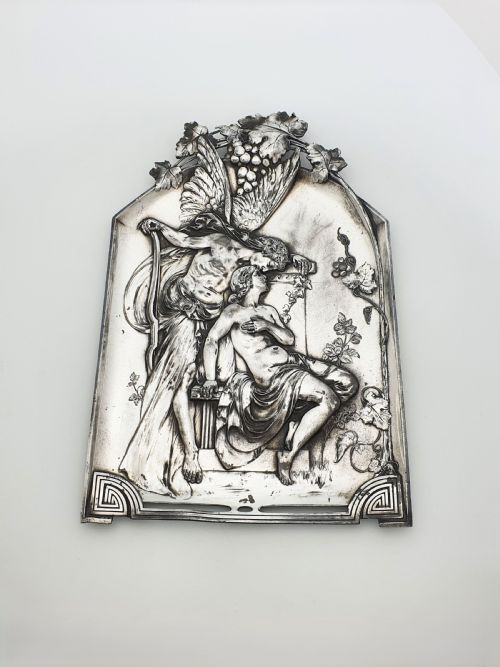
A silver wall plaque is a decorative piece designed for display, spanning periods from the 18th century through to the 1920s. When you search this phrase, you encounter diverse forms such as repoussé chargers, devotional art, and commemorative plates.
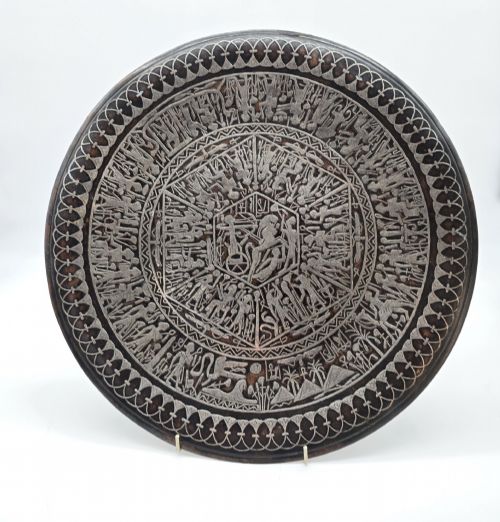
The pieces on this page draw on styles ranging from Victorian and Art Nouveau to Egyptian Revival, Arts and Crafts, and Renaissance Revival. You are most likely to meet silver-plated metal, copper, and wood variations produced across Europe, Japan, and the Middle East.
Materials and construction methods
Many items utilise silver plating, copper, or brass as a base, shaped through repoussé work, beating, and piercing to create raised relief details. Electrotype metal also appears, allowing makers to replicate complex historical forms with precision.
Other examples incorporate wood, iron, and gold inlay, alongside tempera paint on timber as seen in early Russian icons. Original fittings and bevelled glass frequently accompany these pieces, showing the complete construction required for wall display.
Listings feature items from the 18th century, 19th century, Victorian era, and 1920, utilising silver, copper, brass, and wood.
Judging the quality
The integrity of the original surface finish, whether patinated iron, silver plate, or inlaid metal, dictates the visual strength of the piece. Superior examples retain their intended contrast and structural fittings securely mounted to the reverse.
Elkington & Co·WMF·Volga Masters
The Silver Wall Plaque Glossary
- Repoussé
- A metalworking technique where the artisan hammers a design from the reverse side to form a raised relief on the front. This method defines the surface texture of many chargers and plaques.
- Electrotype
- A replica metal object produced through an electrolytic deposition process onto a mould. This technique captured intricate historical details accurately during the 19th century.
- Ex Voto
- A votive offering placed in a sacred setting for fulfilment of a vow or in gratitude. These devotional objects often take metal or painted forms related to specific saints or miracles.
- Cairo Ware
- Metalwork produced in Egypt featuring inlaid silver and copper designs on a brass or copper ground. These pieces were popular during the Grand Tour period around 1900.
Silver Wall Plaque: Frequently Asked Questions
How do I hang a heavy silver wall plaque safely?
Most substantial chargers and plaques require sturdy picture wire attached to original fittings or secure wall brackets anchored directly into masonry or studs. Ensure the weight is distributed evenly across the primary hanging loops.
Avoid relying on lightweight picture hooks for larger pieces, especially those cast in heavy metals or mounted on wood. Check the security of any vintage fixings before mounting.
What is the difference between a charger and a plaque?
Chargers are large decorative plates historically intended for display on sideboard tables or walls, featuring wide rims and central pictorial scenes. Plaques are flat or relief-moulded panels specifically created for hanging.
Both categories overlap significantly in materials and methods on this page, often serving the same decorative purpose in historic interiors.
How do I date a silver wall plaque?
Examine the style of the relief work, makers' marks, and associated motifs such as Art Nouveau tendrils or Egyptian revival symbols. Materials like electrotype metal point strongly towards the 19th century.
Accompanying elements like original bevelled glass mirrors, framing, or backing boards provide additional clues to the manufacturing decade.