
Silver Vanity Scent Bottle
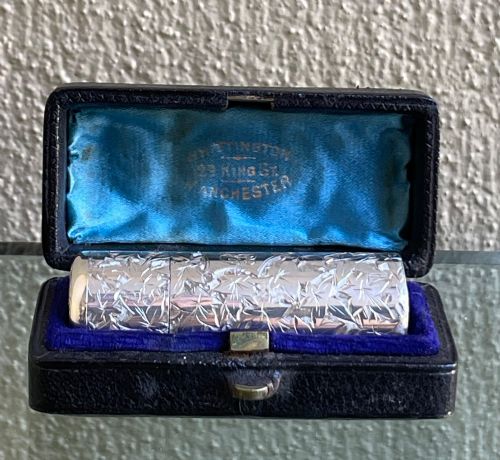
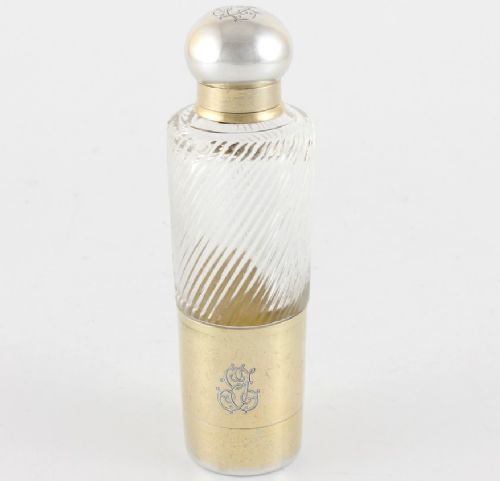
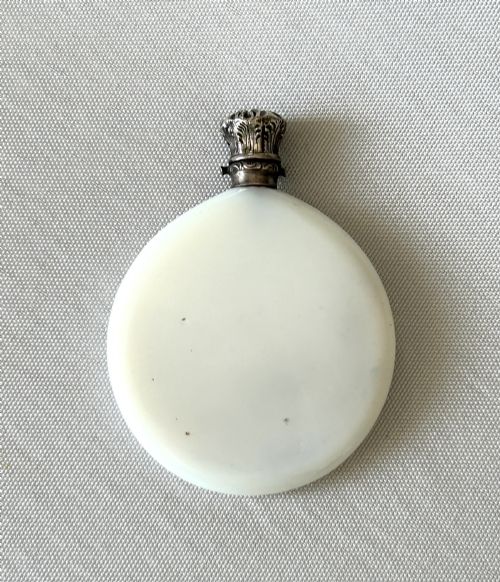
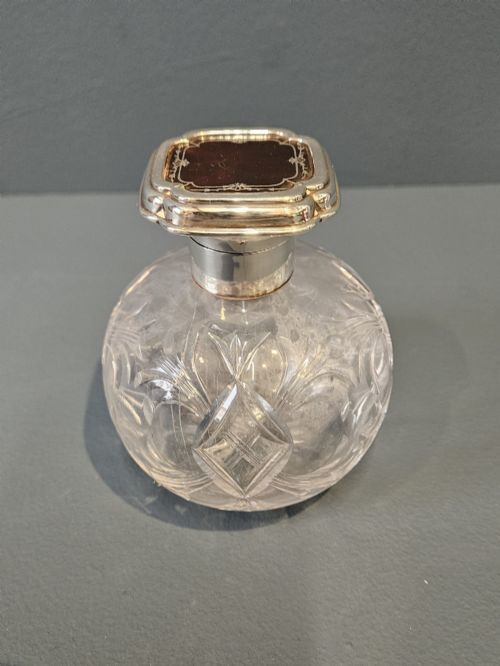
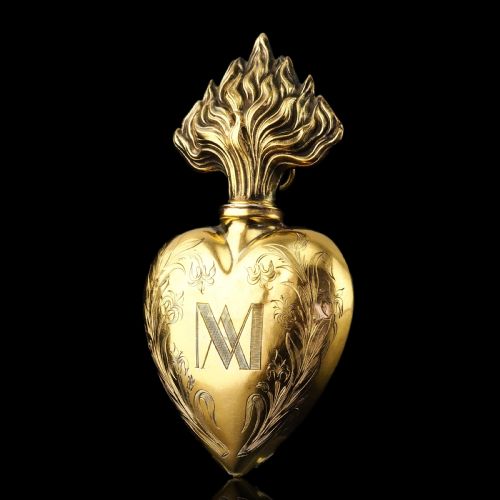
A silver vanity scent bottle brings the tactile luxury of the dressing table, combining precious metal mounts with colourful or cut glass.
Silver Vanity Scent Bottle
When you search for a silver vanity scent bottle, you encounter small personal containers designed to hold perfumes, colognes, and volatile salts for daily toilet use. These pieces span periods from the seventeenth century through the Art Deco era, encompassing British and continental European workshops.
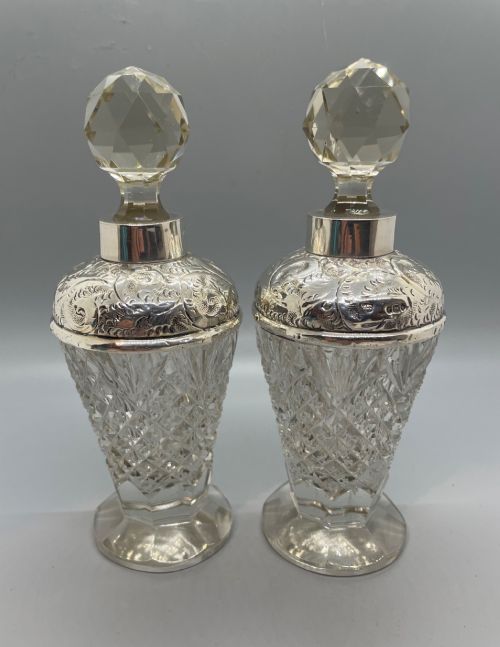
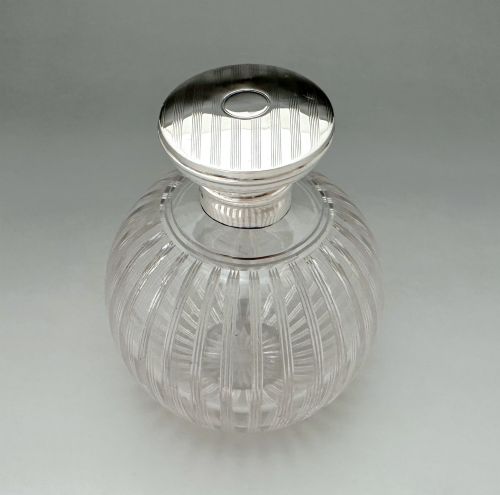
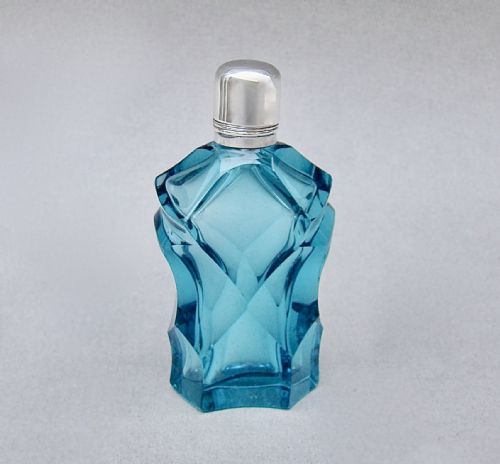
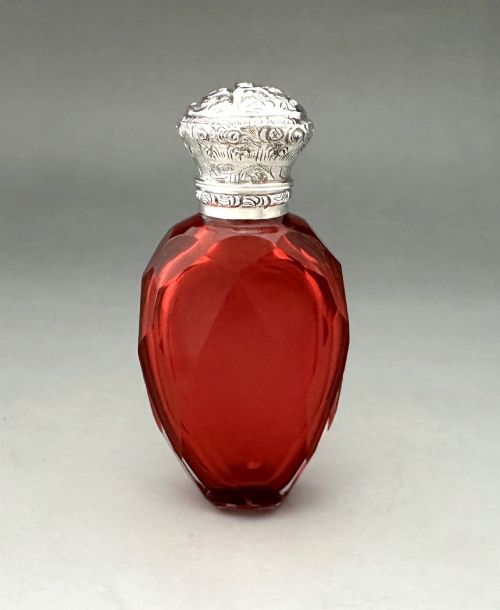
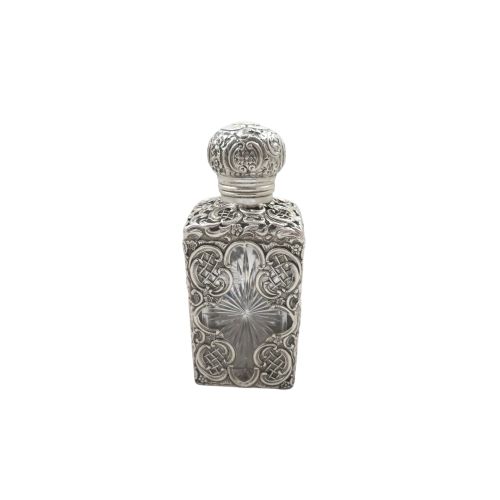
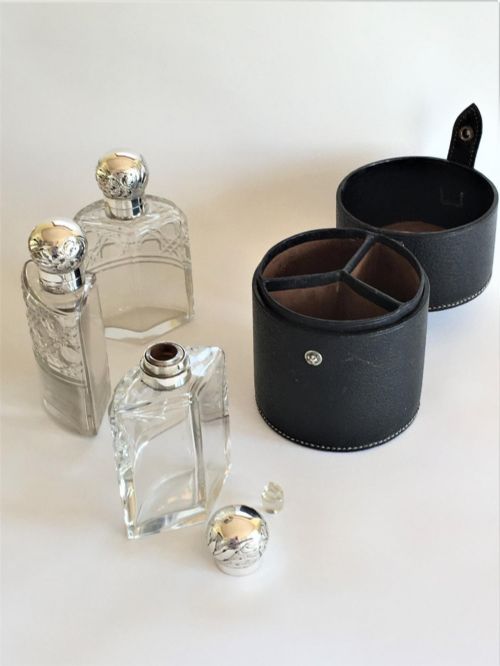
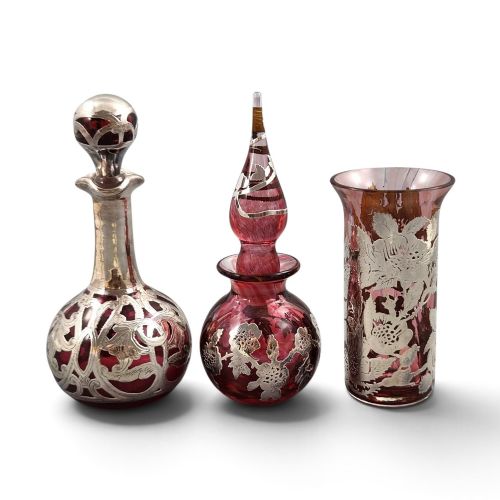
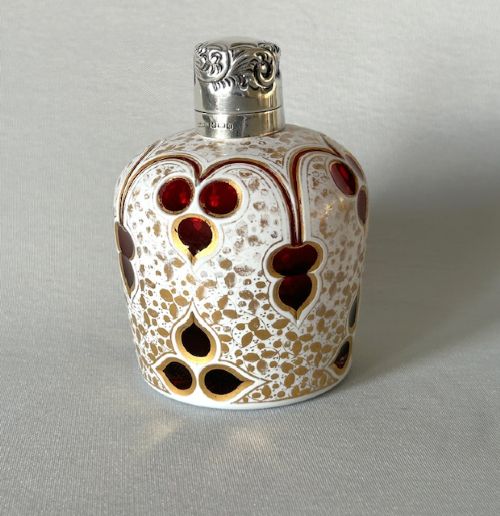
The most common examples on this page date from the Victorian and Edwardian periods, where sterling silver collars and hinged lids cap vessels of cut glass, ruby glass, or cranberry glass. Formats range from pocket-sized flasks and egg-shaped scent bottles to travelling cologne trios housed in fitted cases.
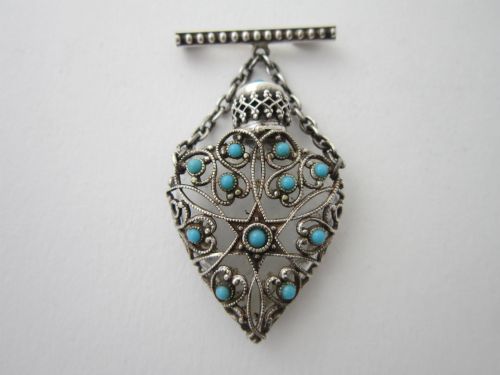
Beyond standard bottles, the category embraces specialised vanity items such as silver vinaigrettes, tortoiseshell holders, and matching sets incorporating pill boxes and enamel jars. Continental makers from France and Bohemia frequently introduced distinct colour palettes and gilt mounts to the form.
How they were made
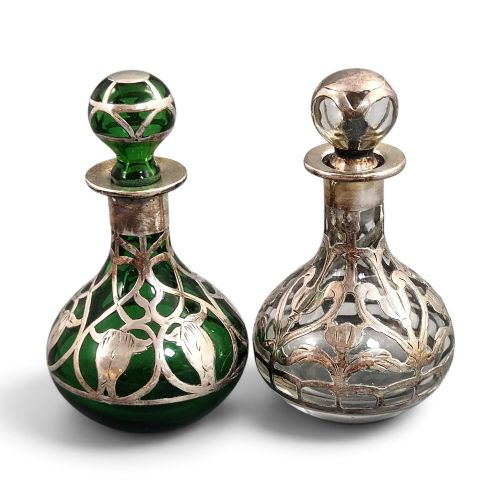
Makers combined heavy crystal or coloured glass bodies with hand-worked sterling silver, silver gilt, and occasional Old Sheffield plate. Glass was commonly slice-cut, mould-blown, or layered with silver overlay, while inner stoppers provided a tight seal against evaporation.
Embellishment relied on traditional silversmithing techniques including repoussé, chasing, and guilloché enamel work. Tops were often hinged and fitted with cork or glass daubers inside collar mounts bearing hallmarks or maker marks.
Listings feature sterling silver, cut glass, ruby glass, and tortoiseshell across Victorian, Edwardian, and Art Deco periods.
What varies in quality
Quality rests in the weight and clarity of the glass, the gauge of the silver mount, and the precision of the hinge. Thicker cut glass with sharp facets and heavy sterling caps denote finer production than lighter pressed variants.
The presence of intact inner stoppers, crisp hallmarks, and undamaged enamel or overlay work distinguishes superior surviving examples from ordinary utilitarian pieces.
Horton And Allday·Gorham·Harold Bushell And Co·Henry Perkins·Karl Palda·Edward Smith
The Silver Vanity Scent Bottle Glossary
- Sterling Silver
- A silver alloy containing 92.5 percent silver by mass, standard for British tablewares and vanity mounts. It provides durability while allowing intricate hand-chasing.
- Silver Gilt
- Silver that has been coated with a thin layer of gold on its surface, often used on the interior necks of scent flasks to prevent chemical tarnishing from perfumes.
- Guilloche Enamel
- A decorative technique where a precise geometric pattern is mechanically engraved beneath a translucent enamel layer. It appears frequently on Edwardian and Art Deco vanity pieces.
- Vinaigrette
- A small ornamental box or bottle containing a sponge soaked in aromatic vinegar, used to relieve faintness. These typically feature an inner pierced gilt grille.
- Silver Overlay
- Molten or sheet silver applied to a glass body in decorative patterns, typical of Art Nouveau designs. The metal bonds to the exterior surface of the vessel.
Silver Vanity Scent Bottle: Frequently Asked Questions
Are these bottles safe to use for modern perfume?
Most antique bottles function adequately for display and light application, provided the inner stopper creates a reliable seal. Modern synthetic perfumes can occasionally degrade historical cork linings over extended periods.
Check that the internal neck and ground glass fit remain clean before introducing any liquid. Many collectors prefer to keep them dry to preserve fragile interior residues.
How do I tell Victorian pieces from Edwardian ones?
Victorian examples often lean towards deep ruby, cranberry, or opaline glass paired with heavy, richly chased silver mounts and floral motifs. Maker marks and date letters stamped on the silver collars provide exact confirmation of the assay year.
Edwardian and later pieces frequently introduce brighter pastel enamels, geometric Art Nouveau silver overlay, or streamlined Art Deco silhouettes. The transition reflects shifting aesthetic preferences in dressing table accessories.
What is silver overlay?
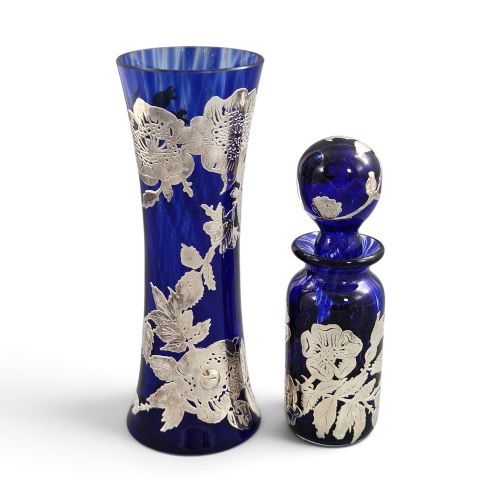
Silver overlay is a decorative technique where a continuous layer of sterling silver is applied directly onto the exterior of a glass or ceramic vessel. The design is typically cut out in floral or abstract patterns before being chemically or thermally bonded.
This method created high-contrast pieces where the coloured glass beneath showed through the pierced silver framework.