
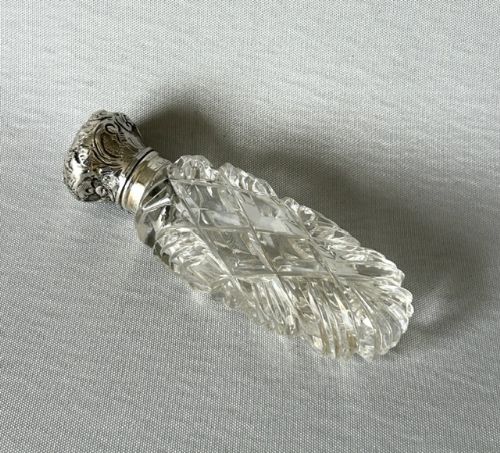
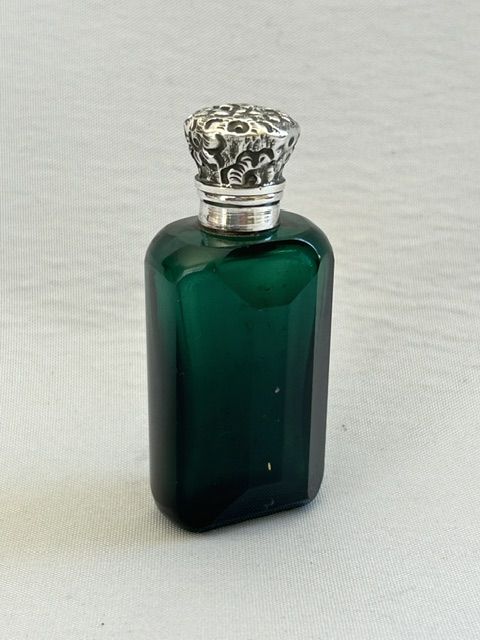

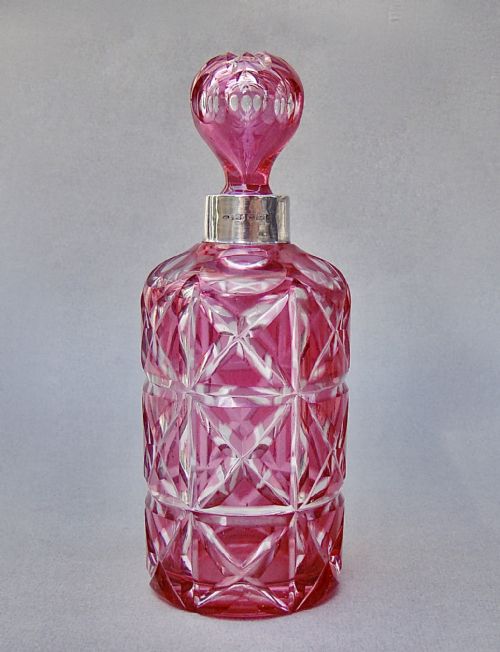


Silver Topped Scent Flask
These silver topped scent flask pieces combine precious metal mounts with colourful glass, offering a portable touch of historic luxury.
Silver Topped Scent Flask
A silver topped scent flask is a portable container designed for carrying perfume, smelling salts, or cologne, combining a metal cap with a glass body. When searching for a silver topped scent flask, a buyer primarily encounters Victorian and Edwardian examples spanning the latter half of the nineteenth century into the early decades of the twentieth century.
The objects take diverse forms, ranging from standard cylindrical bottles to globular vessels, egg shapes, and flattened pocket flasks. Many pieces originate from British workshops in centres such as Birmingham and London, alongside continental European makers from France and Bohemia.
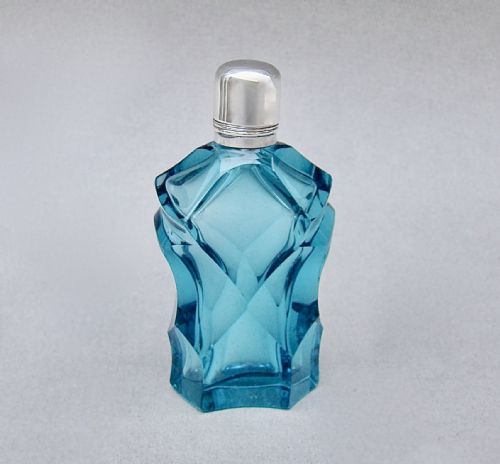
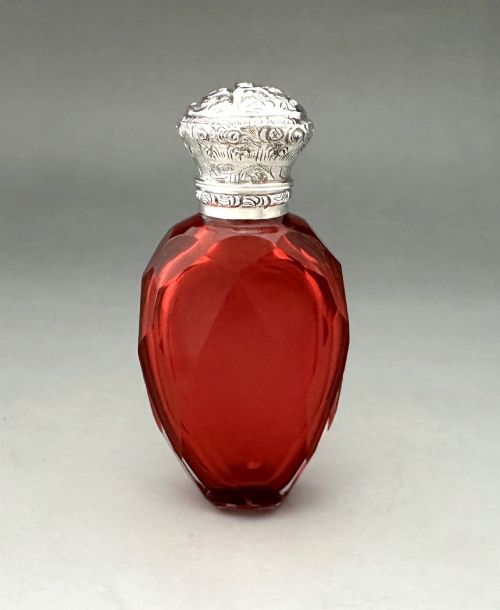
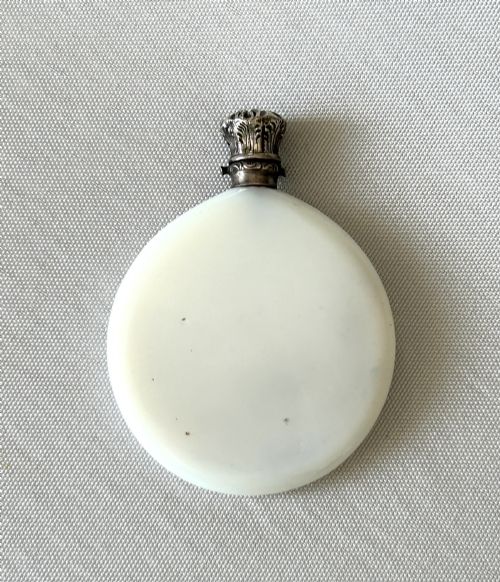
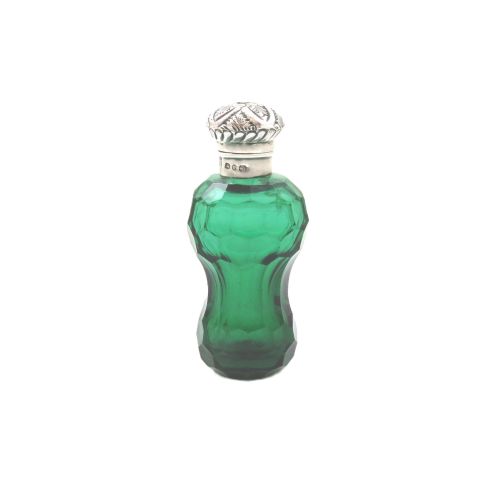
The most common iterations on this page pair sterling silver mounts or screw caps with pressed, cut, or coloured glass vessels. These pocket-sized containers reflect the personal grooming habits of past eras, designed for carriage in handbags or dressing cases.
How they were made
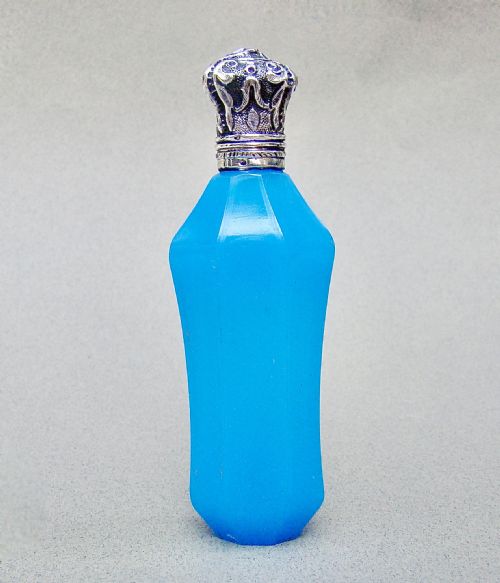
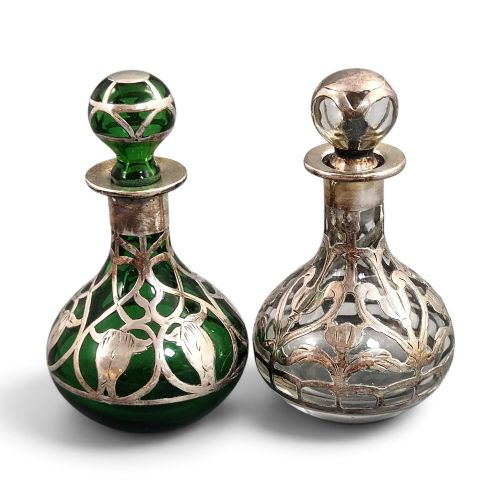
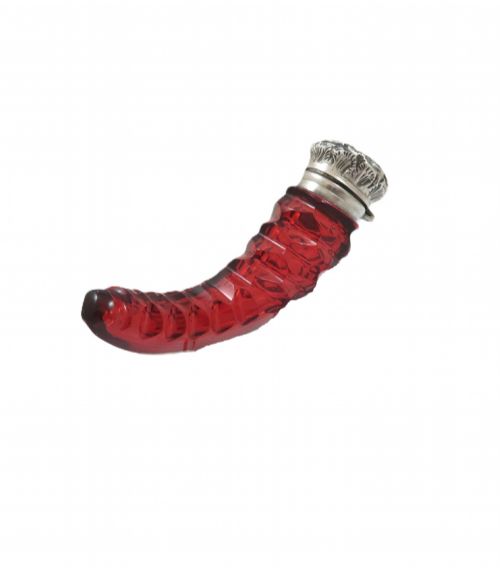
Makers formed the vessel bodies using various glassworking methods, including mould-blown shaping, hand-cutting, and layering distinct colours of glass such as cranberry, ruby, teal, and opaline. Certain examples incorporate specialised techniques like murrine work or apply silver overlay directly onto the exterior glass surface.
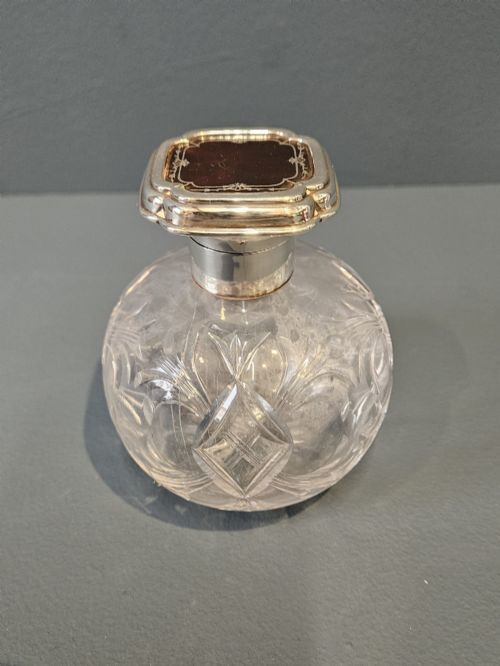
The metal components typically consist of sterling silver, fashioned into hinged lids, screw caps, or decorative collars. Artisans often embellished these silver mounts through repoussé work, chasing, or by applying translucent guilloche enamel beneath pierced metal frameworks.
Listings feature Victorian, Edwardian, and Art Deco periods alongside materials including cranberry glass, opaline glass, tortoise shell, and sterling silver.
What varies in quality
Quality in a silver topped scent flask depends upon the crispness of the glass cutting and the depth of colour in the material, with layered overlay glasses showing greater complexity of manufacture. Superior examples exhibit substantial weight in the silver mounts, intricate hand-chased ornamentation, and fully intact interior stoppers.
Gorham·Harold Bushell and Co·Franchini and Bigaglia·Barnsley and Co·Finnigans of Bond Street
The Silver Topped Scent Flask Glossary
- Sterling silver
- A silver alloy containing 92.5 percent pure silver and 7.5 percent other metals, usually copper, used extensively for the caps and mounts of these flasks.
- Guilloche enamel
- A decorative technique where a precise pattern is mechanically engraved into metal beneath a translucent layer of coloured enamel.
- Opaline glass
- An opaque or semi-translucent glass, often tinted in soft shades of turquoise, blue, or white, popular during the Victorian period.
- Overlay glass
- A vessel formed from multiple fused layers of different coloured glass, where sections of the outer layer are cut away to reveal the contrasting colour beneath.
- Murrine
- Coloured glass canes heated and drawn out, then sliced to reveal cross-sectional mosaic patterns embedded within the body of the flask.
Silver Topped Scent Flask: Frequently Asked Questions
What are internal stoppers for?
Internal glass or cork stoppers prevent volatile perfumes from evaporating through the neck before the outer silver cap is secured.
These secondary stoppers ensure the liquid remains safely sealed inside the pocket or travel case.
How do I date my flask?
Dating relies heavily on the hallmarks stamped into the silver mounts, which indicate the assay office, standard of metal, and year of production.
Stylistic markers such as Art Nouveau curves or Victorian overlay patterns also help narrow the manufacturing decade.
Were these used for men or women?
Both genders utilised portable fragrance containers, though designs varied from delicate enamelled ladies' bottles to robust gentleman's locking cologne flasks.
Travel cases and fitted compartments often dictated the specific shape and scale of the vessel.
How should I clean the silver?
Cleaning requires avoiding harsh dips that might damage vulnerable glass bodies, tortoise shell panels, or enamel work.
Using a soft cloth on the silver mounts preserves the historic patina and protects adjacent decorative materials.