
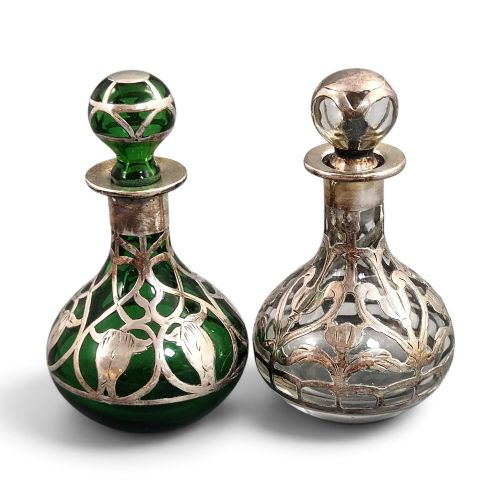
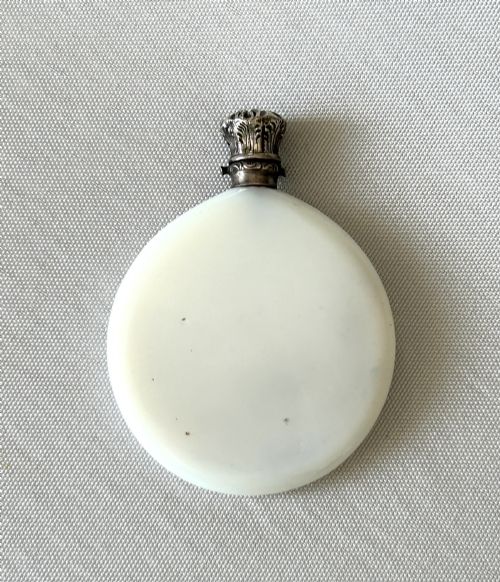
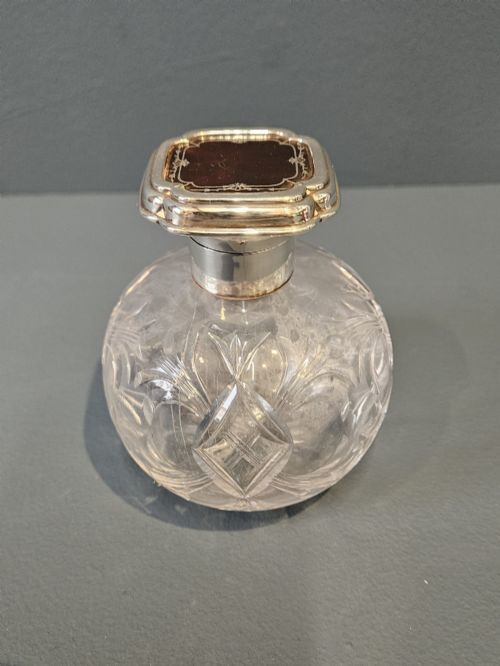
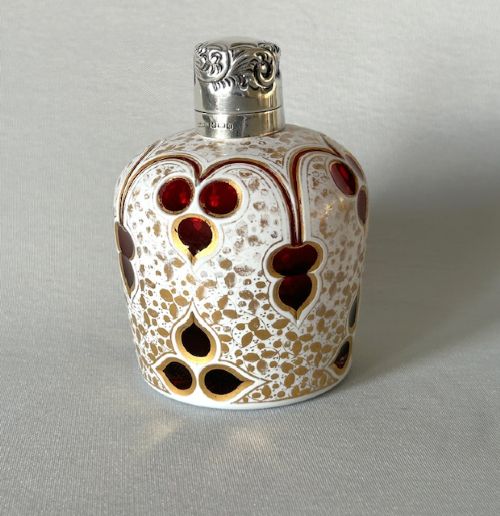
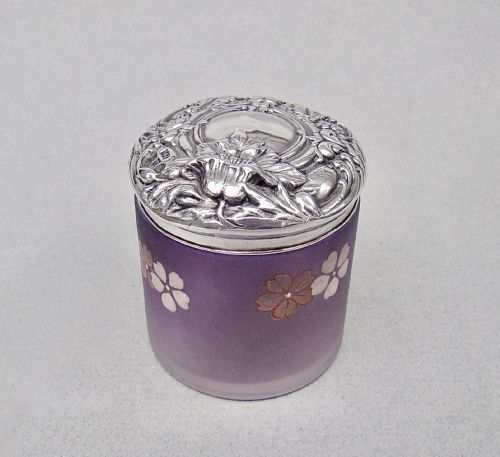
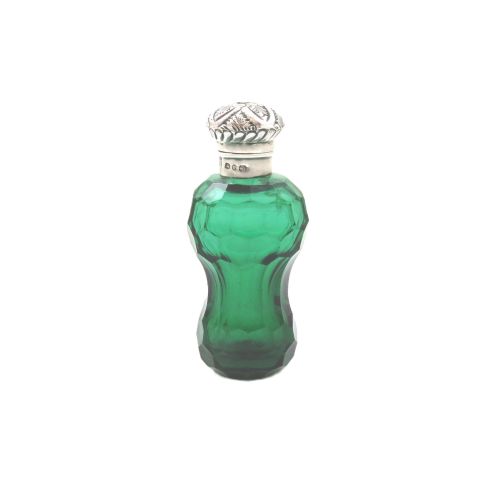
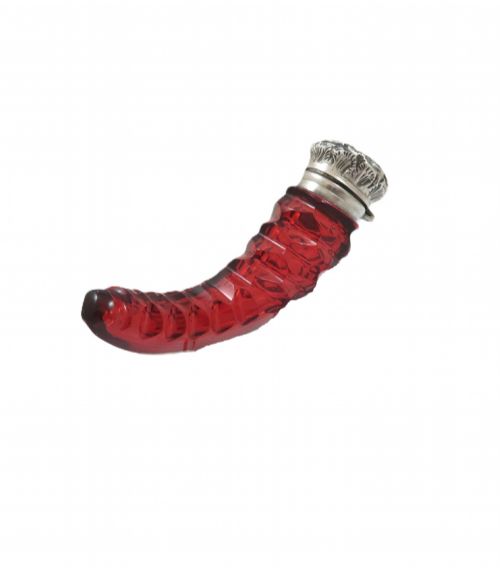
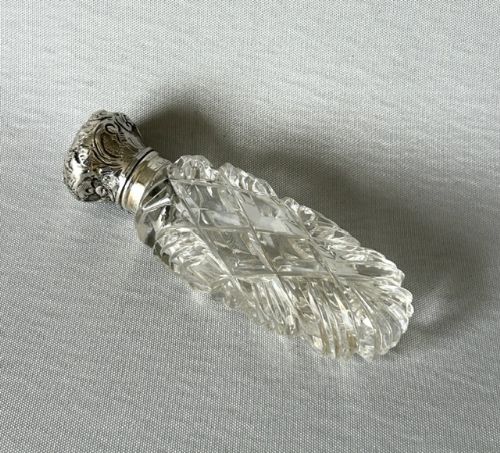

Silver Top Vanity Bottle
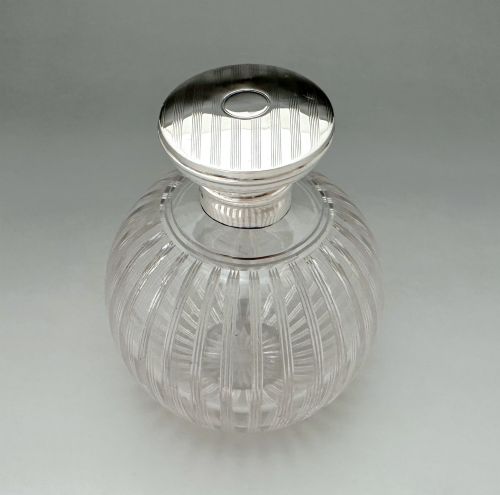
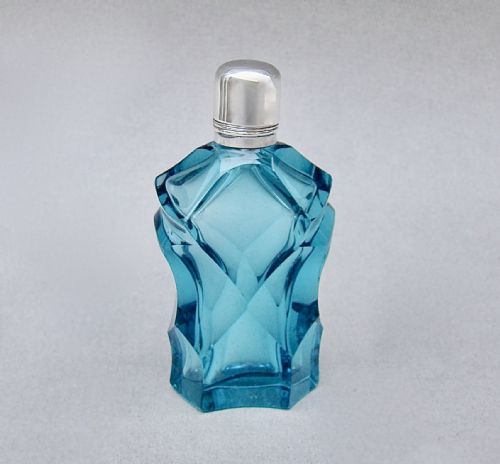
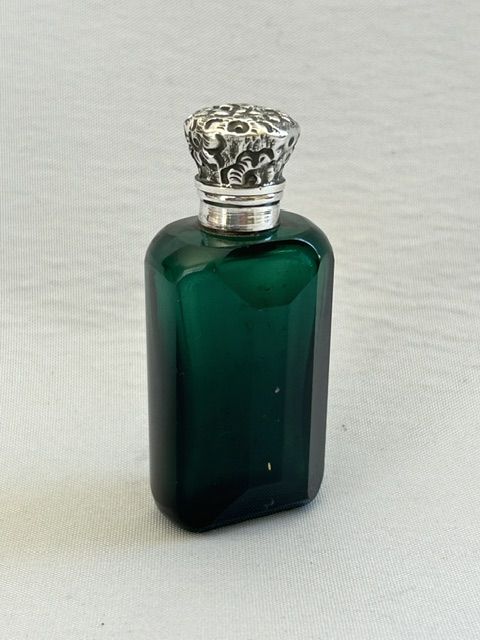
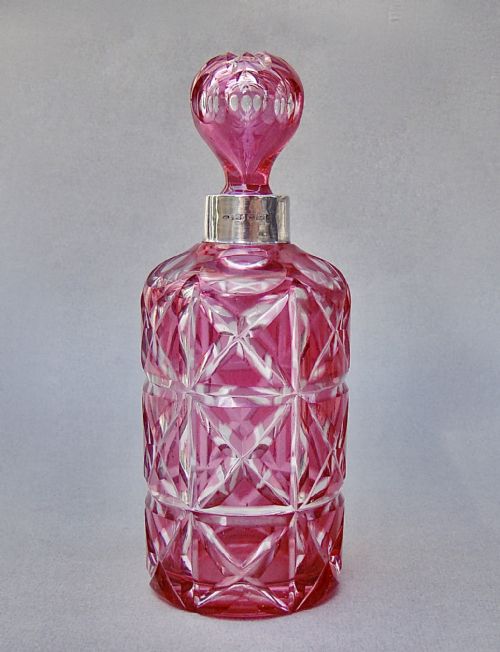
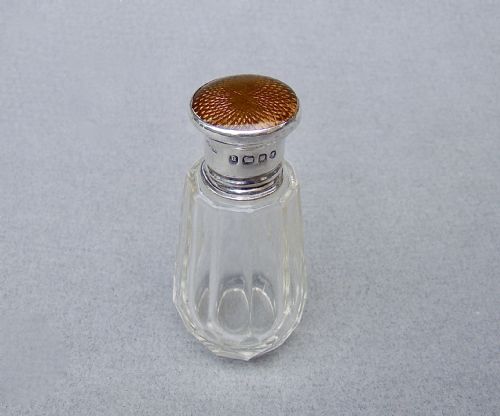
A silver top vanity bottle combines cut glass or coloured glass with sterling silver mounts, offering a functional dressing table accessory.
Silver Top Vanity Bottle
A silver top vanity bottle functions as a container for scent, cologne, or dressing table preparations. The form spans scent bottles, perfume bottles, and larger dressing table jars intended for daily personal use.
Victorian and Edwardian examples predominate on this page, alongside pieces from the 1920s and 1930s. Buyers frequently encounter glass bodies paired with hallmarked sterling silver lids or collars.
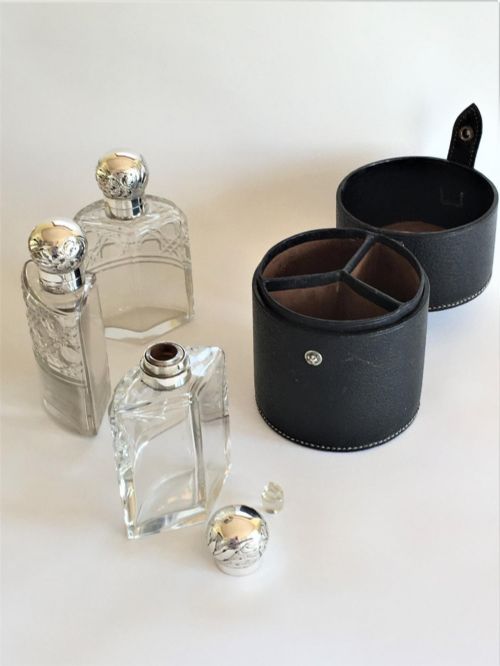
Origins include British workshops as well as French, Bohemian, and Venetian makers. Forms range from simple globular cut glass to coloured glass and mounted travelling trios.
How they were made
Makers combined blown or cut glass bodies with sterling silver mounts, often utilising overlay, enamel, or tortoiseshell decoration. Glass techniques encompass slicing, moulding, and incorporating coloured minerals for hues like cranberry, opaline, and vaseline.
Silver components were shaped, stamped, and hallmarked, then fitted securely to glass necks or hinged lids. Enamelling and guilloche work applied decorative colour directly onto the silver surfaces.
Some Edwardian travellers carried cased sets of three tiny bottles, ensuring a different scent for every mood on the road.
What varies in quality
Quality rests upon the execution of the glass cutting, the depth and clarity of coloured glass, and the weight of the sterling silver mount. Heavier silver gauge and intricate hand-cutting elevate an individual piece.
The refinement of supplementary materials such as guilloche enamel, tortoiseshell, or intricate silver overlay distinguishes standard production items from more ambitious workshops.
Gorham·Harold Bushell and Co·Henry Perkins·Franchini and Bigaglia·Jonathan Douglas·Barnsley and Co
The Silver Top Vanity Bottle Glossary
- Sterling silver
- A silver alloy containing 92.5 percent pure silver by mass, standard for British hallmarked vanity mounts.
- Guilloche enamel
- A decorative technique where intricate geometric patterns are engraved beneath translucent enamel layers.
- Cranberry glass
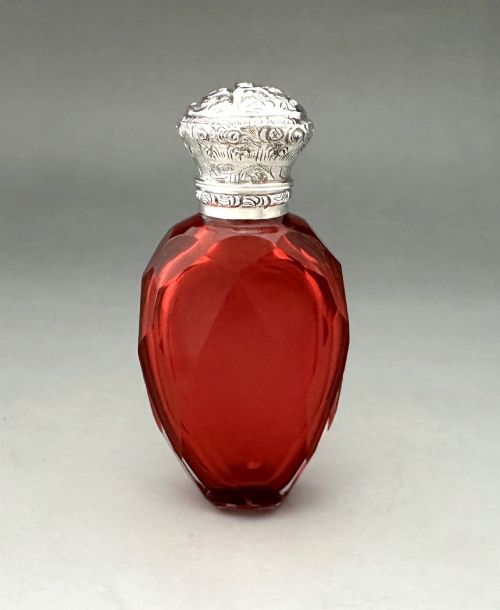
- A rich red glass created by adding gold chloride to the molten batch during manufacturing.
- Opaline glass
- An opaque or translucent pale glass developed in the nineteenth century, often appearing in white or pastel shades.
- Slice cut
- A method of glass cutting featuring flat, broad facets polished across the body of the bottle.
Silver Top Vanity Bottle: Frequently Asked Questions
What is a silver top vanity bottle?
A silver top vanity bottle is a small glass container fitted with a sterling silver lid, collar, or mount, designed for perfumes and vanity preparations. These items sat upon dressing tables or travelled within fitted cases.
They appear in various forms, including scent bottles and jars, reflecting changing domestic habits across the nineteenth and early twentieth centuries.
How do I date a silver top bottle?
Dating relies heavily upon the assay office marks and date letters stamped into the sterling silver mounts. These hallmarks identify the exact year and city of manufacture for the metal component.
Style, glass colour, and manufacturing techniques also help narrow the production period when hallmarks are rubbed or absent.
How should I clean the silver and glass?
Clean the glass body using warm soapy water and a soft cloth, keeping moisture away from any paper liners or internal cork stoppers. Polish the silver mount gently with a dedicated silver cloth to preserve hallmarks.
Avoid submerging pieces that combine tortoiseshell, enamel, or glued internal collars in water.
What glass colours are available?
The selection includes clear cut glass and crystal alongside coloured varieties such as cranberry, ruby, opaline, vaseline, teal, and green glass. Some pieces incorporate layered casing or flash glass techniques.
Coloured variants often point towards specific Victorian and Edwardian manufacturing origins like Bohemia or Bristol.