



Silver Tone Vintage Watch
A silver tone vintage watch brings industrial clarity and mid-century elegance to the wrist, offering precise mechanics housed in bright metallic cases.
Silver Tone Vintage Watch
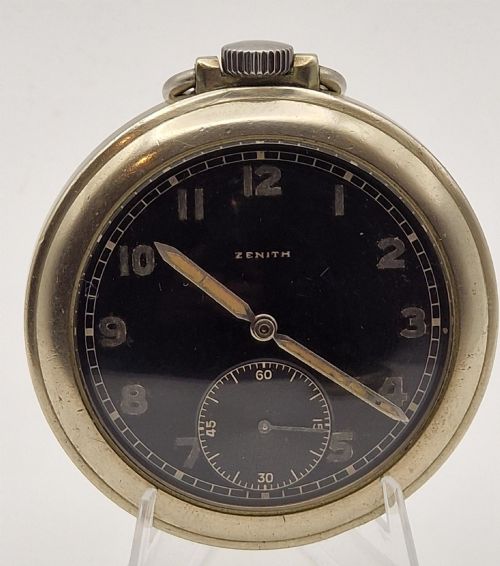
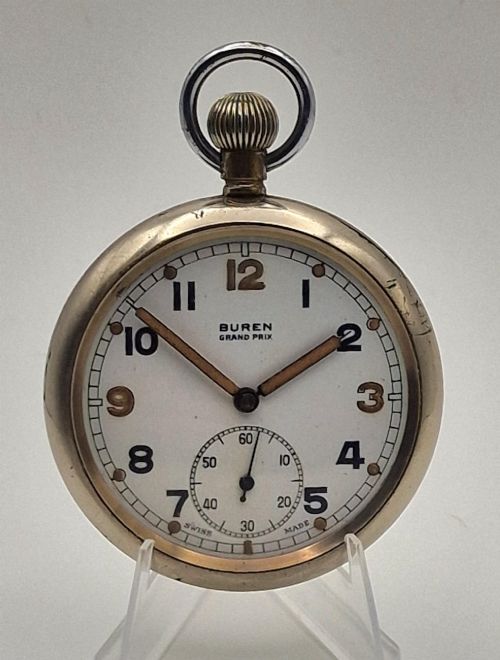
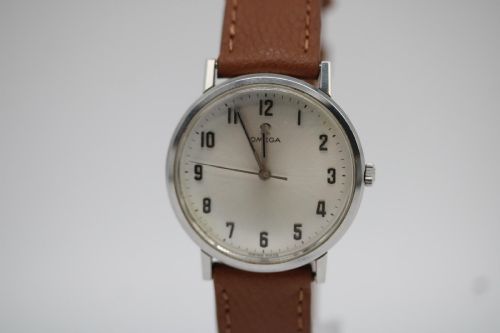
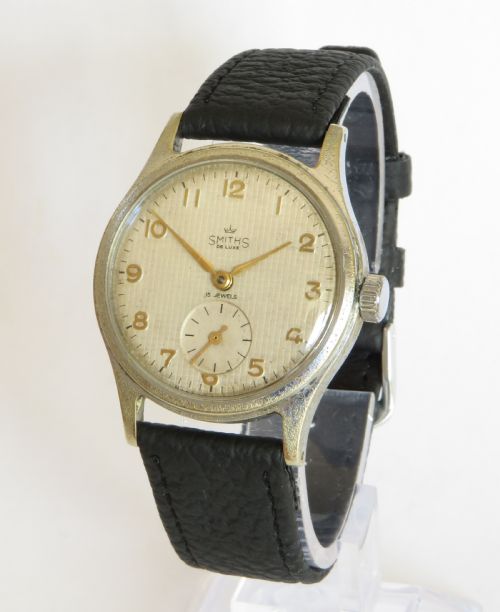
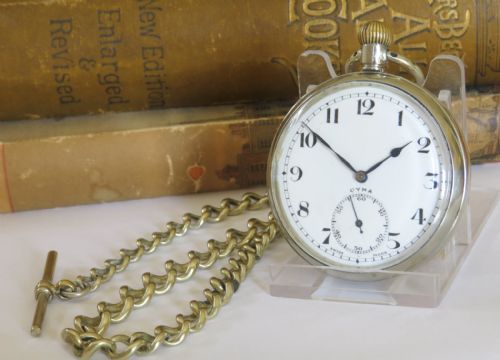
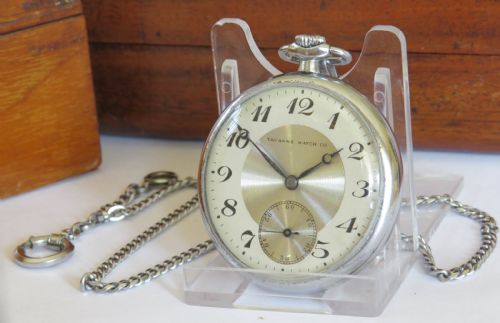
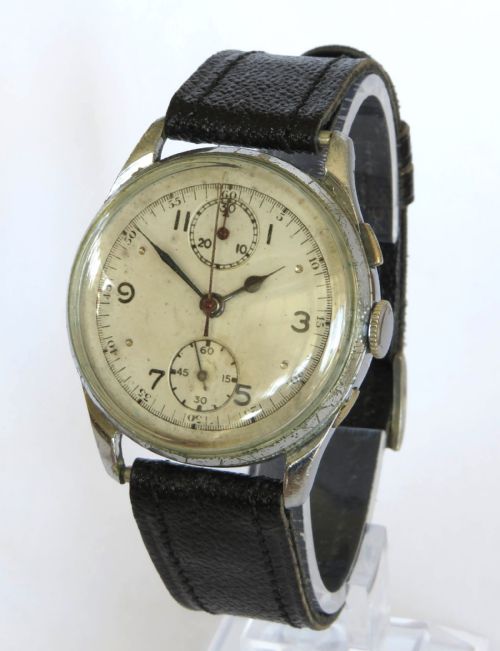
When searching for a silver tone vintage watch, collectors encounter a diverse selection of timepieces spanning from the Edwardian era through the mid-twentieth century. Wristwatches and pocket watches dominate this selection, featuring metal housings that present a bright, silvery finish.
The objects listed range from military pocket watches and austere utility designs to elaborate platinum and diamond cocktail pieces. Mid-century examples and Art Deco models appear frequently, alongside specialised military issues and simple mechanical wristwatches.
These items originate across several decades, showing influences from Edwardian refinement, First World War service needs, and the streamlined aesthetics of the nineteen-thirties and nineteen-fifties. Each piece reflects the horological standards of its specific production year.
How they were made
Construction relies upon durable metals such as stainless steel, chrome, nickel, and white gold fill, often paired with glass crystals to protect the dial. Precious metals like platinum are utilised in higher-end ladies' cocktail designs alongside diamond settings.
Movements inside these timepieces rely on intricate mechanical assemblies, requiring manual winding or early chronograph complications to track hours and minutes accurately. Secondary materials such as leather feature in straps, while specialised pocket pieces often include linked chains and compasses.
Silver Tone Vintage Watch Retail Price Guide 2026
Typical asking prices for silver tone vintage watch among the pieces listed under this phrase on Sellingantiques today, from the lower quarter to the upper quarter. They describe what is for sale here now, not the wider market.
Several pocket watch sets include small integrated compasses, ensuring that early twentieth-century travellers remained pointed toward true north while checking the hour.
What varies in quality
The upper tier of these timepieces is defined by sophisticated internal movements, such as specialised chronograph calibres or signed components from established makers, paired with precious gemstones and fine metalworking. Lesser pieces rely on standard utilitarian construction and basic metal housings without decorative enrichment.
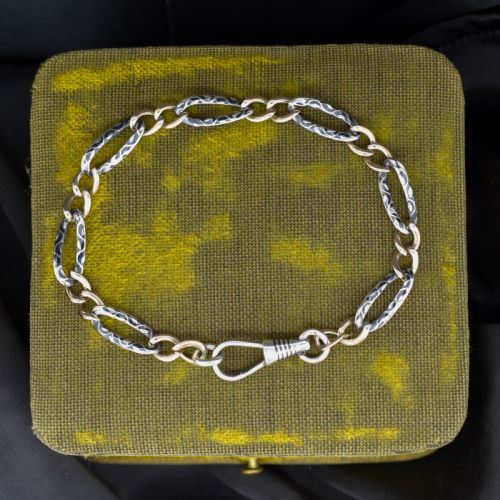
The integration of artisan details, including niello work, engraved gold accents, and custom presentation elements like original boxes and papers, elevates certain items significantly above standard production grades.
Omega·Buren·Cyma·Tavannes·Venus·Lanco·Zenith·Longines·Asprey·Tissot·Elliott Brothers·Bulova
The Silver Tone Vintage Watch Glossary
- Calibre
- The specific internal mechanical movement design created by a watchmaker. This identifier denotes the exact architecture driving the timepiece.
- Chronograph
- A watch equipped with a display function that measures elapsed time independently of the primary timekeeping hands. These mechanisms add mechanical complexity.
- Niello
- A black metallic alloy used as an inlay to highlight engraved designs on silver objects. It creates sharp contrast against the bright metal surface.
- Tank style
- A rectangular watch case geometry inspired by military vehicles of the First World War. The straight vertical brancards frame a clean square or rectangular dial.
- White gold fill
- A manufacturing process fusing a layer of gold alloy to a base metal core. This technique provides the appearance of white gold with enhanced structural durability.
Silver Tone Vintage Watch: Frequently Asked Questions
How do I wind a mechanical watch?
Turn the crown gently in a clockwise direction until slight resistance indicates the mainspring is fully tensioned. Avoid forcing the mechanism past this point to prevent internal damage.
Most vintage pieces require daily winding to maintain accurate timekeeping throughout use. Establishing a consistent morning routine preserves the lifespan of the internal gears.
Are these watches water resistant?
Vintage timepieces lack modern rubber seals and gasket systems, meaning moisture enters easily through the crown and crystal. Exposure to rain or handwashing should be avoided completely.
Keep these objects dry during daily wear to protect delicate paper dials and steel internal components from corrosion. Professional servicing includes checking case tolerances, but original water resistance remains minimal.
How do I date a vintage watch?
Examine the stylistic cues of the case, dial typography, and any visible serial numbers stamped onto the movement or inner case back. Art Deco geometric motifs point toward the nineteen-thirties, while military broad arrow marks suggest wartime service.
Reference tables specific to the manufacturer help match serial numbers to exact production years. Original documentation, when present, provides definitive confirmation of the creation date.
What is a manual wind watch?
A manual wind watch relies entirely on human interaction with the crown to tension the mainspring, storing energy without an oscillating rotor. This mechanical simplicity allows for slimmer case profiles.
Collectors appreciate these movements for their direct connection to the object and the absence of automatic winding rotors. Regular winding maintains steady power delivery to the escapement.