




Silver Sword Cane
A silver sword cane is a gentleman's dual-purpose accessory combining a walking stick with a concealed blade, sought after for its refined discretion and period craftsmanship.
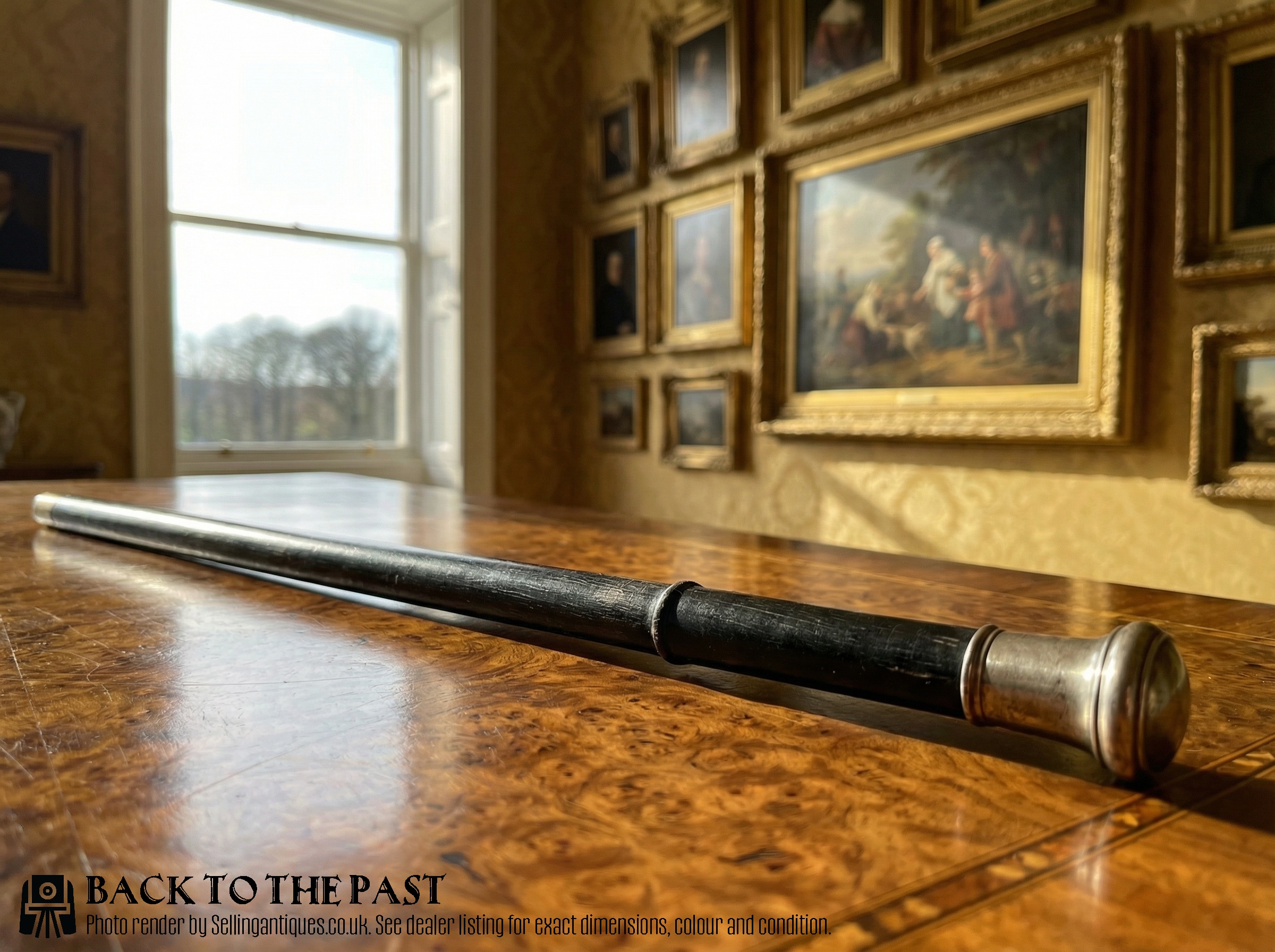
Silver Sword Cane
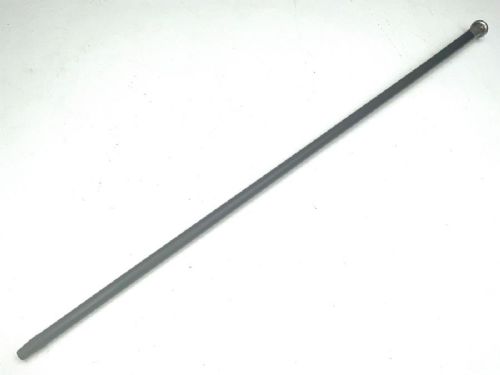
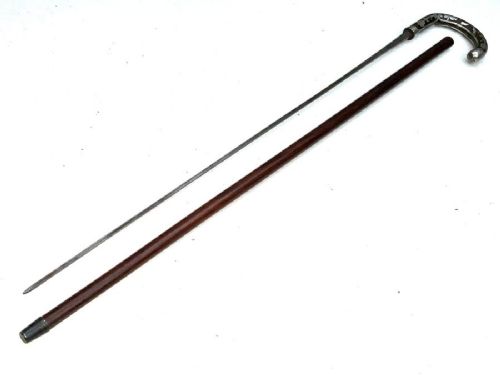
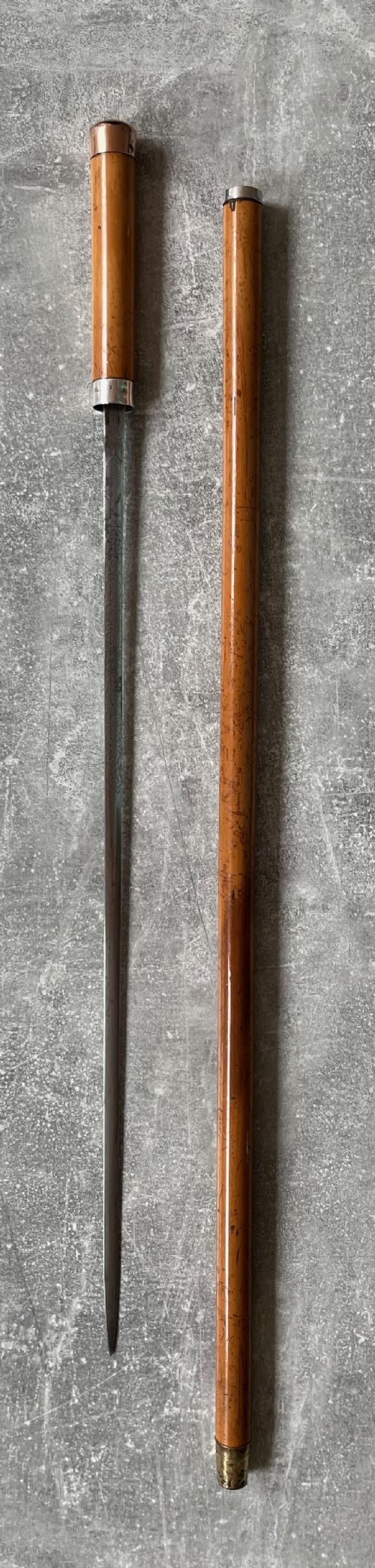
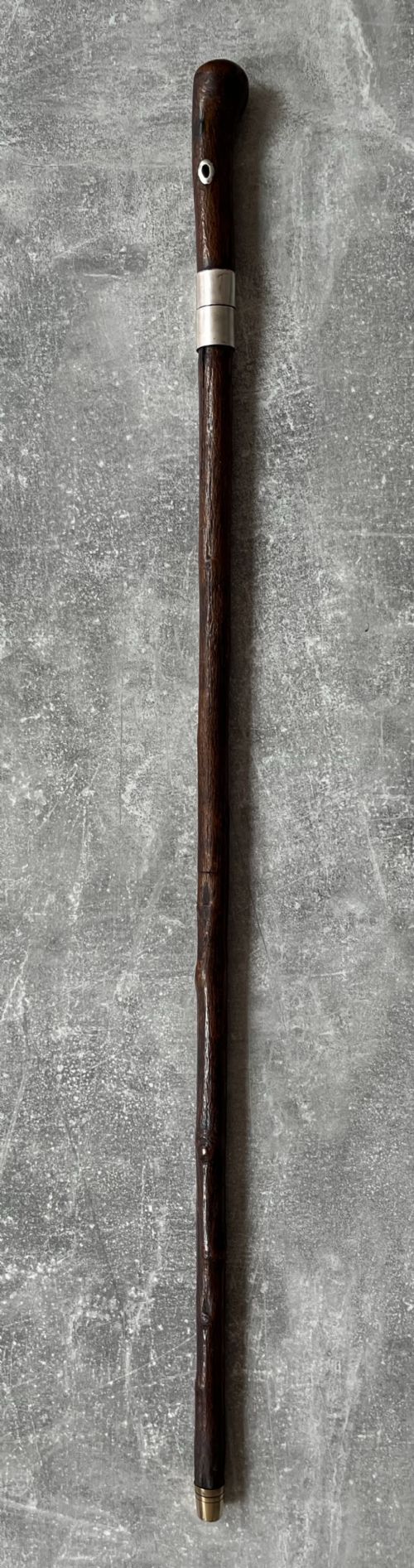
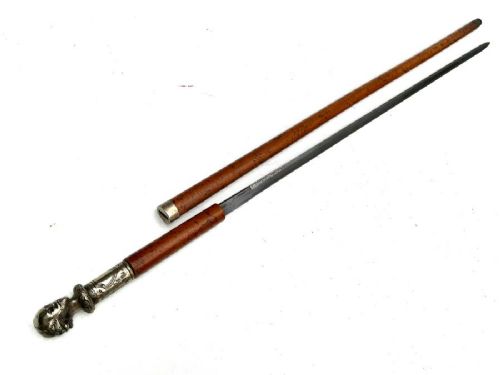
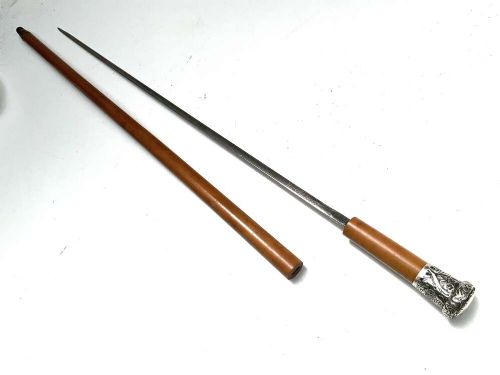
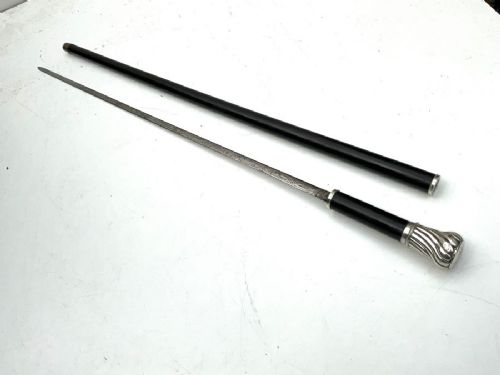
A silver sword cane serves as both a traditional walking stick and a discreet housing for a concealed steel blade, originating primarily from the Victorian and Edwardian eras. These pieces typically feature a silver collar, mount, or decorative handle paired with shafts formed from malacca cane, bamboo, ebonised wood, hazel, or rosewood.
The versions most commonly met on this page combine malacca shafts with hallmarked silver tops and London assay dates spanning the late nineteenth and early twentieth centuries. Alongside civilian walking sticks, the selection includes military items such as officer examples and swagger sticks linked to regiments like the Grenadier Guards.
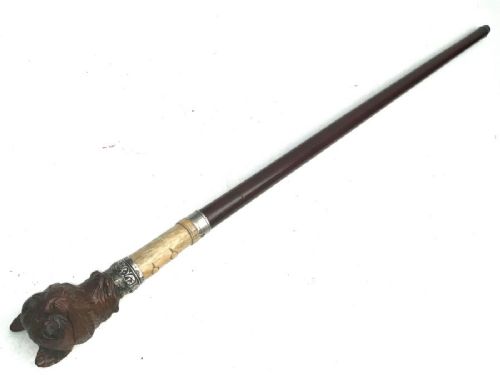
Specialised variations also appear, ranging from Masonic pieces with concealed ritual symbolism to Imperial German and Russian examples bearing distinct regional mounts and decorated blades. Handles vary widely in form, incorporating horse heads, bone knops, horn, root ball grips, and repoussé silver ornamentation.
Materials and construction
The construction relies on pairing organic shaft materials such as malacca, bamboo, and hardwoods with forged steel blades housed securely within the central bore. Silversmiths formed the mounts, collars, and knops from solid silver, frequently applying repoussé decoration, engraving, or hallmarks indicating assay offices in cities like London.
Listings feature silver sword canes spanning the Victorian and Edwardian periods, utilising materials including malacca cane, silver, steel, and horn.
Distinctions in craftsmanship
Quality in a silver sword cane rests on the harmony between the silversmith's work on the mounts and the precision of the internal blade assembly. Superior examples feature heavy gauge silver components, crisp hallmarks, and renowned blade makers such as Wilkinson or Toledo, paired with straight shafts of malacca or exotic hardwoods that maintain a tight, seamless fit when closed.
Lower tiers display lighter silver plating, generic unbranded steel blades, and shafts that show warping or loose joints where the handle meets the collar. The artistry of the handle carving, whether shaped as a horse head or worked in repoussé silver, further separates standard utility pieces from fine gentleman's accessories.
Brigg·Wilkinson
The Silver Sword Cane Glossary
- Malacca Cane
- A slender, patterned rattan imported from Southeast Asia, prized for its flexibility and strength as a walking stick shaft.
- Repoussé
- A metalworking technique where silver is hammered from the reverse side to form raised decorative reliefs on handles and collars.
- Knop
- A rounded knob or handle at the top of a walking stick, often cast in silver, bone, or horn.
- Swagger Stick
- A short, slender cane carried by military officers, sometimes housing a concealed blade or serving as a ceremonial badge of rank.
- Hallmark
- Official stamps punched into silver components indicating the assay office, metal purity, and date of manufacture.
Silver Sword Cane: Frequently Asked Questions
What is a silver sword cane?
A silver sword cane is a traditional walking stick fitted with a silver handle or collar that conceals a steel blade inside the wooden shaft.
These accessories were carried by gentlemen during the Victorian and Edwardian periods for personal protection and as a mark of status.
How do you release the blade?
Most pieces utilise a screw-threaded collar, a push-button release, or a simple friction fit to secure the handle to the shaft.
Twisting or pulling the handle separates it from the wooden body, allowing the steel blade to slide smoothly out of the interior channel.
What woods are used for shafts?
Shafts are commonly fashioned from malacca cane, bamboo, ebonised wood, hazel, rosewood, and chestnut.
Malacca is particularly frequent due to its distinctive mottled skin and resilience, while hardwoods like rosewood are often polished or stained.
How do you date a silver sword cane?
Dating relies primarily on the silver hallmarks stamped on the collar or mount, which indicate the specific assay office and year of testing.
Stylistic details such as the shape of the handle, the cut of the blade, and the type of wood provide additional context when hallmarks are absent.