
Silver Serving Flatware
Silver serving flatware brings historic weight to the table, offering substantial spoons, ladles, tongs and servers forged for communal hospitality.
Silver Serving Flatware
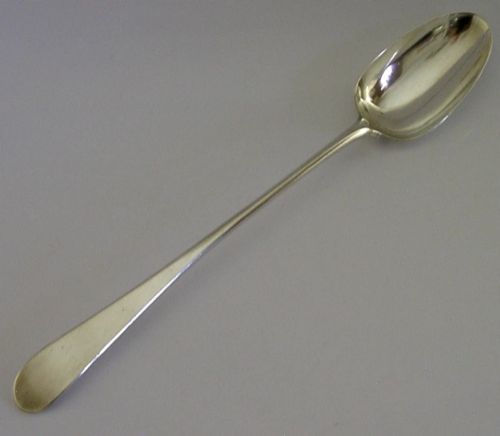
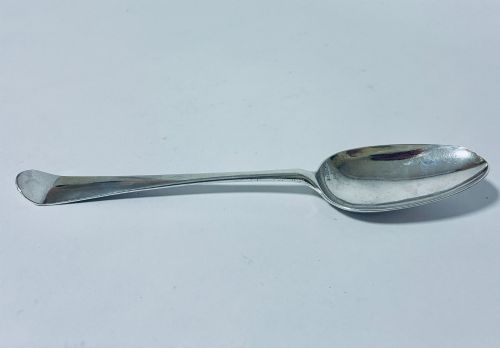
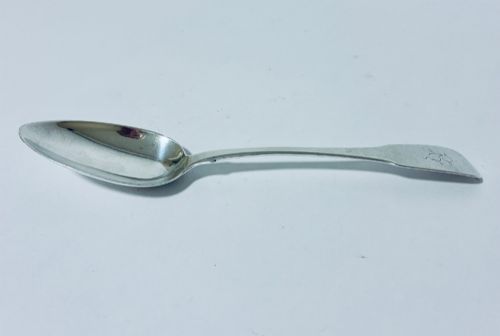
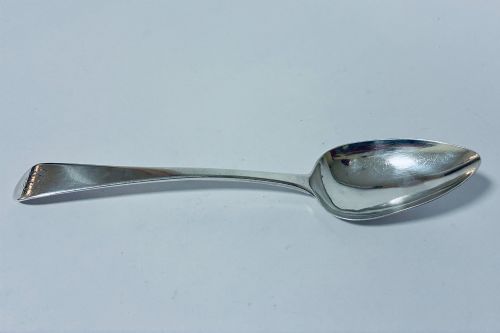
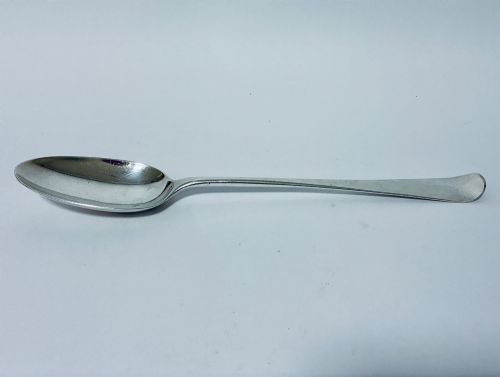
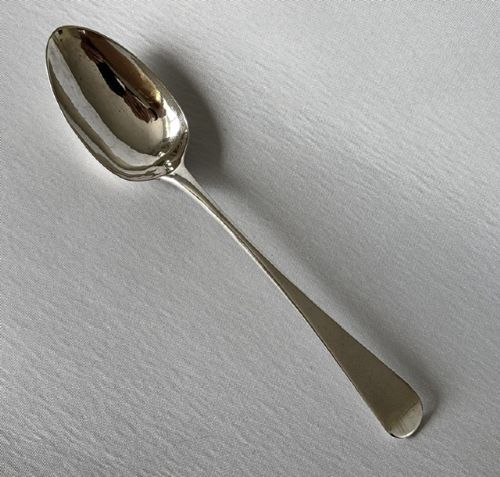
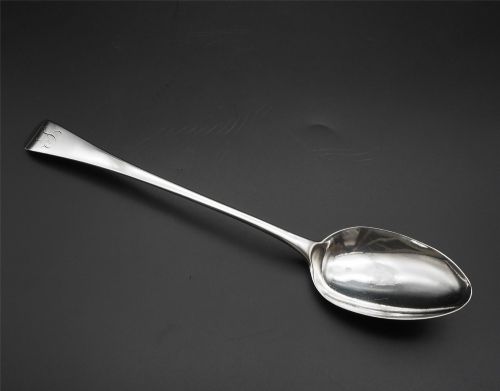
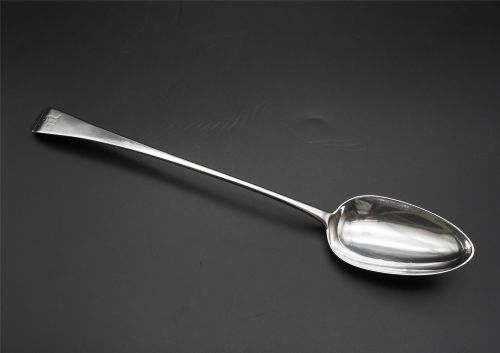
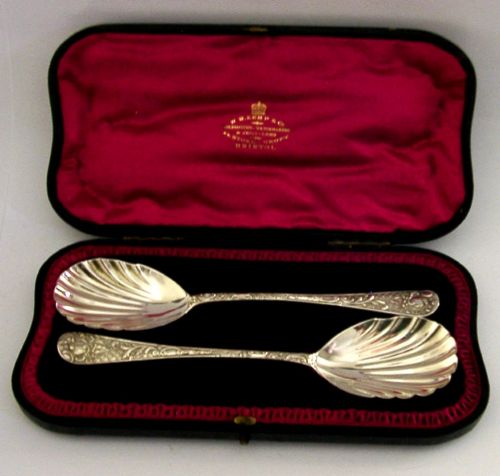
When you search for silver serving flatware, you encounter large, specialised utensils designed to portion food at the table rather than for individual dining. The items on this page span several centuries, with a strong representation of Georgian basting and soup spoons, alongside Victorian fish servers, Edwardian salad sets and mid-century Danish pieces.
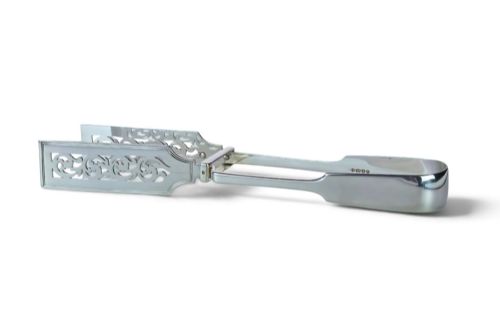
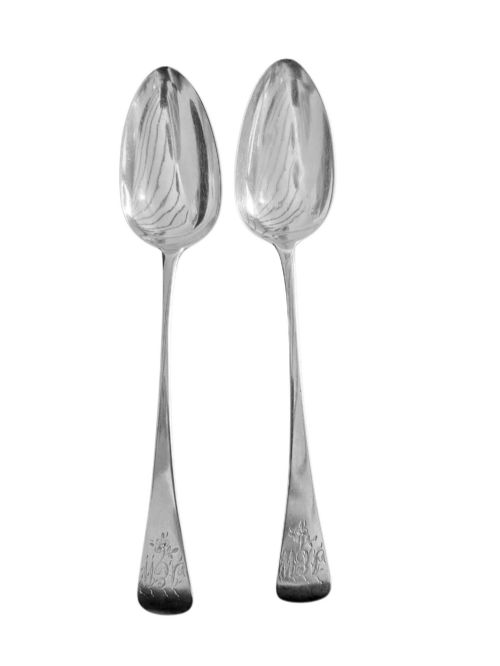
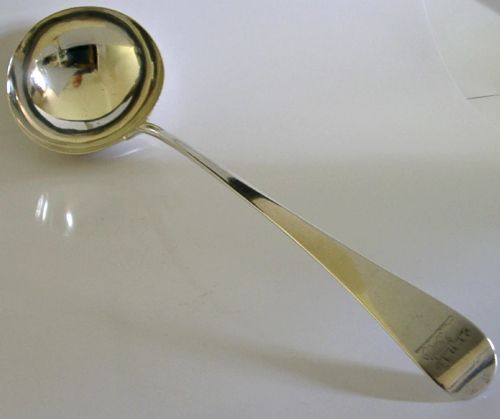
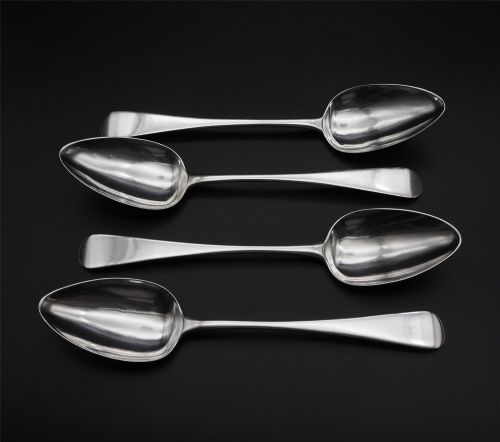
Forms range from massive hash spoons and hash ladles down to delicate sugar sifters, sardine servers and asparagus tongs. Many are found individually, though pairs of serving spoons and cased sets also appear regularly across British, Irish, Continental and American origins.
Materials and construction
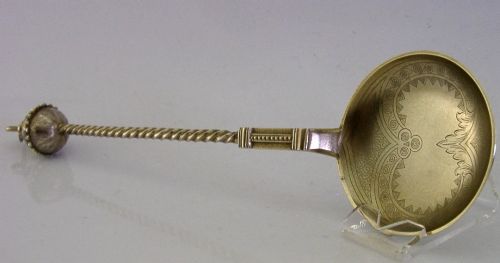
These pieces are principally forged from solid sterling silver or standard silver, often bearing hallmarks from London, Exeter, Newcastle, Sheffield or Dublin silversmiths. Certain items incorporate silver gilt surfaces, while specialised serving pieces feature complementary materials like agate handles or fitted presentation cases lined with velvet, silk and leatherette.
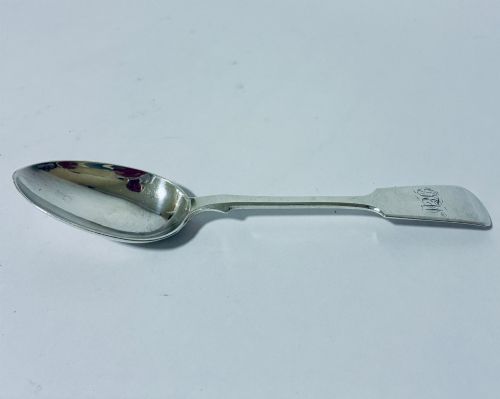
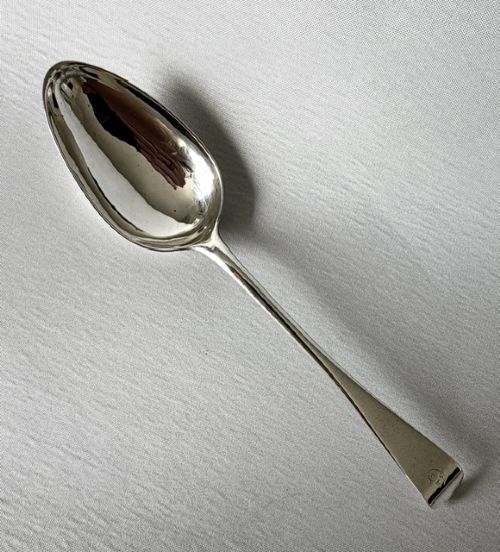
Construction methods rely on traditional silversmithing techniques, balancing heavy gauge metal for durability with balanced proportions. Handles display distinct patterns such as Old English or Fiddle, while specialised terminals feature crests, engravings or cast decorative motifs.
The listings span periods from the early eighteenth century through the Georgian, Victorian, Edwardian and mid-century eras, utilising solid silver, silver gilt and fitted presentation materials.
Assessing quality and craftsmanship
Quality in these utensils rests upon the heft of the silver and the crispness of the original chasing, engraving or crest work. Heavier gauge metal resists bending during heavy serving tasks like lifting a large joint or portioning dense puddings.
The distinction between standard utility and superior work also lies in the finesse of the maker's hand, seen in well-defined hallmarks, balanced proportions, and integrated design elements like pierced bowls or natural stone handles.
John Lambe·Peter and Jonathan Bateman·Hester Bateman·Henry Wilkinson·Georg Jensen·Tiffany and Company·Andrew Archer
The Silver Serving Flatware Glossary
- Basting spoon
- A large, elongated spoon originally used to spoon juices over meat during roasting, later adopted for general serving.
- Hash spoon
- An exceptionally large serving spoon, often exceeding thirty centimetres, designed for deep communal dishes.
- Bifurcate
- A utensil featuring a split or two-pronged end, commonly found on specialised serving slices and forks.
- Sifter spoon
- A ladle or spoon with a pierced bowl used for dusting sugar over food.
- Silver gilt
- Silver that has been coated with a thin layer of gold on its surface.
Silver Serving Flatware: Frequently Asked Questions
What is the difference between a tablespoon and a serving spoon?
Serving spoons are substantially larger than standard dining tablespoons, often measuring well over twenty centimetres in length to reach deep into bowls and platters.
They were specifically proportioned for transferring food from communal dishes to individual plates rather than for eating.
How were basting spoons used?
Basting spoons were originally kept in the kitchen or hearth to scoop pan juices and fat over roasting meats to keep them moist.
Over time, many migrated to the dining table as grand serving spoons for large cuts of meat, vegetables or soup.
How do I identify a Georgian serving piece?
Georgian pieces are identified by date letters and duty marks stamped into the silver, often accompanied by regal monarchs' profiles.
Stylistically, they favour clean classical lines, Hanoverian or Old English terminals, and hand-engraved family crests.
Can antique silver serving pieces be used today?
Solid silver serving utensils are robust enough for modern dining tables, provided they are washed by hand without harsh abrasives.
Using them brings historical craftsmanship into active daily service rather than leaving them enclosed in presentation cases.